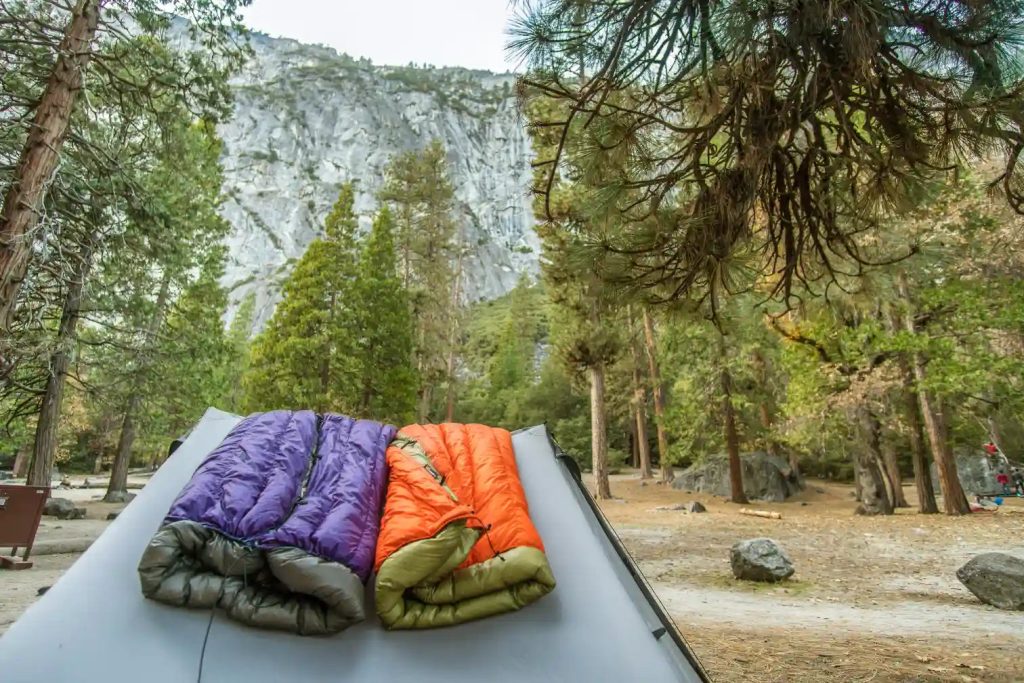
Choosing the right sleeping bag can make or break your outdoor experience. You want to stay warm, comfortable, and dry all night long.
But with so many options out there, how do you know which one is best for you? This guide will help you understand exactly what to look for in a sleeping bag, so you can make a choice that fits your needs perfectly.
Keep reading to find out how to stay cozy on every adventure.
Sleeping Bag Types
Choosing the right sleeping bag helps you stay warm and comfortable outdoors. Different sleeping bags suit different needs and weather conditions.
Here are the main types of sleeping bags to consider before your next trip.
Mummy Bags
Mummy bags have a tapered shape that fits closely to the body. This design keeps heat inside and reduces weight. They often have a hood to cover your head.
Rectangular Bags
Rectangular bags offer more space to move around. They are often wider and less fitted. These bags are good for mild weather and casual camping.
Semi-rectangular Bags
Semi-rectangular bags combine features of mummy and rectangular bags. They are slightly tapered but still roomy. This style balances warmth and comfort.
- More space than mummy bags
- Lighter than rectangular bags
- Good for various weather conditions
Double Sleeping Bags
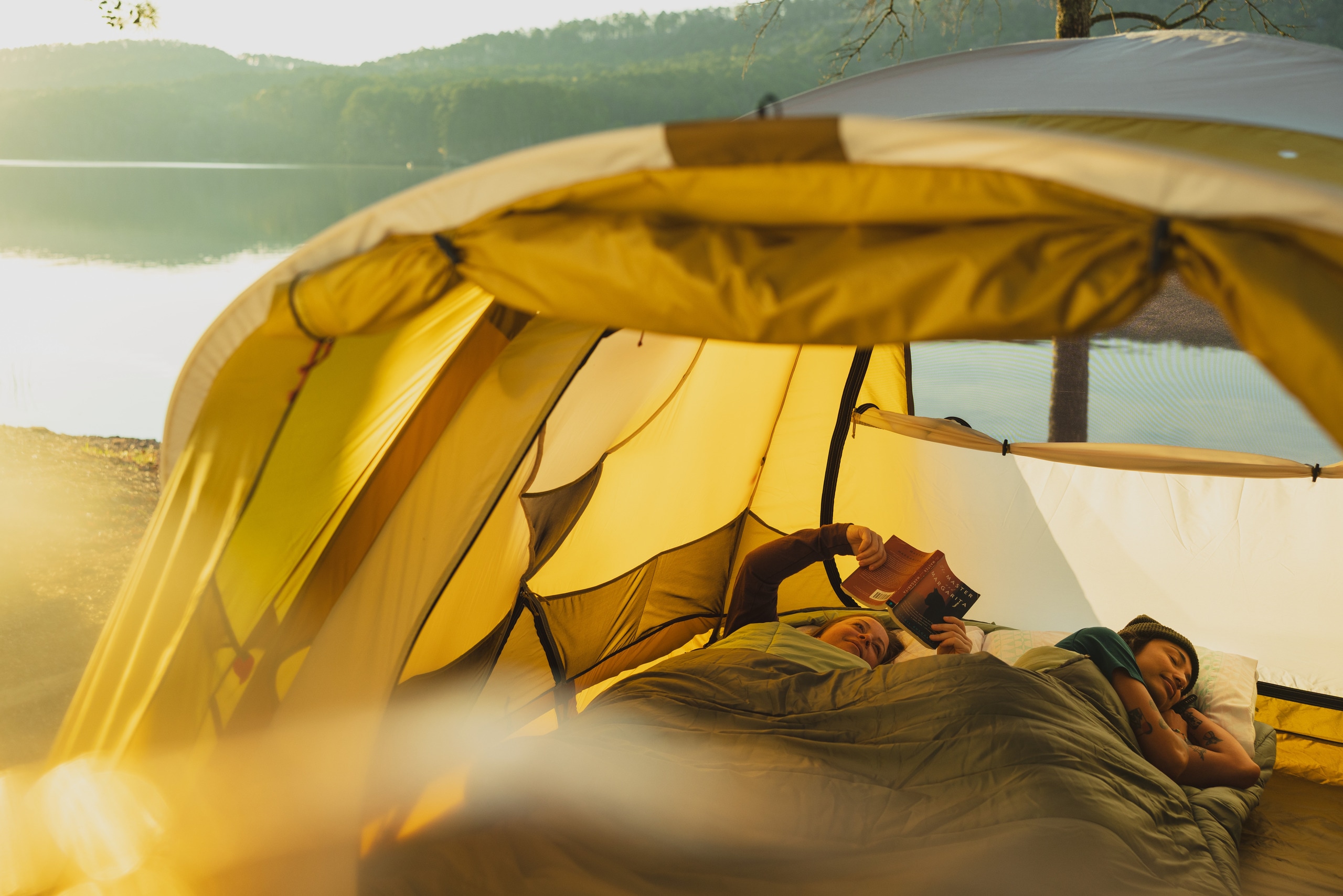
Double sleeping bags are made for two people. They provide extra room and warmth for couples. Some models unzip to separate into two single bags.
| Type | Shape | Best Use |
| Mummy Bags | Tapered with hood | Cold weather, backpacking |
| Rectangular Bags | Wide and boxy | Mild weather, casual camping |
| Semi-rectangular Bags | Slightly tapered | Mixed weather, comfort |
| Double Sleeping Bags | Extra wide | Couples, cold or mild weather |
Credit: www.rei.com
Insulation Materials
Choosing the right insulation in a sleeping bag is very important. It keeps you warm during cold nights outdoors. Insulation materials affect weight, warmth, and how the bag feels.
There are different types of insulation materials. Each type has its own benefits and drawbacks. Knowing these helps you pick the best sleeping bag for your needs.
Down Insulation
Down insulation comes from the soft feathers under a bird’s outer feathers. It is very warm and light. Down is great for cold and dry conditions.
Down compresses well, so you can pack it small. It lasts a long time if kept dry. But down loses its warmth when wet and takes time to dry.
- Very warm and lightweight
- Compresses easily for packing
- Best in dry weather
- Not good when wet
- Durable with care
Synthetic Insulation
Synthetic insulation is made from man-made fibers. It works well even if it gets wet. It dries faster than down and keeps some warmth when damp.
Synthetic bags are usually heavier and bulkier than down bags. They are good for wet or humid environments. Synthetic insulation is often less expensive.
- Works well when wet
- Dries faster than down
- Heavier and bulkier
- Good for wet climates
- More affordable
Hybrid Options
Hybrid sleeping bags use both down and synthetic insulation. They combine the best features of each material. Usually, down is inside for warmth and synthetic is outside for moisture resistance.
Hybrids offer good warmth and stay warm if damp. They can be heavier than pure down bags but lighter than full synthetic bags. This option suits many outdoor conditions.
- Mix of down and synthetic
- Warm and moisture resistant
- Heavier than down only bags
- Lighter than full synthetic bags
- Good for varied conditions
Temperature Ratings
Choosing the right sleeping bag means understanding temperature ratings. These ratings tell you how cold it can get before you feel uncomfortable or unsafe. They help you pick a bag that fits your camping needs.
Temperature ratings are divided into three main categories. Each shows a different level of warmth and protection. Knowing these categories helps you find the best bag for your trips.
Comfort Rating
The comfort rating shows the lowest temperature where a person can sleep comfortably. It is based on someone in a relaxed position. This rating is good for most campers who feel cold easily.
- Designed for standard sleepers
- Helps avoid cold nights
- Best for mild weather camping
Limit Rating
The limit rating is the lowest temperature a person can sleep in without feeling cold. This rating fits those who can handle cooler nights but still want safety. It is often used by experienced campers.
| Rating Type | Temperature Range (°F) | Description |
| Comfort | Above 32°F | Comfortable for most people |
| Limit | 20°F to 32°F | Cold but safe for tough sleepers |
| Extreme | Below 20°F | For very cold weather survival |
Extreme Rating
The extreme rating shows the lowest temperature where the bag can protect you from hypothermia. It is not for comfort but survival. Only use these bags in very cold or emergency situations.
Remember:
- Extreme rating is a survival guide, not comfort.
- Use extra gear with extreme-rated bags.
- Always check ratings before your trip.

Credit: www.gearx.com
Sleeping Bag Shape And Size
Choosing the right shape and size for your sleeping bag is important. It affects your comfort and warmth during sleep.
Different shapes fit different needs. The size should match your body to avoid cold spots or extra weight.
Fit And Length
A sleeping bag that fits well keeps you warmer. It should be snug but not tight, allowing room to move.
The length matters too. Choose a bag that matches your height to avoid cold air at your feet.
- Bag should be slightly longer than your height
- A tight fit reduces empty space and keeps heat in
- Too much extra space can make the bag cold
Weight Considerations
Weight is key if you carry your bag on a hike. Lighter bags are easier to carry but may cost warmth.
Choose a bag weight that fits your trip. Short trips can use heavier bags for more comfort.
- Lightweight bags suit long backpacking trips
- Heavier bags offer better insulation for cold weather
- Balance weight with warmth needs for best results
Packed Size
Packed size shows how small the bag gets when folded. Smaller packed size saves space in your pack.
Check the packed size if you have limited room. It is important for backpackers and travelers.
- Compression sacks help reduce packed size
- Down bags usually pack smaller than synthetic bags
- Consider packed size with weight for easy carrying
Shell And Lining Fabrics
The fabrics used in a sleeping bag’s shell and lining affect comfort and performance. Choosing the right material helps you stay warm and dry.
Look closely at fabric qualities like durability, breathability, and water resistance. These impact how well your sleeping bag works outdoors.
Durability
Durable fabrics resist tears and wear over time. Nylon and polyester are common for shells because they hold up well.
- Nylon offers strong resistance to abrasions.
- Polyester dries quickly and resists stretching.
- Ripstop weaves prevent small rips from growing larger.
Breathability
Breathable fabrics allow moisture and sweat to escape. This keeps you dry and comfortable while sleeping.
| Fabric Type | Breathability Level |
| Cotton | High |
| Nylon | Medium |
| Polyester | Medium |
| Polyurethane-coated | Low |
Water Resistance
Water-resistant shells keep moisture out during damp weather. Look for fabrics with DWR (Durable Water Repellent) coatings.
Key water resistance features to consider:
- DWR coating on outer shell
- Seam-sealed construction
- Waterproof zippers
Additional Features
Sleeping bags have extra features that make camping more comfortable. These features help keep you warm and make the bag easier to use.
Look closely at these details to find a sleeping bag that fits your needs well.
Hood Design
The hood keeps your head warm during cold nights. Some hoods have drawstrings to tighten around your face.
A well-shaped hood fits snugly without feeling too tight or loose.
Draft Collars And Tubes
Draft collars are padded strips that block cold air near your neck. Draft tubes cover the zipper to stop heat loss.
These features help keep warm air inside the sleeping bag and cold air out.
- Draft collar fits around your neck
- Draft tube covers the zipper
- Both reduce heat loss
Zipper Types
Zippers come in different styles and lengths. Full-length zippers let you open the bag fully for ventilation.
Some zippers are two-way, so you can open from the top or bottom. Look for smooth zippers that do not snag easily.
- Full-length zippers for easy entry and exit
- Two-way zippers for better airflow control
- Anti-snag designs improve durability
Pockets And Attachments
Inside pockets keep small items safe and close. Some sleeping bags also have loops or straps for hanging gear.
These extras make it easier to organize your belongings while camping.
- Interior pockets for small items
- Loops or straps for attaching gear
- Keep essentials handy and secure
Care And Maintenance
Taking good care of your sleeping bag keeps it warm and comfortable. Proper maintenance extends its life. It saves money and effort in the long run.
Follow simple steps to clean, store, and repair your sleeping bag. These steps help keep your gear ready for every adventure.
Cleaning Tips
Regular cleaning removes dirt and oils that reduce warmth. Use gentle methods to protect the fabric and insulation.
- Use a front-loading washing machine or wash by hand.
- Choose a mild detergent made for down or synthetic fills.
- Wash on a gentle cycle with cold water.
- Rinse thoroughly to remove all soap.
- Dry slowly on low heat or air dry in sunlight.
- Use dryer balls or clean tennis balls to keep fill fluffy.
Storage Guidelines
Store your sleeping bag properly to keep insulation from clumping. Avoid tight compression for long periods.
| Storage Method | Details |
| Loose Storage | Hang in a large cotton or mesh storage sack. |
| Cool, Dry Place | Keep away from damp areas to prevent mildew. |
| Avoid Compression | Do not store in tight stuff sacks for months. |
| Check Regularly | Air it out every few months to maintain freshness. |
Repairing Damage
Fix small tears and holes quickly to stop damage from getting worse. Use patches or repair tape made for sleeping bags.
Follow these tips to repair your sleeping bag:
- Clean the damaged area and let it dry.
- Cut a patch slightly larger than the hole.
- Apply fabric glue or repair tape on the patch.
- Press firmly and let it cure according to instructions.
- Avoid sewing if possible, as stitches can leak heat.

Credit: www.gearx.com
Choosing Based On Activity
Choosing the right sleeping bag depends on your planned activity. Different activities need different features in a sleeping bag.
Knowing what to expect helps you pick the best sleeping bag for comfort and safety.
Backpacking
Backpacking requires a light and compact sleeping bag. You carry your gear, so weight matters a lot.
Look for bags that compress small and still keep you warm. Synthetic or down insulation can work well.
- Lightweight design for easy carrying
- Good warmth-to-weight ratio
- Compressible for small packing size
- Durable material for rough trails
Camping
Camping near your vehicle allows for heavier sleeping bags. You do not need to worry much about weight.
Choose bags that offer comfort and extra warmth. Size and shape can be more flexible for better rest.
- Roomy design for comfort
- Good insulation for moderate temperatures
- Durable and easy to clean
- Less focus on weight and size
Winter Expeditions
Winter trips need very warm sleeping bags to handle freezing temperatures. Insulation and wind resistance are key.
Look for bags rated for very low temperatures. Features like draft collars and hoods help keep heat inside.
- High insulation for extreme cold
- Windproof and water-resistant shell
- Draft collars and insulated hoods
- Strong zippers and durable fabric
Frequently Asked Questions
What Temperature Rating Should My Sleeping Bag Have?
Choose a sleeping bag with a temperature rating suitable for your camping climate. Check the lowest expected temperature to ensure warmth and comfort. Opt for a bag rated slightly lower than your minimum temperature for safety.
Which Insulation Type Is Best For Sleeping Bags?
Down insulation offers excellent warmth-to-weight ratio and compressibility. Synthetic insulation performs better in wet conditions and is usually more affordable. Choose based on your budget, typical weather, and personal preference.
How Important Is Sleeping Bag Size And Shape?
The size and shape affect comfort and heat retention. Mummy-shaped bags fit snugly and retain heat well. Rectangular bags offer more room but less warmth. Pick a size that fits your body without too much extra space.
Should I Consider Weight When Buying A Sleeping Bag?
Yes, weight matters especially for backpacking. Lightweight bags are easier to carry and pack. If you hike long distances, prioritize a bag with a good warmth-to-weight ratio.
Conclusion
Choosing the right sleeping bag is essential for a good night’s rest. Pay attention to size, weight, and temperature rating. These factors ensure comfort and warmth. Consider the material for durability and moisture resistance. Check for ease of packing and carrying.
A well-chosen sleeping bag enhances your camping experience. It keeps you comfortable in various conditions. Always match the sleeping bag to your adventure type. This ensures you stay cozy and enjoy your trip. Happy camping!