Choosing the right weight of fishing line can make or break your fishing experience. You might wonder, “What weight of fishing line should I use?” The answer isn’t always simple, but it’s crucial to get it right.
Using the wrong line can mean lost fish, broken gear, or frustration by the water. You’ll discover how to pick the perfect fishing line weight for your specific needs. Whether you’re fishing in a calm lake or battling strong river currents, understanding line weight will give you the edge to catch more and enjoy your time outdoors.
Keep reading to unlock the secrets to smarter fishing!

Credit: www.reddit.com
Choosing Line Strength
Choosing the right fishing line weight is very important for a good fishing experience. The line strength affects how well you can catch and handle fish.
Picking the correct line weight depends on several things. You need to think about the fish you want to catch and the place you will fish.
Factors Influencing Line Weight
Several factors affect the choice of line weight. These include the size of fish, fishing gear, and water conditions.
- Fish size and strength
- Rod and reel capacity
- Water clarity and obstacles
- Type of bait or lure used
Matching Line To Fish Species
Different fish need different line strengths. Small fish need lighter lines to avoid breaking.
Big fish require stronger lines that can hold their weight and fight power. Using the right line helps land the fish safely.
- Light lines (2-6 lb) for panfish and trout
- Medium lines (8-15 lb) for bass and walleye
- Heavy lines (20+ lb) for pike and catfish
Considering Fishing Environment
The fishing environment changes what line weight you should use. Clear water may need lighter line to avoid scaring fish.
In waters with heavy cover, stronger lines resist breaking on rocks or plants. Saltwater fishing also needs tougher lines to handle big fish.
- Clear water: lighter lines for stealth
- Heavy cover: stronger lines to resist abrasion
- Saltwater: corrosion-resistant and high strength lines
Types Of Fishing Line
Choosing the right fishing line is important for catching fish. Different lines work best in different situations.
This guide explains three main types of fishing line. Learn their features to pick the right one.
Monofilament Lines
Monofilament line is made from a single strand of nylon. It is flexible and easy to handle for beginners.
This line stretches when you pull, which helps absorb fish strikes. It is good for many fishing styles.
- Affordable and widely available
- Good knot strength and stretch
- Visible in water, but some are colored
- Can weaken over time from sunlight
Braided Lines
Braided line is made by weaving many fibers together. It is very strong and thin compared to its strength.
It does not stretch much, so you feel every bite clearly. This line lasts a long time and resists abrasion.
- High strength with low diameter
- Little stretch for better sensitivity
- More visible in water, may need a leader
- Can be rough on rod guides
Fluorocarbon Lines
Fluorocarbon line is made from a special plastic that sinks fast. It is almost invisible underwater.
This line is strong and resists sunlight and water damage well. It is good for clear water fishing.
- Low visibility to fish
- Strong and abrasion resistant
- Sinks faster than other lines
- Less stretchy than monofilament
Line Weight And Tackle Compatibility
Choosing the right fishing line weight is important for a good fishing experience. Line weight affects how your rod and reel work together. It also changes how you cast and catch fish.
Using the correct line weight helps avoid problems like line breakage and poor casting. It also protects your tackle and makes fishing easier.
Rod And Reel Specifications
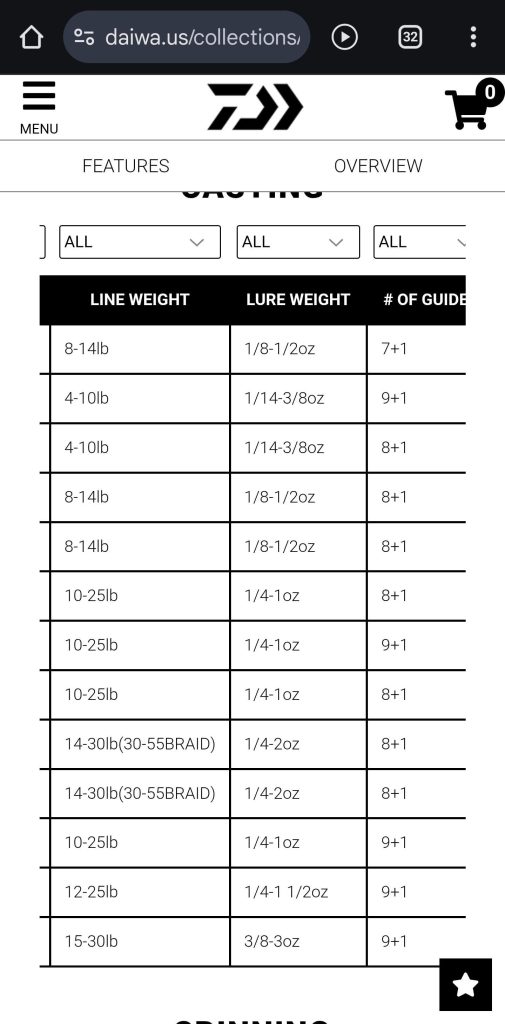
Fishing rods and reels have recommended line weights. These specs tell you the best line weight to use. Using the right weight keeps your gear safe and working well.
Look at the rod blank or reel spool for line weight limits. These numbers guide your line choice and improve your fishing setup.
- Rod specs often list minimum and maximum line weights
- Reels show line capacity for different weights
- Stick within these limits for best performance
Line Weight Limits
Each line weight has a breaking strength, shown in pounds or kilograms. Do not use line heavier than your rod can handle. Heavy line can damage the rod or reduce casting distance.
Using too light a line can cause the line to break when you catch big fish. Choose a line weight that matches your target fish and rod limits.
| Line Weight (lbs) | Typical Use | Rod Limit Example (lbs) |
|---|---|---|
| 4-8 | Small fish, light tackle | 4-8 |
| 8-12 | Medium fish, general use | 8-12 |
| 12-20 | Large fish, heavy tackle | 12-20 |
Balancing Line And Lure
Match the line weight to your lure size and weight. A heavy lure needs a stronger line. A light lure works best with a lighter line for better casting.
Balance helps your cast go farther and your lure move naturally in water. It also reduces line wear and improves hook sets.
- Use lighter lines for small, light lures
- Choose heavier lines for big, heavy lures
- Check lure package for recommended line weight
- Adjust line weight to improve casting and control
Credit: www.microskiff.com
Adjusting Line Weight For Conditions
Choosing the right fishing line weight helps you catch more fish. Different conditions need different line strengths.
Adjusting your line weight can improve casting, reduce breaks, and match the fish you want to catch.
Clear Vs. Murky Water
In clear water, use lighter line to avoid spooking fish. Fish can see thick lines easily.
In murky water, you can use heavier line. Fish rely more on feel than sight in these conditions.
- Clear water: 4-8 lb line
- Murky water: 8-15 lb line
Shore Vs. Boat Fishing
Shore fishing often needs lighter line for longer casts. You must reach farther distances.
Boat fishing allows heavier line. You can pull bigger fish closer without casting far.
- Shore fishing: 4-10 lb line
- Boat fishing: 10-20 lb line
Weather And Current Impact
Strong currents require heavier line to prevent drag and line breaks. Fish hold tight in fast water.
Calm weather and slow currents allow lighter line. You get better sensitivity and natural bait movement.
- Strong current: 10-20 lb line
- Calm water: 4-8 lb line
Common Mistakes To Avoid
Choosing the right fishing line weight is important for a good fishing experience. Many anglers make simple mistakes that affect their catch and gear.
Understanding these mistakes helps you pick the best line weight and avoid problems on the water.
Using Too Heavy Or Light Line
Using a fishing line that is too heavy can scare fish away. It also makes casting harder and may reduce bite sensitivity.
On the other hand, using a line that is too light can cause breakage. It may not handle bigger fish or rough conditions well.
- Heavy line reduces casting distance
- Light line risks snapping on big fish
- Match line weight to your target fish
- Check your rod’s recommended line weight
Ignoring Line Stretch
Some fishing lines stretch more than others. Stretch can lower your feel for bites and reduce hook-setting power.
Anglers often ignore this and use stretchier lines for all fishing types. This causes missed catches and weak hook sets.
- Monofilament lines stretch more
- Fluorocarbon lines have less stretch
- Braid lines stretch very little
- Choose line type based on fishing style
Neglecting Regular Line Inspection
Fishing line gets damaged over time from sun, water, and rough surfaces. Not checking it often leads to sudden breaks.
Ignoring small nicks or frays can ruin a fishing trip. Regular inspection and replacing worn line keeps you ready.
- Look for cuts, frays, and discoloration
- Replace line after heavy use or damage
- Check line after snagging or rough casts
- Keep your line fresh for best performance
Credit: mail.sadio.org.ar
Tips For Line Maintenance
Choosing the right fishing line weight is important for catching fish. Keeping your line in good shape helps it last longer.
Regular care stops breaks and keeps your fishing smooth. These tips help you take care of your fishing line.
Proper Storage Practices
Store fishing line in a cool, dry place to avoid damage. Keep it away from sunlight to stop weakening.
Use a spool or container to keep the line neat. This stops tangles and knots that can cause breaks.
- Keep line in a sealed container
- Avoid direct sunlight and heat
- Store away from chemicals and dirt
Replacing Old Line
Old fishing line gets weak and may snap easily. Change your line if it shows wear or looks faded.
Replace the line at least once a year or more if you fish often. Fresh line works better and keeps you ready.
- Check for cracks or frays
- Look for discoloration or stiffness
- Replace line before big fishing trips
Avoiding Line Damage
Handle your fishing line carefully to avoid cuts and tears. Sharp objects and rough surfaces can damage the line.
Use scissors or line cutters to trim the line. Do not pull the line too hard or drag it over rocks.
- Keep line away from sharp edges
- Use proper tools to cut the line
- Do not overload the line with heavy weight
Frequently Asked Questions
What Weight Fishing Line Is Best For Beginners?
For beginners, a 6-10 lb test line is ideal. It offers good strength and ease of handling. This range suits most freshwater fish and helps build confidence in casting and reeling.
How To Choose Fishing Line Weight For Different Fish?
Match line weight to fish size and species. Use lighter lines (2-6 lb) for small fish and heavier lines (15-30 lb) for large or strong fish. This ensures better control and reduces line breakage.
Does Water Type Affect Fishing Line Weight Choice?
Yes, clear water often requires lighter lines for stealth. Murky water allows heavier lines since visibility is low. Adjust your line weight to improve chances of catching fish based on water clarity.
Can Heavier Line Weight Improve Casting Distance?
Heavier lines may reduce casting distance due to added weight. Lighter lines generally cast farther and more smoothly. Choose line weight balancing casting distance and strength for your fishing needs.
Conclusion
Choosing the right fishing line weight is crucial. It impacts your success. A lighter line suits smaller fish. Heavier lines work for bigger catches. Consider your fishing location. Also, the type of fish matters. Use trial and error. Experience helps in selecting the perfect line.
Always check line condition. Replace it regularly. Practice makes perfect. With time, you’ll find the best fit. Happy fishing! Enjoy the adventure.