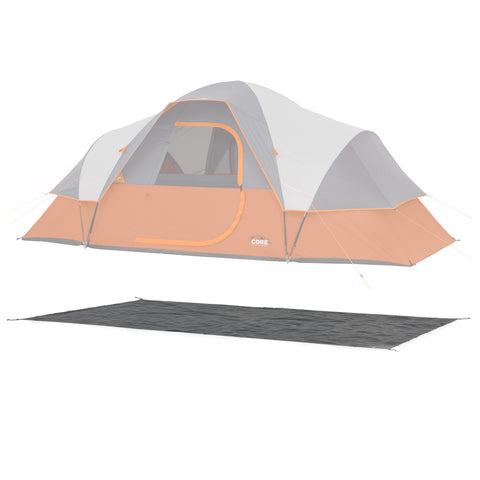
When you set up your tent, have you ever wondered what that extra piece of fabric lying beneath it is for? That’s called a footprint, and it could be the game-changer you didn’t know you needed.
Using a footprint can protect your tent floor, keep you dry, and even make packing up easier. If you want to learn how this simple addition can improve your camping experience, keep reading. By the end, you’ll know exactly why a footprint might become your new best camping companion.

Credit: www.reddit.com
Purpose Of A Tent Footprint
A tent footprint is a protective layer that goes under your tent. It acts as a shield between the ground and the tent floor. This helps in keeping the tent clean and safe from damage.
Using a footprint can make camping more comfortable and extend the life of your tent. It is a simple but useful piece of gear for any camper.
Protecting Tent Floor
The main job of a tent footprint is to protect the tent floor from rough ground. Rocks, sticks, and dirt can cause holes or tears. A footprint stops this damage before it happens.
- Prevents punctures and tears
- Keeps the bottom clean and dry
- Blocks moisture from wet ground
- Reduces wear and abrasion
Extending Tent Life
A footprint helps your tent last longer by lowering wear and tear. It keeps the tent floor from constant rubbing on rough surfaces. This means fewer repairs and replacements.
| Benefit | How It Helps |
| Protection | Stops damage to tent floor |
| Durability | Reduces fabric wear |
| Cost Savings | Less need to buy new tents |
Improving Comfort
A footprint adds a bit of cushion between you and the ground. It can make the tent floor feel softer and more even. This helps you sleep better and stay comfortable during your trip.
- Reduces cold from the ground
- Prevents dirt from coming inside
- Creates a smoother floor surface
Types Of Tent Footprints
A tent footprint is a groundsheet that goes under your tent. It protects the tent floor from dirt and damage.
There are different types of tent footprints. Each type fits different needs and tents.
Custom Footprints
Custom footprints are made to fit one specific tent model. They match the tent’s exact size and shape.
This fit helps protect the tent floor better. It also reduces extra material that could catch water or dirt.
Universal Footprints
Universal footprints are designed to fit many different tents. They come in standard shapes like rectangles or squares.
These footprints are useful if you have more than one tent. They offer good protection but may not fit perfectly.
- Fit multiple tent sizes
- Usually made from durable materials
- Less precise fit than custom footprints
Diy Footprints
DIY footprints are made by campers themselves. People use materials like old tarps or nylon fabric.
Making your own footprint can save money. It also lets you choose the exact size and material you want.
- Use old tarps, plastic sheets, or nylon
- Cut to match your tent’s floor
- Secure edges to prevent slipping
Materials Used For Footprints
A footprint is a protective layer placed under a tent. It stops the tent floor from touching rough ground. Footprints help keep the tent clean and dry.
Different materials are used to make footprints. Each material has its own benefits and uses. Let’s look at the common materials used for footprints.
Polyethylene
Polyethylene is a plastic material often used for footprints. It is strong and water-resistant. It protects the tent floor from sharp rocks and sticks.
This material is lightweight and easy to carry. Polyethylene footprints are usually less expensive than others. They work well for short camping trips.
Silicone-coated Fabrics
Silicone-coated fabrics are made by adding silicone to nylon or polyester. This makes the fabric strong and waterproof. It also adds some stretch and durability.
These footprints are lighter than polyethylene but still very tough. They handle rough ground and wet conditions well. Silicone coating helps resist tears and abrasions.
Nylon And Polyester
Nylon and polyester are common fabrics for footprints. They are lightweight and dry quickly. These fabrics often have a waterproof coating to keep moisture out.
Both materials resist wear and tear from rough surfaces. Nylon is usually stronger, but polyester handles sunlight better. Campers choose based on their needs and conditions.
Credit: www.cleverhiker.com
Choosing The Right Footprint
A footprint is a groundsheet placed under your tent. It protects the tent floor from damage and dirt. Choosing the right footprint helps keep your tent safe and dry.
Not all footprints fit every tent. You need to pick one that matches your tent size, weight needs, and durability needs.
Matching Tent Size
The footprint should cover the exact floor area of your tent. If it is too small, the tent floor may get damaged. Too large footprints can collect water under the tent.
Check the tent’s floor dimensions before buying a footprint. Some footprints are made to fit specific tent models.
- Measure your tent floor size carefully
- Pick a footprint with the same or slightly smaller size
- A footprint larger than the tent can cause water pooling
Weight Considerations
If you carry your tent while hiking or camping, weight matters. Choose a footprint that is light but still protective. Heavy footprints add extra load to your pack.
Some materials are lightweight and pack small. These are good for backpackers. Thicker, heavier footprints are better for car camping.
- Backpackers should pick lightweight footprints
- Car campers can choose heavier, thicker footprints
- Consider how much weight you want to carry
Durability Needs
Durability depends on how rough the ground is where you camp. Rocky or sharp areas need strong footprints to protect your tent floor. Soft ground may allow thinner footprints.
Look for footprints made from tough materials like ripstop nylon or polyester. These last longer and resist tears better.
- Choose strong material for rough or rocky ground
- Thinner material works well on soft, smooth ground
- Durable footprints protect your tent floor from damage
Setting Up A Footprint
A footprint is a protective layer placed under your tent. It helps keep moisture and dirt away. Setting it up correctly can extend your tent’s life.
Follow these tips to place, secure, and avoid mistakes with your footprint. This will make camping cleaner and more comfortable.
Placement Tips
Choose a flat, clean area to place your footprint. Remove sharp stones and sticks that can damage it. Make sure the footprint is slightly smaller than your tent floor.
- Pick level ground free of debris
- Lay the footprint flat without wrinkles
- Keep it inside the tent perimeter
- Ensure drainage slopes away from the tent
Securing The Footprint
Use the tent’s attachment points to secure the footprint. This prevents it from shifting in the wind or underfoot. Tuck edges under tent walls to stop water pooling.
| Method | Purpose |
|---|---|
| Attach corners to tent clips | Prevents movement |
| Use tent stakes on footprint tabs | Keeps footprint tight |
| Fold edges under tent | Stops water from pooling |
Avoiding Common Mistakes
Do not let the footprint stick out beyond the tent edges. This can cause water to collect under the tent. Avoid placing the footprint on rough surfaces that can cause tears.
- Do not fold the footprint under the tent floor
- Avoid sharp objects under the footprint
- Do not use a footprint larger than your tent base
- Keep the footprint clean to prevent damage

Credit: www.reddit.com
Benefits Beyond Protection
A footprint is a layer placed under a tent. It adds extra benefits besides just protecting the tent floor.
These benefits help campers have a more comfortable and clean outdoor experience.
Improved Insulation
A footprint adds a barrier between the cold ground and your tent floor. This helps keep warmth inside the tent.
It reduces heat loss and makes sleeping in the tent warmer during cool nights.
Easier Cleanup
- The footprint catches dirt and mud before it reaches the tent floor.
- It keeps the tent cleaner and makes packing easier after camping.
- Cleaning the footprint is simpler than cleaning the whole tent.
Enhanced Stability
| Benefit | Description |
|---|---|
| Traction | Footprint grips the ground better to stop tent from sliding. |
| Even Surface | Helps level small bumps under the tent for stable setup. |
| Protection | Prevents small holes or tears that may cause instability. |
Maintaining And Caring For Footprints
A footprint protects the bottom of your tent from dirt and damage. It helps keep your tent clean and dry. Caring for your footprint extends its life and improves your camping experience.
Proper maintenance includes cleaning, storing, and repairing the footprint. These steps keep it in good condition for many trips.
Cleaning Methods
Clean your footprint after each use. Dirt, mud, and debris can cause damage if left on the fabric. Use gentle cleaning methods to avoid harm.
- Shake off loose dirt and debris.
- Use a soft brush or sponge with mild soap and cold water.
- Rinse thoroughly to remove all soap.
- Let it air dry completely before storing.
- Avoid using harsh chemicals or machine washing.
Storage Tips
Store your footprint in a cool, dry place away from sunlight. Proper storage prevents mold, mildew, and fabric damage.
| Storage Tip | Reason |
| Keep it dry | Prevents mold and mildew |
| Fold loosely | Avoids creases and fabric wear |
| Store in a breathable bag | Allows air circulation |
| Away from direct sunlight | Stops fabric fading and weakening |
Repairing Tears
Tears in your footprint reduce its protection. Fix small holes quickly to avoid bigger problems. Use patch kits made for tent fabrics.
Repair Tips:
- Clean and dry the torn area.
- Cut a patch slightly larger than the tear.
- Apply adhesive to the patch and fabric.
- Press firmly and let it dry as instructed.
- Check the repair before your next trip.
Frequently Asked Questions
What Is The Purpose Of A Tent Footprint?
A tent footprint protects the tent floor from abrasion and moisture. It extends the tent’s life and adds comfort. It acts as a barrier between the ground and the tent, preventing damage from rocks and dirt. This makes camping more enjoyable and hassle-free.
How Does A Footprint Improve Tent Durability?
A footprint reduces wear and tear on the tent floor. It shields against sharp objects and rough surfaces. This prevents holes and tears, extending the tent’s usability. Using a footprint also keeps the tent clean and dry, enhancing its lifespan.
Can A Footprint Enhance Camping Comfort?
Yes, a footprint adds an extra layer of cushioning under the tent. It offers insulation from cold, damp ground. This helps maintain warmth and dryness inside the tent. Campers enjoy a more comfortable and restful night’s sleep.
Is A Footprint Necessary For All Tents?
A footprint is not mandatory but highly recommended. It is especially useful in rough or wet terrains. Lightweight tents may benefit greatly from added protection. Investing in a footprint can prevent costly tent damage and improve camping experience.
Conclusion
Choosing the right tent footprint is crucial. It protects your tent’s base. Extends its lifespan. Also enhances your camping experience. A good footprint acts as a barrier. Keeps moisture out. Prevents wear and tear. It’s lightweight and easy to pack.
Choosing the correct size matters. Ensures a snug fit beneath your tent. Don’t skip this essential camping gear. It saves you money in the long run. Makes camping trips more enjoyable. Invest wisely in a quality footprint. Your tent, and your adventures, will benefit greatly.