Wearing a bike helmet is one of the smartest things you can do to protect yourself on the road. But if your helmet doesn’t fit right, it won’t keep you safe when it matters most.
You might think it’s as simple as putting it on, but the truth is, a helmet that fits perfectly feels comfortable and stays in place, giving you real protection. In this guide, you’ll learn exactly how to fit a bike helmet so it feels like it was made just for you.
Keep reading to discover the easy steps that make a huge difference in your safety every time you ride.

Credit: ibikesafe.org
Choosing The Right Helmet Size
Wearing a bike helmet is important for safety. A helmet that fits well protects your head better.
Choosing the right size helps you stay comfortable and safe while riding your bike.
Measuring Your Head
To find your helmet size, measure your head with a tape measure. Place it above your eyebrows and ears.
Wrap the tape around your head until it meets. Note the number in centimeters or inches.
Helmet Size Charts
Use a helmet size chart to match your head measurement to a helmet size. Sizes usually go from small to extra large.
| Helmet Size | Head Circumference (cm) | Head Circumference (inches) |
|---|---|---|
| Small (S) | 52 – 56 | 20.5 – 22 |
| Medium (M) | 56 – 58 | 22 – 22.8 |
| Large (L) | 58 – 61 | 22.8 – 24 |
| Extra Large (XL) | 61 – 64 | 24 – 25.2 |
Trying Different Sizes
Try on several helmets near your size. The helmet should feel snug but not too tight.
Check if the helmet sits level on your head and does not move when you shake your head.
- Adjust the straps so they fit comfortably under your chin
- Make sure the helmet covers your forehead
- Test by moving your head side to side and up and down
Adjusting Helmet Position
Fitting a bike helmet correctly keeps you safe on the road. The helmet must sit right on your head.
This guide helps you adjust your helmet’s position for the best fit and protection.
Proper Helmet Placement
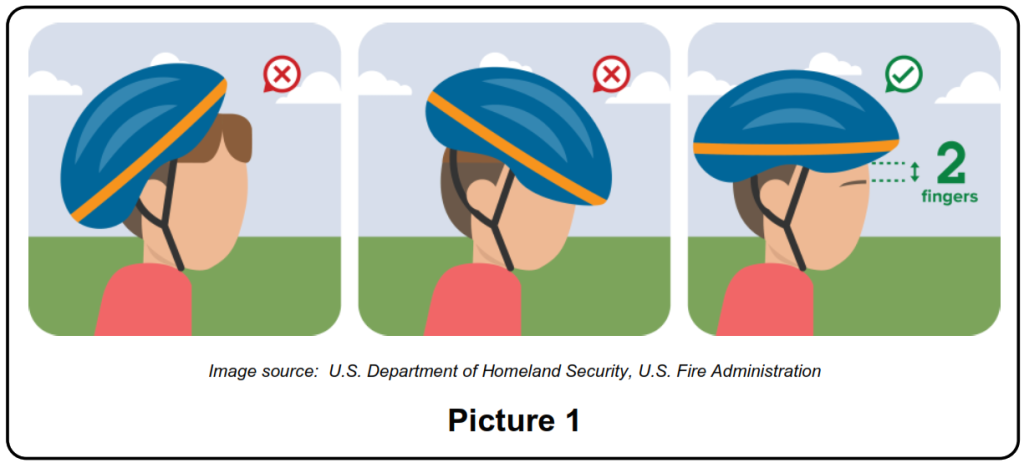
Place the helmet so it covers your head evenly. The front should sit low, just above your eyebrows.
The helmet should not tilt back or forward. It must feel snug but not tight.
- Center the helmet on your head
- Check that it does not move side to side
- Adjust straps to keep it secure
Aligning With Your Forehead
The front edge of the helmet should sit about one inch above your eyebrows. This protects your forehead well.
Make sure the helmet does not tilt back, exposing your forehead. This alignment helps absorb impact safely.
- Look straight ahead in a mirror
- Adjust the helmet so the front is level
- Use the dial or straps to keep it from moving
Securing The Straps
Fitting a bike helmet properly is important for safety. Securing the straps keeps the helmet in place during a ride.
Follow these steps to make sure your helmet straps are tight and comfortable.
Buckling The Chin Strap
Start by closing the chin strap buckle under your chin. It should click securely.
The strap should rest flat against your skin. Avoid twisting or folding the strap.
Adjusting Side Straps
Side straps form a “Y” shape below your ears. Move the sliders up or down to position the “Y” just under your earlobes.
Make sure both sides are even. Uneven straps can reduce helmet stability.
- Slide the adjusters to align straps below ears
- Check that straps lie flat without twists
- Adjust both sides equally for balance
Ensuring A Snug Fit
Tighten the chin strap until it fits snugly. You should be able to open your mouth wide without discomfort.
The helmet should not move side to side or front to back. If it does, adjust the straps or helmet position.
- Straps should hold helmet firmly without pain
- Test fit by shaking your head gently
- Make small adjustments for comfort and security
Checking Helmet Fit
Fitting a bike helmet properly is important for safety. A helmet that fits well protects your head better in crashes.
Check the helmet fit before every ride. Make sure it feels secure and comfortable on your head.
Performing The Shake Test
The shake test helps you check if the helmet stays in place. Put the helmet on and fasten the straps.
Try shaking your head gently from side to side and up and down. The helmet should not move much.
- If the helmet slides or moves easily, adjust the straps or size.
- A good fit means the helmet stays steady during movement.
- Repeat the test after each adjustment until it feels secure.
Comfort And Pressure Points
A helmet should feel snug but not tight. Check for any spots that feel uncomfortable or press too hard.
Wear the helmet for a few minutes. Notice if any part causes pain or leaves marks on your skin.
- Adjust the inner padding to reduce pressure points.
- Make sure the helmet sits level on your head.
- Straps should be tight enough to hold the helmet but not pinch your skin.
Helmet Maintenance Tips
Keeping your bike helmet in good shape protects your head better. Proper care helps your helmet last longer and stay safe.
Follow simple steps to clean, check, and know when to replace your helmet. This guide covers key tips for helmet maintenance.
Cleaning Your Helmet
Clean your helmet regularly to remove dirt and sweat. Use mild soap and water with a soft cloth or sponge. Avoid strong chemicals or solvents.
- Remove the inner pads if possible and wash them separately.
- Wipe the shell gently with a damp cloth.
- Let the helmet air dry away from direct sunlight.
Inspecting For Damage
Check your helmet for cracks, dents, or worn straps before each ride. Damage can reduce protection and make the helmet unsafe.
- Look over the outer shell for cracks or deep scratches.
- Check the foam lining for dents or compression marks.
- Test straps and buckles to ensure they fasten securely.
- Replace any parts that look worn or broken.
Replacing Old Helmets
Helmets lose strength over time. Replace your helmet every few years or after a crash. An old helmet may not protect well.
| Helmet Age | Recommended Action |
| Less than 5 years | Inspect regularly, replace if damaged |
| 5 to 7 years | Consider replacing even without damage |
| More than 7 years | Replace to ensure safety |

Credit: www.safetyandhealthmagazine.com
Safety Standards And Certifications
Bicycle helmets protect your head during accidents. Safety standards ensure helmets meet strict rules for impact protection. Certifications show the helmet passed important tests.
Knowing these standards helps you pick a helmet that keeps you safe. Look for labels and marks that prove quality and safety.
Common Helmet Certifications
Helmet certifications vary by region. They test how well the helmet absorbs shocks and protects your head. Some common certifications include:
- CPSC (Consumer Product Safety Commission)– Used in the United States. Tests impact resistance and strap strength.
- EN 1078– European standard. Checks protection, retention system, and field of vision.
- ASTM F1447– Another US standard focusing on impact and retention testing.
- Snell B90/B95– Independent organization with strict testing for bicycle helmets.
What To Look For
Always check for a certification sticker inside the helmet. This confirms the helmet meets safety rules. Also, look at the fit and comfort to ensure proper protection.
| Feature | What to Check |
| Certification Label | Look for CPSC, EN 1078, ASTM, or Snell marks |
| Helmet Fit | Helmet should fit snugly without moving side to side |
| Strap Adjustment | Straps must fasten securely and feel comfortable |
| Padding | Check for soft, removable padding for comfort and hygiene |
| Condition | Helmet should be free from cracks or damage |

Credit: www.portland.gov
Frequently Asked Questions
How Tight Should A Bike Helmet Fit?
A bike helmet should fit snugly without causing discomfort. It must sit level on your head and not move when you shake your head. Adjust the straps and the interior fit system to achieve a secure, comfortable fit that won’t shift during a ride.
Where Should The Bike Helmet Sit On My Head?
The bike helmet should sit low on your forehead, about one to two finger-widths above your eyebrows. This position protects the frontal bone and ensures maximum safety. Avoid tilting the helmet backward or forward to maintain proper coverage and impact absorption.
How Do I Adjust Bike Helmet Straps Correctly?
Strap adjustment is crucial for safety and comfort. The side straps should form a “V” shape under your ears. Buckle the chin strap snugly, allowing only one or two fingers to fit between the strap and your chin for a secure fit.
Can I Wear A Bike Helmet With Glasses?
Yes, you can wear a bike helmet with glasses. Choose helmets with adjustable straps and ample space around the ears. Make sure the helmet does not press the glasses against your head or cause discomfort during the ride.
Conclusion
Fitting a bike helmet is crucial for safety. It ensures protection during rides. Always adjust the straps snugly. The helmet should sit level on your head. Not too far back or forward. Check for comfort and visibility. A well-fitted helmet reduces injury risks.
Follow these steps for a perfect fit. Safety first, every time you ride. Double-check before each trip. Encourage others to wear helmets too. Protect yourself and enjoy your cycling adventures. Remember, a good fit can save lives. Keep riding safe and smart!