
Are you tired of sneezing, itchy eyes, and constant sniffles inside your own home? You might wonder if your air conditioner could be part of the solution.
Can an air conditioner actually help with allergies and give you the relief you crave? Understanding how your AC affects the air you breathe is key to making your living space a safe haven. Keep reading to discover how your air conditioner could reduce allergens and what steps you can take to breathe easier every day.
Air Conditioners And Allergy Relief
Air conditioners can change the air inside your home. They help keep the air cool and dry.
This can make it easier for people with allergies to breathe better indoors.
How Air Conditioners Affect Indoor Air
Air conditioners remove heat and moisture from the air. This lowers the humidity inside.
Lower humidity means less mold and dust mites. These two cause many allergy problems.
- Cooler air slows the growth of mold spores
- Dry air reduces dust mite populations
- Filters can trap dust and pollen
- Circulation helps remove stale air
Common Allergens Targeted By Ac Units
Air conditioners can help reduce many common allergens inside your home.
| Allergen | How AC Helps |
| Dust Mites | Low humidity slows their growth |
| Pollen | Filters trap pollen before it enters |
| Mold Spores | Cool, dry air limits mold growth |
| Pet Dander | Filters reduce airborne particles |
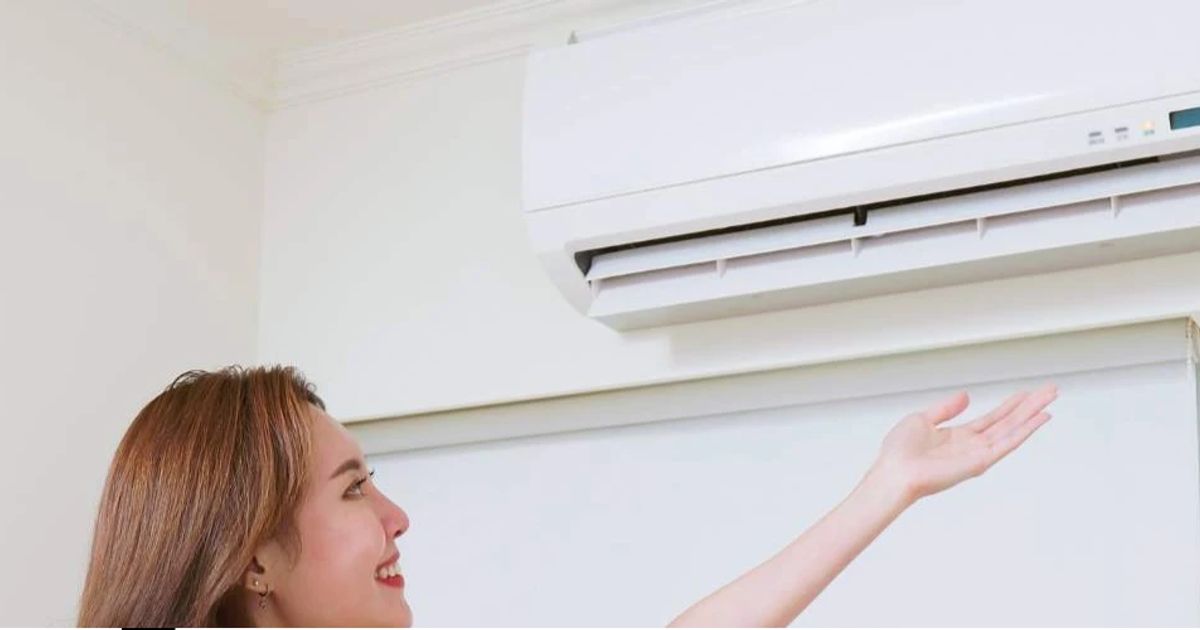
Credit: www.tataneu.com
Benefits Of Using Air Conditioners For Allergies
Air conditioners help improve indoor air quality. They reduce allergens that cause discomfort.
Using air conditioners can make your home more comfortable for allergy sufferers. They limit exposure to outside irritants.
Reducing Pollen And Dust Indoors
Air conditioners keep windows closed and filter the air. This stops pollen and dust from entering the home.
With less pollen and dust inside, allergy symptoms can decrease. It lowers sneezing and itchy eyes.
Controlling Humidity Levels
Air conditioners reduce indoor humidity. Lower humidity stops mold and dust mites from growing.
Dryer air means fewer allergy triggers. It helps people breathe easier and feel better.
Filtering Airborne Particles
Air conditioners use filters to catch small particles. These include pollen, dust, and pet dander.
Clean filters improve air quality. They reduce the number of allergens floating in the air.
- Regular filter changes keep the system effective
- High-efficiency filters capture more allergens
- Filtered air reduces allergy flare-ups
Limitations Of Air Conditioners In Allergy Control
Air conditioners can cool your home and reduce humidity. They may help lower some allergens in the air. Still, they have limits in controlling allergies fully.
It is important to know the risks and care needed with air conditioners. This helps avoid making allergies worse.
Potential Mold Growth Risks
Air conditioners can cause mold to grow if not cleaned well. Mold thrives in damp places inside the unit or ducts. Mold spores in the air cause allergy problems.
- Mold can grow on wet filters and drip pans.
- Leaky or blocked drainage increases moisture.
- Dirty coils hold moisture and support mold.
- High humidity inside the unit helps mold spread.
Filter Maintenance Challenges
Filters stop dust and allergens but need cleaning or changing. Poor filter care reduces air quality and can worsen allergies.
| Maintenance Task | Frequency | Reason |
| Cleaning reusable filters | Every 1-2 months | Remove trapped dust and allergens |
| Replacing disposable filters | Every 3 months | Keep air flow clean and fresh |
| Checking air ducts | Yearly | Prevent dust build-up and mold |
| Inspecting drip pans | Monthly | Avoid standing water and mold growth |
Effect On Air Quality Without Proper Care
If air conditioners are not cared for, they may lower air quality. Dust, pollen, and mold can spread inside your home. This can trigger allergies and breathing problems.
Signs of poor air quality from AC units include:
- Musty odors inside the room
- Increased sneezing or coughing
- Visible dust on vents and filters
- Frequent allergy flare-ups
Choosing The Right Air Conditioner
Air conditioners can help reduce allergy symptoms by filtering dust and pollen. Choosing the right unit matters for better air quality.
Not all air conditioners work well for allergies. Look for features that improve air cleaning and comfort.
Features To Look For In Allergy-friendly Units
Choose air conditioners with good air filters that trap allergens. Units with adjustable fan speeds help control airflow.
Look for models that have easy-to-clean filters. This helps keep the unit free of dust buildup.
- High-efficiency filters that capture pollen, dust, and pet dander
- Energy-efficient cooling to maintain comfortable room temperature
- Quiet operation to avoid disturbing sleep
- Dehumidification features to reduce mold growth
- Easy filter access for regular cleaning or replacement
Hepa And Other Air Filters Explained
HEPA filters capture tiny particles like pollen and dust mites. They remove 99.97% of particles sized 0.3 microns or larger.
Other filters include carbon filters and electrostatic filters. Carbon filters reduce odors, while electrostatic filters attract dust.
- HEPA filters:Best for allergy relief by trapping tiny allergens
- Carbon filters:Help remove smells and some gases
- Electrostatic filters:Use static electricity to catch dust
- Washable filters:Easy to clean but less effective for tiny particles
Effective Tips For Allergy Relief With Ac
Air conditioners can help reduce allergy symptoms by cleaning the air. They remove dust, pollen, and other allergens from your home.
Using your AC properly helps keep your indoor air fresh and safe for allergy sufferers.
Regular Cleaning And Filter Replacement
Cleaning your air conditioner is important to stop allergens from building up. Dirty filters let dust and pollen back into the air.
Change or clean filters every 1 to 3 months. This keeps the air clean and improves AC efficiency.
- Turn off the AC before cleaning
- Remove and wash reusable filters
- Replace disposable filters on time
- Check vents for dust and wipe clean
Maintaining Optimal Humidity
Keeping humidity between 30% and 50% reduces mold and dust mites. These can trigger allergies.
Use your AC’s dehumidifier setting or add a separate dehumidifier to keep moisture low.
- Check humidity with a hygrometer
- Use AC to lower indoor humidity
- Fix leaks to prevent damp areas
- Ventilate rooms after showers or cooking
Using Complementary Air Purifiers
Air purifiers work well with AC to remove tiny allergens. They catch particles the AC filter might miss.
Choose a purifier with a HEPA filter for best allergy protection.
- Place purifiers in bedrooms and living areas
- Run purifiers continuously during allergy season
- Clean or replace purifier filters regularly
- Use quiet models for better sleep

Credit: acs-installations.co.uk
Additional Strategies To Reduce Allergens Indoors
Reducing allergens inside your home helps you breathe easier. Using an air conditioner is good, but other methods work well too.
These strategies can lower dust, pet dander, and other allergy triggers in your living space.
Vacuuming And Dust Control
Regular vacuuming removes dust and allergens from floors and furniture. Use a vacuum with a HEPA filter for best results.
- Vacuum carpets and rugs at least twice a week
- Use a damp cloth to wipe surfaces and reduce dust
- Wash bedding weekly in hot water
- Keep clutter to a minimum to avoid dust traps
Managing Pet Allergens
Pets can spread dander that causes allergies. Keeping pets clean and limiting their access helps reduce allergens.
| Action | Benefit |
| Brush pets outdoors | Reduces dander inside |
| Bathe pets regularly | Keeps allergens low |
| Keep pets out of bedrooms | Limits allergen exposure while sleeping |
| Use washable pet beds | Easier to clean and reduce allergens |
Ventilation And Airflow Tips
Good airflow helps move allergens out of your home. Use windows and fans to improve ventilation safely.
- Open windows on dry, low-pollen days
- Use exhaust fans in kitchens and bathrooms
- Keep air filters clean in your HVAC system
- Consider using an air purifier with a HEPA filter

Credit: acs-installations.co.uk
Frequently Asked Questions
Does An Air Conditioner Reduce Indoor Allergens?
Yes, air conditioners filter and reduce dust, pollen, and mold spores indoors. They improve air quality by circulating clean, cooled air.
Can Air Conditioning Worsen Allergies?
If not maintained, air conditioners can harbor mold and bacteria. Regular cleaning prevents allergens from spreading and worsening symptoms.
How Often Should Ac Filters Be Changed For Allergies?
Change AC filters every 1-3 months during allergy season. Clean filters effectively trap allergens and improve air quality.
Do Air Conditioners Remove Pet Dander From The Air?
Air conditioners can reduce pet dander by filtering airborne particles. However, frequent cleaning and vacuuming are also essential to control dander.
Conclusion
Air conditioners can help reduce allergy symptoms. They filter out pollen and dust. Clean air means fewer allergens indoors. Regular maintenance ensures optimal performance. Change filters frequently for best results. Choose an air conditioner with a good filter. It keeps the air fresh and clean.
Remember, air conditioners are just one tool. Combine with other allergy management strategies. Consult with a healthcare professional for personalized advice. Stay comfortable and breathe easy.