Imagine you’re on a road trip, and suddenly you notice your car tire is low on air. What do you do?
You don’t want to wait for help or waste time searching for a gas station. This is where a portable air pump becomes your best friend. Knowing how to use a portable air pump for car tires can save you from stress and keep your journey smooth.
You’ll learn simple, step-by-step tips to quickly and safely inflate your tires anytime, anywhere. Keep reading to take control of your car’s tire pressure and drive with confidence.

Credit: www.amazon.ca
Choosing The Right Portable Air Pump
Using a portable air pump makes it easy to inflate your car tires. Picking the right pump helps you save time and effort.
There are many types of pumps with different features. Knowing what to look for helps you find the best one for your needs.
Types Of Portable Air Pumps
There are three main types of portable air pumps. Each type works in a different way to fill your tires.
- Manual Pumps:Hand or foot-powered pumps. They are small but take more effort.
- Electric Pumps:Run on battery or car power. They fill tires faster and with less work.
- CO2 Inflators:Use compressed gas cartridges. They are quick but need refills.
Key Features To Look For
Choose a pump with features that match your needs. Check how easy it is to use and carry.
- Pressure Gauge:Shows tire pressure for accurate inflation.
- Auto Shut-Off:Stops pumping when desired pressure is reached.
- Size and Weight:Small and light pumps are easier to carry.
- Hose Length:Longer hoses reach all tire valves easily.
- Durability:Strong materials last longer and handle rough use.
Battery Vs. Corded Models
Battery-powered pumps work without a power outlet. They are good for road trips and emergencies.
Corded pumps plug into your car’s power socket. They provide constant power but need the car nearby.
- Battery Pumps:Portable, no cords, limited by battery life.
- Corded Pumps:No battery worries, rely on car power, may limit movement.
Preparing Your Car And Pump
Using a portable air pump for your car tires is simple and helps keep your tires safe. Before starting, you need to prepare your car and the pump correctly.
Proper preparation saves time and ensures the pump works well. Follow these steps to get ready.
Checking Tire Pressure Requirements
Find the recommended tire pressure for your car. You can see this information on the driver’s side door frame or in the owner’s manual.
| Location | Information Found |
| Driver’s Door Frame | Recommended tire pressure for front and rear tires |
| Owner’s Manual | Details about tire care and pressure limits |
| Tire Sidewall | Maximum tire pressure allowed |
Gathering Necessary Tools
Before inflating your tires, gather all tools needed. This makes the process quick and safe.
- Portable air pump with power source
- Tire pressure gauge
- Car owner’s manual for reference
- Gloves for hand protection
- Flashlight if working in low light
Inspecting The Pump Before Use
Check the pump carefully before use. Look for damages or loose parts that could cause problems.
- Ensure the power cord and plugs are not damaged
- Check the hose for cracks or leaks
- Confirm the pressure gauge works and is not broken
- Test the pump briefly to see if it powers on
- Read the instruction manual for specific pump details
Step-by-step Inflation Process
Using a portable air pump for car tires is easy and quick. Follow simple steps to inflate your tires safely.
This guide shows how to connect the pump, set pressure, and operate it properly.
Connecting The Pump To The Tire Valve
First, find the tire valve on your car’s wheel. Remove the valve cap by turning it counterclockwise.
Attach the pump’s nozzle to the tire valve. Press it firmly to avoid air leaks.
- Check that the nozzle fits the valve tightly
- Listen for any hissing sounds that show leaks
- Secure the nozzle by locking it if the pump has a lever
Setting The Desired Pressure
Look at the recommended tire pressure for your car. This information is on the driver’s door or in the manual.
Set the pump to this pressure using the pressure gauge or digital display. This keeps your tires safe and efficient.
- Use the unit shown on your pump (PSI, BAR, or kPa)
- Adjust the pressure setting before turning on the pump
- Double-check the setting to avoid overinflation
Operating The Pump Safely
Turn on the pump and watch the pressure gauge. Stop the pump once the desired pressure is reached.
Remove the nozzle carefully from the tire valve. Replace the valve cap to keep dirt out.
- Keep the pump steady during inflation
- Do not leave the pump running unattended
- Check tire pressure again with a separate gauge if possible
- Store the pump and accessories properly after use

Credit: www.amazon.ca
After Inflation Tips
Using a portable air pump for car tires is easy, but proper steps after inflation matter. These tips help keep your tires safe and your pump ready for next time.
Follow these simple guidelines to check your work and store your tools correctly. Regular care makes your pump last longer.
Verifying Tire Pressure Accuracy
After inflating your tires, check the pressure to be sure it matches the recommended level. Use a reliable tire pressure gauge for accuracy.
- Remove the pump nozzle from the tire valve.
- Press the tire pressure gauge firmly onto the valve stem.
- Read the pressure level shown on the gauge.
- Compare it to your car’s recommended tire pressure.
- If needed, add or release air to reach the correct pressure.
Disconnecting And Storing The Pump
Properly disconnect the pump and store it to avoid damage and keep it ready for next use.
- Turn off the pump and unplug it if it’s electric.
- Remove the air hose from the tire valve carefully.
- Wrap the hose neatly around the pump body.
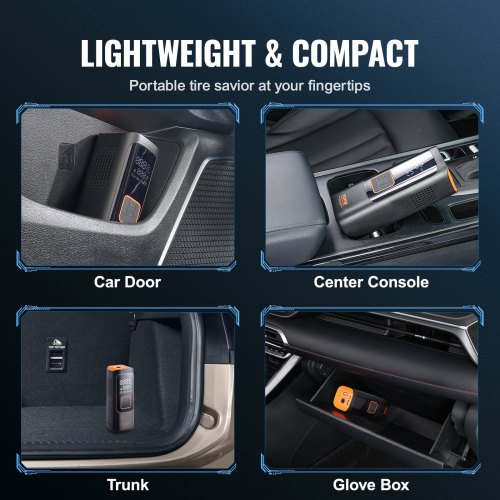
- Store the pump in a dry, cool place inside your vehicle.
- Keep the user manual and accessories together for easy access.
Regular Maintenance For Longevity
Maintaining your portable air pump helps it work well for a long time. Check parts and clean it regularly.
| Maintenance Task | Frequency | Details |
| Clean Air Filter | Monthly | Remove dust and dirt from the filter to keep air flow clear. |
| Inspect Hose | Before Each Use | Check for cracks or leaks that could reduce pump efficiency. |
| Check Power Cord | Monthly | Look for damage or wear, especially if electric. |
| Lubricate Moving Parts | Every 6 Months | Apply light oil to keep mechanical parts smooth. |
| Store Properly | Always | Keep pump in a dry and cool place to prevent rust and damage. |
Troubleshooting Common Issues
Using a portable air pump for car tires is easy, but problems can happen. Knowing how to fix common issues saves time and effort.
This guide covers three common problems: the pump not turning on, air leakage, and wrong pressure readings.
Pump Not Turning On
If your pump does not start, check the power source first. Make sure the battery is charged or the power cord is plugged in.
Also, inspect the fuse and switch. Replace the fuse if it is blown. If the switch is damaged, it may need repair or replacement.
- Check battery charge or power connection
- Inspect and replace blown fuse
- Test the on/off switch for damage
- Ensure the pump is properly connected to the tire valve
Air Leakage Problems
Air leaks cause the tire to lose pressure quickly. Check the valve stem and pump hose for any cracks or holes.
Make sure the pump nozzle fits tightly on the tire valve. Loose connections let air escape during inflation.
- Inspect valve stem for damage or dirt
- Check pump hose and nozzle for cracks
- Secure the nozzle firmly on the valve
- Replace worn or damaged parts as needed
Inaccurate Pressure Readings
Wrong pressure readings can cause over or under inflation. Clean the pressure gauge to remove dust and dirt.
Check if the gauge is damaged or loose. Use a separate tire pressure gauge to compare readings and confirm accuracy.
- Clean the pressure gauge regularly
- Test gauge against a trusted pressure meter
- Replace the gauge if it shows wrong readings
- Ensure the gauge is tightly connected during use
Credit: www.vevor.ca
Safety Precautions
Using a portable air pump for car tires is helpful. It keeps your tires at the right pressure. This helps your car run safely and smoothly.
Before using the pump, you must follow safety rules. These rules protect you and your car from damage.
Avoiding Overinflation
Overinflating tires can cause them to burst. It also makes driving unsafe. Check the tire pressure often to avoid this.
Use the pump’s pressure gauge to stop at the right level. Do not guess the pressure. Follow the car manual’s tire pressure guide.
- Know the recommended tire pressure for your car.
- Stop pumping when the gauge shows the correct pressure.
- Do not add air if pressure is already high.
- Check tires regularly to keep the right pressure.
Handling Electrical Components
Portable air pumps use electricity from your car or battery. Handle plugs and cords with care. Avoid water near electrical parts.
Turn off the pump before unplugging it. Do not use damaged cords or plugs. Keep the pump dry and clean to prevent shocks or fire.
- Check cords for cuts or damage before use.
- Plug the pump into the correct power source.
- Keep electrical parts away from water and moisture.
- Turn off the pump before disconnecting it.
Using The Pump In Different Weather Conditions
Weather affects how you use a portable air pump. Avoid using it in heavy rain or snow. Wet conditions can cause electric shock or damage.
In cold weather, tire pressure may drop. Check pressure more often. In hot weather, tires can overinflate, so watch the gauge closely.
- Do not use the pump in heavy rain or snow.
- Keep the pump dry and sheltered during use.
- Check tire pressure more in cold weather.
- Watch the gauge carefully in hot weather.
Frequently Asked Questions
How Do I Connect A Portable Air Pump To Car Tires?
To connect, attach the pump nozzle to the tire valve firmly. Ensure a secure fit to prevent air leaks. Turn on the pump to start inflating your tire safely and efficiently.
Can I Use A Portable Air Pump On All Tire Types?
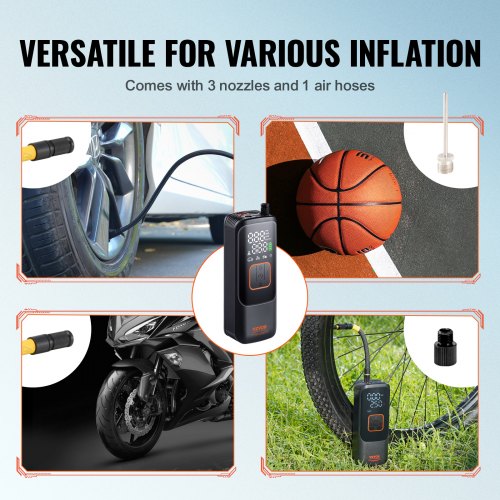
Yes, most portable air pumps work on standard car, bike, and motorcycle tires. Always check the pump’s compatibility and tire pressure specifications before use.
How Long Does It Take To Inflate A Car Tire?
Inflation time varies by pump power and tire size. Typically, it takes 3-7 minutes to reach the recommended tire pressure safely.
What Is The Ideal Tire Pressure For Cars?
Check your vehicle’s manual or tire sidewall for recommended pressure. Usually, it ranges between 30-35 PSI for most passenger cars.
Conclusion
Using a portable air pump for car tires is easy and practical. It saves time and effort. Always check your tire pressure regularly. Keep the pump handy in your car trunk. Follow the manufacturer’s instructions for best results. Ensuring proper tire pressure boosts safety and fuel efficiency.
It’s a simple task that enhances driving performance. Anyone can do it with minimal tools. Portable air pumps are a helpful addition to any vehicle. Stay prepared and enjoy smoother rides. Happy driving!