Are you curious about how many amps your air conditioner uses? Understanding this can help you save money, avoid electrical problems, and keep your home cool without surprises.
Whether you’re buying a new unit or just want to know more about your current one, knowing the amps is key. You’ll discover exactly how to figure out your air conditioner’s amp draw and why it matters for your safety and budget.
Keep reading to make smarter choices for your home’s comfort and electricity!

Credit: www.microair.net
Air Conditioner Power Basics
An ampmeasures the flow of electric current in a wire. It shows how much electricity an appliance uses. For an air conditioner, amps tell us how strong the power need is. Knowing amps helps pick the right wire and breaker size to keep things safe.
Watts, volts, and amps are linked. Watts show the total power an air conditioner uses. Volts are the force that pushes the electricity. Amps measure the amount of electricity flowing.
| Term | Meaning | Example |
|---|---|---|
| Watts (W) | Total power used | 1500 W air conditioner |
| Volts (V) | Electric force | 120 V household supply |
| Amps (A) | Electric current flow | 12.5 A current |
The formula to find amps is Amps = Watts ÷ Volts. For example, a 1500-watt unit on 120 volts uses about 12.5 amps. This helps understand how much current the air conditioner needs to run safely.
Credit: www.homedepot.com
Typical Amp Usage By Air Conditioner Type
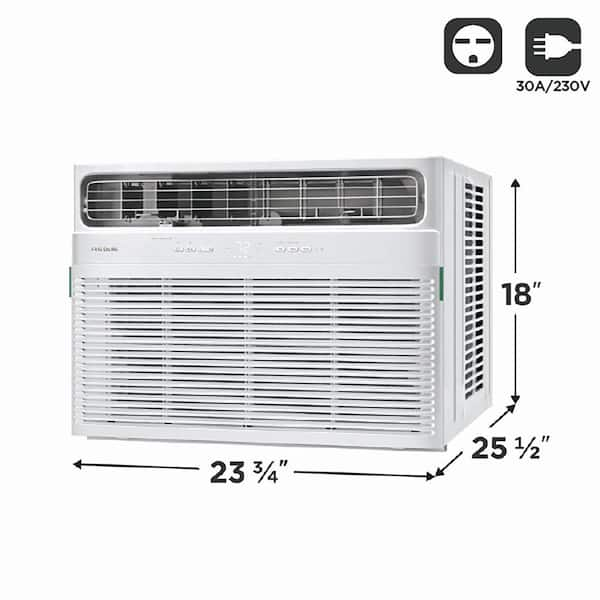
Window unitsusually draw between 5 to 10 amps. Smaller models use less power, around 5 amps. Larger window units can reach up to 10 amps or more. These units are common for single rooms.
Portable air conditionerstypically use 7 to 12 amps. They need more power than window units because they have a hose and fan system. Portable ACs work well for flexible cooling.
Central air systemsconsume much more electricity. They often require 15 to 60 amps, depending on size and home needs. These systems cool entire houses and need special wiring.
Mini-split systemsuse about 10 to 30 amps. These are good for cooling specific zones or rooms. Mini-splits are more efficient than central systems and easier to install.
Factors Affecting Air Conditioner Amp Draw
The size of the air conditioneraffects how many amps it draws. Bigger units use more powerbecause they cool larger spaces. Cooling capacity is measured in BTUs, and higher BTUs mean higher amp draw.
Energy efficiency ratingslike SEER or EER show how well a unit uses electricity. Higher ratings mean the unit uses less ampsto cool the same space.
Older units or those in poor conditioncan draw more amps. Worn parts or dirt can make the unit work harder, increasing power use.
Voltage supply variationscan change amp draw. Lower voltage causes the unit to pull more ampsto run properly. Stable voltage keeps amp draw consistent.

Credit: www.jackery.com
Calculating Your Air Conditioner’s Amp Requirements
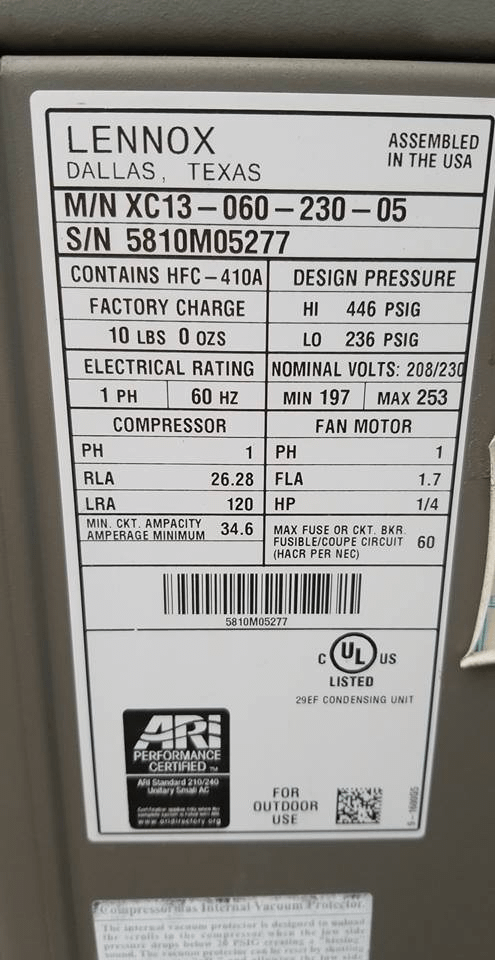
The nameplateon an air conditioner shows key details. It lists voltage, current (amps), and power. Reading this helps find the exact amp requirement. Check for running amps (RLA)or locked rotor amps (LRA). Running amps show normal use, while locked rotor amps show startup current.
Using the formula, amps = watts ÷ volts, helps calculate amps. For example, if an AC uses 1500 watts at 120 volts, amps = 1500 ÷ 120 = 12.5 amps. This is a simple way to estimate power needs.
Cooling capacity is often measured in BTUs. Use the rule: 1 ton = 12,000 BTUs. Each ton usually needs about 20 amps. So, a 2-ton AC might need 40 amps. This helps when exact specs are missing.
Impact On Home Electrical System
Circuit breaker sizingis crucial for safe air conditioner operation. Breakers must match the unit’s amperage to prevent tripping or fire risks. A breaker too small trips often; too large may not protect the wiring.
Wiring considerationsinclude wire gauge and length. Thicker wires carry more current safely. Long wire runs might need bigger wires to avoid voltage drop. Incorrect wiring can cause heat build-up and damage.
- Use wires rated for the AC’s amp draw.
- Check local electrical codes for wire size rules.
- Ensure connections are tight and secure.
Avoiding overloads and safety risksmeans balancing load on circuits. Don’t plug too many devices on one circuit. Overloads cause breaker trips and can damage home wiring. Regular maintenance helps detect problems early.
Tips To Reduce Amp Draw And Save Energy
Regular maintenancekeeps your air conditioner running smoothly. Clean or replace filters often to improve airflow. Check and clear debris from outdoor units. Tighten electrical connections to prevent energy loss. Well-maintained units use less powerand draw fewer amps.
Upgrading to energy-efficient modelscan lower amp draw significantly. Look for units with a high SEER rating. These use technology to cool better and save energy. New models often have better compressors and fans that use less electricity.
Using a smart thermostathelps control your air conditioner’s run time. Set temperatures higher when no one is home. Program cooling only when needed to reduce energy use. Smart controls can reduce amps drawn and save money on bills.
When To Consult A Professional Electrician
Flickering lightsor frequent breaker trips may signal electrical problems. Strange smells near the air conditioner can also indicate wiring issues. Listen for buzzing sounds or humming from the unit, which suggest electrical faults. Excess heat around the unit or panel is a clear warning sign.
Proper installation is key for safety and efficiency. Incorrect wiring can cause damage or fire risks. The electrician checks the circuit breaker size matches the air conditioner’s amp needs. They ensure grounding is correct to avoid shocks. Regular inspections keep your system safe and working well.
Frequently Asked Questions
How Many Amps Does A Typical Air Conditioner Use?
A typical air conditioner uses between 15 to 30 amps. The exact current depends on the unit’s size and efficiency. Smaller units draw fewer amps, while larger or older models require more power. Checking the unit’s specifications ensures accurate amp requirements.
What Factors Affect An Air Conditioner’s Amp Draw?
Amp draw depends on the air conditioner’s size, cooling capacity, and efficiency. Higher BTU units generally use more amps. The compressor and fan motor also impact current consumption. Voltage supply and installation quality can influence overall power draw.
Can I Use A 15-amp Circuit For My Air Conditioner?
A 15-amp circuit may work for small window units or portable air conditioners. Larger central air systems typically require 20 to 30 amps. Always check the manufacturer’s recommendations and local electrical codes before installation.
How To Find The Amp Rating On An Air Conditioner?
Look for the nameplate or label on the unit. It lists electrical specifications, including amps, voltage, and wattage. The user manual or product datasheet also provides amp ratings. This information helps ensure safe and proper circuit sizing.
Conclusion
Understanding air conditioner amps helps save energy and money. Knowing the right amps ensures efficient cooling without overloading circuits. Always check the label for accurate amp information. Consult professionals for complex electrical needs. Proper maintenance improves performance and lifespan. Consider room size when choosing an air conditioner.
This ensures optimal energy use. Energy-efficient models reduce electricity bills. Make informed decisions for comfort and safety. Choosing the right unit impacts both your wallet and the environment. Stay cool, save energy, and enjoy your comfortable space. Keep these tips in mind for a smart purchase.