
Have you ever wondered why your air conditioner sometimes doesn’t feel as refreshing as it should? The secret often lies in a small but powerful part: the filter.
Your air conditioner’s filter plays a crucial role in keeping the air you breathe clean and your system running smoothly. If you want to enjoy cooler, healthier air and avoid costly repairs, understanding what a filter does for your air conditioner is key.
Keep reading to discover how this simple component can make a big difference in your comfort and home’s air quality.

Credit: www.bentleysac.com
Role Of Air Conditioner Filters
Air conditioner filterscatch dust and dirt from the air. This keeps the air flowing freely and stops the system from getting clogged. Clean filters help the AC work well and last longer.
Filters protect the internal partsof the AC. Dust and debris can harm fans and coils if not filtered out. This protection saves money on repairs and keeps the AC running smoothly.
Filters also improve indoor air quality. They trap tiny particles, pollen, and pet hair. This makes the air cleaner and healthier to breathe, especially for people with allergies or asthma.
Types Of Air Conditioner Filters
Fiberglass filtersare the most basic type. They catch large dust and dirt particles. These filters are cheap but not very good at cleaning air. They need to be changed often.
Pleated filtershave more surface area. This helps them catch smaller particles like pollen and pet dander. They last longer and clean air better than fiberglass filters.
HEPA filtersare very good. They catch tiny particles like smoke, dust mites, and mold spores. Many hospitals use HEPA filters to keep air very clean.
Electrostatic filtersuse static electricity to trap dust and allergens. They can be washed and reused, making them cost-effective over time.
Benefits Of Using Quality Filters
Quality filtersimprove air conditioner performance by keeping air clean. They trap dust, dirt, and other particles before they enter the system. This allows the AC to cool air faster and better. Cleaner air means the system does not work too hard, which saves energy. Less energy used means lower electricity bills.
Using a good filter also helps the AC last longer. Dirt buildup can cause parts to wear out quickly. Filters protect these parts, so the AC needs fewer repairs. This can save money and avoid headaches.
- Enhancing Cooling Efficiency:Clean filters help air flow smoothly and cool rooms faster.
- Reducing Energy Consumption:Less dirt means the AC uses less power to cool air.
- Extending AC Lifespan:Filters protect AC parts from damage and wear.

Credit: aquariushomeservices.com
Signs Of A Clogged Filter
Reduced airflowis a clear sign of a clogged air filter. Dust and dirt block the air, making it hard to cool your room. This forces the air conditioner to work harder.
Increased energy billshappen because the AC uses more power to push air through the dirty filter. This wastes energy and raises costs.
Unpleasant odorscome from trapped dust, mold, or bacteria in the filter. These smells spread through your home when the AC runs.
Maintaining And Replacing Filters
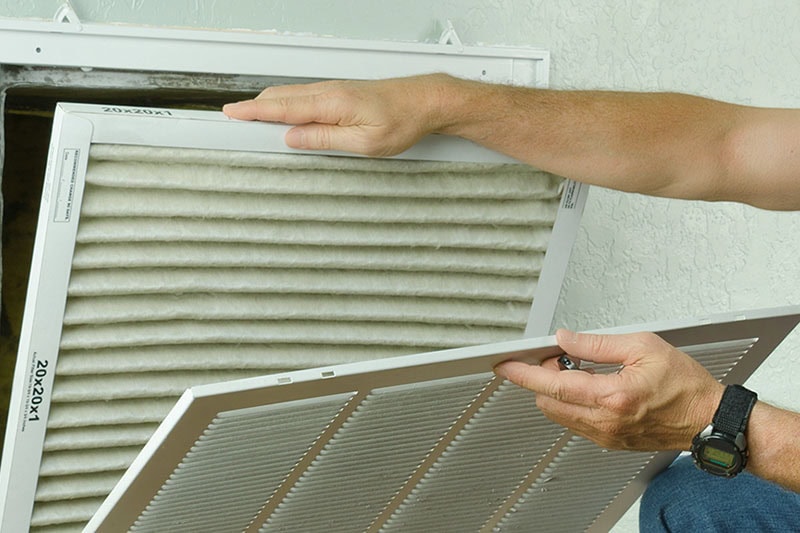
Air conditioner filters need regular care to keep the air clean. Filters should be replaced every 1 to 3 months, depending on use and air quality. Dirty filters reduce airflow and make the AC work harder.
Reusable filters need gentle cleaning. Rinse them with water and let them dry completely before putting them back. Avoid harsh chemicals that can damage the filter material.
| Filter Type | Best For | Replacement Frequency |
|---|---|---|
| Fiberglass | Basic dust and debris | Every 30 days |
| Pleated | Better dust and allergens | Every 3 months |
| HEPA | Allergy and fine particles | Every 6 to 12 months |
| Reusable Washable | Cost saving and eco-friendly | Clean monthly, replace as needed |
Credit: comfortservicesinc.com
Frequently Asked Questions
What Is The Primary Function Of An Air Conditioner Filter?
An air conditioner filter traps dust, dirt, and allergens. It prevents these particles from entering the AC system. This keeps the air clean and protects the unit’s components from damage.
How Often Should I Change My Air Conditioner Filter?
Filters should be changed every 1 to 3 months. Frequency depends on usage, pets, and air quality. Regular changes improve air flow and system efficiency, reducing energy costs.
Can A Dirty Filter Affect Ac Performance?
Yes, a dirty filter blocks airflow, making the AC work harder. This reduces cooling efficiency and increases energy consumption. Cleaning or replacing the filter restores proper function and saves money.
Does An Ac Filter Improve Indoor Air Quality?
Absolutely, the filter captures pollutants and allergens. This reduces airborne particles, improving overall indoor air quality. A clean filter helps create a healthier living environment.
Conclusion
Filters are crucial for air conditioners. They trap dust and dirt. This keeps your air clean and fresh. Regular filter changes boost efficiency. They save energy and lower bills. Clean filters extend the unit’s lifespan. Breathe easier and enjoy comfort.
Avoid frequent breakdowns with good maintenance. Check your filter monthly for best results. A little care goes a long way. Keep your air conditioner in top shape. Your health and wallet will thank you. Always prioritize clean filters for smooth operation.
Keep your home environment healthy and cool. Simple steps lead to lasting comfort.