Are you thinking about getting a portable air conditioner but wonder if it needs to be vented outside? This question is more important than you might realize.
Proper venting can affect how well your unit cools your space and how much energy it uses. If you get it wrong, you might end up feeling hotter, spending more on electricity, or even damaging your walls or windows. Keep reading to discover exactly why venting matters and what you need to know before setting up your portable air conditioner.
Your comfort—and your wallet—will thank you.
Basics Of Portable Air Conditioners
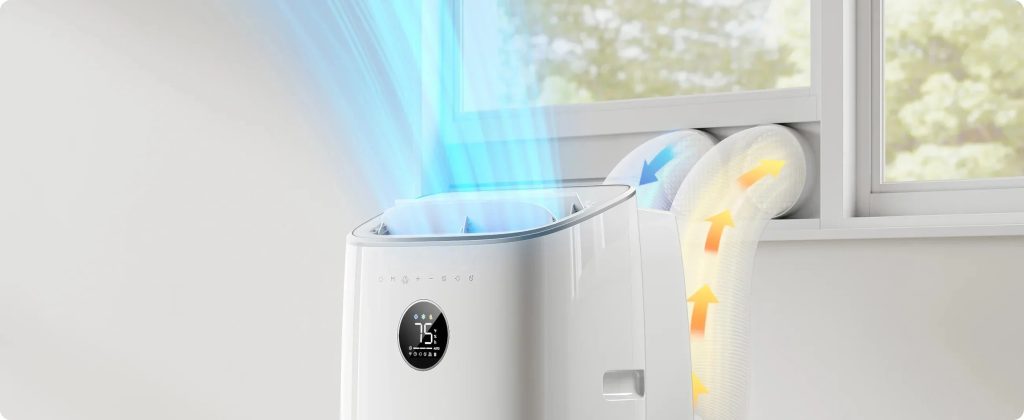
Portable air conditioners cool rooms by moving heat outside. They take warm air from the room and blow it out through a hose. This hose must go through a window or wall to remove the hot air. Without this, the room won’t get cooler.
Some portable ACs have just one hose. This hose pushes hot air outside but may bring some warm air back in. Two-hose models use one hose to pull air from outside and the other to push hot air out. This works better in big rooms.
| Type | Description |
|---|---|
| Single Hose | Uses one hose to vent hot air outside. Easier to install but less efficient. |
| Dual Hose | Uses two hoses, one for intake and one for exhaust. Cools faster and saves energy. |
| Non-Vented | Does not need venting but works like a fan or dehumidifier, not true cooling. |
Role Of Outside Venting
Venting is keyfor portable air conditioners to work well. It moves hot airout of the room.
Without venting, the hot air stays inside. This makes the room warmer, not cooler.
Most portable ACs use a hose to push hot air outside through a window or wall.
This hose helps keep cool airinside and hot airoutside.
Good airflow is important. It stops heat from building up near the unit.
Without venting, the AC wastes energy trying to cool the hot air it made.
Heat exhaustis the warm air the AC removes from the room. The hose lets this air escape.
Vented Vs. Ventless Models
Vented portable air conditionersneed a hose to push hot air outside. This hose must go through a window or wall. It removes warm air from the room, making cooling better.
Ventless modelsdo not use a hose. They work by cooling water inside and releasing cool air back. They are easier to move but may not cool as well.
| Feature | Vented Models | Ventless Models |
|---|---|---|
| Outside Venting | Required | Not required |
| Cooling Efficiency | Higher | Lower |
| Installation | Needs window or wall access | Simple, no vent needed |
| Portability | Less easy to move | Very easy to move |

Credit: www.reddit.com
Installation Requirements
Portable air conditionersneed a way to release hot air outside. This is done through venting systems. Without venting, the unit cannot cool effectively.
Common venting options include:
- Window vent kits:Most portable ACs come with a kit to fit in standard windows.
- Sliding door vent:A flexible option for doors or larger openings.
- Wall vent:Requires cutting a hole in the wall but offers a permanent solution.
- Drop ceiling vent:Used in some commercial or basement setups.
Each option needs a proper seal to keep hot air out and cool air in. The vent hose must be as short and straight as possible. This helps the air conditioner work better and saves energy.
Pros And Cons Of Venting
Outside ventinghelps remove hot air from the room. This makes the air conditioner more effectiveat cooling. It also reduces the humidityinside. Venting can lower energy use and save money on bills.
But venting has some challenges. It needs a window or hole for the vent hose. This can be hard in some rooms or apartments. The vent hose can be bulkyand may block light or views. Setting up the vent takes timeand effort.
- Benefits:Better cooling, less humidity, saves energy
- Challenges:Requires window, bulky hose, installation effort

Credit: www.reddit.com
Expert Tips For Optimal Use
Portable air conditioners need outside ventingto remove hot air. Without venting, the room stays warm and the unit works harder. Most portable ACs come with a vent hosethat must be placed in a window or vent opening. This hose carries hot air outside.
Keeping the unit clean is key. Regularly clean or replace filtersto help air flow well. Dirt blocks air, making cooling less effective.
To get the best cooling, close doors and windowsin the room. Use curtains or blinds to block sunlight. This lowers the heat load inside.
- Place the unit on a flat surface for stability.
- Keep the vent hose as short and straight as possible.
- Check for leaks around the vent to prevent hot air from coming back in.
- Turn off other heat sources like lamps or electronics in the room.

Credit: www.dreo.com
Frequently Asked Questions
Do Portable Air Conditioners Need Venting Outside?
Yes, most portable air conditioners require venting outside to expel hot air. This venting prevents heat buildup indoors and ensures efficient cooling. Typically, a hose connects the unit to a window or vent opening for this purpose.
Can Portable Acs Work Without Outside Venting?
Portable ACs generally do not work well without outside venting. Without venting, hot air stays inside, reducing cooling efficiency. Some units claim to be ventless but often use water evaporation, which is less effective for larger spaces.
How To Vent A Portable Air Conditioner Properly?
To vent properly, connect the exhaust hose to the unit and place the other end in a window kit or wall vent. Ensure the hose is as straight and short as possible to improve airflow and efficiency.
Are There Portable Acs Without Exhaust Hoses?
Some portable ACs advertise as hose-free or ventless but use evaporative cooling. These are better suited for dry climates and small spaces, but they are less effective than vented units for true air conditioning.
Conclusion
Portable air conditioners often need outside venting. This helps remove hot air. Without venting, the unit may not cool efficiently. Venting ensures optimal performance and comfort. Some models offer dual hose systems. They improve cooling by using one hose for intake.
The other for exhaust. Consider space and setup when choosing. Ensure you have a nearby window or door. Portable air conditioners offer flexibility in cooling. Make sure to vent properly for best results. Always check the manufacturer’s guidelines. This ensures safe and effective use.
Happy cooling!