When was the last time you really looked at your car’s tires? Those numbers and letters on the side might seem confusing, but they hold the key to your safety and performance on the road.
Understanding how to read car tire measurements can help you choose the right tires, improve your driving experience, and even save money. Stick with me, and by the end of this article, you’ll know exactly what those codes mean—and why they matter to you.
Ready to become a tire expert? Let’s dive in!

Credit: www.youtube.com
Tire Size Components
Car tire measurements tell you important details about the tire. Each part of the size code means something specific. Knowing these parts helps you pick the right tire for your car.
This guide explains the main components of tire size. You will learn what the numbers and letters stand for on a tire’s sidewall.
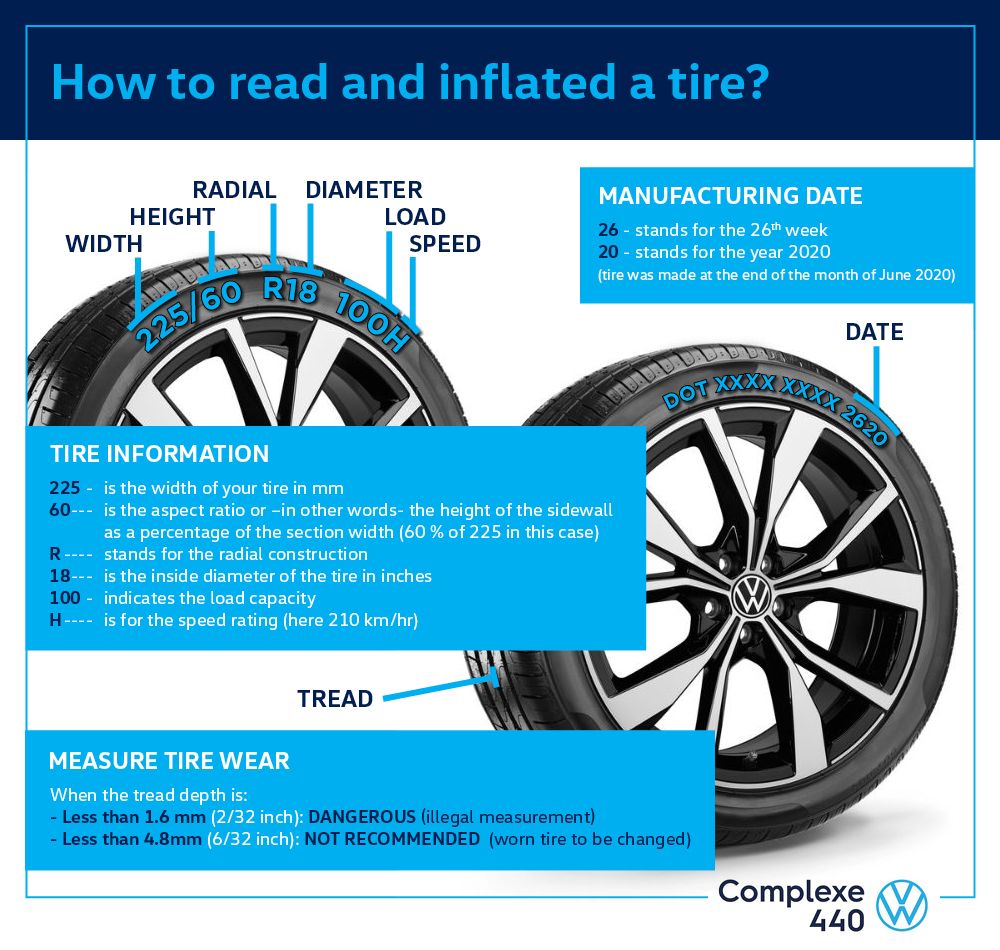
Width Explained
The tire width is the first number in the size code. It shows how wide the tire is from side to side in millimeters.
For example, if the tire size starts with 205, the tire is 205 mm wide. Wider tires can give better grip on the road.
Aspect Ratio Basics
The aspect ratio is the second number in the tire size. It shows the height of the tire sidewall as a percent of the width.
If the aspect ratio is 55, the sidewall height is 55% of the tire width. A lower ratio means a shorter sidewall and a sportier look.
Understanding Rim Diameter
The rim diameter is the number after the letter in the tire size code. It tells you the wheel size in inches that fits the tire.
A tire marked with 16 means it fits a 16-inch rim. The rim size must match the tire for proper installation.
Load Index And Speed Rating
The load index is a number that shows how much weight the tire can carry. The speed rating is a letter that shows the maximum speed the tire can safely handle.
| Load Index | Weight Capacity (lbs) | Speed Rating | Max Speed (mph) |
|---|---|---|---|
| 91 | 1356 | H | 130 |
| 95 | 1521 | V | 149 |
| 99 | 1709 | W | 168 |
Decoding Tire Codes
Car tires have codes printed on their sidewalls. These codes show the tire’s size and features. Understanding these codes helps you pick the right tires for your car.
Each code includes numbers and letters. These stand for width, height, type, and more. Let’s look at how to read these codes clearly.
Interpreting Numeric Values
The numbers on a tire tell you its size and limits. They include width, height, and diameter. For example, in the code “205/55R16,” “205” means the tire width in millimeters.
- Width:The first number shows the tire width from sidewall to sidewall in millimeters.
- Aspect Ratio:The second number is the height of the tire sidewall as a percent of the width.
- Diameter:The last number shows the wheel diameter the tire fits in inches.
- Load Index:A number that shows how much weight the tire can carry.
- Speed Rating:A letter that shows the maximum speed the tire can handle safely.
Letter Codes And Their Meaning
Letters in the tire code tell you about the tire type and speed rating. For example, “P” means passenger car tire. “R” shows the tire has radial construction. Speed ratings like “H” or “V” show the max safe speed.
| Letter | Meaning |
| P | Passenger car tire |
| LT | Light truck tire |
| R | Radial tire construction |
| B | Bias-ply tire construction |
| H | Max speed 130 mph (210 km/h) |
| V | Max speed 149 mph (240 km/h) |
| W | Max speed 168 mph (270 km/h) |
Metric Vs. Imperial Measurements
Tire codes mix metric and imperial units. Width and aspect ratio use metric (millimeters and percent). Wheel diameter uses imperial (inches). This mix can confuse new buyers.
Here is a simple breakdown:
- Width:Measured in millimeters (metric)
- Aspect Ratio:Percentage (metric)
- Diameter:Measured in inches (imperial)
Additional Tire Markings
Tires have many markings besides the size numbers. These markings give extra information about the tire’s features and safety.
Knowing these markings helps you understand how your tires perform and when to replace them.
Treadwear Indicators
Treadwear indicators are small bars inside the tire grooves. They show when the tread is worn out.
If the tread touches these bars, the tire has less grip. This means it is time to change the tire for safety.
Traction And Temperature Grades
Traction grade shows how well the tire stops on wet roads. It uses letters like AA, A, B, or C.
Temperature grade tells how well the tire handles heat. Grades go from A (best) to C (lowest).
- Traction Grades:AA, A, B, C
- Temperature Grades:A, B, C
Dot Code And Manufacture Date
The DOT code shows the tire meets safety rules. It also has the tire’s manufacture date.
The last four digits of the DOT code tell the week and year of production. For example, 2319 means week 23 of 2019.
Check this code to know the tire’s age. Older tires may need replacement even if they look new.

Credit: www.counterman.com
Choosing The Right Tire Size
Choosing the correct tire size is important for safety and car performance. Tires with the wrong size can cause problems on the road.
This guide explains how to read tire measurements and pick the right size for your vehicle. Understanding tire sizes helps you match your car’s needs.
Matching Oem Specifications
OEM stands for Original Equipment Manufacturer. It means the tire size that came with your car from the factory. Using the OEM size keeps your car safe and working well.
Check your car’s manual or the sticker inside the driver’s door to find the correct tire size. The size looks like this: P215/65R15.
- “P” means passenger vehicle tire
- “215” is the tire width in millimeters
- “65” is the aspect ratio or height to width percentage
- “R” means radial construction
- “15” is the wheel diameter in inches
Impact On Vehicle Performance
Tire size affects how your car drives. The right size keeps good control, fuel efficiency, and comfort. The wrong size can cause problems.
| Effect | Right Tire Size | Wrong Tire Size |
|---|---|---|
| Handling | Stable and safe | Unstable or slippery |
| Fuel Economy | Better mileage | Lower mileage |
| Speedometer Accuracy | Correct readings | Wrong speed shown |
| Comfort | Smooth ride | Rough or noisy ride |
Common Size Misconceptions
Many people think bigger tires always improve performance. Bigger tires may look good but can cause issues like rubbing or poor fuel use.
- Changing width changes grip and fuel use
- Taller tires affect speedometer and brakes
- Smaller tires may reduce ground clearance
- Always check if new size fits wheel and car
Tools For Measuring Tires
Knowing how to read tire measurements helps keep your car safe. You need a few tools to check tire size and condition. These tools give clear information about your tires.
Use the right tools to measure tire pressure, tread depth, and sidewall details. Each tool serves a specific purpose.
Using A Tire Gauge
A tire gauge measures the air pressure inside the tire. Proper pressure keeps tires working well and lasting longer. You can find digital or analog tire gauges.
- Remove the valve cap from the tire
- Press the gauge onto the valve stem
- Read the pressure measurement on the gauge
- Compare it to the recommended pressure on your car’s label
- Adjust the air if needed
Measuring Tread Depth
Tread depth shows how much life your tires have left. A tire tread depth gauge helps measure this. Worn tread reduces grip and safety.
| Tread Depth (32nds inch) | Condition |
| 8 – 10 | New or nearly new |
| 4 – 7 | Moderate wear |
| 2 – 3 | Needs replacement soon |
| 1 or less | Unsafe, replace now |
Checking Sidewall Information
The sidewall shows important tire details. Use a magnifying glass to read the small print. You will find tire size, load index, and speed rating.
- Example:P215/65R15 95H
- P:Tire type (Passenger)
- 215:Tire width in millimeters
- 65:Aspect ratio (height to width)
- R:Radial construction
- 15:Rim diameter in inches
- 95:Load index
- H:Speed rating
Tips For Tire Maintenance
Keeping your tires in good shape helps your car run safely. Regular care can stop problems early. It also saves money on repairs and fuel.
Learn easy steps to check your tires. These tips help you keep your tires working well longer.
Regular Inspection Practices
Look at your tires every two weeks. Check for cuts, cracks, or objects stuck in the tread. Make sure the tread is not worn out. Uneven wear can mean alignment or balance problems.
- Use a tread depth gauge to measure tread depth.
- Look for sidewall bulges or bubbles.
- Remove stones or debris from the tread.
- Check for signs of dry rot or cracking.
When To Replace Tires
Replace tires if the tread is less than 2/32 of an inch. Old tires can be unsafe even if they look okay. Age, cracks, and damage reduce tire performance.
| Condition | Action |
| Tread depth below 2/32 inch | Replace tire |
| Sidewall cracks or bulges | Replace tire |
| Tire older than 6 years | Consider replacement |
| Uneven or rapid wear | Check alignment and replace if needed |
Effect Of Proper Inflation
Keep tires at the right pressure. Too low or high pressure causes problems. It can wear tires unevenly and lower fuel efficiency. Proper inflation improves safety and tire life.
- Check tire pressure monthly and before long trips.
- Use a reliable pressure gauge for accuracy.
- Inflate tires to the car maker’s recommended pressure.
- Do not forget the spare tire.

Credit: www.cjponyparts.com
Frequently Asked Questions
What Do The Numbers On A Tire Mean?
The numbers on a tire show its size and specs. For example, “205/55R16” means tire width, aspect ratio, and rim diameter. These help you pick the right tire for your car’s performance and safety.
How To Identify Tire Width From Measurements?
Tire width is the first number in the sequence, measured in millimeters. For example, in “205/55R16,” 205 means the tire is 205 mm wide from sidewall to sidewall.
What Is The Aspect Ratio In Tire Sizes?
The aspect ratio is the second number, shown as a percentage. It represents the tire’s height compared to its width. A 55 means the height is 55% of the tire’s width.
How To Find The Tire’s Rim Diameter?
The rim diameter is the last number and shows the wheel size in inches. For “205/55R16,” the 16 means the tire fits a 16-inch diameter rim.
Conclusion
Understanding car tire measurements is crucial for safe driving. These numbers tell you tire size, type, and performance. Always check your tire’s sidewall for this information. A quick glance can help you choose the right replacement. Regular checks ensure safety and efficiency on the road.
Remember, tires affect fuel economy and handling. Keep them in good shape. Properly reading and maintaining tires can save money and prevent accidents. Now you know what those numbers mean. Stay informed, drive safely, and make wise tire choices. Your car and wallet will thank you.