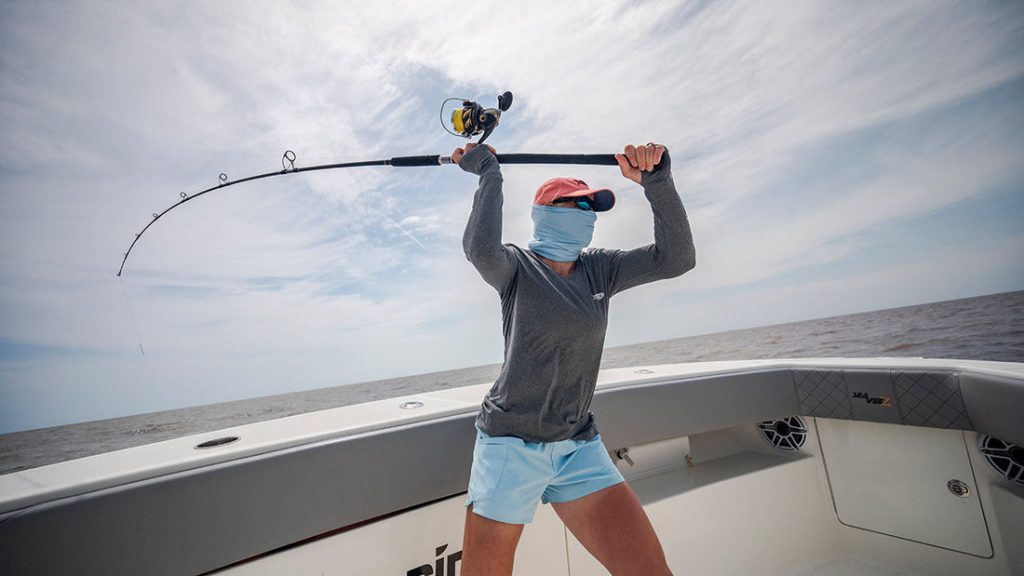
Have you ever stood by the water, feeling frustrated because your cast just doesn’t reach far enough? Imagine being able to send your fishing line farther than ever before, reaching those elusive spots where the biggest fish hide.
Casting far with your fishing rod isn’t just luck—it’s a skill you can learn and master. You’ll discover simple, proven techniques to improve your cast distance. Get ready to boost your fishing game and catch more fish by casting farther than you thought possible.
Keep reading, because your next big catch might be just one cast away.

Credit: www.saltwatersportsman.com
Choosing The Right Rod
Picking the right fishing rod helps you cast far and catch more fish. The rod must fit your fishing style and needs.
Focus on rod length, power, material, flexibility, and reel compatibility. These factors affect your casting distance.
Rod Length And Power
Longer rods let you cast farther because they give more leverage. Choose rods between 7 to 10 feet for long casts.
Power means how strong the rod is. Medium to heavy power rods handle heavier lines and lures for longer casts.
- Long rods improve casting distance
- Medium-heavy power rods support heavy lures
- Match rod power to fish size and lure weight
Material And Flexibility
Graphite rods are light and sensitive, helping with longer casts. Fiberglass rods are heavier but more durable.
Flexibility affects casting smoothness. Medium-flex rods bend well and store energy to throw lures far.
- Graphite rods are light and sensitive
- Fiberglass rods offer durability
- Medium-flex rods balance power and smooth casting
Reel Compatibility
The rod must fit the reel type. Spinning rods work with spinning reels for easy casting.
Baitcasting rods pair with baitcasting reels and provide better control for longer casts.
- Match rod to reel type for best performance
- Spinning rods suit spinning reels
- Baitcasting rods fit baitcasting reels
Selecting The Best Line
Choosing the right fishing line helps you cast far and fish well. The line you pick affects distance and control.
Consider line weight, material, and care to get the best results when casting far.
Line Weight And Strength
Line weight shows how heavy a fish your line can hold. Stronger lines let you cast further without breaking.
Choose line weight based on your rod and the fish size you want to catch. Lighter lines fly farther but may break easier.
- Light lines (2-6 lb) cast far but suit small fish
- Medium lines (8-12 lb) balance distance and strength
- Heavy lines (15+ lb) resist breaking but reduce cast length
Material Types
Fishing lines come in different materials. Each type affects how far you can cast and how the line behaves.
Pick a material that fits your fishing style and rod type for better casting distance.
- Monofilament: flexible and easy to handle, good for beginners
- Fluorocarbon: nearly invisible underwater, sinks faster
- Braid: very strong and thin, excellent for long casts
Line Maintenance
Take care of your fishing line to keep it strong and smooth. Old or damaged lines reduce casting distance.
Check your line often for nicks or dirt. Replace it if you see wear to avoid breaks during casting.
- Clean your line with fresh water after use
- Store line away from sunlight and heat
- Replace line regularly based on use and condition
Using Suitable Lures And Baits
Choosing the right lure or bait helps you cast farther with your fishing rod. It also improves your chances of catching fish. Understanding how lure features affect casting distance is key.
This guide explains how weight, shape, and aerodynamics affect your cast. It also covers matching lures to the fishing conditions for better results.
Weight And Shape
Weight is a major factor in casting distance. Heavier lures fly farther but need stronger rods and lines. Shape also matters. Slim, streamlined lures cut through the air easier than bulky ones.
- Heavier lures increase momentum and distance
- Streamlined shapes reduce air resistance
- Bulky shapes may cause drag and shorten casts
- Balance weight and shape for your rod strength
Aerodynamics For Distance
Lures with good aerodynamics fly straighter and farther. Features like smooth surfaces and tapered ends help. Air flows easily around these lures, lowering drag.
| Lure Feature | Effect on Casting |
| Smooth surface | Reduces air drag |
| Tapered ends | Improves flight stability |
| Hollow body | May catch air and reduce distance |
| Attached feathers or skirts | Can increase air resistance |
Matching Lures To Conditions
Choosing lures that fit the water and weather helps you cast better and catch more fish. Consider water clarity, wind, and fish type. Use lures that suit these factors.
- Clear water: Use natural colors and lighter lures
- Murky water: Use bright or noisy lures for attraction
- Windy days: Heavier, aerodynamic lures help maintain distance
- Cold water: Slow-moving lures can entice fish

Credit: mysterytacklebox.com
Mastering Casting Techniques
Casting far with a fishing rod helps you reach better spots and catch more fish. Good casting needs practice and the right technique.
Learn different casting styles to improve distance and accuracy. Focus on smooth movements and timing for best results.
Overhead Cast
The overhead cast is the most common fishing cast. It uses a straight motion to send the bait far ahead.
Hold the rod high and pull it back smoothly. Then, swing it forward quickly and release the line at the right moment.
- Keep your arm straight for more power
- Watch the rod tip to time the release
- Practice a smooth, even motion
Sidearm Cast
The sidearm cast sends the bait low and fast. It is useful when you need to avoid overhead obstacles.
Hold the rod at your side and swing it horizontally. Release the line as the rod moves forward to get distance.
- Keep your wrist firm during the swing
- Use your body to add power
- Practice to control the line direction
Roll Cast
The roll cast is good for fishing in tight spaces. It avoids snapping the line on trees or bushes behind you.
Start with the line on the water. Lift the rod slowly, then swing it forward to roll the line out smoothly.
- Keep the rod low and close to the water
- Time the forward swing for a smooth roll
- Use this cast to avoid obstacles behind you
Timing And Rhythm
Good timing and rhythm improve your casting distance. They help you release the line at the best moment.
Practice slow, smooth motions before speeding up. Watch the rod tip and release the line just as it reaches full speed.
- Start with a slow back cast to gather power
- Smoothly swing the rod forward
- Release the line when the rod tip points toward the target
Improving Your Casting Form
Good casting form helps you cast farther and more accurately. It reduces strain and improves your fishing experience.
Focus on your grip, stance, body movement, and follow-through. Small changes can make a big difference in your casting distance.
Grip And Stance
Hold the rod firmly but not too tight. Your grip should let you control the rod without causing fatigue.
- Place your dominant hand on the rod handle, wrapping fingers comfortably around it.
- Your thumb should rest on top of the rod for better control.
- Stand with your feet shoulder-width apart for balance.
- Keep your knees slightly bent to stay flexible.
- Face your target with your shoulders square to the casting direction.
Body Movement
Use your whole body, not just your arms, to cast far. Smooth, coordinated movement adds power and accuracy.
| Body Part | Action |
| Shoulders | Rotate backward and forward smoothly |
| Hips | Turn with shoulders for added momentum |
| Arms | Lead the rod forward in a controlled motion |
| Wrists | Snap slightly at the end to release the line |
Follow-through
Finish your cast with a strong follow-through. This helps the line fly farther and straighter.
Tips for a good follow-through:
- Keep your rod tip low after the cast.
- Allow your arm to continue moving forward naturally.
- Stay balanced and avoid sudden stops.
- Watch the line as it travels to adjust your form next time.
Adjusting For Weather And Environment
Casting far with a fishing rod depends on many things. Weather and environment play a big role in how well you cast.
Knowing how to adjust for wind, water, and obstacles helps you cast farther and better. This guide explains key points to consider.
Wind Considerations
Wind can push your line off course or slow your cast. You need to change your technique to fight the wind.
- Cast into the wind for better control and distance.
- Use lighter lures in strong wind to avoid drag.
- Keep your line low to reduce wind impact.
- Wait for a calm moment if the wind is too strong.
- Adjust your rod angle to aim against the wind.
Water Conditions
Water type and flow affect your cast distance and lure action. Adjust your gear and style based on water conditions.
| Water Condition | Effect on Casting | Adjustment |
| Calm Water | Easy to see lure | Use lighter line and longer casts |
| Choppy Water | Harder to control lure | Use heavier lures and shorter casts |
| Fast Current | Lure drags quickly | Cast upstream and use heavier weights |
| Clear Water | Fish are cautious | Use light line and natural lures |
| Muddy Water | Low visibility | Use bright or noisy lures |
Obstacles And Terrain
Rocks, trees, and bushes can block your cast or snag your line. Plan your cast to avoid these obstacles.
Use these tips to handle obstacles:
- Look for open spaces before casting.
- Use sidearm or roll casts to avoid overhead branches.
- Shorten your cast if the area is tight.
- Choose a higher spot to cast over obstacles.
- Practice accurate casting to land your lure in safe spots.
Practicing For Consistency And Distance
Casting far with a fishing rod takes practice. You need to build both power and control. Consistent practice helps you improve your distance and accuracy.
Focus on techniques that develop your skills step by step. Use drills to train your muscles and track your progress to see real results.
Drills And Exercises
Use simple drills to improve your casting form. Start with short casts and increase distance gradually. Practice your grip and rod movement carefully.
- Cast to a target at a fixed distance repeatedly
- Practice casting with different rod angles
- Use a weighted lure to build strength
- Work on your timing to release the line smoothly
- Try sidearm and overhead casts to vary technique
Tracking Progress
Keep track of your casting distances and accuracy. Record your best throws and note the conditions. This helps identify what works best for you.
| Practice Date | Distance (yards) | Accuracy (hits on target) | Conditions |
| April 10 | 45 | 7/10 | Calm wind |
| April 17 | 50 | 8/10 | Breezy |
| April 24 | 55 | 6/10 | Light rain |
Avoiding Common Mistakes
Many anglers make basic errors that reduce their casting distance. Watch your stance and avoid rushing your cast. Smooth, controlled movements work best.
- Do not grip the rod too tightly
- Avoid sudden jerks when releasing the line
- Keep your wrist firm but flexible
- Make sure the rod tip follows a smooth path
- Don’t cast against strong wind without adjusting technique
Maintaining Your Gear
Keeping your fishing rod and gear in good shape helps you cast far and fish better. Regular care prevents damage and extends the life of your equipment.
Simple maintenance steps like cleaning, inspecting, and replacing parts keep your gear ready for every fishing trip.
Cleaning And Storage
After each fishing trip, clean your rod and reel to remove dirt, salt, and debris. Use fresh water and a soft cloth for cleaning.
- Rinse gear with fresh water
- Wipe dry with a soft cloth
- Store in a cool, dry place
- Keep rods in a vertical position
- Use rod covers for protection
Inspecting For Damage
Check your rod and reel for cracks, loose parts, and corrosion before and after each use. Look closely at the guides and line.
| Part | What to Check | Signs of Damage |
| Rod Guides | Check for cracks or bends | Broken rings or rough spots |
| Reel Seat | Ensure tight fit | Wobbly or loose parts |
| Handle | Look for wear or softness | Cracks or worn grip |
| Line | Inspect for frays and knots | Weak spots or breaks |
Replacing Parts
Replace worn or broken parts quickly to keep your gear working well. This includes line, guides, and reel components.
- Change fishing line regularly
- Swap damaged guides with new ones
- Replace worn reel handles or knobs
- Use correct tools for part replacement
- Consult a professional for complex repairs

Credit: www.reddit.com
Frequently Asked Questions
How Can I Cast Farther With A Fishing Rod?
To cast farther, use a longer rod and lighter lure. Improve your casting technique by smoothly accelerating and releasing the line. Practice timing and wrist flicks to maximize distance and accuracy.
What Type Of Fishing Rod Helps Cast Far?
Longer rods, around 9 to 12 feet, help cast farther. Medium to fast action rods provide better power and control. Choose rods designed for distance casting to improve performance.
Does Fishing Line Type Affect Casting Distance?
Yes, thinner and lighter lines reduce air resistance and improve casting distance. Braided lines are strong and thin, ideal for long casts. Avoid thick or heavy lines that limit how far you can cast.
How Does Lure Weight Impact Casting Distance?
Heavier lures cast farther because they travel through the air better. Choose lures appropriate for your rod’s weight rating to avoid damage. Adjust lure weight to optimize your casting distance and control.
Conclusion
Casting far with a fishing rod takes practice and patience. Start by choosing the right rod and reel. Use proper techniques for grip and stance. Focus on smooth, controlled motions. Remember to adjust your cast based on wind conditions. Keep practicing to improve your distance and accuracy.
Enjoy the process and the serenity of fishing. With time, you’ll see improvement. Each cast will bring more confidence and skill. Happy fishing and tight lines!