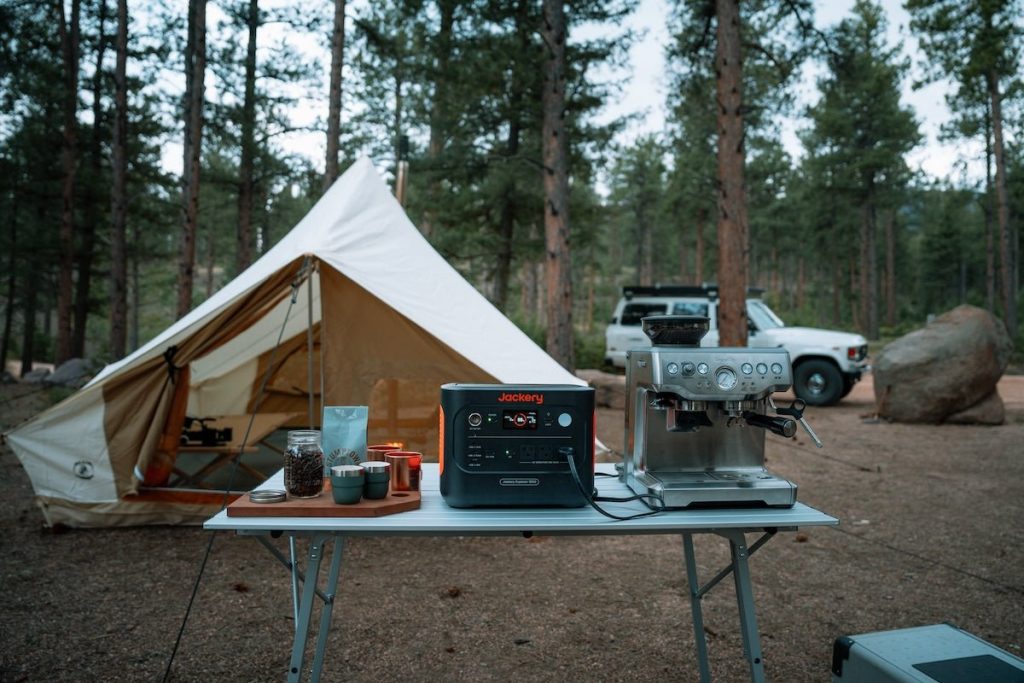
Feeling hot and sticky inside your tent can quickly ruin your camping trip. But what if you could use electricity to keep your tent cool and comfortable, no matter how high the temperature climbs?
You’re about to discover simple, effective ways to beat the heat and enjoy your outdoor adventure without sweating it out. Keep reading, and you’ll learn easy tricks to transform your tent into a cool retreat—so you can relax, sleep better, and make the most of your time in nature.
Choosing The Right Fan
Cooling a tent with electricity depends on picking the right fan. The fan must fit your tent size and power source. Choosing well keeps you comfortable in hot weather.
This guide covers types of fans for tents, battery versus electric fans, and portable or clip-on options. Each choice has benefits to consider.
Types Of Fans For Tents
Tent fans come in many styles. Some move a lot of air, while others are quiet. Common types include box fans, tower fans, and small handheld fans.
- Box fans:Good for large tents. They push strong airflow.
- Tower fans:Slim and tall. They save space.
- Handheld fans:Small and easy to carry.
- Ceiling fans:Attach to tent roofs. They cool evenly.
Battery Vs. Electric Fans
| Type | Power Source | Pros | Cons |
| Battery Fan | Batteries (AA, rechargeable) | Portable, no cord needed | Limited run time, weaker airflow |
| Electric Fan | Plug-in (AC power) | Strong airflow, continuous use | Needs power outlet, less portable |
Battery fans are best for camping spots without electricity. Electric fans work well if you have a power source. Think about your camping site before choosing.
Portable And Clip-on Options
Some fans are easy to move or attach inside tents. Portable fans can sit on the ground or a table. Clip-on fans fix to tent poles or fabric.
- Portable fans are lightweight and often rechargeable.
- Clip-on fans save space and direct air where needed.
- Look for fans with adjustable speeds.
- Check if fans are quiet for better sleep.
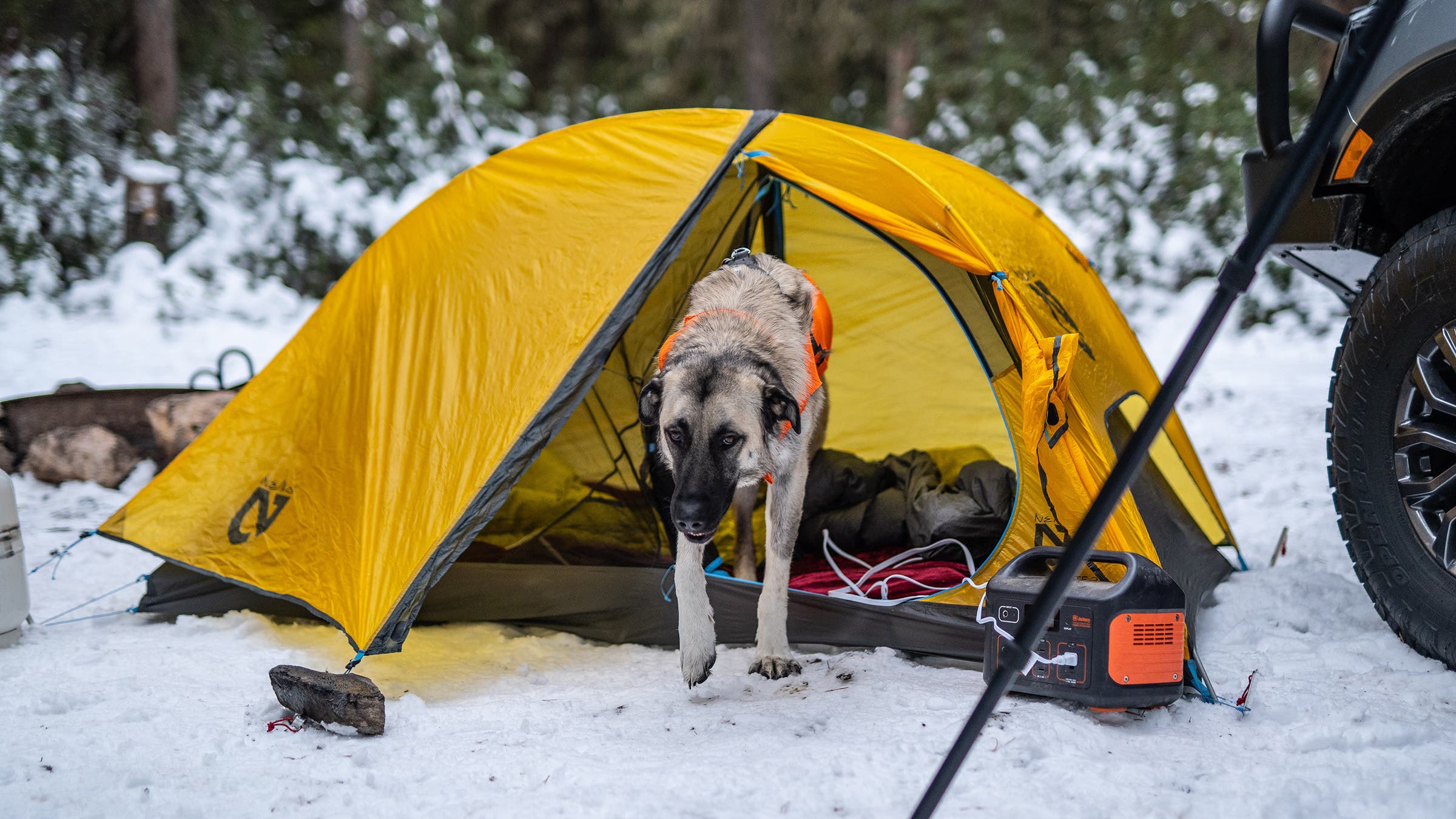
Credit: www.outsideonline.com
Using Air Conditioners In Tents
Cooling a tent with electricity is possible using air conditioners. These units help keep the inside temperature comfortable. Choosing the right air conditioner is important for your tent size and power source.
In this guide, we cover portable AC units suitable for tents, power needs, and tips for ventilation and drainage.
Portable Ac Units Suitable For Tents
Portable air conditioners work well in tents because they are compact and easy to move. Look for models with low noise and enough cooling power for your tent size.
- Portable window AC units fit small openings in tents.
- Evaporative coolers use water to cool air and save energy.
- Mini split ACs provide strong cooling but need a fixed setup.
- Battery-powered AC units are good for short periods without power.
Power Requirements And Setup
Before using an air conditioner, check the power source and wattage needs. Most portable ACs require 500 to 1500 watts. Use a generator or a strong battery system to run them safely.
| AC Type | Power Use (Watts) | Power Source |
| Portable Window AC | 1000-1500 | Electric outlet or generator |
| Evaporative Cooler | 100-250 | Battery or electric outlet |
| Mini Split AC | 800-1200 | Electric outlet |
| Battery-Powered AC | 200-500 | Rechargeable battery |
Ventilation And Drainage Tips
Proper ventilation helps the AC work well and keeps air fresh. Drainage is important to avoid water buildup inside the tent.
- Use tent windows or vents to let hot air escape.
- Place the AC exhaust hose outside the tent.
- Check and empty the AC water collection tray often.
- Use a drip pan or hose to direct water outside.
- Keep the tent fabric dry to avoid mold and mildew.
Optimizing Power Sources
Keeping a tent cool with electricity needs the right power source. Choosing the right option helps you stay comfortable without running out of power.
We will look at common power sources for tent cooling. Each has pros and cons to consider.
Generators For Tent Cooling
Generators provide strong and steady power. They work well for long trips or when other power is not available. Small portable generators are easy to carry and operate.
- Choose a generator with enough wattage for your cooling device.
- Use fuel safely and store it away from the tent.
- Keep the generator in a ventilated area to avoid fumes.
- Run the generator at times when noise is less disturbing.
Solar Power Solutions
Solar panels use sunlight to create electricity. They are quiet and clean, making them great for camping. Solar power works best in sunny places and during daytime.
| Solar Panel Type | Power Output | Best Use |
| Monocrystalline | High | Small tents, high efficiency |
| Polycrystalline | Medium | Cost-effective, medium power needs |
| Thin-film | Low | Lightweight, flexible setups |
Power Banks And Extension Cords
Power banks store electricity for small devices. Extension cords help connect devices to a power source farther away. Both are useful for short-term tent cooling needs.
- Use power banks with enough capacity to run your fan or cooler.
- Extension cords should be rated for outdoor use and power needs.
- Keep cords dry and away from foot traffic to avoid accidents.
- Charge power banks fully before your trip for reliable use.
Enhancing Airflow And Ventilation
Cooling a tent with electricity works best if you improve airflow and ventilation. Good air movement helps cool the inside faster.
Using fans and vents alone is not enough. You must also set up your tent to let air flow freely.
Tent Placement Strategies
Place your tent where wind can reach it easily. Avoid spots blocked by trees or buildings.
Look for shaded areas. Shade keeps the tent cooler by blocking direct sunlight.
- Pick a flat spot to keep air flowing evenly
- Face the tent door toward the wind
- Avoid low spots where hot air collects
- Use natural shade like trees or large rocks
Creating Cross-ventilation
Cross-ventilation moves air through the tent from one side to the other. This cools the tent faster.
Open windows, doors, and vents on opposite sides. This lets air flow straight through the tent.
- Open front and back doors if possible
- Use mesh windows to let air pass but keep bugs out
- Place small fans near openings to push air through
- Keep interior doors open to let air flow inside
Using Reflective And Cooling Fabrics
Reflective fabrics block sunlight and heat from reaching the tent. This keeps inside temperatures lower.
Cooling fabrics dry fast and allow air to pass through easily. Use these fabrics for tent walls and covers.
- Use a reflective tarp over your tent for extra shade
- Choose tents made with breathable mesh and cooling materials
- Replace heavy fabric with lighter, reflective ones if possible
- Keep fabrics clean to maintain their cooling ability
Additional Cooling Techniques
Using electricity can help cool a tent, but extra methods make it even better. These tips help keep the air fresh and cool inside.
Try these simple tricks to reduce heat and stay comfortable during hot days.
Ice And Water Cooling Hacks
Ice and water can quickly lower the air temperature inside your tent. Place ice packs or frozen bottles near a fan to blow cooler air around.
Pouring water on the tent’s roof or floor helps cool the fabric and ground. The evaporation cools the air near the tent.
- Put frozen water bottles in front of fans
- Use wet towels on tent walls to cool air
- Spray water on tent fabric for evaporation
Cooling Towels And Misting Systems
Cooling towels are cloths that stay cool when wet. Use them on your skin or hang them inside the tent to cool the air.
Misting systems spray fine water droplets. These droplets evaporate and lower the temperature around the tent.
- Keep cooling towels damp and place on your neck
- Hang towels inside the tent for extra coolness
- Set up a misting fan near the tent entrance
Keeping Heat Out During The Day
Blocking sunlight stops heat from entering your tent. Use reflective covers or tarps above the tent to reflect sunlight away.
Open vents and windows in the early morning and late evening. This lets cooler air in and pushes hot air out.
- Cover the tent with reflective or light-colored tarps
- Keep the tent zipped during the hottest hours
- Ventilate the tent when outside air is cooler

Credit: www.reddit.com
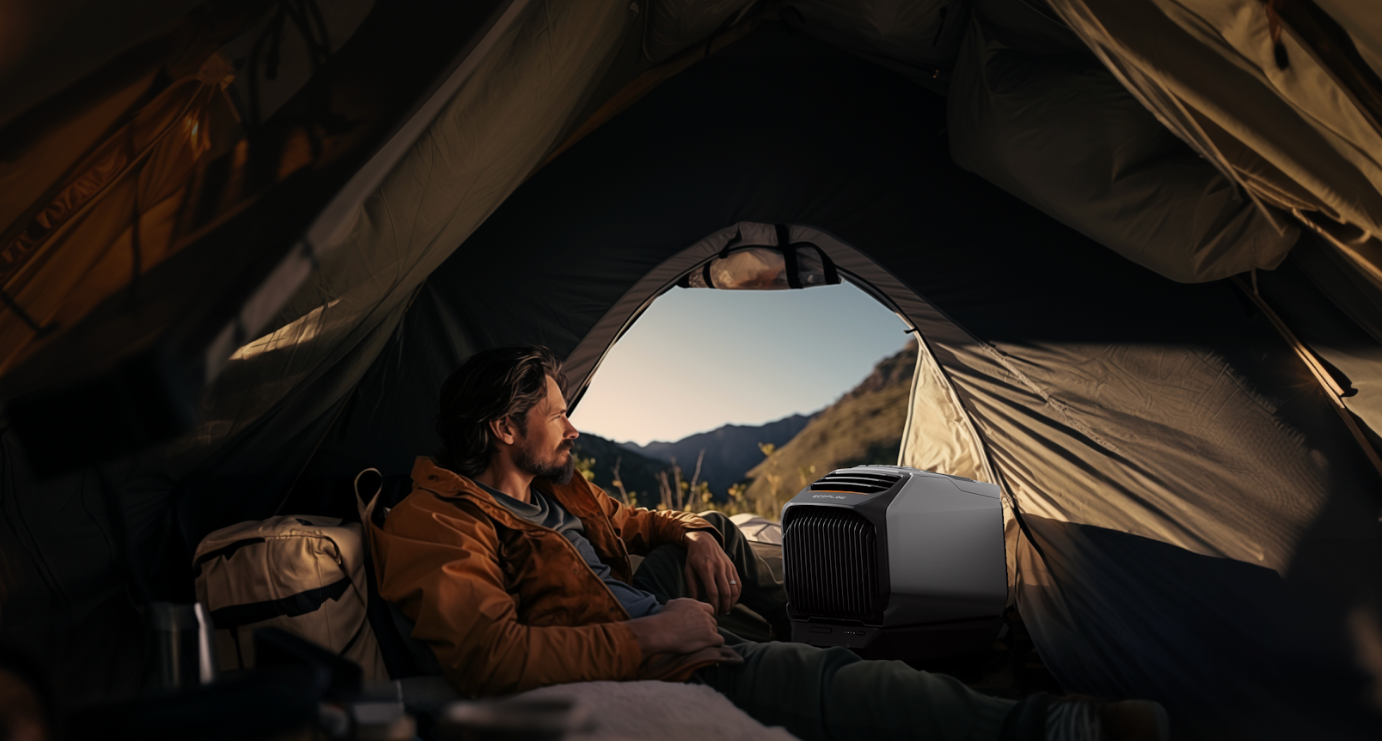
Credit: www.ecoflow.com
Frequently Asked Questions
How Can I Cool A Tent Using Electricity Safely?
Use battery-powered fans or portable air conditioners designed for tents. Ensure proper ventilation and avoid overloading power sources for safety.
What Electric Devices Work Best To Cool A Tent?
Battery-operated fans and portable mini air conditioners are ideal. They provide efficient cooling without requiring heavy power connections.
Can A Portable Ac Unit Effectively Cool A Tent?
Yes, portable AC units can cool tents if sized correctly. Ensure the tent is insulated and vents are managed for optimal cooling.
How Do I Power Cooling Devices In A Tent?
Use portable power stations, solar panels, or car batteries. These provide reliable electricity without needing fixed power outlets.
Conclusion
Cooling a tent with electricity is simple and effective. Start with a portable fan or air conditioner. These tools provide immediate relief. Use solar panels or a generator for power. This ensures continuous cooling. Insulating your tent helps retain the cool air.
Choose light-colored tents to reflect heat. This makes a big difference. Always prioritize safety when using electrical devices. Keep them dry and away from water. With these tips, enjoy a comfortable camping experience. Stay cool and enjoy the adventure. Your camping trip just got better.