Choosing the right size air conditioner can make all the difference in keeping your home cool and comfortable without wasting energy or money. If your AC is too small, it won’t cool your space properly.
If it’s too big, you’ll end up with high bills and uneven cooling. So, how do you find the perfect fit for your home? You’ll discover simple steps to figure out exactly what size air conditioner you need. By the end, you’ll feel confident making the best choice for your comfort and budget.
Keep reading to learn the secrets that HVAC experts don’t always share!
Factors Affecting Ac Size
Room dimensionsare key to choosing the right AC size. Bigger rooms need more cooling power.
Ceiling heightaffects cooling too. Higher ceilings mean more space to cool.
Sunlight exposureraises room temperature. Rooms with more sun need bigger AC units.
Insulation qualitykeeps cool air inside. Poor insulation means the AC works harder.
Number of occupantsadds heat. More people produce more body heat, needing stronger cooling.
Appliance heat outputalso matters. Devices like computers and TVs add heat to the room.
Calculating Cooling Capacity
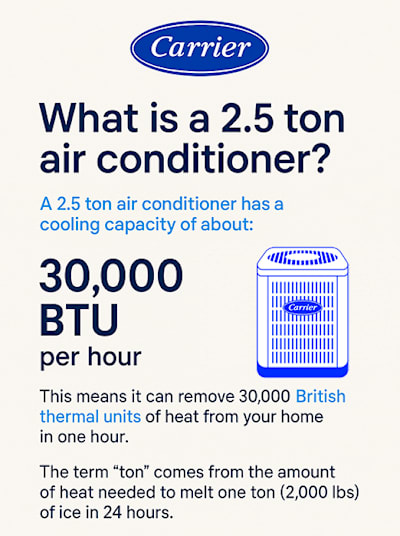
BTUstands for British Thermal Unit. It measures how much heat an air conditioner can remove in an hour. The higher the BTU, the more cooling power the unit has.
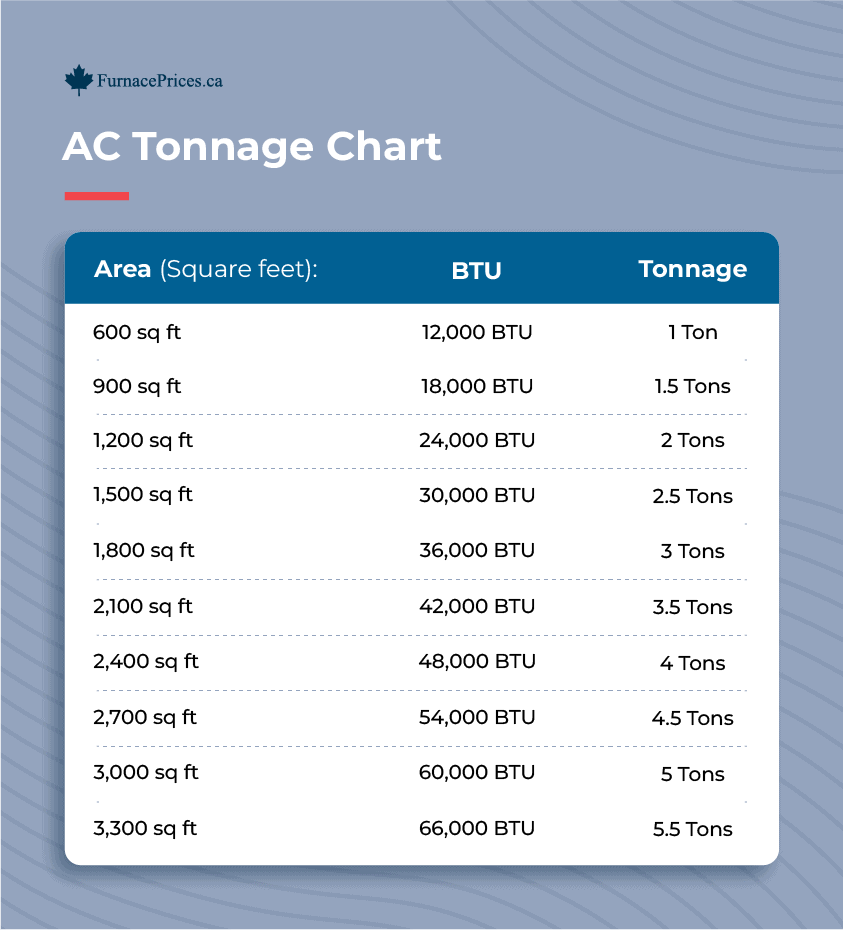
To find the right size, first measure the square footageof the room. Multiply the room length by width. A simple rule is about 20 BTU per square foot.
Climate affects cooling needs. Hotter places need more BTUs. Cooler places need fewer BTUs. Adjust the BTU amount by about 10-20% based on your climate.
Room layout matters too. Rooms with many windows or high ceilings may need more cooling power. Rooms shaded by trees or buildings may need less.
| Factor | Effect on BTU | Adjustment |
|---|---|---|
| Square Footage | Base cooling need | 20 BTU per sq. ft. |
| Climate | Hotter climates need more BTU | +10-20% |
| Room Layout | Windows, ceiling height affect cooling | Adjust BTU up or down |
Types Of Air Conditioners
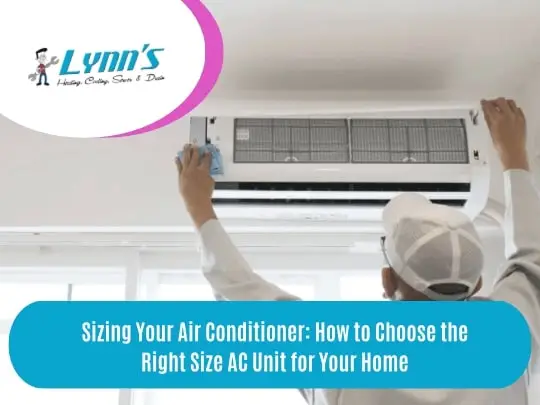
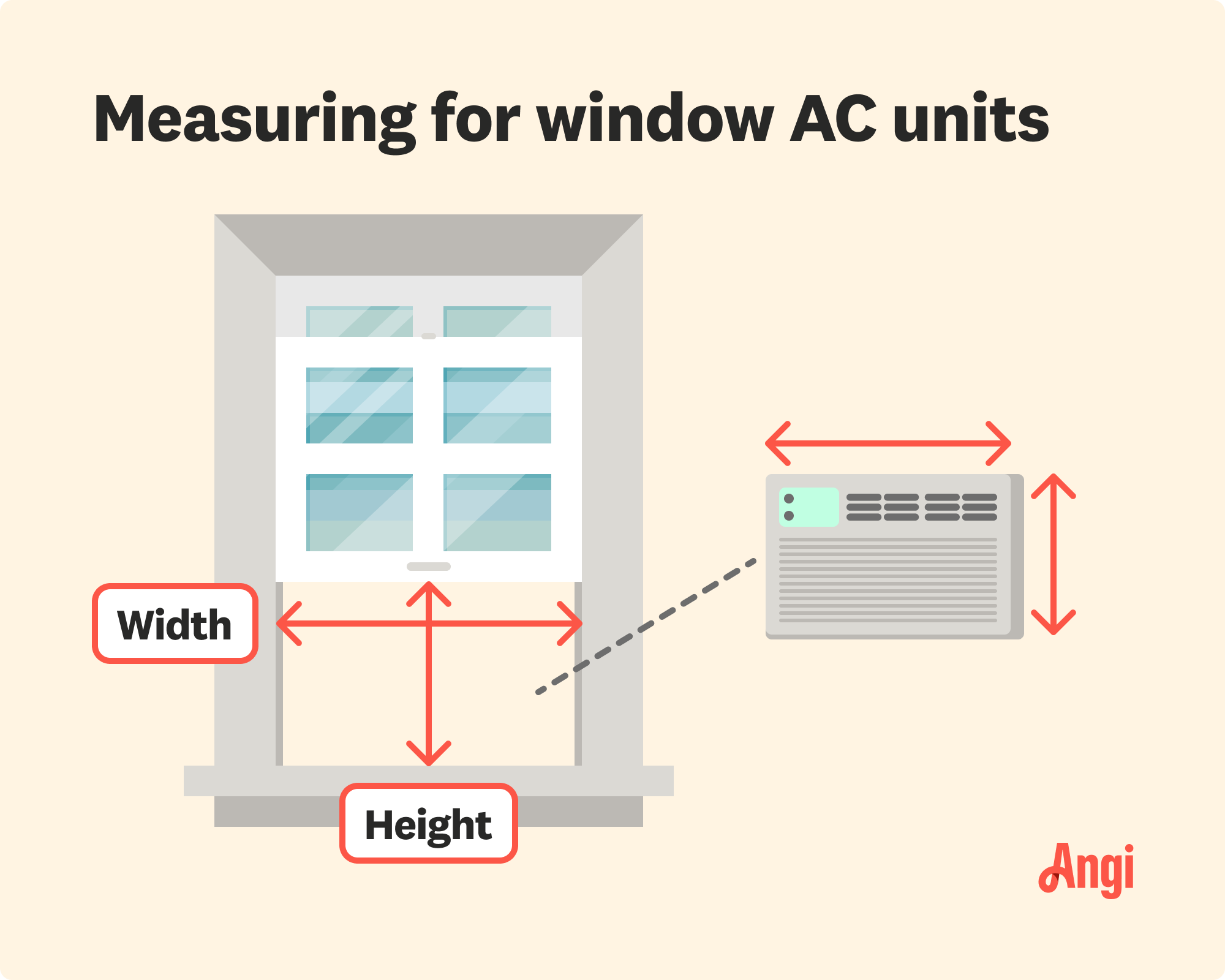
Window unitsare small air conditioners that fit into a window. They are easy to install and good for cooling one room. These units are usually less expensive but can be noisy.
Split systemshave two parts: one inside and one outside the house. They cool rooms quietly and work well for larger spaces. These systems need professional installation.
Portable ACscan be moved from room to room. They are simple to set up and good for temporary use. These units need a window for the exhaust hose.
Central air conditioningcools the whole house through ducts. It keeps the temperature even in every room. This system costs more but is very effective and quiet.
Credit: lynnswinnipeg.ca
Energy Efficiency Ratings
SEER(Seasonal Energy Efficiency Ratio) measures cooling efficiency over a season. The higher the SEER, the less energy the air conditioner uses. EER(Energy Efficiency Ratio) shows efficiency at a specific temperature. Both help compare models easily.
Better ratings mean lower utility bills. An air conditioner with a high SEER or EER uses less electricity. This saves money over time. It also helps reduce energy waste and environmental impact.
- Choose models with SEER above 14 for better savings.
- EER is useful for hot climates with steady temperatures.
- Look for the ENERGY STAR label for efficient options.
- Consider your climate and usage to pick the best rating.
Common Sizing Mistakes
Oversizing an air conditionercauses frequent on-off cycles. This wastes energy and wears the unit out fast. Rooms may feel too cold quickly but still humid. It also costs more upfront and to run.
Undersizingmeans the AC can’t cool the space well. It runs all the time, raising electricity bills. The room stays hot and uncomfortable. The unit also breaks down sooner from overuse.
Ignoring ventilationreduces cooling efficiency. Poor airflow makes the AC work harder. Dust and heat build up inside, lowering comfort. Good ventilation helps air circulate and cool better.
Credit: www.carrier.com
Professional Sizing Tools
Manual J Load Calculationhelps figure out the cooling needs of your home. It looks at your house size, windows, insulation, and climate. This method gives an accurate estimate of the right air conditioner size.
Using Online Calculatorsis quick and easy. You enter details like room size, ceiling height, and sun exposure. The calculator then suggests a suitable AC size. These tools are good for a basic idea.
Consulting HVAC Expertsprovides personalized advice. Experts visit your home, check conditions, and recommend the best unit. Their knowledge helps avoid buying too big or too small an air conditioner.
Installation Tips
Choose a spot for your air conditioner that gets good airflow. Avoid places with direct sunlight or near heat sources. This helps the unit cool better and use less energy.
Seal windows and doors around the air conditioner to keep cool air inside. Good insulationstops warm air from sneaking in. This makes your room cooler and saves money.
- Clean or replace filters every month.
- Check for dust on coils and fins.
- Clear debris around the outdoor unit.
- Schedule yearly professional check-ups.
Credit: www.angi.com
Frequently Asked Questions
How Do I Calculate The Right Ac Size For My Room?
Measure your room’s square footage first. Then multiply by 20 BTUs per square foot. This gives a basic estimate for the AC size you need.
Why Is Ac Size Important For Cooling Efficiency?
Choosing the correct AC size ensures effective cooling and energy savings. An oversized unit wastes electricity, while an undersized one struggles to cool.
What Happens If My Air Conditioner Is Too Big?
A too-large AC cools quickly but causes humidity problems and frequent cycling. This leads to discomfort and higher energy bills.
Can A Small Air Conditioner Cool A Large Room?
No, a small AC won’t cool a large room effectively. It will run constantly and fail to maintain a comfortable temperature.
Conclusion
Choosing the right air conditioner size is crucial. It ensures comfort and efficiency. Measure your room size carefully. Consider the climate and insulation. These factors affect cooling needs. Too big wastes energy. Too small struggles to cool. Use BTU calculators online for guidance.
Professional help is also available. Proper sizing saves energy costs. It extends the life of your unit. Comfort and savings go hand in hand. Make informed decisions. Enjoy a cool and comfortable space.