Are you ready to catch more fish and make every fishing trip exciting? Knowing how to use fishing lures can change the way you fish.
It’s not just about throwing a line in the water; it’s about using the right lure in the right way to attract fish. You’ll discover simple tips and tricks that will help you choose and use fishing lures like a pro.
Keep reading, and you’ll soon find yourself reeling in bigger and better catches. Your next great fishing story starts here!
Types Of Fishing Lures
Fishing lures come in many shapes and sizes. Each type works best for certain fish and water conditions.
Knowing the different types helps you pick the right lure for your fishing trip.
Hard Baits
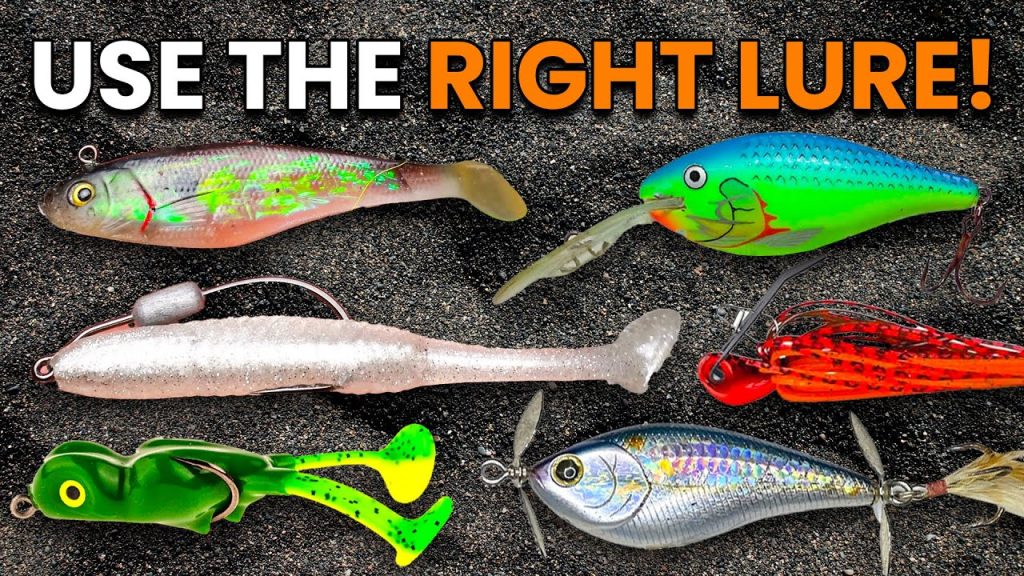
Hard baits are made of wood or plastic. They have a solid body and often include small metal parts to make noise or flash in the water.
These lures imitate small fish or other prey. You can find crankbaits, jerkbaits, and minnow baits under this category.
Soft Plastics
Soft plastics are flexible and can look like worms, grubs, or other creatures. They move naturally in the water to attract fish.
- Worms – long and slender
- Grubs – short with curly tails
- Creature baits – mimic insects or small animals
- Swimbaits – shaped like small fish
Spinnerbaits And Spoons
Spinnerbaits have metal blades that spin and flash. They create vibrations fish can sense.
Spoons are curved metal lures that wobble side to side as you pull them. Both types work well in murky water.
| Type | Action | Best Use |
| Spinnerbaits | Flash and vibration | Shallow water, cover fishing |
| Spoons | Wobble and flash | Deep water, open water |
Topwater Lures
Topwater lures float on the water surface. They create splashes and noise to attract fish from below.
- Poppers – make a popping sound when pulled
- Walk-the-dog – zigzag movement on water
- Frogs – imitate frogs jumping on water
- Buzzbaits – spin and make noise above water
Matching Lures To Fish Species
Choosing the right fishing lure helps catch more fish. Different fish prefer different types of lures.
Matching lures to the fish species you want to catch improves your chances. Learn which lures work best for each fish.
Bass
Bass like lures that look like small fish or frogs. Soft plastic worms and crankbaits work well. Bright colors attract bass in murky water.
- Plastic worms
- Crankbaits
- Spinnerbaits
- Topwater frogs
Trout
Trout prefer smaller lures that mimic insects or small fish. Use spoons, spinners, and flies to catch trout. Natural colors work best in clear water.
| Lure Type | Best Colors |
| Spoons | Silver, gold |
| Spinners | Brown, green |
| Flies | Black, olive |
Pike
Pike like big, flashy lures that move fast. Use large spoons, jerkbaits, and spinnerbaits. Bright colors and shiny finishes attract pike in deep water.
- Large spoons with bright finishes
- Jerkbaits that mimic wounded fish
- Spinnerbaits with large blades
Saltwater Species
Saltwater fish vary a lot, but lures that imitate baitfish work well. Use jigs, plugs, and soft plastics. Choose lure size based on the species targeted.
- Jigs for bottom fish
- Plugs for surface feeders
- Soft plastics for versatile use
Selecting The Right Lure Color
Choosing the right lure color is very important for catching fish. The color helps fish see the lure better in the water.
Water clarity, weather, and light all affect which colors work best. Knowing these can improve your fishing results.
Clear Water Choices
In clear water, fish see colors well. You want natural colors that look like real bait.
Use colors like green, brown, or silver. These colors blend with the environment and seem real to fish.
- Green shades for weeds and plants
- Brown shades for natural baitfish
- Silver or white for shiny, reflective looks
Murky Water Options
In murky water, fish can’t see well. Bright and bold colors stand out and attract attention.
Choose colors like chartreuse, orange, or bright red. These colors are easier for fish to spot.
- Chartreuse is very bright and visible
- Orange adds strong contrast
- Bright red mimics injured prey
Influence Of Weather And Light
Weather and light change how colors look underwater. On sunny days, subtle colors work well.
On cloudy days or low light, use brighter colors. They help fish see your lure better in dim conditions.
- Sunny weather: use natural, soft colors
- Cloudy weather: use brighter, more visible colors
- Dawn or dusk: use colors with contrast
Techniques For Casting And Retrieval
Using fishing lures well needs good casting and retrieval skills. These skills help attract fish to your lure.
Different techniques change how the lure moves. This can make fish more interested in biting.
Steady Retrieve
Steady retrieve means pulling the line back at a slow, even speed. This makes the lure swim like a real fish.
This technique works well for beginners. It is simple and can attract many types of fish.
Twitching And Jerking
Twitching and jerking involve quick, small movements of the rod tip. These make the lure move in a jerky way.
- Cast the lure and start a slow retrieve
- Use your wrist to twitch the rod tip sharply
- Make short jerks to mimic injured prey
- Pause briefly to let the lure float
Stop And Go
Stop and go means reeling in the lure, then pausing. This starts and stops the lure’s movement.
This method can trick fish into thinking the lure is an easy target. It adds excitement to the lure’s action.
Using A Fishing Rod’s Action
| Rod Action | Description | Effect on Lure |
|---|---|---|
| Fast Action | Bends near the tip | Quick, sharp movements |
| Medium Action | Bends in the upper half | Balanced, smooth lure action |
| Slow Action | Bends from the handle | Wide, gentle lure movement |
Choose your rod based on the lure type and fishing style. Fast action rods give quick lure movement. Slow action rods create smooth, wide motions.
Adjusting To Water Conditions
Fishing lures work best when you change how you use them. Water conditions affect how fish see and feel your lure. Learning to adjust helps you catch more fish.
Different water conditions need different lure settings. This guide explains how to adjust for depth, current, tides, and temperature.
Depth Control
Fish live at different depths depending on the time of day and season. You must control how deep your lure goes to reach them. Use lures designed for the right depth or adjust your line length.
Try letting your lure sink slower or faster. Use a weighted lure to go deeper. Change your retrieval speed to keep the lure where the fish are.
Current And Tide Effects
Water movement changes how your lure moves. Strong currents can push your lure away from fish. Tides bring fish closer or farther from shore. Adjust your lure weight and retrieval speed to match the water flow.
- Use heavier lures in strong currents
- Retrieve slower when the tide moves fast
- Fish near tide edges where currents meet
Temperature Considerations
Water temperature affects fish activity and lure choice. Fish are more active in warm water and slower in cold water. Use faster lure movements in warm water and slower in cold water.
Choose lures that mimic local prey active at the water temperature. Bright colors work better in cold water when fish see less clearly.

Credit: fishingbooker.com
Tips For Storing And Maintaining Lures
Keeping your fishing lures in good shape helps them last longer. Proper care makes sure they work well every time you fish.
Learn how to clean, store, and repair your lures to keep them ready for your next trip.
Cleaning After Use
Rinse your lures with fresh water after fishing. This removes dirt, salt, and debris that can cause damage.
Dry them well before storing to avoid rust and corrosion. Use a soft cloth to wipe off excess water.
Proper Storage Methods
Store lures in a dry, cool place away from direct sunlight. This prevents fading and material breakdown.
- Use tackle boxes with separate compartments to avoid tangling.
- Keep lures dry by adding silica gel packs to storage boxes.
- Organize lures by type or size for easy access.
- Check stored lures regularly for signs of damage or rust.
Replacing Hooks And Hardware
Hooks and other hardware wear out over time. Replace them to keep lures effective and safe.
| Hardware Part | Signs to Replace |
| Hooks | Dull, rusty, or bent points |
| Split rings | Rust, cracks, or poor movement |
| Swivels | Stiff rotation or corrosion |
Use pliers to remove old parts and attach new ones securely. Test the lure before use to ensure all parts work well.
Common Mistakes To Avoid
Using fishing lures can be fun and effective. Still, anglers often make simple mistakes. These errors reduce chances of catching fish.
Knowing what to avoid helps improve your fishing experience. Here are some common mistakes and how to steer clear of them.
Overusing One Type Of Lure
Many anglers stick to one lure type. This limits your chances in changing waters. Fish may ignore the same lure after a while.
- Try different colors and sizes.
- Switch between hard baits and soft baits.
- Use lures that mimic local prey.
- Change your lure if fish stop biting.
Ignoring Local Fishing Conditions
Fishing without checking local conditions wastes time. Water temperature, weather, and season affect fish behavior. Adjust your lure choice and technique accordingly.
| Condition | Effect on Fish | Lure Tips |
| Cold Water | Fish are slow | Use slow-moving lures |
| Warm Water | Fish are active | Use fast, bright lures |
| Clear Water | Fish see well | Use natural colors |
| Murky Water | Fish rely on sound | Use noisy or bright lures |
Neglecting Lure Maintenance
Dirty or damaged lures catch fewer fish. Rusty hooks and faded paint reduce lure action. Proper care keeps your lures effective longer.
- Rinse lures with fresh water after use.
- Dry lures before storing them.
- Sharpen hooks regularly.
- Replace damaged parts promptly.

Credit: www.lurenet.com

Credit: www.youtube.com
Frequently Asked Questions
What Are The Best Fishing Lures For Beginners?
Soft plastic lures and spinnerbaits are great for beginners. They are easy to use and effective in various waters. These lures mimic prey well, attracting many fish species. Start with versatile lures to build confidence and improve fishing skills quickly.
How Do I Choose The Right Fishing Lure Size?
Select lure size based on target fish and water conditions. Smaller lures suit clear water and small fish. Larger lures work well in murky water or for bigger fish. Match lure size to local baitfish for better results.
When Should I Change My Fishing Lure Type?
Change lures if fish aren’t biting after 15-20 minutes. Also switch when water or weather conditions change. Different lures work best for different fish behaviors and environments. Experimenting helps find the most effective lure faster.
How To Properly Cast Fishing Lures?
Use a smooth, controlled motion to cast lures. Avoid sudden jerks to prevent tangles and improve accuracy. Practice casting to increase distance and precision. Proper casting helps lure appear natural and attracts more fish.
Conclusion
Mastering fishing lures boosts your catch rate significantly. Choose the right lure for the water and fish type. Experiment with colors and sizes to find what works best. Practice casting techniques to improve your skills. Don’t forget to be patient and observe the water.
Fish behavior can change, so adapt your approach. Always ensure your gear is in good condition. A well-prepared angler catches more fish. Remember, practice makes perfect. Enjoy your fishing adventures, and keep learning. Happy fishing!