Are you looking to buy a new air conditioner but feel confused by all the technical terms? One number you shouldn’t overlook is the EER rating.
It plays a big role in how much energy your AC will use and how much it will cost you in the long run. Understanding what a good EER rating is can help you pick the right unit that keeps your home cool without draining your wallet.
Keep reading to discover how to find the perfect balance between comfort and efficiency for your space.

Credit: thefurnaceoutlet.com
Eer Rating Basics
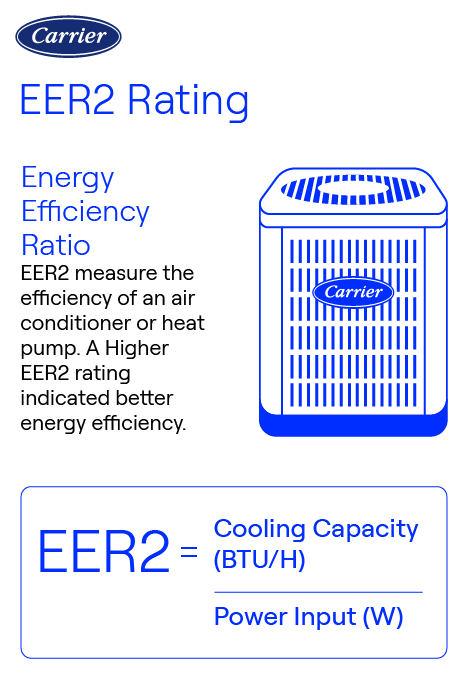
EERstands for Energy Efficiency Ratio. It shows how well an air conditioner uses power to cool. A higher EER means the AC uses less energy for the same cooling.
EER is found by dividing the cooling output by the power input. Cooling output is measured in BTUs (British Thermal Units). Power input is measured in watts.
| Term | Unit | Description |
|---|---|---|
| Cooling Output | BTU | Amount of heat removed by AC |
| Power Input | Watts | Electric energy used by AC |
| EER | BTU/Watt-hour | Cooling output divided by power input |
Importance Of Eer In Air Conditioners
EERstands for Energy Efficiency Ratio. It shows how well an air conditioner uses power. A higher EER means the unit uses less electricity for cooling. This saves energy and lowers electricity bills.
Air conditioners with good EER ratings reduce power use. This means spending less money to keep your home cool. Over time, these savings can be big.
Using air conditioners with high EER helps the planet. Less energy use means fewer harmful gases released. This helps fight climate change and keeps air cleaner.
Good Eer Ratings Explained
EERstands for Energy Efficiency Ratio. It shows how well an air conditioner uses electricity. A higher EER means the AC cools more using less power. Typical EER ranges help buyers pick the right unit. Most home air conditioners have an EER from 8 to 12. A value above 10 is usually good for energy savings. Commercial or larger units may have different ranges.
| Space Type | Ideal EER Value |
|---|---|
| Small rooms (up to 150 sq ft) | 10 – 12 |
| Medium rooms (150-300 sq ft) | 9 – 11 |
| Large rooms (300+ sq ft) | 8 – 10 |
SEER means Seasonal Energy Efficiency Ratio. It measures efficiency over a full cooling season. EER is for steady conditions, SEER for changing ones. Both ratings help understand energy use. SEER is often higher because it accounts for variable temperatures.

Credit: thefurnaceoutlet.com
Factors Influencing Eer
Climate and locationaffect the EER rating significantly. Hotter places demand more cooling power, which can lower EER. Cooler areas may allow the AC to run more efficiently, resulting in a higher EER. This makes the AC’s energy use vary by region.
AC unit size and capacityplay a big role in efficiency. A unit too small for a room works harder, reducing EER. A unit too large cycles on and off often, also lowering efficiency. Proper sizing ensures the best balance of power and energy use.
Technology and featuresimpact the EER rating. Newer ACs with advanced compressors, better insulation, and smart controls use less energy. Features like variable speed fans and eco modes help save power. Older models may have lower EER because they lack these improvements.
Choosing An Air Conditioner Based On Eer
EERstands for Energy Efficiency Ratio. It shows how well an air conditioner cools using electricity. A higher EER means better efficiency and lower energy bills. Good EER ratings usually start from 11 to 13. For hot climates, choose a unit with an EER above 12 for best results. A balance between cooling power and energy use saves money and keeps your home comfortable.
Air conditioners with higher EER ratings might cost more upfront. But they save more money on electricity over time. Cheaper units can use more power and raise bills. Decide how much you want to spend now versus later. Sometimes spending a bit more means big savings.
Energy labels show the EER and other important info. Look for labels with clear numbers and ratings. These help compare models easily. Labels also show the cooling capacity in BTUs. Choose one that fits your room size to avoid wasted energy.

Credit: ecmservice.com
Maintaining High Eer Performance
Regular maintenance helps keep an air conditioner’s EER ratinghigh. Clean or replace filters often to allow good airflow. Check and clean the coils to improve cooling. Ensure the outdoor unit is free from dirt and debris.
Signs of efficiency drop include higher energy bills and weak cooling. The AC may run longer or make strange noises. Warm air coming from vents can also signal problems.
Consider upgrading the AC if the EER ratingis low, or if repairs cost too much. Newer models save energy and cool better. Upgrades may pay off in lower bills over time.
Frequently Asked Questions
What Is A Good Eer Rating For An Air Conditioner?
A good EER rating for an air conditioner is typically 11 or higher. Higher EER means better energy efficiency, which saves electricity and lowers bills. Look for units with EER ratings above 12 for optimal performance and cost savings.
How Does Eer Rating Affect Ac Energy Consumption?
The EER rating measures how efficiently an AC uses power to cool. A higher EER means the AC consumes less energy for the same cooling output. Choosing an AC with a high EER rating reduces electricity usage and helps in lowering monthly energy costs.
Is A Higher Eer Rating Always Better For Ac?
Yes, a higher EER rating indicates better energy efficiency. However, balance EER with unit capacity and price. Extremely high EER units may cost more upfront but save money long-term through reduced energy bills.
Can Eer Rating Vary By Ac Type Or Size?
Yes, EER ratings differ based on AC type, size, and design. Window units usually have lower EER than split or central systems. Larger capacity ACs may have different EER values, so compare similar models for accurate efficiency.
Conclusion
Choosing a good EER rating ensures an efficient air conditioner. It saves energy and reduces bills. Higher EER ratings mean better performance. Look for units with an EER above 10. This rating offers a balance of efficiency and cost. It’s important to consider your climate.
Hotter areas benefit more from higher EER ratings. Investing in a good EER-rated unit pays off over time. It provides comfort and energy savings. Make an informed choice. Your home will stay cool and efficient.