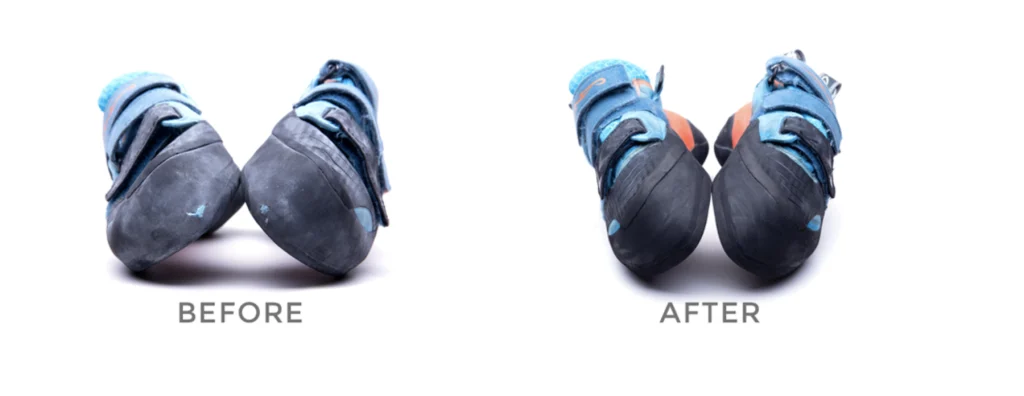
Your climbing shoes are your closest partners on the wall. But how do you know when it’s time to resole them before they let you down?
Ignoring worn-out soles can cost you grip, comfort, and even safety. You’ll discover the simple signs that tell you it’s time to give your shoes new life. Keep reading to make sure your next climb feels just right and stays safe from start to finish.
Signs Your Shoes Need Resoling
Climbing shoes wear out after many climbs. Knowing when to resole them saves money and keeps you safe.
Look closely at your shoes to spot signs that show they need resoling soon.
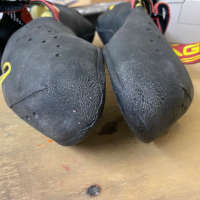
Worn Out Soles
The sole is the part of the shoe that touches the rock. Over time, it thins and wears down. Thin soles reduce foot support and make climbing harder.
- The sole feels smooth and flat instead of grippy.
- Edges of the sole are no longer sharp or defined.
- You can see the midsole or inner layers through the rubber.
- There are holes or very thin spots on the bottom.
Loss Of Grip
Grip helps you hold on to rocks and walls. If the shoes lose grip, you risk slipping.
| Grip Issue | Effect |
| Rubber feels smooth or shiny | Less friction on holds |
| Rubber cracks or peels | Uneven contact with rock |
| Soles separate from shoe | Reduced stability |
Visible Damage
Check for cuts, tears, or holes in the rubber and upper parts. These damages can get worse and make shoes unsafe.
- Large holes in the sole or rand
- Separation of sole from the shoe body
- Deep cuts or rips in the rubber
- Worn down toe or heel areas

Credit: www.reddit.com
Benefits Of Resoling Climbing Shoes
Climbing shoes wear out after many climbs. Resoling them can bring many benefits. It helps keep your shoes useful and ready for your next climb.
Knowing when to resole your climbing shoes can save money and improve your climbing experience. It keeps your shoes in good shape for a longer time.
Improved Performance
Worn-out soles reduce grip and control on rocks. Resoling adds fresh rubber that sticks better to surfaces. This helps you climb with more confidence and safety.
New soles restore the shoe’s shape and support. This makes your feet feel more comfortable and stable during climbs.
Cost Efficiency
Buying new climbing shoes often can be expensive. Resoling costs less than buying new shoes. It is a smart way to save money over time.
Fixing your shoes keeps them usable longer. This means you get more value from your original purchase.
Extended Shoe Life
Resoling prevents damage from getting worse. It stops holes and tears from spreading. This keeps the shoes strong and durable.
Taking care of your shoes with resoling means you do not need to replace them often. It helps reduce waste and is better for the environment.
How Often To Resole
Climbing shoes wear down with use. Knowing when to resole them can save money and improve performance.
Resoling depends on how often you climb and the shoe type you use. This guide helps you decide.
Frequency Based On Usage
If you climb a lot, your shoes wear out faster. Casual climbers resole less often than frequent climbers.
Look for worn-down soles or holes. These signs mean it is time to resole your shoes.
- Climb 2-3 times a week: resole every 3-6 months
- Climb once a week: resole every 6-12 months
- Climb occasionally: resole every 12-18 months
Shoe Type Considerations
Different climbing shoes have different sole thickness and materials. These affect how fast they wear out.
Stiffer shoes last longer but may lose grip as they wear. Softer shoes need resoling sooner to keep good grip.
- Soft shoes: resole more often for grip and safety
- Stiff shoes: resole less often but watch for sole cracks
- Rubber thickness: thinner soles wear faster
Credit: www.uncarvedblock.com.au
Choosing The Right Resole Service
Climbing shoes wear down over time and need resoling to keep performing well. Picking the right resole service can save your shoes and money.
This guide helps you compare local and mail-in options. It also explains why quality and materials matter for resoling.
Local Vs. Mail-in Options
Local resole shops let you talk to the cobbler and see your shoes in person. Mail-in services offer convenience, especially if no local shops are nearby.
- Local shopsprovide faster turnaround and direct communication.
- Mail-in servicesmay have more experience with climbing shoes.
- Consider shipping costs and time delays with mail-in options.
- Local shops can often inspect and fix other shoe issues at once.
Quality And Materials
Quality resoling means using the right rubber and expert techniques. This affects grip, comfort, and shoe life.
| Material | Benefits | Common Use |
|---|---|---|
| Vibram XS Grip | High friction, durable | Sport climbing shoes |
| Stealth C4 | Sticky, good edge hold | Bouldering shoes |
| Flat rubber | Long-lasting, less sticky | Traditional climbing shoes |
Diy Resoling: Pros And Cons
Climbing shoes wear out after many uses, especially the soles. Resoling can extend shoe life. Some climbers choose to resole shoes at home.
DIY resoling saves money but needs care and skill. It is important to know the benefits and challenges before starting.
Tools Needed
Gathering the right tools is key for a good DIY resole. Using proper tools helps you work safely and get better results.
- Shoe glue made for rubber and leather
- Sandpaper or a sanding block
- Rubber soles or patches for climbing shoes
- Sharp scissors or a utility knife
- Clamps or heavy weights to press the sole
- Cleaning supplies like rubbing alcohol and cloth
Skill Level Required
Resoling climbing shoes is not very easy. It needs some skill and patience. Beginners might find it hard to get perfect results.
Practice and attention to detail improve your work. If you rush or miss steps, the sole may peel off or feel uncomfortable.

Credit: www.reddit.com
Maintaining Shoes Between Resoles
Climbing shoes need care to last longer between resoles. Taking small steps helps keep them strong and comfortable.
Proper maintenance can delay wear and keep your shoes working well for many climbs.
Proper Cleaning
Cleaning climbing shoes removes dirt and sweat that break down materials. Use gentle methods to avoid damage.
- Wipe shoes with a damp cloth after each use
- Use mild soap and water for deeper cleaning
- Air dry shoes away from heat sources
- Do not soak shoes or use harsh chemicals
- Remove insoles for cleaning and drying separately
Storage Tips
Proper storage keeps shoes in shape and prevents bad odors. Use simple habits to protect your climbing gear.
| Storage Tip | Why It Helps |
| Keep shoes in a cool, dry place | Prevents mold and material breakdown |
| Use a breathable bag or box | Allows air circulation to avoid moisture |
| Do not crush or stack heavy items on shoes | Maintains shoe shape and sole integrity |
| Store shoes with insoles removed | Allows thorough drying and reduces odor |
When To Replace Instead Of Resole
Climbing shoes wear out over time. Knowing when to replace them can save you pain and money. Resole works well for worn soles, but some problems need new shoes.
Check your shoes often to spot issues early. This guide helps you decide if it is time for replacement.
Shoe Age
Old climbing shoes lose their fit and support. The materials break down and become less safe. Age can make resoling less effective.
- Shoes older than 2 years may lose shape
- Leather and synthetic uppers can stretch or crack
- Foam and padding get compressed and lose comfort
- Stiffness and grip quality can reduce over time
If your shoes feel loose or painful, replacing them is better than resoling.
Structural Damage
Structural damage means parts of the shoe are broken or unsafe. Resoling only fixes the sole. Broken seams or holes need new shoes.
| Damage Type | Signs | Replace or Resole? |
| Seam separation | Uppers pulling apart | Replace |
| Large holes | Big tears on sides or toes | Replace |
| Midsole damage | Shoes feel soft or collapse | Replace |
| Worn sole | Sole thinning or holes | Resole |
| Rubber separating | Rubber lifting from shoe | Resole |
Frequently Asked Questions
When Should I Resole My Climbing Shoes?
Resole your climbing shoes when the rubber sole wears thin or holes appear. This prevents reduced grip and foot support. Generally, resoling is needed after 50-100 hours of climbing depending on usage and terrain.
How Do I Know My Shoes Need Resoling?
Check for worn-down rubber, holes, or loss of stickiness on the sole. If your shoes feel less grippy or the sole looks uneven, it’s time for a resole to maintain performance and safety.
Can Resoling Improve Climbing Shoe Performance?
Yes, resoling restores the rubber’s grip and shoe shape. Fresh soles enhance friction and foot precision, improving your overall climbing experience. Regular resoling extends shoe life and maintains optimal performance.
Is Resoling Cheaper Than Buying New Climbing Shoes?
Generally, resoling costs less than buying new shoes. It’s a cost-effective way to prolong shoe life and maintain performance. However, if the shoe upper is damaged, replacement might be better than resoling.
Conclusion
Resoling climbing shoes at the right time is essential. It extends their life. Check your shoe soles regularly. Watch for thinning or damage. Early resoling saves money. It also keeps you safe on climbs. Remember, worn soles can affect grip.
Your climbing performance might suffer. Take action when signs appear. Consult a professional if unsure. They offer expert advice. Keep climbing with confidence. Resole when needed. Enjoy your adventures without worry. Your shoes will thank you!