Are you struggling to find the right size air conditioner for your home? Choosing the perfect unit can feel confusing, but getting it right is key to staying cool without wasting money or energy.
If your AC is too small, it won’t keep your space comfortable. If it’s too big, you’ll face higher bills and uneven cooling. You’ll discover simple steps to figure out exactly how large an air conditioner you need. By the end, you’ll feel confident making the best choice for your comfort and budget.
Keep reading to find out what size fits your space perfectly.
Credit: www.popularmechanics.com
Factors Affecting Ac Size
The size of an air conditioner depends on several key factors. Room dimensionsare very important. Larger rooms need more cooling power. Measure the length, width, and height of the room to find the total volume.
Climate considerationsalso play a big role. Hotter and more humid areas require a bigger AC unit to keep the space comfortable. Cooler climates may need smaller units.
The quality of insulationin walls and ceilings affects cooling efficiency. Poor insulation lets heat in, so a stronger AC is needed. Good insulation helps keep the room cool with a smaller unit.
Windows and doorsinfluence the cooling load too. Rooms with many or large windows, especially those facing the sun, get hotter. This means a larger AC is necessary to cool the space well.
Occupancy levelsmatter as well. More people in a room produce more heat. This extra heat means the AC must be bigger to cool the room comfortably.
Types Of Air Conditioners
Central AC Systemscool entire homes by circulating cold air through ducts. They are quiet and efficient for large spaces. Installation needs professional help and ductwork.
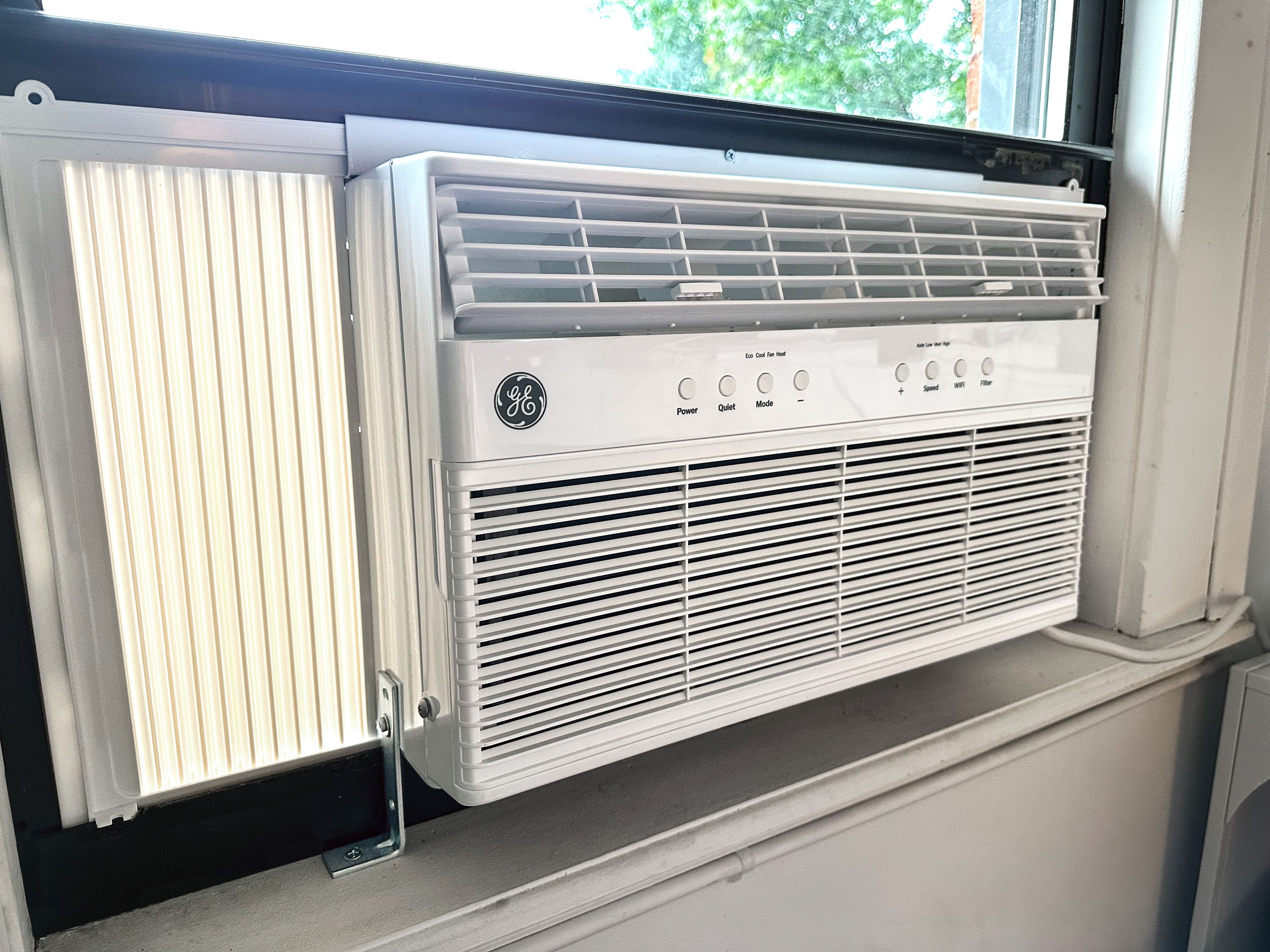
Window Unitsfit in windows and cool single rooms. They are easy to install and cost less. Best for small spaces or rooms without central AC.
Portable Air Conditionersare movable and do not need permanent installation. They vent hot air through a window hose. Good for renters or temporary use.
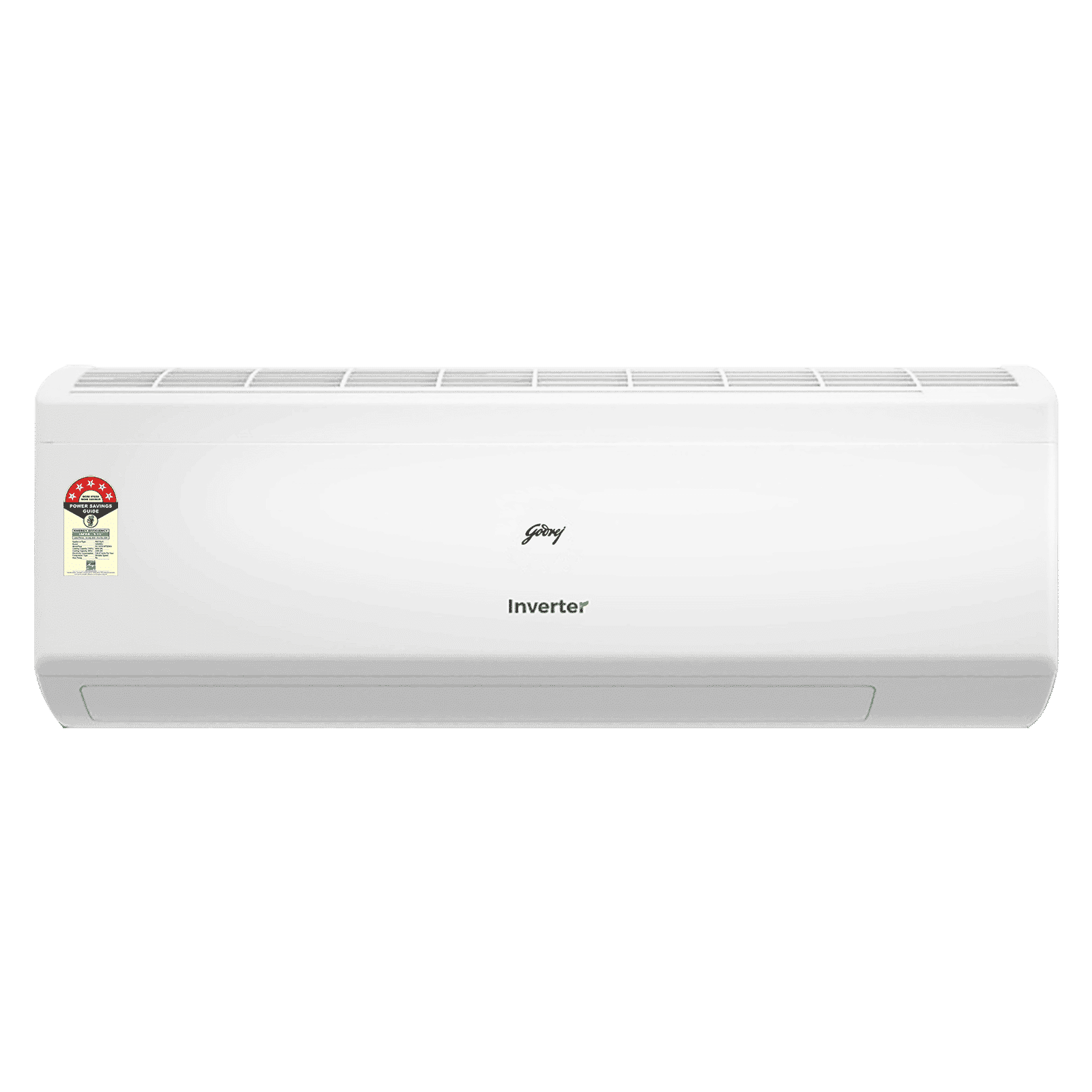
Ductless Mini-Splitsconsist of an outdoor unit and one or more indoor units. They cool rooms individually without ducts. Ideal for homes without ductwork or room additions.
Calculating Cooling Capacity
Measure the lengthand widthof the room in feet. Multiply these numbers to get the square footage.
| Square Footage | BTU Required |
|---|---|
| Up to 150 sq ft | 5,000 BTU |
| 150 – 250 sq ft | 6,000 BTU |
| 250 – 350 sq ft | 8,000 BTU |
| 350 – 450 sq ft | 10,000 BTU |
| 450 – 550 sq ft | 12,000 BTU |
Rooms with more sunlightneed extra cooling power. Add 10%to your BTU if the room is very sunny. For shaded rooms, reduce BTU by about 10%.
- Heat from appliancesand electronicsadds to the cooling load.
- Add 400 BTUfor each large appliance.
- Add 100-400 BTUfor computers and TVs depending on size.

Credit: www.warmzilla.co.uk
Common Sizing Mistakes
Oversizing an air conditionercan cause frequent cycling. This wastes energy and reduces comfort. The room might feel cold, then warm quickly. It also wears out the unit faster.
Undersizing the ACmeans it can’t cool properly. The unit runs all the time but the room stays hot. This increases electricity bills and stress on the AC.
Ignoring room usageis a big mistake. Rooms with many people or heat sources need larger units. A bedroom needs less cooling than a kitchen or living room.
Neglecting ventilationharms AC performance. Poor airflow makes cooling harder. Proper vents and fans help the AC work well and keep air fresh.
Energy Efficiency And Sizing
SEER ratingsshow how well an air conditioner uses energy. The higher the SEER number, the more efficient the unit is. This means it cools better without using much electricity. Choosing a unit with a good SEER rating saves money on energy bills.
Properly sized air conditioners work best. Too big units cool quickly but waste energy and can cause humidity problems. Too small units run longer and still don’t cool well. Correct sizing lowers energy costs and keeps your home comfortable.
Energy Star modelsmeet strict energy efficiency rules. They use less power and help reduce your electric bill. These models often have high SEER ratings and use advanced technology to save energy. Selecting Energy Star units is a smart choice for long-term savings.
Credit: www.tataneu.com
Professional Sizing Methods
Manual J Load Calculationis a detailed way to find the right air conditioner size. It looks at home size, insulation, windows, and climate. This method helps avoid buying a unit that is too big or too small.
Consulting HVAC Expertsmeans asking trained professionals to measure and suggest the best size. They use tools and experience to give accurate advice. Experts ensure the system runs well and saves energy.
- Using Online Sizing Toolsis a quick way to get an estimate.
- These tools ask for home details like area, ceiling height, and sun exposure.
- Results give a size range to help pick a unit.
Tips For Selecting The Right Ac
Choosing the right air conditioner size affects both costand comfort. A unit too small will struggle to cool your space. A unit too big wastes energy and money. Balance these factors for the best result.
Think about future needs. Will your room size or usage change? Consider extra heat sources or new windows. Planning ahead avoids buying a new unit soon.
Proper installationis key. Place the AC where air flows freely. Avoid direct sunlight or obstructions. Good installation improves efficiencyand extends the unit’s life.
Frequently Asked Questions
What Size Air Conditioner Do I Need For My Room?
To determine the right size, calculate the room’s square footage. Multiply length by width. For every square foot, you’ll need about 20 BTUs. Consider factors like ceiling height, sunlight, and insulation. These affect cooling needs. Consult a professional for precise sizing.
How Do I Calculate Btu Requirements?
To calculate BTU, measure your room’s area in square feet. Multiply the area by 20. This gives you the approximate BTUs required. Adjust for factors like high ceilings, direct sunlight, and room usage. A professional assessment ensures accuracy.
Does Room Insulation Affect Ac Size?
Yes, insulation significantly impacts AC size. Well-insulated rooms maintain temperature better, requiring less cooling. Poor insulation leads to energy loss, increasing AC demand. Insulation quality affects efficiency and energy costs. Assess your insulation to determine the correct AC size.
Is A Bigger Air Conditioner Always Better?
No, bigger isn’t always better. Oversized units cool quickly but inefficiently. They don’t dehumidify properly, leading to discomfort. They also cycle on and off, wasting energy. Choose the right size for efficient cooling and comfort. Consult an expert for best results.
Conclusion
Choosing the right air conditioner size matters a lot. Too small, and your room stays hot. Too big, and you waste energy and money. Measure your space carefully. Think about sun, windows, and insulation too. A well-sized unit cools faster and saves costs.
Take time to pick the best fit for your home. Stay comfortable all summer without extra bills. Simple steps lead to better cooling and peace of mind.