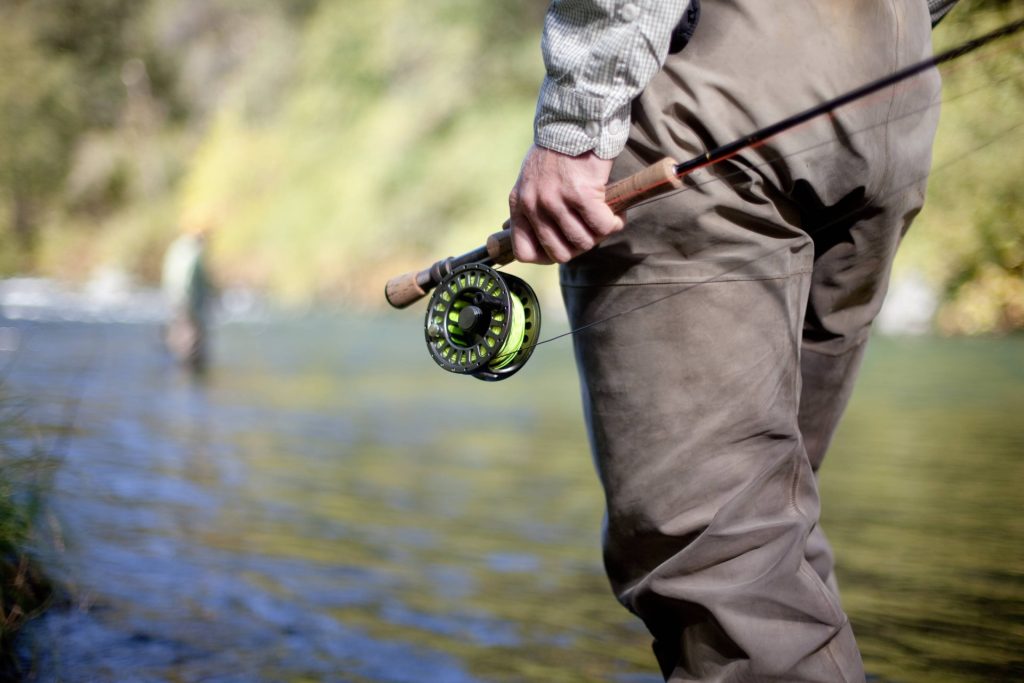
Planning to take your fishing rods on a flight? You might be wondering how to pack them safely, avoid extra fees, and get through airport security without hassle.
Flying with fishing gear can feel tricky, but it doesn’t have to be stressful. This guide will show you simple, effective steps to protect your rods and make your travel smooth. Keep reading, and you’ll discover insider tips that save you time, money, and headaches on your next fishing trip.
Choosing The Right Fishing Rod
Flying with fishing rods needs careful choice. The right rod makes travel easier.
Consider the type, material, and length to pick the best fishing rod for your trip.
Types Suitable For Travel
Some rod types are made for easy transport. They break down into smaller parts.
- Travel rods: designed to split into sections for packing.
- Telescopic rods: collapse into a compact size.
- Spinning rods: popular and often come in travel-friendly models.
Material And Durability
Rod material affects weight and strength. Choose a rod that can handle travel wear.
| Material | Weight | Durability |
| Graphite | Light | Strong but can break if bent too far |
| Fiberglass | Heavier | Very tough and flexible |
| Composite | Medium | Balances strength and weight |
Rod Length Considerations
Shorter rods are easier to carry on planes. Longer rods give better casting but are harder to pack.
Here are tips for rod length and travel:
- Choose rods 6 to 7 feet long for easy packing.
- Use rod tubes or cases to protect your rod.
- Check airline rules for rod size limits.

Credit: www.amazon.ca
Packing Essentials For Fishing Rods
Flying with fishing rods requires careful packing. You must protect your gear from damage during travel.
Knowing how to pack rods properly helps avoid extra fees and lost equipment.
Protective Cases And Tubes
Use sturdy cases or tubes made for fishing rods. These protect rods from bending and breaking.
- Hard cases provide the best protection
- Soft tubes are lighter but less protective
- Choose cases with padded interiors
- Look for waterproof materials
- Check case length limits for airlines
Disassembling And Securing Rods
Take apart your fishing rods before packing. This reduces stress on the joints and prevents damage.
| Action | Reason |
| Remove reels | Protect delicate reel parts |
| Separate rod sections | Fit better in cases |
| Wrap guides with foam | Prevent scratches and breaks |
| Secure sections with tape | Keep rods from moving inside case |
Additional Gear To Pack
Pack extra items that keep your gear safe and organized during the flight.
- Protective sleeves for reels and lures
- Soft cloth or bubble wrap for fragile parts
- Small tool kit for quick repairs
- Plastic bags for hooks and small items
- Labels for easy identification
Airline Policies And Regulations
Flying with fishing rods requires knowing airline rules. Each airline has different policies for fishing gear. Understanding these helps avoid problems at the airport.
Before your trip, check the airline’s website for details on fishing rod transport. This guide covers baggage allowances, declaring gear, and possible fees.
Checking Baggage Allowances
Most airlines treat fishing rods as checked baggage. Some allow them as carry-on if space permits. Size and weight limits apply to fishing rods.
- Check the maximum length allowed for fishing rods.
- Verify weight limits for checked bags including fishing gear.
- Use a hard case to protect rods during travel.
- Confirm if multiple rods count as one or multiple bags.
Declaring Fishing Equipment
Declare your fishing rods at check-in. Some airlines require this for safety reasons. You may need to fill out a form or show your gear to staff.
| Item | Declaration Needed | Notes |
| Fishing Rods | Yes | At check-in desk or online |
| Fishing Reels | Sometimes | Depends on airline policy |
| Fishing Line | No | Usually allowed in carry-on |
Fees And Charges To Expect
Airlines may charge extra for fishing rods. Fees depend on size, weight, and if the rod exceeds baggage limits. Expect fees for oversized or extra bags.
- Standard baggage fees may apply if fishing rods count as regular luggage.
- Oversize fees apply if rods are longer than allowed length.
- Extra bag fees may occur if rods exceed the number of free bags.
- Some airlines offer special sports equipment rates.
Preparing For Security Checks
Flying with fishing rods requires some planning. Security checks can slow you down without the right preparation.
Knowing the rules and how to handle inspections helps make your trip smoother and less stressful.
Tsa Guidelines For Fishing Gear
The TSA allows fishing rods in carry-on and checked bags. Your rods must fit in the overhead bin or under the seat if carried on.
- Pack rods in a protective case to avoid damage.
- Disassemble rods if possible to fit them better.
- Remove hooks or pack them separately to avoid injury during checks.
- Declare your fishing gear at security checkpoints if asked.
- Check with your airline for size and weight limits.
Tips For Smooth Inspection
Security officers may inspect your fishing gear more closely. Being prepared helps the process go fast and easy.
| Tip | Reason |
| Pack rods in clear or labeled cases | Helps officers identify gear quickly |
| Keep hooks and lures separate | Prevents delays due to sharp objects |
| Arrive early at the airport | Allows extra time for inspections |
| Have your fishing license or permits ready | Shows proof of legal gear ownership |
Dealing With Potential Issues
Sometimes, security might question your fishing rods or ask for extra screening. Stay calm and cooperate.
- Explain the purpose of your gear politely.
- Show any permits or receipts if available.
- Remove rods from cases if requested.
- Consider shipping rods separately if you travel often.
- Check airline policies to avoid surprises at the airport.
Choosing The Best Travel Method
Flying with fishing rods requires careful planning. The right travel method keeps your gear safe. You must know your options before your trip.
This guide covers three ways to travel with fishing rods. Each way has pros and cons. Read to find what fits you best.
Carry-on Vs Checked Luggage
Decide if you want to carry your rod or check it in. Carry-on gives control but has size limits. Checked luggage can handle bigger rods but risks damage.
- Carry-On:Easier access, less chance of damage, but must fit airline size rules.
- Checked Luggage:Fits long rods, may need a hard case, risk of rough handling.
- Soft Cases:Light and flexible but less protective.
- Hard Cases:Heavy but protect rods well during transit.
Using Shipping Services
Shipping your fishing rods before your flight is another option. It avoids airline size rules and damage risks. You can send rods directly to your destination.
| Service Type | Cost | Delivery Time | Protection Level |
| Standard Shipping | Low | 5-7 days | Medium |
| Express Shipping | High | 1-3 days | High |
| Specialized Sports Shipping | Moderate to High | 3-5 days | Very High |
Choose a service that offers tracking and insurance. Pack rods in strong cases to avoid damage.
Traveling With Multiple Rods
Carrying many rods needs extra care. You must follow airline rules and pack well. Consider space and weight limits when packing.
- Use rod tubes or multiple hard cases.
- Label each case clearly with your contact info.
- Check airline policies for extra or oversized items.
- Disassemble rods if possible to save space.
- Use padded sleeves for extra protection.
Protecting Rods During Transit
Flying with fishing rods can be tricky. You must keep them safe from damage while traveling.
Use smart packing and careful handling to protect your rods. This guide covers key tips for transit.
Handling Baggage Carefully
Always inform airline staff that you have fishing rods. Ask them to handle your baggage gently.
Try to avoid placing rods near heavy or sharp objects. This lowers the risk of bending or breaking.
Using Padding And Wrapping
Wrap your fishing rods carefully with soft materials. This protects them from scratches and shocks.
- Use bubble wrap or foam tubes around the rods.
- Cover the rod tips with protective caps.
- Place rods in a hard case or sturdy tube if possible.
- Fill empty spaces with clothes or padding to stop movement.
Insurance And Damage Claims
Check if your travel insurance covers fishing gear. This helps if rods get lost or damaged.
| Tip | Reason |
|---|---|
| Keep receipts and photos of your rods | Proof of value for claims |
| Report damage immediately | Faster processing of claims |
| Use airline’s fragile item service | Extra care during baggage handling |
Tips For Stress-free Travel
Flying with fishing rods can be tricky if you do not prepare well. Taking some simple steps helps keep your gear safe. You can enjoy your trip without worry.
These tips focus on planning, labeling, and staying organized. Follow them for smooth travel with your fishing rods.
Planning Ahead
Check airline rules about fishing rods before you pack. Some airlines have size limits or fees. Knowing these rules saves time and money.
Buy a sturdy rod case that fits your rods well. A hard case offers more protection than soft ones. Pack your rods carefully inside the case.
- Measure your fishing rods and case before traveling
- Review airline policies on fishing gear
- Reserve extra space or pay fees if needed
- Use a hard case for better protection
Labeling And Documentation
Label your rod case with your name and contact details. This helps find your gear if it gets lost. Use a waterproof tag that stays attached.
Carry receipts or proof of purchase for your fishing rods. Some airports may ask for documentation. Keep these papers in your carry-on bag.
- Attach clear labels with your name and phone number
- Use waterproof tags for durability
- Keep purchase receipts or proof of ownership handy
- Store documents in your carry-on bag for easy access
Staying Organized On The Go
Keep your fishing rods and accessories together in one place. Use small bags or compartments for hooks, lures, and lines. This prevents loss and damage.
Check your gear before and after flights. Make sure nothing is missing or broken. A quick check helps you catch problems early.
- Use small bags for accessories inside your rod case
- Keep rods and gear packed neatly to avoid damage
- Inspect your equipment before and after travel
- Fix or replace damaged items quickly

Credit: www.youtube.com
Credit: www.treelinereview.com
Frequently Asked Questions
How To Pack Fishing Rods For Air Travel?
Disassemble your fishing rods into smaller sections. Use a padded rod tube or hard case for protection. Wrap each piece in a soft cloth to avoid scratches. Secure loose parts and label the case for easy identification during travel.
Are Fishing Rods Allowed In Carry-on Luggage?
Most airlines do not allow fishing rods as carry-on items. They must be checked in as sports equipment. Always check your airline’s specific policies before packing. Properly protect your rods to prevent damage during handling.
What Are The Airline Fees For Flying With Fishing Rods?
Airline fees vary depending on the carrier and destination. Some airlines charge extra for oversized sports equipment like fishing rods. Check the airline’s baggage policy in advance to avoid surprises. Prepay fees online to save money and time at the airport.
How To Protect Fishing Rods From Damage During Flights?
Use a sturdy, hard case designed for fishing rods. Add foam padding inside the case for extra cushioning. Avoid placing heavy items on top of the case. Clearly mark the case as fragile to alert baggage handlers.
Conclusion
Traveling with fishing rods can be simple. Pack them securely in a sturdy case. Choose an airline-friendly size. Check airline policies on sports equipment. Use padding to protect delicate parts. Consider carry-on if allowed. Label your gear for easy identification.
Avoid peak travel times for less stress. Plan ahead and enjoy a smooth journey. Soon, you’ll be casting your line in new waters. Happy fishing adventures await! Safe travels.