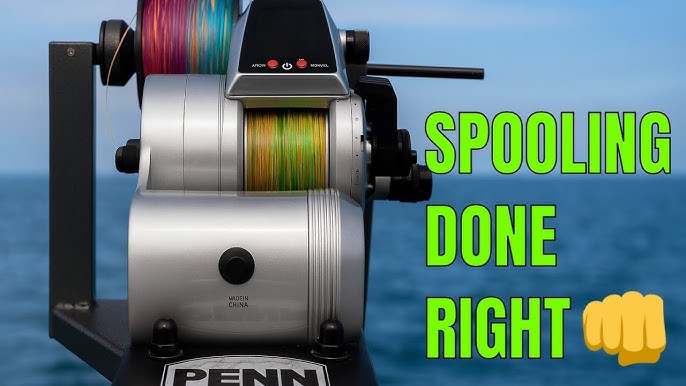
If you love fishing, you know how important it is to have your reel ready to go. But do you ever struggle with putting the line on your fishing reel the right way?
Getting it wrong can lead to tangles, lost fish, and wasted time. In this guide, you’ll learn simple, step-by-step tips to put line on your fishing reel quickly and correctly. By the end, you’ll feel confident and ready to cast like a pro.
Keep reading, and make sure your next fishing trip starts with the perfect setup.

Credit: windrider.com
Choosing The Right Line
Choosing the right fishing line is important for a good fishing experience. The line affects casting, hook setting, and fish fighting.
This guide helps you pick the right line based on type, strength, thickness, and compatibility with your reel and rod.
Types Of Fishing Lines
There are three main types of fishing lines: monofilament, fluorocarbon, and braided. Each has unique features for different fishing needs.
- Monofilament:Flexible and easy to handle. Good for beginners.
- Fluorocarbon:Hard to see underwater. Sinks faster than monofilament.
- Braided:Very strong and thin. Offers high sensitivity but is more visible.
Line Strength And Thickness
Line strength is measured by its pound test, which tells how much weight it can hold. Thickness affects how the line moves in water.
| Line Type | Common Strength (lb) | Thickness (inches) |
| Monofilament | 6 – 20 | 0.012 – 0.022 |
| Fluorocarbon | 8 – 25 | 0.011 – 0.021 |
| Braided | 10 – 50+ | 0.008 – 0.020 |
Matching Line To Reel And Rod
Your reel and rod have limits on line strength and thickness. Using the right line helps avoid damage and improves performance.
- Check the reel’s line capacity label for maximum line weight.
- Match line strength to the rod’s recommended range.
- Use thinner line for light rods and thicker line for heavy rods.
- Consider the type of fish and fishing style.

Credit: www.youtube.com
Preparing The Reel
Before putting line on a fishing reel, prepare it well. This helps the reel work smoothly and lasts longer.
Start by cleaning the reel, checking the spool, and removing old line. These steps make sure the reel is ready.
Cleaning The Reel
Clean the reel to remove dirt, salt, and grime. Use a soft cloth and mild soap with water.
Wipe all parts gently and dry them with a clean towel. This prevents damage and rust.
- Use a soft brush for tight spots
- Avoid harsh chemicals
- Clean after every fishing trip
Checking The Spool
Look at the spool to check for cracks or dents. A damaged spool can cause line problems.
Make sure the spool spins freely. If it sticks, clean or fix the bearings.
- Inspect edges for sharp spots
- Check if spool fits the reel well
- Test spool rotation by hand
Removing Old Line
Take off the old fishing line before adding new line. Old line can weaken the reel’s performance.
Unwind the line slowly from the spool. Cut the line if it is tangled or stuck.
- Pull line gently to avoid damage
- Use scissors to cut if needed
- Dispose of old line properly
Attaching The Line To The Spool
Attaching fishing line to the spool is the first step before you can start fishing. It is important to do it correctly to avoid line slipping or tangling.
This guide explains how to tie the line securely and keep it in place on your fishing reel spool.
Tying The Arbor Knot
The arbor knot is the best knot for attaching the line to the spool. It holds the line tight and prevents slipping.
To tie the arbor knot, first wrap the line around the spool’s center. Then tie a simple overhand knot around the main line.
- Wrap the line around the spool.
- Tie an overhand knot around the standing line.
- Tie a second overhand knot at the tag end.
- Pull both knots tight against the spool.
- Trim the tag end close to the knot.
Securing The Line Properly
After tying the arbor knot, make sure the line is tight and secure on the spool. Loose line can cause problems when casting.
Keep steady tension on the line while winding it onto the spool. This prevents loops and tangles later.
- Hold the line tight as you wind it onto the spool.
- Use your fingers to guide the line evenly.
- Fill the spool to about 1/8 inch from the edge.
- Check for any loose loops or twists.
- Adjust tension if the line feels loose.
Spooling The Line
Putting line on a fishing reel is important for good fishing. Spooling the line correctly helps the reel work well and lasts longer.
Follow simple steps to spool your reel so the line stays tight and smooth.
Maintaining Tension
Keep steady tension on the line while spooling. This prevents loose coils that can tangle later. Use your fingers or a cloth to hold the line tight as you wind it onto the spool.
Ask a friend to hold the spool or place it under your foot to keep it from spinning freely.
Filling The Spool Correctly
Fill the spool evenly from one side to the other. Spread the line in layers to avoid gaps. This helps the line come off smoothly during casting.
- Start by attaching the line to the spool securely.
- Keep tension on the line as you wind it.
- Move the line guide back and forth to spread line evenly.
- Fill the spool until it is nearly full, but not packed tight.
Avoiding Overfilling
| Problem | Cause | Solution |
|---|---|---|
| Line Overflows | Too much line on spool | Leave 1/8 inch space from spool edge |
| Line Tangling | Line packed too tight | Stop winding before spool is full |
| Casting Issues | Line bunches up | Keep line tension and spread evenly |
Finishing Touches
After spooling the fishing line onto your reel, some final steps make sure it works well. These finishing touches help the line stay secure and ready for fishing.
Follow these simple tips to cut the line properly, thread it through the guides, and check for twists. This ensures your setup is smooth and strong.
Cutting The Line
Cut the fishing line neatly after spooling it on the reel. Use sharp scissors or line cutters to avoid fraying. Cut about six inches of line beyond the reel spool.
Leaving extra line helps with threading and tying knots. Make sure the cut is clean to prevent the line from getting tangled.
Threading The Line Through Guides
After cutting, pull the line through the rod’s guides. Start from the bottom near the reel and go to the tip. This aligns the line for casting.
Threading the line through each guide keeps it steady and prevents tangles. Make sure the line runs smoothly without twists around the guides.
Checking For Line Twist
Line twist can cause knots and weak spots. To check, hold the rod and let the line hang freely. Spin the reel slowly and watch the line’s movement.
If the line twists or loops, let it out and rewind it tightly. Repeat until the line stays straight without twisting. This helps with smooth casting and reeling.
Common Mistakes To Avoid
Putting line on a fishing reel seems simple but can be tricky. Many anglers make mistakes that hurt their fishing experience.
Knowing what to avoid helps keep your reel working well and your line strong. Here are common errors to watch out for.
Loose Line On Spool
Loose line on the spool causes tangles and line twists. It can lead to backlashes and lost fish. This usually happens if the line is not wound tightly.
- Keep firm tension on the line while winding it onto the spool.
- Do not let the line hang loose or form loops.
- Use your fingers or a cloth to hold the line tight during spooling.
- Check that the line lies evenly across the spool width.
Using Incompatible Line
Using the wrong type or size of line can damage the reel or reduce casting performance. Some reels need specific lines for best results.
| Line Type | Best Reel Type | Common Problem |
| Monofilament | Spinning and Baitcasting | Stretch can reduce sensitivity |
| Fluorocarbon | Spinning | Stiffness may cause tangles |
| Braid | Baitcasting and Spinning | Needs special spool tension |
| Wire | Specialized Reels | Can damage spool if used wrong |
Ignoring Reel Maintenance
Skipping regular cleaning and lubrication shortens reel life. Dirt and salt buildup cause line damage and reel parts to wear out.
- Rinse the reel with fresh water after every use.
- Dry the reel completely before storing it.
- Apply reel oil to moving parts every few uses.
- Inspect the spool and line for damage regularly.

Credit: www.youtube.com
Frequently Asked Questions
How Do I Start Putting Line On A Fishing Reel?
Begin by attaching the line to the reel spool with an arbor knot. Then, wind the line evenly while applying light tension to avoid tangles.
What Type Of Fishing Line Works Best For Reels?
Monofilament lines are versatile and easy to handle. Braided lines offer strength and sensitivity, ideal for heavy cover fishing.
How Much Line Should I Put On The Reel?
Fill the spool to about 1/8 inch below the spool’s rim. Overfilling can cause tangles and underfilling reduces casting distance.
Can I Use Any Fishing Line On My Reel?
Check your reel’s specifications for line type and weight limits. Using the wrong line can damage the reel or reduce performance.
Conclusion
Putting line on a fishing reel can seem tricky. But it’s not. Follow the steps, and practice makes it easier. Always check for tangles and tightness. This ensures smooth fishing trips. Using the right line for your reel is important.
It improves your catch chances. Remember, every detail counts in fishing. So, take your time and do it right. Happy fishing and tight lines ahead!