Have you ever wondered if your air conditioner could be doing more harm than good? You rely on it to keep you cool and comfortable, especially during hot days.
But what if the very device that brings relief might also pose hidden risks to your health? The idea that air conditioners could cause cancer sounds alarming, and it’s natural for you to want clear answers. You’ll discover what science really says about this concern.
Keep reading to learn the facts and protect yourself and your loved ones from any potential dangers.
Credit: yourenergyanswers.com
Air Conditioners And Health
Air conditioners cool indoor air by removing heat and moisture. They work using a refrigerant that absorbs heat from inside and releases it outside. Fans help circulate the cooler air inside rooms. This process keeps rooms comfortable during hot weather.
Some people worry about health risks from air conditioners. Common concerns include dry skin, allergies, and respiratory issues. Poorly cleaned units can spread dust and bacteria, which may cause sickness. Regular maintenance and filter changes help keep the air clean and safe.
| Health Concern | Cause | Prevention |
|---|---|---|
| Dry Skin | Low humidity from cooling | Use humidifiers or moisturize skin |
| Allergies | Dust and pollen in filters | Clean and replace filters often |
| Respiratory Issues | Bacteria and mold in vents | Schedule regular cleaning and inspections |
Credit: timesofindia.indiatimes.com
Myths Linking Air Conditioners To Cancer
Many people believe air conditioners cause cancer. This idea started from misunderstandingsabout how AC units work. Some think chemicals in AC systems are harmful. But most air conditioners only use safe refrigerants that do not cause cancer.
Rumors spread quickly through social media and word of mouth. Some stories mix facts with false information. This causes confusion and fearabout AC safety.
- Old claims often come from outdated or wrong science.
- People confuse air pollution with air conditioner use.
- Marketing or scare tactics sometimes fuel these myths.
Scientific Research On Air Conditioners
Scientific studies have examined if air conditioners affect air qualityand cancer risk. Some research shows that poor air circulation can trap indoor pollutants. These pollutants may include dust, mold, and chemicals from cleaning products.
Air conditioners can reduce outdoor air but may also spread indoor pollutants if filters are dirty. Proper maintenanceis key to keeping air clean. There is no clear proof that air conditioners directly cause cancer.
| Indoor Air Pollutants | Possible Effects |
|---|---|
| Dust and Mites | Allergies and breathing issues |
| Mold Spores | Respiratory infections |
| Volatile Organic Compounds (VOCs) | Eye irritation and headaches |
| Radon Gas | Increased lung cancer risk |
Keeping air conditioners clean and well-ventilated helps lower risks. Regular filter changes and room airing improve indoor air quality.

Credit: www.thesun.co.uk
Potential Risks Related To Air Conditioning
Mold and bacteriacan grow inside air conditioners if not cleaned well. These can cause allergiesand lung problems. Damp filters and vents are places where germs can hide and spread in the air.
Chemicalsused in air conditioners, like refrigerants, may be harmful if leaked. Old or broken filters might not catch dust and pollutants well. This can lead to bad air quality, which is not good for health.
| Risk | Cause | Health Effect |
|---|---|---|
| Mold Growth | Moisture inside the unit | Allergies, breathing issues |
| Bacterial Spread | Dirty filters and vents | Infections, respiratory problems |
| Chemical Exposure | Leaking refrigerants | Skin irritation, lung issues |
| Dust and Pollutants | Old or clogged filters | Poor air quality, allergies |
Preventive Measures For Safe Air Conditioning
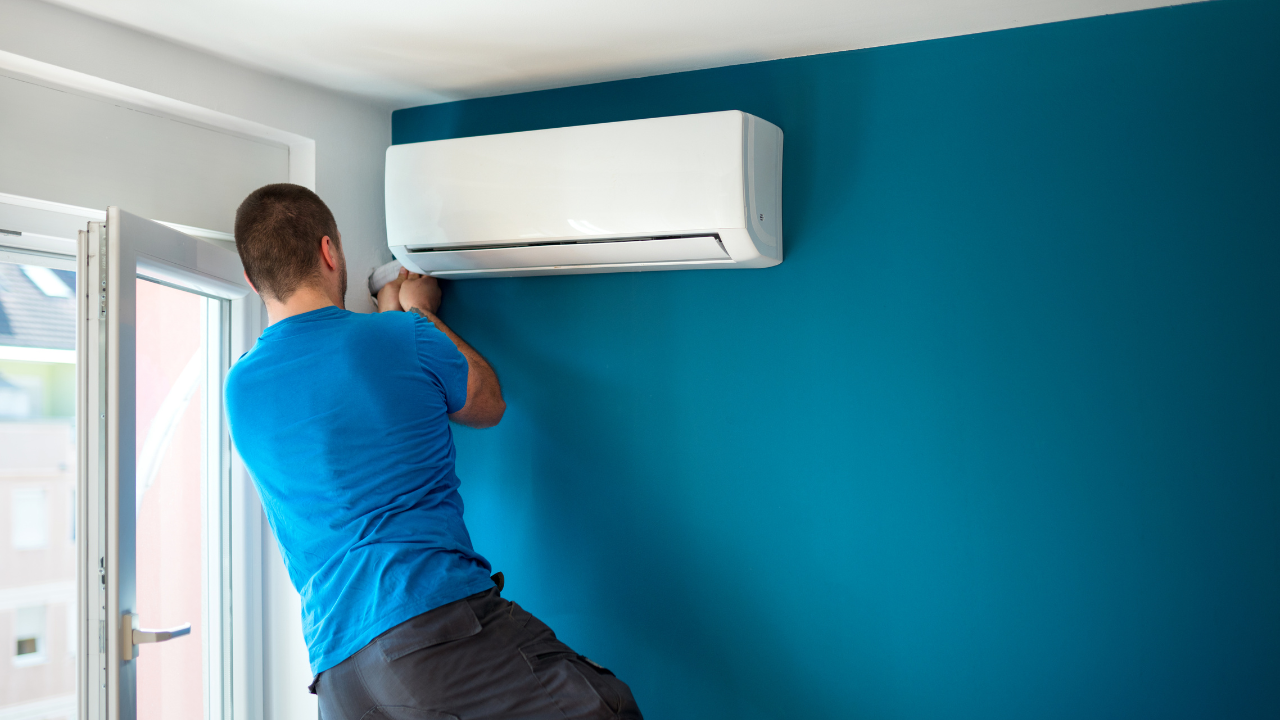
Regular maintenancekeeps air conditioners safe and efficient. Clean or replace filters every 1-3 months. Dust and debris block airflow and reduce air quality. Check coils and fins for dirt buildup. This helps prevent mold and bacteria growth. Clear drainage holes to avoid water damage and mold. Professional servicing once a year can find hidden problems early.
Improving indoor air quality reduces health risks. Use air purifiers along with your AC. Keep rooms well ventilated by opening windows sometimes. Avoid smoking indoors and limit use of strong chemicals. Houseplants can help clean the air naturally. Regularly vacuum and dust to lower indoor dust and allergens.
When To Be Concerned
Persistent coughing, chest pain, or unexplained weight loss may be signs to watch. Breathing problems or frequent headaches also need attention. Sometimes, skin irritation or rashes might occur.
These symptoms do not always mean cancer but should not be ignored. Early checkups can help find the cause quickly. It is best to speak with a doctor if symptoms last more than a few days.
Doctors can run tests and give advice on health risks. They may check air quality at home or workplace. Professional help ensures the right steps are taken to stay safe.
Frequently Asked Questions
Can Air Conditioners Increase Cancer Risk?
No, air conditioners do not increase cancer risk. They cool indoor air without emitting harmful carcinogens. Proper maintenance ensures safe operation and good air quality.
Do Air Conditioners Release Harmful Chemicals?
Modern air conditioners use safe refrigerants and do not release harmful chemicals. Older models with certain refrigerants may pose risks if leaking, but regular servicing prevents this.
Can Mold Growth In Ac Cause Health Issues?
Yes, mold in air conditioners can cause respiratory problems. It does not directly cause cancer but may worsen allergies and asthma if not cleaned regularly.
Is Electromagnetic Radiation From Ac Harmful?
Air conditioners emit minimal electromagnetic radiation, far below harmful levels. This radiation does not increase cancer risk according to current scientific evidence.
Conclusion
Air conditioners do not directly cause cancer. They ensure comfort and coolness. Problems arise with poor maintenance. Dirty filters can circulate pollutants. These may impact health. Regular cleaning prevents risks. Ensure proper ventilation in rooms. This reduces pollutant buildup. Consider using air purifiers as well.
They help in maintaining clean air. Stay informed about the latest research. Make choices based on facts. Prioritize safety and health for peace of mind. Understanding these factors helps in making better decisions. Keep your environment clean and safe. Enjoy the cool air, worry-free.