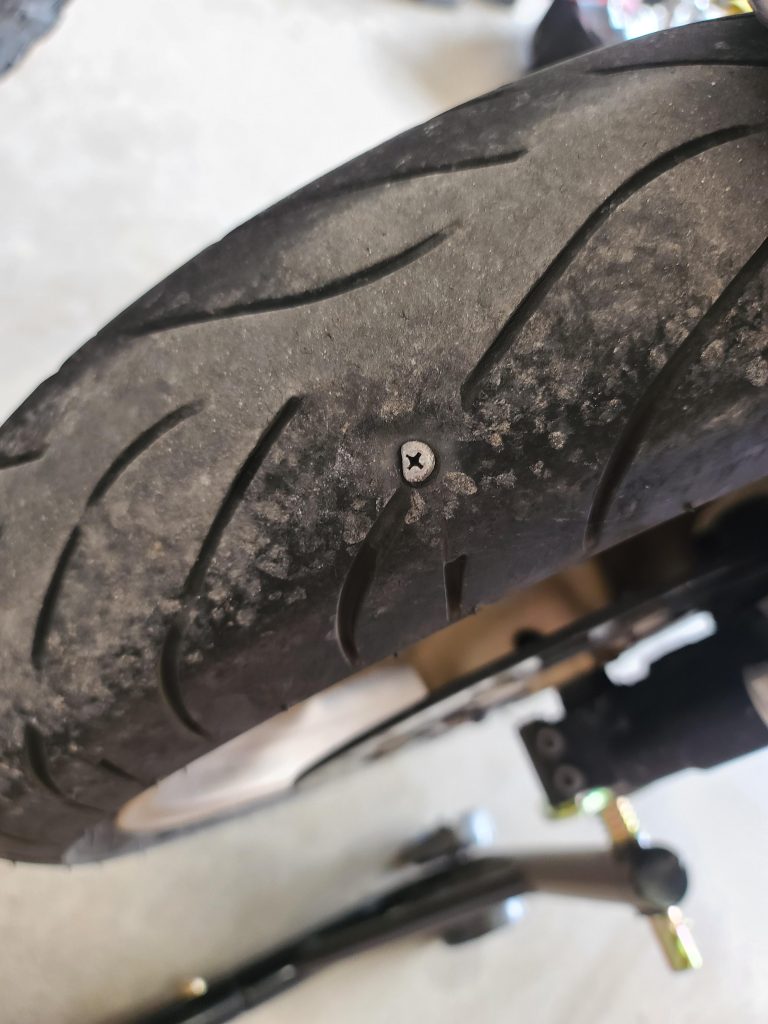
Have you ever faced a flat motorcycle tire and wondered if patching it is really safe? You might be asking yourself, “Can I trust a patch to keep me secure on the road?” Your safety matters, and making the right choice for your tire can protect you from unexpected trouble.
You’ll discover the truth about patching motorcycle tires, what you need to know before deciding, and how to keep your rides smooth and worry-free. Keep reading—your next ride depends on it.

Credit: www.reddit.com
Risks Of Patching Motorcycle Tires
Patching a motorcycle tire can save money and time. But it is not always safe to do so. Understanding the risks helps riders make smart choices.
Not all tire damage can be fixed with a patch. Some repairs may cause problems while riding. Knowing the risks keeps you safer on the road.
Potential Safety Hazards
A patched tire may weaken the tire’s structure. The patch can fail under pressure or speed. This increases the chance of a blowout.
Uneven patching can cause the tire to lose balance. This affects handling and stability. Riders may feel wobbling or vibrations.
- Risk of sudden air loss
- Reduced tire strength
- Possible tire imbalance
- Higher chance of accidents
Limitations Of Tire Patches
Tire patches do not fix all types of damage. They are only for small punctures in the tread area. Sidewall or large damage cannot be safely patched.
The size and location of the hole matter. If the hole is too big or near the edge, the patch will not hold. The tire may fail quickly after repair.
- Only small holes in the tread can be patched
- Sidewall damage requires tire replacement
- Large punctures cannot be safely repaired
- Improper patches shorten tire life

Credit: www.amazon.ca
When Patching Is Acceptable
Patching a motorcycle tire can be safe if done correctly. Knowing when to patch helps avoid accidents. It is important to check the damage carefully.
Not all tire damage can be repaired. Some repairs can keep the tire strong and reliable. Other damages need tire replacement to stay safe on the road.
Types Of Damage Suitable For Repair
Small punctures in the tread area are usually fixable. Cuts or holes less than 1/4 inch (6 mm) can often be patched. Damage on the sidewall or large tears should not be repaired.
- Punctures caused by nails or screws
- Small holes in the tread area
- Damage not affecting the tire sidewall
- Clean puncture holes without cracks
Recommended Patch Materials
Using the right patch materials improves repair quality. Most experts recommend patches made of rubber compound. These patches bond well with the tire.
| Patch Material | Use Case | Notes |
| Rubber Plug | Small punctures | Easy to install, temporary fix |
| Internal Patch | Inside tire repairs | Strong bond, long-lasting |
| Combination Patch | Severe punctures in tread | Best for permanent repair |
Expert Tips For Effective Tire Patching
Patching a motorcycle tire can save time and money. It is important to do it correctly to keep riding safely.
Using the right tools and knowing when to replace the tire are key to effective tire repair.
Proper Tools And Techniques
Use a quality tire repair kit with patches, rubber cement, and a reamer tool. Clean the tire well before patching.
Remove the tire from the rim if possible. Find the puncture by inflating the tire and listening for air leaks.
- Roughen the puncture area with a reamer tool
- Apply rubber cement and let it dry slightly
- Press the patch firmly over the hole
- Check the patch for leaks after installation
Signs A Tire Needs Replacement Instead
Some damage cannot be fixed by patching. Knowing the signs can prevent accidents and costly repairs.
- Large punctures over ¼ inch in diameter
- Sidewall damage or deep cuts
- Multiple punctures close together
- Visible tire cords or tread separation
- Frequent air pressure loss after patching
Alternatives To Patching
Patching a motorcycle tire is one way to fix a puncture. It is not always the best choice. There are other options that can keep you safe on the road.
Some alternatives may last longer or provide better protection. Understanding these options helps you decide what is best for your bike.
Using Tire Plugs
Tire plugs are small pieces of rubber that fill holes in the tire tread. They are quick to install and can seal small punctures.
This method works well for holes caused by nails or screws. Plugs can be a temporary fix but may not last as long as other repairs.
- Easy to apply without removing the tire
- Good for small, clean punctures
- May not work for sidewall damage
- Check regularly for leaks
Full Tire Replacement Benefits
Replacing the entire tire is the safest option after damage. It ensures the tire has no hidden problems and keeps your bike stable.
New tires provide better grip and reduce the risk of accidents. Replacement is best for large punctures or old tires with wear.
- Improves road traction and handling
- Removes risk of further tire failure
- Increases ride comfort and safety
- Recommended for severe tire damage
Maintenance Practices To Prevent Damage
Keeping your motorcycle tires in good shape helps avoid accidents and costly repairs. Proper maintenance can prevent tire damage and extend their life.
Patching a motorcycle tire is safe if done correctly. Regular care stops many tire problems before they start.
Regular Tire Inspection
Check your tires often for cuts, cracks, or objects stuck in the tread. Look for uneven wear or bald spots.
Inspect tire pressure weekly. Correct pressure keeps tires stable and safe while riding.
- Look for nails, glass, or sharp objects
- Check tire sidewalls for cracks or bulges
- Measure tread depth to ensure enough grip
- Use a tire pressure gauge to check air pressure
Safe Riding Habits
Ride carefully to avoid sudden impacts that can damage tires. Avoid potholes, debris, and rough roads when possible.
Slow down on corners and avoid sharp turns. Smooth riding reduces stress on tires and lowers the risk of punctures.
- Maintain steady speeds on rough surfaces
- Slow down before hitting bumps or potholes
- Avoid dragging brakes or skidding tires
- Store your motorcycle in a shaded, dry place

Credit: www.reddit.com
Frequently Asked Questions
Can I Safely Patch A Motorcycle Tire Myself?
Yes, you can patch a motorcycle tire safely if the puncture is small and in the tread area. Avoid patching sidewalls. Use proper tools and follow instructions carefully. For large or sidewall damage, professional replacement is recommended for safety.
When Should A Motorcycle Tire Be Replaced Instead Of Patched?
Replace a motorcycle tire if the damage is large, on the sidewall, or multiple punctures exist. Tires with deep cuts, bulges, or worn tread also need replacement. Patching is only safe for small tread punctures to maintain tire integrity and rider safety.
How Long Does A Patched Motorcycle Tire Last?
A properly patched motorcycle tire can last for several thousand miles. The patch must be professionally applied to ensure a strong seal. Regularly inspect patched areas for air leaks or damage. Replace the tire if the patch fails or the tire shows other issues.
Are Patch Kits Reliable For Motorcycle Tire Repairs?
Patch kits are reliable for small tread punctures when used correctly. They provide a temporary or long-term fix depending on the damage and application. Always follow manufacturer guidelines and inspect the repair regularly to ensure safety during rides.
Conclusion
Patching a motorcycle tire can be safe. But caution is key. Always check the tire’s condition first. If it’s damaged beyond repair, replace it. Follow manufacturer guidelines for patching. Use quality materials for better safety. Regularly inspect your tire after patching.
Safety comes first on the road. Know when to patch and when to replace. Ensuring your tire’s integrity is crucial. This keeps you safe while riding. Stay informed, stay safe. Riding with confidence means understanding your bike. Remember, a well-maintained tire can prevent accidents.
Always prioritize your safety. Make informed decisions about tire care.