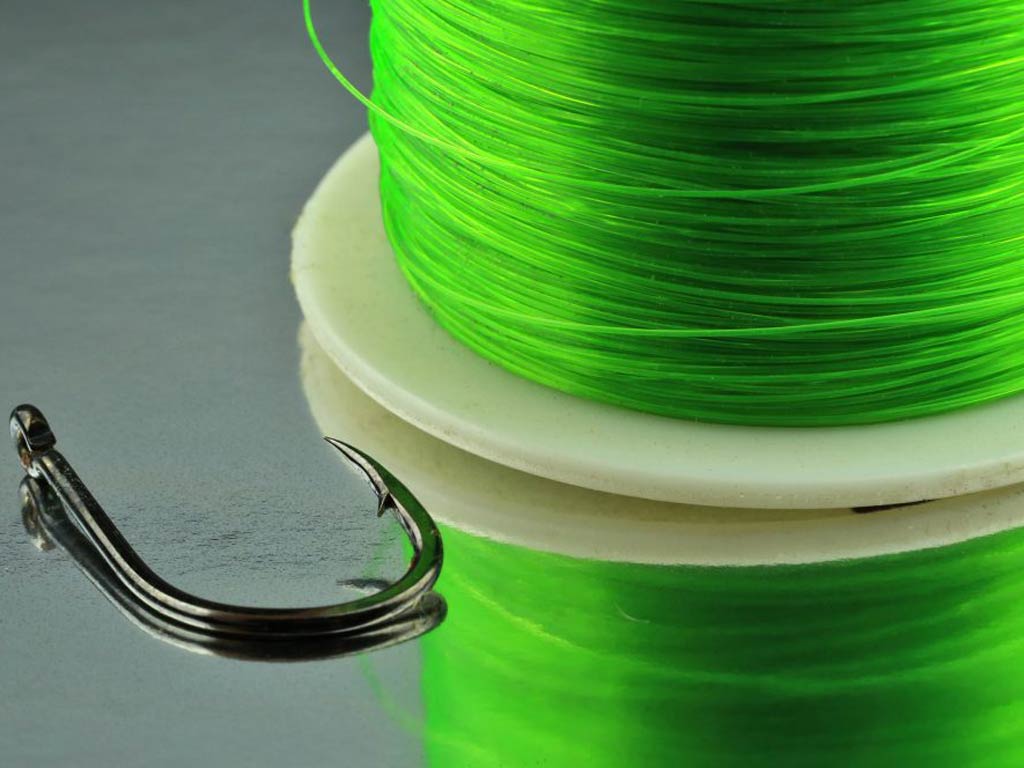
Have you ever wondered what makes fishing lines strong enough to hold a big catch, yet thin enough to disappear in the water? Knowing what fishing lines are made of can change the way you fish and help you choose the right gear for your next trip.
Whether you’re a beginner or an experienced angler, understanding the materials behind your fishing line can improve your chances of success. Keep reading to discover the secrets behind fishing lines and how they affect your fishing experience.

Credit: kordatackle.com
Types Of Fishing Lines
Fishing lines come in different materials. Each type has unique features and uses.
Choosing the right fishing line helps catch more fish and makes fishing easier.
Monofilament Lines
Monofilament lines are made from a single strand of nylon. They are flexible and stretch well.
This type is good for beginners because it is easy to handle and knot. It also floats on water.
- Good stretch to absorb fish bites
- Less visible in water
- Affordable and widely available
Fluorocarbon Lines
Fluorocarbon lines are made from a special plastic that sinks in water. They are hard to see underwater.
These lines are strong and resist abrasion well. They are good for clear water fishing.
- Sinks faster than monofilament
- Very low visibility underwater
- Strong and durable
Braided Lines
Braided lines are made by weaving several fibers together. They have very little stretch and high strength.
These lines are thin but very tough. They are good for heavy fishing and long casts.
- Very strong for its size
- Almost no stretch
- Good for deep water and heavy fish
Copolymer Lines
Copolymer lines combine two or more types of nylon polymers. They are stronger than monofilament lines.
These lines have less stretch and more sensitivity. They work well in many fishing conditions.
- Stronger and thinner than monofilament
- Good knot strength
- Offers good sensitivity
Materials Behind Monofilament Lines
Fishing lines come in various types, but monofilament lines are very popular. They are made from a single strand of material. This makes them simple yet strong for fishing use.
The main material used in most monofilament lines is nylon. This plastic material offers good strength and flexibility, which are key for fishing lines.
Nylon And Its Properties
Nylon is a synthetic polymer that forms a clear, strong thread. It is stretchy and can handle pressure without breaking easily. It also resists water well, so it does not weaken quickly in wet conditions.
- Strong and durable
- Flexible and elastic
- Resistant to water and sunlight
- Easy to knot and handle
Manufacturing Process
The making of monofilament fishing lines starts with nylon pellets. These pellets are melted and pushed through small holes called dies. This forms thin strands. The strands cool down and stretch to increase strength.
| Step | Description |
| Melting | Nylon pellets are heated until liquid. |
| Extrusion | The liquid nylon passes through tiny holes. |
| Cooling | Strands cool to solidify shape. |
| Stretching | Strands are stretched for strength. |
| Winding | The finished line is wound on spools. |
Advantages And Limitations
Nylon monofilament lines have many advantages. They are cheap and easy to use. They stretch to absorb shocks from fish. But they also have some limits. Nylon can weaken in sunlight and water over time. It is also less sensitive than some other lines.
- Affordable and widely available
- Good stretch to prevent line breaks
- Not very visible underwater
- Can lose strength with sun exposure
- Absorbs water, which can reduce strength
Fluorocarbon Composition
Fishing lines come in many materials, but fluorocarbon is popular for its special properties. It is made from a polymer called polyvinylidene fluoride.
This type of fishing line is known for being strong and nearly invisible underwater. Let’s explore what makes it unique.
Polyvinylidene Fluoride Basics
Polyvinylidene fluoride, or PVDF, is a synthetic plastic. It is made by linking many small molecules called monomers into a long chain.
- PVDF has a high density, making it heavier than water.
- This density helps the fishing line sink faster in water.
- It resists damage from sunlight and chemicals.
- PVDF is smooth, so the line moves easily through guides.
Benefits For Anglers
Fluorocarbon lines offer many benefits for fishing. Their properties help anglers catch fish with less trouble.
| Benefit | Description |
| Invisibility | Fluorocarbon bends light, making it hard for fish to see. |
| Water Resistance | It absorbs almost no water, keeping line strength steady. |
| Abrasion Resistance | PVDF resists cuts and scrapes from rocks or fish teeth. |
| Low Stretch | It stretches less, giving better control and sensitivity. |
Durability Factors
Several factors affect how long fluorocarbon lines last. These include how the line is made and used.
- UV light can weaken the line over time.
- Saltwater may cause slow wear if not rinsed off.
- Repeated casting and friction can create small cuts.
- Proper storage away from heat and sunlight increases lifespan.

Credit: yolandantec.en.made-in-china.com
Braided Line Materials
Braided fishing lines are strong and thin. They use many fibers twisted together. This makes them good for fishing.
These lines are made from special materials. They give strength and sensitivity. Let’s learn about the main fibers and techniques.
Spectra And Dyneema Fibers
Spectra and Dyneema are very strong fibers. They are made from polyethylene. These fibers are light but very tough.
They resist water and do not stretch much. This helps anglers feel bites better. Both fibers are popular in braided lines.
- Spectra is made by Honeywell.
- Dyneema is made by DSM.
- Both have similar strength and durability.
- They make the line thin but strong.
Braiding Techniques
Braided lines use many thin fibers woven together. This creates a strong and smooth line. Different braiding methods affect the line’s feel.
Common braiding styles include 4, 8, or 12 strands. More strands make the line rounder and smoother. This helps the line cast better.
- 4-strand braids are cheaper but less smooth.
- 8-strand braids balance strength and smoothness.
- 12-strand braids are very smooth and strong.
- Braiding also affects line durability and water resistance.
Strength And Sensitivity
Braided lines are strong but stay thin. They hold more weight than other lines of the same size. This helps catch bigger fish.
The low stretch of braided lines gives great sensitivity. Anglers feel every nibble and movement. This improves fishing success.
- High strength-to-diameter ratio.
- Very low stretch for better bite detection.
- Durable against cuts and abrasion.
- Thin diameter lets line hold more on reels.
Copolymer Line Construction
Copolymer fishing lines combine two or more different polymers. These polymers blend to form a line with improved properties. This type of line offers a balance between strength and flexibility.
Fishermen use copolymer lines for various fishing styles. The construction helps in making lines that resist abrasion and stretch less.
Blended Polymers
Copolymer lines often mix nylon with other polymers. These blends create a line with unique features. Common polymers include polyamide and polyethylene.
- Nylon adds good elasticity and knot strength.
- Polyethylene improves abrasion resistance.
- Polyamide blends increase durability in harsh water.
Performance Traits
| Trait | Effect on Line |
| Strength | High tensile strength with less stretch |
| Durability | Resists wear and damage from rough surfaces |
| Flexibility | Maintains smooth casting and handling |
| Water Absorption | Low water uptake prevents weakening |
Ideal Use Cases
Copolymer lines fit well in many fishing scenarios. They work best where strength and smooth casting matter most.
- Freshwater fishing with medium to heavy tackle
- Fishing in areas with rocks or debris
- Situations requiring long casts and sensitive bites
- Anglers wanting durable lines without sacrificing flexibility
Comparing Line Materials
Fishing lines come in different materials. Each type has unique features. Choosing the right line helps you catch more fish.
This guide compares common fishing line materials. Learn how they differ in strength, visibility, abrasion resistance, and cost.
Strength And Stretch
Monofilament lines stretch more, which can absorb big fish pulls. Braided lines have high strength but low stretch. Fluorocarbon lines offer medium stretch and strong pull resistance.
Visibility In Water
Fluorocarbon lines are nearly invisible underwater. Monofilament lines have moderate visibility. Braided lines are the most visible due to their bright colors.
Abrasion Resistance
| Line Type | Abrasion Resistance |
|---|---|
| Monofilament | Low to Medium |
| Fluorocarbon | High |
| Braided | Very High |
Cost Considerations
- Monofilament is usually the cheapest option.
- Fluorocarbon costs more but lasts longer.
- Braided lines are the most expensive but strongest.
Environmental Impact Of Fishing Lines
Fishing lines are used worldwide but their environmental impact is a concern. Many lines do not break down easily in nature.
Understanding how fishing lines affect the environment helps us make better choices. This includes their biodegradability, disposal, and alternatives.
Biodegradability
Most fishing lines are made from nylon or other plastics that take hundreds of years to degrade. This causes pollution in oceans and lakes.
When fishing lines do not biodegrade, they can trap animals or break into microplastics that harm wildlife.
Recycling And Disposal
Proper disposal and recycling of fishing lines can reduce environmental damage. Many places have special bins for old lines.
- Do not throw fishing lines in regular trash
- Use recycling stations designed for fishing gear
- Cut lines into small pieces before disposal
- Participate in local fishing line cleanup events
Eco-friendly Alternatives
Some companies now make fishing lines from materials that break down faster or cause less harm. These can help protect water habitats.
| Material | Breakdown Time | Environmental Benefit |
| Biodegradable Polymers | 1-5 years | Less plastic waste |
| Natural Fibers | Months | Safe for wildlife |
| Recycled Nylon | Decades | Reduces new plastic use |

Credit: fishingbooker.com
Choosing The Right Line Material
Fishing lines come in different materials. Each type fits different needs and styles. Picking the right line helps catch fish better.
Knowing what affects line choice makes fishing more fun. Think about what you fish for, where you fish, and what you like.
Target Species
Different fish need different lines. Strong fish need strong lines. Small fish need thinner lines to avoid spooking them.
- Big fish: Use braided or heavy monofilament lines for strength.
- Small fish: Use light monofilament or fluorocarbon for invisibility.
- Fish with sharp teeth: Use wire or heavy fluorocarbon to avoid cuts.
Fishing Environment
Where you fish changes the best line choice. Saltwater and freshwater need different lines. Clear or murky water also matters.
| Environment | Recommended Line Material |
| Saltwater | Braid or fluorocarbon for durability |
| Freshwater | Monofilament or fluorocarbon for flexibility |
| Clear water | Fluorocarbon for invisibility |
| Murky water | Braid for strength and visibility |
Personal Preferences
Each angler likes different things in a fishing line. Comfort, line stretch, and ease of use matter.
Consider these points:
- Stretch: Monofilament stretches more, good for shock absorption.
- Visibility: Fluorocarbon is less visible underwater.
- Handling: Braided lines are thin and strong but may be harder to knot.
- Cost: Monofilament is usually cheaper than other types.
Frequently Asked Questions
What Materials Are Commonly Used In Fishing Lines?
Fishing lines are mainly made from nylon, fluorocarbon, and braided fibers. Nylon offers flexibility and strength. Fluorocarbon is nearly invisible underwater. Braided lines provide high strength and durability. Each material suits different fishing conditions and techniques.
How Does Nylon Fishing Line Compare To Fluorocarbon?
Nylon lines are stretchy and affordable, ideal for beginners. Fluorocarbon lines are less visible underwater and more abrasion-resistant. Fluorocarbon sinks faster than nylon, making it better for deep-water fishing. Choice depends on fishing style and water clarity.
Why Choose Braided Fishing Lines Over Others?
Braided lines have high tensile strength and low stretch. They are more sensitive to bites and last longer. Braided lines work well in heavy cover and rough conditions. However, they are more visible in clear water than fluorocarbon.
Are Fishing Lines Made From Environmentally Friendly Materials?
Most fishing lines are synthetic and not biodegradable. Some brands offer eco-friendly lines made from bio-based or recyclable materials. Proper disposal and recycling help reduce environmental impact. Anglers should choose sustainable options when possible.
Conclusion
Fishing lines come in various materials. Each serves a unique purpose. Monofilament lines offer flexibility and affordability. Braided lines provide strength and durability. Fluorocarbon lines are nearly invisible underwater. Choosing the right line depends on your fishing needs. Consider factors like water type and fish species.
Also, think about your budget. Remember, the right line enhances your fishing experience. It can make a big difference. So, explore your options. Find the perfect line for your next adventure. Happy fishing!