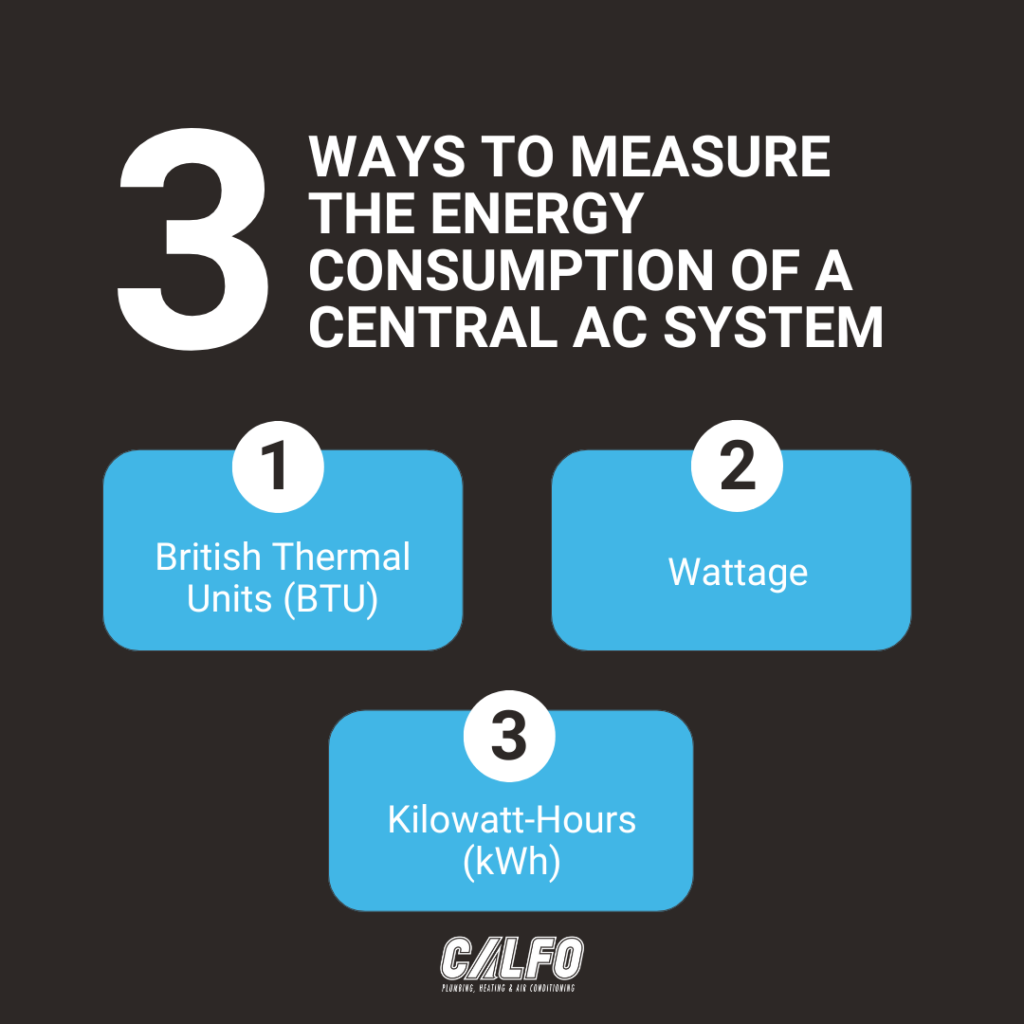
Are you curious about how much energy your central air conditioner uses? You’re not alone.
Understanding the energy consumption of your AC unit can help you save money and make your home more eco-friendly. Imagine knowing exactly how much your cooling system costs you each month and finding ways to reduce those expenses. It’s like unlocking a secret to smarter living.
We’ll break down everything you need to know about your central air conditioner’s energy usage. We’ll simplify the numbers and offer tips to keep your home cool without breaking the bank. Ready to dive in? Let’s get started!
Energy Consumption Of Central Air Conditioners
Central air conditioners use energy to cool your home. Their energy use depends on many factors. Knowing these helps you manage your electric bills.
This guide explains what affects energy use, average power needs, and changes across seasons.
Factors Affecting Energy Use
Several things affect how much power a central air conditioner uses. These include the unit size, home insulation, and outside temperature.
- Unit size: Larger units use more energy but cool faster.
- Home insulation: Well-insulated homes keep cool air longer.
- Thermostat settings: Lower temperatures increase energy use.
- Maintenance: Clean filters and coils help efficiency.
- Climate: Hotter climates increase running time and power use.
Average Power Usage
Most central air conditioners use between 3,000 and 5,000 watts when running. The exact use depends on the model and efficiency.
| Unit Type | Power Usage (Watts) | Typical Running Time (Hours/Day) |
| Small (1.5 tons) | 3,000 | 8 |
| Medium (2.5 tons) | 4,000 | 8 |
| Large (3.5 tons) | 5,000 | 8 |
Seasonal Variations In Consumption
Energy use changes through the year. Hot summer months need more cooling than spring or fall.
- Summer: Highest energy use due to hot weather.
- Spring/Fall: Moderate use as temperatures are mild.
- Winter: Little to no use in most areas.

Credit: www.wilsonoilandpropane.com
Calculating Your Ac Energy Costs
Central air conditioners use electricity to cool your home. Knowing how much energy they use helps you manage your bills better.
We will look at how to read the energy label, estimate monthly use, and see how thermostat settings affect energy costs.
Reading The Energy Label
Energy labels show how much electricity an AC unit uses. They help compare different models.
The label usually shows the Seasonal Energy Efficiency Ratio (SEER). A higher SEER means better energy efficiency.
- Look for the SEER rating on the label
- Check the estimated yearly energy use in kilowatt-hours (kWh)
- Compare labels before choosing an AC
Estimating Monthly Usage
Monthly energy use depends on how long your AC runs and its power consumption.
You can estimate monthly costs by using this formula:
| Calculation Step | Description |
|---|---|
| Power (kW) × Hours Used | Find total energy used in kilowatt-hours (kWh) |
| Energy Used (kWh) × Cost per kWh | Calculate your cost for that period |
For example, if your AC uses 3 kW and runs 8 hours daily, it uses 72 kWh per month.
Impact Of Thermostat Settings
Thermostat settings affect how much energy your AC uses. Lower temperatures make the AC work harder.
Setting the thermostat higher saves energy and cuts costs. Each degree can change energy use by 3% to 5%.
- Set thermostat to a comfortable but not too low temperature
- Use programmable thermostats for better control
- Raise the temperature when you are not home
Ways To Reduce Ac Energy Use
Central air conditioners use a lot of energy to keep your home cool. You can save energy and money by making small changes.
Reducing energy use helps the environment and lowers your electricity bills. Here are some easy ways to use less energy with your AC.
Improving Home Insulation
Good insulation keeps cool air inside and hot air outside. This helps your AC work less and use less energy.
Check windows, doors, and walls for gaps or cracks. Seal them to stop air leaks and improve insulation.
- Use weatherstripping around doors and windows
- Add insulation to your attic and walls
- Install energy-efficient windows or use window films
- Close curtains or blinds during hot days
Using Programmable Thermostats
Programmable thermostats let you set the temperature for different times of the day. This stops the AC from running when you do not need it.
You can set the thermostat higher when no one is home and lower it before you return. This saves energy without losing comfort.
- Set the temperature to 78°F (26°C) when you are home
- Raise the temperature by 7-10 degrees when you are away
- Use smart thermostats for remote control and scheduling
Regular Maintenance Tips
Keeping your AC in good shape helps it run efficiently. Dirty or broken parts make the AC use more energy.
Clean or replace filters every 1-3 months. Check for leaks in ducts and fix them fast.
- Clean or replace air filters regularly
- Check and clean the AC coils
- Inspect ducts for leaks or damage
- Schedule yearly professional maintenance
Credit: www.furnaceprices.ca
Energy-efficient Central Ac Models
Central air conditioners use a lot of energy to cool homes. Choosing an energy-efficient model helps lower electricity bills and reduces environmental impact.
Energy-efficient central AC models use advanced technology. They cool your home well while using less power.
Seer Ratings Explained
SEER stands for Seasonal Energy Efficiency Ratio. It measures how much cooling a unit provides for each unit of electricity it uses.
The higher the SEER rating, the less energy the air conditioner uses. Most new models have SEER ratings from 13 to 25.
- SEER 13-14: Basic efficiency, common in older models
- SEER 15-17: Good efficiency, saves some energy
- SEER 18 and above: High efficiency, best for saving energy
Choosing The Right Size
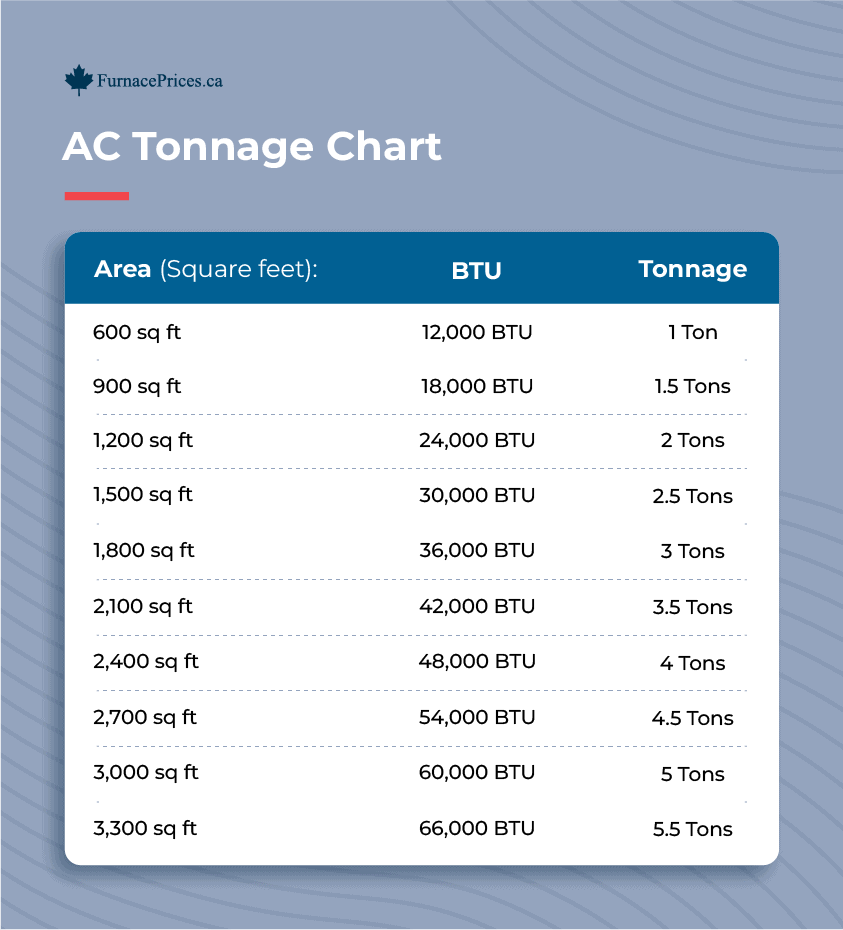
Picking the correct size of AC is important. A unit too big or too small wastes energy and cools poorly.
Experts use your home’s square footage and insulation to find the right size. Proper size means the AC runs efficiently and keeps your home comfortable.
- Too large: cycles on and off often, wastes energy
- Too small: runs constantly, may not cool enough
- Right size: runs smoothly and saves energy
Benefits Of Variable Speed Units
Variable speed air conditioners adjust their cooling power. They run at different speeds based on your home’s needs.
This means they use only the energy needed at any time. They keep your home at a steady temperature and save money on bills.
- Run longer at low speeds, use less electricity
- Better humidity control for comfort
- Quieter operation than single-speed units
- Reduce wear and tear, last longer
Alternative Cooling Options
Central air conditioners use a lot of energy to cool your home. Many people look for other ways to stay cool. These options can save energy and lower bills.
Below are some alternative cooling methods that use less power or work differently than central AC units.
Ductless Mini-splits
Ductless mini-splits cool specific rooms without using ducts. They have an outdoor unit and one or more indoor units. This system saves energy by cooling only the rooms you use.
Mini-splits are easy to install and allow temperature control in each room. They often use less electricity than central air systems.
- No ducts needed, reducing energy loss
- Individual room temperature control
- Lower energy use in smaller spaces
- Quiet operation
Evaporative Coolers
Evaporative coolers use water to cool air. They work best in dry climates. These coolers use much less electricity than central AC units.
Air passes through wet pads, which cools it by evaporation. This cooled air then circulates inside the home.
- Low energy use compared to traditional AC
- Adds moisture to dry air
- Best for dry, hot areas
- Simple design and low maintenance
Smart Cooling Technologies
Smart cooling systems use technology to save energy. They adjust cooling based on your schedule and outside temperature. These systems help reduce unnecessary energy use.
Smart thermostats and sensors can control central AC or mini-splits. They keep your home comfortable without wasting power.
- Adjust cooling when no one is home
- Use data to optimize energy use
- Control systems from your phone
- Help lower electricity bills

Credit: www.carrier.com
Frequently Asked Questions
How Much Electricity Does A Central Ac Consume Daily?
A central air conditioner typically uses 1. 5 to 2. 5 kWh per hour. Daily consumption varies with usage hours and efficiency. On average, it may consume 12 to 24 kWh per day during hot months, impacting your electricity bill significantly.
What Factors Affect Central Ac Energy Usage?
Energy use depends on unit size, efficiency rating, thermostat settings, and outdoor temperature. Poor insulation and maintenance also increase energy consumption. Using a programmable thermostat and regular servicing can reduce electricity use effectively.
How Can I Reduce My Central Ac Energy Consumption?
To save energy, set the thermostat higher when home is empty. Use ceiling fans to circulate air and seal leaks. Regular maintenance like cleaning filters improves efficiency and lowers power use.
Is A Central Ac More Energy-efficient Than Window Units?
Central ACs cool larger spaces more uniformly but may use more energy overall. High-efficiency central units with good insulation can be more cost-effective. Window units consume less power but are suitable for smaller areas.
Conclusion
Central air conditioners use a fair amount of energy to cool your home. Knowing how much they use helps you manage your bills better. You can save energy by keeping your unit clean and well-maintained. Setting a higher temperature when you are away also reduces energy use.
Choosing an energy-efficient model lowers costs in the long run. Small changes make a big difference in energy use. Stay aware and keep your home cool without wasting power.