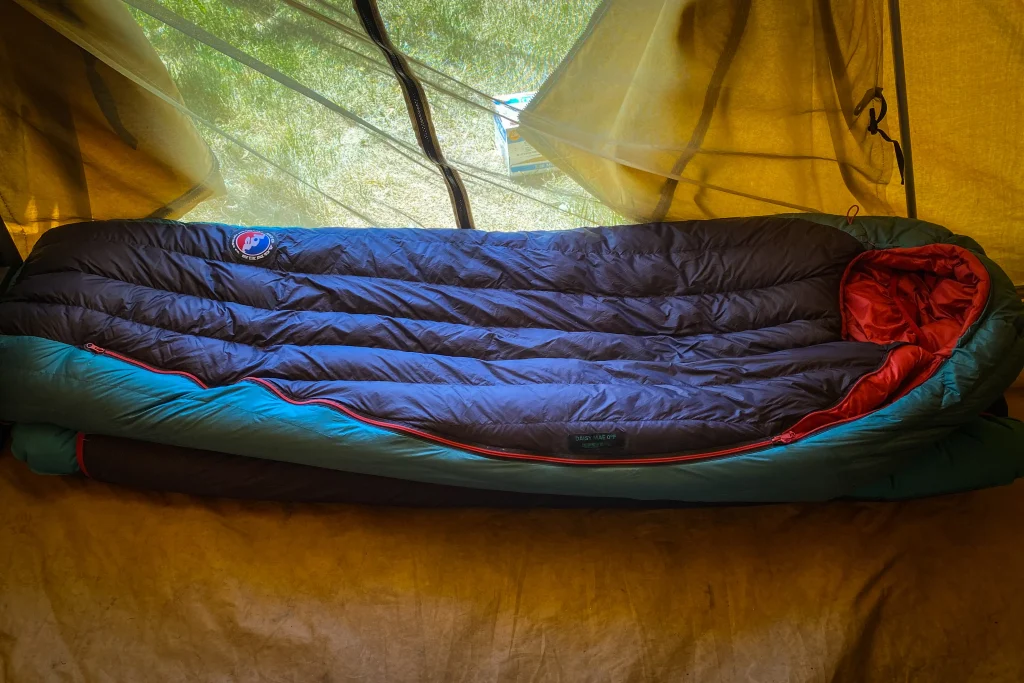
Have you ever wondered if you can dry a sleeping bag without ruining it? Whether you’re fresh from a camping trip or just finished washing your gear, knowing the right way to dry your sleeping bag is crucial.
Drying it incorrectly can damage the insulation, reduce warmth, or even shorten its lifespan. But don’t worry—this guide will walk you through simple, effective steps to keep your sleeping bag dry and cozy. Keep reading to discover how to protect your gear and enjoy better sleep on every adventure.

Credit: gearjunkie.com
Types Of Sleeping Bag Materials
Sleeping bags come in different materials that affect drying time and care. Knowing these materials helps you dry your bag safely.
The main parts to consider are the fill and the outer fabric. Each type needs special attention when drying.
Down Vs Synthetic Fill
Down fill is made from duck or goose feathers. It is very warm and compresses well but takes longer to dry.
Synthetic fill uses man-made fibers. It dries faster and keeps some warmth even when wet.
- Down fill is lightweight and warm but slow to dry.
- Synthetic fill dries quickly and works better in wet conditions.
- Down needs low heat drying to avoid damage.
- Synthetic can usually handle higher heat in dryers.
Outer Fabric Considerations
Outer fabrics protect the fill and affect drying time. Common fabrics include nylon and polyester.
Nylon is lightweight and strong but can melt if dried with high heat. Polyester is more heat resistant and dries faster.
- Nylon requires gentle drying to avoid damage.
- Polyester can tolerate higher drying temperatures.
- Water-resistant coatings may slow drying but protect from moisture.
- Always check care labels for fabric drying instructions.
When To Dry Your Sleeping Bag
Knowing when to dry your sleeping bag helps keep it clean and fresh. Drying at the right time prevents damage and bad smells.
Dry your sleeping bag after use or washing. This keeps the insulation working well and extends its life.
After Camping Trips
Camping trips can make your sleeping bag damp from sweat and moisture. Dry it soon after your trip to stop mold and odors.
Air drying your sleeping bag in a warm, shaded place works best. Avoid direct sunlight to protect the fabric and insulation.
- Unzip and shake out dirt
- Hang in a dry, shaded area
- Let it dry completely before storing
Post-wash Drying
After washing, drying your sleeping bag carefully is key. Wet sleeping bags can lose loft and insulation if dried wrong.
Use a low heat setting if machine drying. Add clean tennis balls to keep the insulation fluffy. Or dry flat on a clean surface.
- Gently squeeze out water before drying
- Choose low heat or air dry
- Fluff insulation during drying
- Make sure it is fully dry to avoid mildew
Drying Methods
Drying a sleeping bag properly keeps it in good shape and ready for your next trip.
Choosing the right drying method helps avoid damage and keeps the insulation fluffy.
Air Drying Tips
Air drying is the safest way to dry your sleeping bag. It takes longer but prevents damage.
- Hang the sleeping bag on a clothesline or drying rack.
- Keep it out of direct sunlight to avoid fading and material damage.
- Turn it over occasionally to dry all sides evenly.
- Make sure the room is well-ventilated to speed up drying.
- Patience is key; air drying can take up to 24 hours or more.
Using A Dryer Safely
You can use a dryer if it has a low heat or air fluff setting. This helps dry the bag faster.
- Set the dryer to low heat or no heat (air fluff).
- Add clean tennis balls or dryer balls to keep the insulation from clumping.
- Check the bag every 20-30 minutes to prevent overheating.
- Remove the bag as soon as it is dry to avoid damage from heat buildup.
Avoiding Direct Heat Damage
| Heat Source | Risk Level | Advice |
|---|---|---|
| Direct Sunlight | High | Avoid to prevent fabric fading and weakening. |
| Clothes Dryer on High Heat | High | Do not use to avoid melting or shrinking. |
| Radiators or Heaters | High | Keep sleeping bag away to stop fabric damage. |
| Low Heat Dryer Setting | Low | Use with caution and check frequently. |
| Air Drying in Shade | Lowest | Best method to protect your sleeping bag. |

Credit: www.youtube.com
Essential Drying Equipment
Drying a sleeping bag properly is important to keep it clean and fluffy. Using the right tools helps dry it faster and protects its materials.
You need equipment that dries your sleeping bag evenly without damaging it. This guide covers useful drying tools you can use at home.
Drying Racks And Hangers
Drying racks and hangers let air flow around your sleeping bag. This helps it dry without getting wet spots or smells.
Choose a wide rack or a large hanger to support the sleeping bag’s shape. Avoid folding the bag tightly to prevent damage.
- Use a mesh drying rack for better air circulation
- Hang the bag indoors in a dry, well-ventilated area
- Keep the bag spread out to avoid clumps
Tennis Ball Technique
Adding tennis balls to your dryer helps fluff the sleeping bag’s filling. The balls hit the bag gently and stop the insulation from clumping.
Use clean tennis balls and place them inside the dryer with your sleeping bag. Set the dryer on low heat to avoid damage.
- Use 2 or 3 tennis balls per drying cycle
- Check the bag often to prevent overheating
- Stop the dryer when the bag feels dry and soft
Common Mistakes To Avoid
Drying a sleeping bag is necessary after use. But doing it wrong can damage it. This guide helps you avoid common drying mistakes.
Pay attention to how you dry and store your sleeping bag. These steps keep it in good shape for a long time.
Overdrying Risks
Overdrying can harm your sleeping bag’s insulation. It causes the fabric and filling to break down fast.
- Loss of loft and warmth
- Fabric becoming stiff and brittle
- Damage to waterproof coatings
- Increased wear and tear over time
- Risk of shrinking the material
To avoid overdrying, use a low heat setting or air dry your bag. Check it often during drying to stop at the right time.
Improper Storage After Drying
Storing your sleeping bag incorrectly after drying can cause damage too. It may lose shape or develop mold.
| Storage Method | Effect on Sleeping Bag |
|---|---|
| Stuffing bag into a tight stuff sack | Compresses insulation, reduces loft |
| Keeping bag in a damp place | Leads to mold and mildew growth |
| Hanging bag loosely in a dry, cool spot | Maintains loft and prevents damage |
| Folding bag tightly for long periods | Causes creases and weakens fabric |
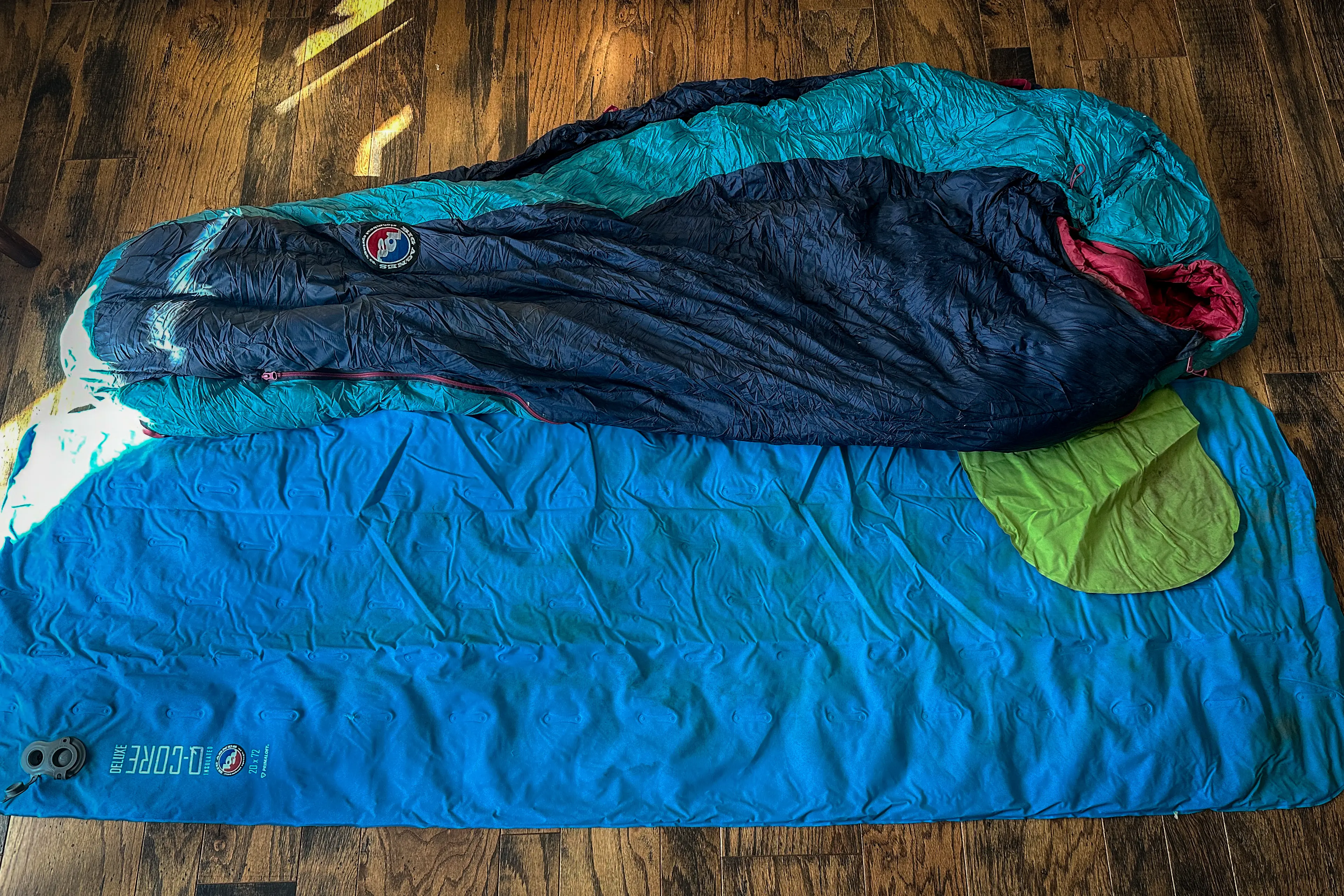
Store your sleeping bag loosely in a large cotton sack or hang it. Keep it dry and away from direct sunlight.
Credit: gearjunkie.com
Maintaining Sleeping Bag Loft And Warmth
Drying a sleeping bag correctly keeps it warm and fluffy. Wet sleeping bags lose loft and insulation. Proper care restores their comfort.
Drying helps remove moisture that damages the filling. This process preserves the sleeping bag’s ability to trap heat.
Fluffing Techniques
Fluffing restores the sleeping bag’s loft by separating fibers. This step is key after washing or drying.
- Gently shake the sleeping bag to loosen the insulation.
- Use your hands to pat and lift the fill evenly.
- Place the bag in a dryer on low heat with clean tennis balls to break clumps.
- Air dry in a well-ventilated area, turning regularly.
Storage Tips For Longevity
Proper storage keeps the sleeping bag fluffy and ready for use. Avoid compression to protect the fill.
| Storage Method | Effect on Loft |
| Hanging on a wide hanger | Maintains loft and shape |
| Loose storage in a large cotton sack | Protects insulation and allows air flow |
| Compressed in a small stuff sack | Reduces loft and damages fill over time |
Frequently Asked Questions
Can You Dry A Sleeping Bag In A Dryer?
Yes, you can dry a sleeping bag in a dryer. Use low heat and add clean tennis balls to fluff it. Avoid high heat to prevent damage to insulation and fabric.
How Long Does It Take To Dry A Sleeping Bag?
Drying time depends on the bag’s material and dryer settings. Typically, it takes 2 to 4 hours on low heat. Air drying may take longer but is gentler on the bag.
Is Air Drying Better For Sleeping Bags?
Air drying is gentler and reduces damage risk. It’s ideal for delicate or down-filled sleeping bags. However, it takes longer and requires a dry, well-ventilated space.
Can Drying A Sleeping Bag Damage Its Insulation?
Yes, high heat can harm insulation and reduce loft. Always use low heat or air dry to preserve the bag’s warmth and lifespan. Follow manufacturer care instructions carefully.
Conclusion
Drying a sleeping bag is quite simple. First, shake off excess water. Then, lay it flat in a dry area. Let air do its magic. Sunlight helps too, but avoid direct heat. Want a quicker way? A tumble dryer works, but use low heat.
Remember to fluff regularly. This keeps the filling even. Proper drying keeps your sleeping bag fresh. And ready for the next adventure. So, take care of it. Your next camping trip will thank you!