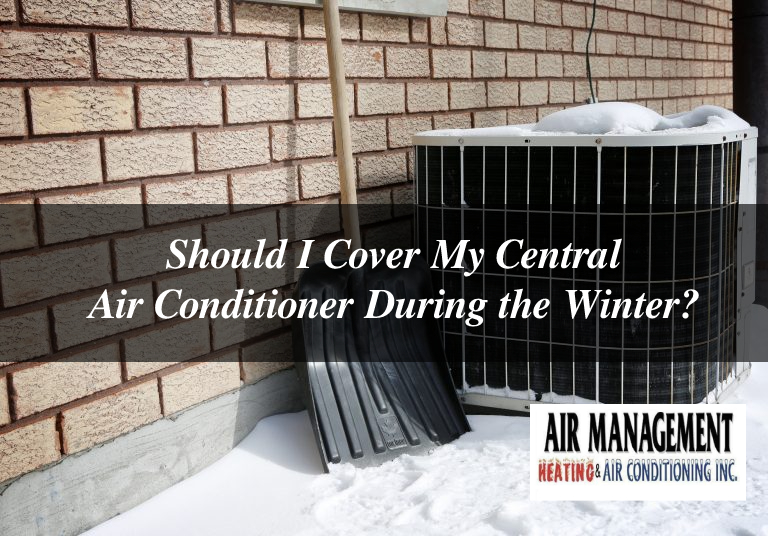
When winter arrives, you might wonder if you should cover your air conditioner to protect it from the cold. It’s a common question, and the answer isn’t as simple as you might think.
Making the wrong choice could cost you money or damage your unit. You’ll discover the facts about covering your air conditioner in winter, so you can make the best decision for your home and your wallet. Keep reading to find out what experts really say and how to keep your AC safe all season long.
Credit: www.furnaceprices.ca
Benefits Of Covering Ac In Winter
Covering your air conditioner in winterhelps keep it safe from outside threats. It blocks debris and dirtlike leaves and dust from entering. This keeps the unit cleaner and working better when summer returns.
A cover stops moisturefrom building up inside the AC. Moisture can cause rust and damage parts over time. Keeping the unit dry helps it last longer and saves money on repairs.
By protecting the AC, you also reduce wear and tear. The cover guards the machine from cold wind and ice, which can stress parts. This keeps the air conditioner in good shape for many winters.
Risks Of Not Covering Your Ac
Corrosionand rustcan damage your AC parts. Rain, snow, and moisture cause metal to weaken over time. This damage lowers the AC’s lifespan and efficiency. Covering your AC helps stop water from getting inside.
Pestslike insects, birds, and rodents may enter your AC unit. They build nests or chew wires, causing problems. Without a cover, your AC becomes an easy home for pests. This can lead to costly repairslater.
Ignoring these risks can lead to expensive maintenancebills. Broken parts and pest damage increase repair costs. Protecting your AC with a cover during winter saves money and keeps it working well.
Choosing The Right Ac Cover
Choosing the right AC coverhelps protect your unit during winter. The cover should fit well to avoid damage from dust and moisture. Different material optionsoffer various levels of protection and breathability.
| Material | Benefits | Drawbacks |
|---|---|---|
| Vinyl | Waterproof, blocks rain and snow | Less breathable, can trap moisture |
| Fabric (polyester/cotton) | Breathable, prevents mold and rust | Not fully waterproof |
| Heavy-duty plastic | Strong protection from harsh weather | May cause condensation inside |
Proper fit and size are important. Covers that are too tight or too loose can cause problems. Look for covers with adjustable straps or elastic edges.
Breathability featureslike vents or mesh panels help air flow. This prevents moisture build-up and rust inside the cover. A cover with breathability keeps your AC safe and dry.

Credit: kayplumbing.com
How To Cover Your Ac Properly
Remove debris and dirt from the AC unit. Use a soft brush or cloth to clean the surface. Clear out leaves and twigs around the base. Cleaning prevents mold and damage during winter.
Choose a cover made for your AC model. It should fit snugly but not block air flow. Avoid plastic sheets that trap moisture. Use breathable covers designed for outdoor units.
- Place the cover over the entire AC unit.
- Ensure vents remain open for air circulation.
- Secure the cover tightly around the base.
Use straps, bungee cords, or ropes to fasten the cover. Check for loose areas where wind can enter. A well-secured cover protects your AC from snow and ice.
When Not To Cover Your Ac
In warm climates, covering the air conditioner may not be needed. Temperatures rarely drop low enough to cause damage. Covering could trap moisture, leading to rust and mold inside the unit.
Many AC unitsare built for year-round exposure. They have covers and coatings to protect from weather. These units can handle rain, snow, and sun without extra protection. Covering them might block airflow and cause problems in spring.
Alternative Winter Protection Methods
Windbreaksand sheltersprotect air conditioners from harsh winds. Positioning a barrier nearby can reduce damage and keep debris away. Materials like wood or plastic work well for making these shields. This method helps maintain the unit’s efficiency without full coverage.
Regular maintenanceis key to winter care. Clean the unit and remove leaves or dirt. Check for any loose parts or damage. Covering vents is not necessary if the unit is clean and clear.
Professional inspectionensures the air conditioner is in good shape. Experts can spot problems early and suggest fixes. Schedule a check-up before winter starts to avoid big repairs later.

Credit: childresshvac.com
Frequently Asked Questions
Should I Cover My Air Conditioner In Winter?
Covering your air conditioner in winter can protect it from debris and weather damage. Use a breathable cover to prevent moisture buildup and rust. Proper coverage extends your unit’s lifespan and reduces maintenance needs.
What Type Of Cover Is Best For Winter Ac Protection?
A breathable, waterproof cover is best for winter AC protection. It keeps out rain and snow while allowing moisture to escape. Avoid plastic covers that trap humidity, leading to rust and mold inside the unit.
Can Covering My Ac Cause Damage In Winter?
Improper covering can cause damage by trapping moisture and promoting rust. Use a breathable cover to avoid condensation buildup. Ensure the cover fits well and is removed before spring to prevent issues.
Is It Necessary To Cover An Air Conditioner In Mild Winters?
In mild winters, covering your AC is optional but recommended. Covering protects from dust, leaves, and light precipitation. It also prevents insects and small animals from nesting inside the unit.
Conclusion
Covering an air conditioner in winter depends on your climate. Mild winters? No cover needed. Harsh weather? Consider covering it. Protecting your unit can extend its life. But ensure proper ventilation. Moisture buildup can damage the unit. Use breathable covers if needed.
Always check the manufacturer’s instructions. They offer the best advice. Regular maintenance is key, too. Keeps your air conditioner ready for summer. Simple steps can save costs later. Make informed choices for your home. Stay comfortable year-round without worries.