Have you ever wondered what makes braided fishing line so strong and reliable? If you want to improve your fishing game, understanding what your line is made of can make a big difference.
Knowing the materials behind braided line helps you choose the right one for your needs and ensures you get the best performance on the water. Keep reading to discover the secrets hidden in every strand of braided fishing line—and learn how this simple knowledge can transform your fishing experience.

Credit: www.amazon.ca
Materials Used In Braided Fishing Lines
Braided fishing lines are popular because they are strong and thin. They are made from special fibers that give them these qualities.
Different materials are used to make braided lines. Each material has unique features that affect the line’s performance.
Spectra Fiber
Spectra fiber is a type of ultra-high-molecular-weight polyethylene (UHMWPE). It is very strong and light.
Spectra fibers resist water and abrasion. They help braided lines hold their shape and strength.
Dyneema Fiber
Dyneema is another UHMWPE fiber known for high strength. It is similar to Spectra but made by a different company.
Dyneema fibers offer good cut resistance and low stretch. This makes lines more sensitive and durable.
Other Synthetic Fibers
Some braided lines use nylon or polyester blends. These materials add flexibility and smoothness.
Other synthetic fibers may improve color options and knot strength. They can also affect price and feel.
Weaving Techniques In Braided Lines
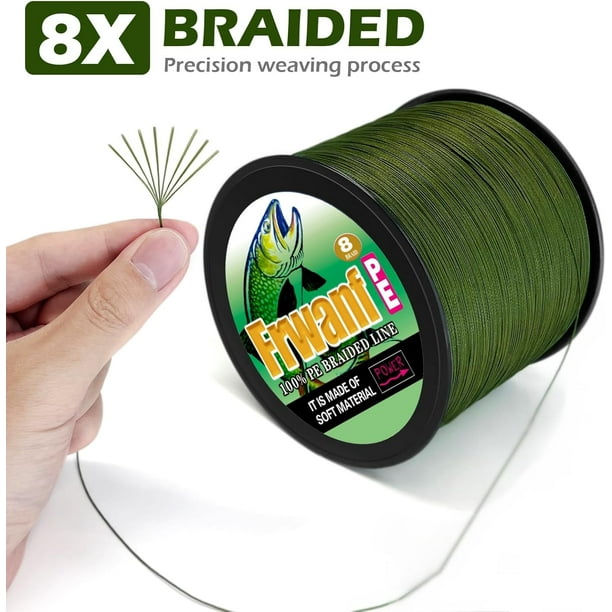
Braided fishing lines are made by weaving many small fibers tightly together. This weaving creates a strong and thin line used by anglers.
The weaving style affects the line’s strength, smoothness, and flexibility. Different braids use different numbers of strands.
Four-strand Braid
A four-strand braid uses four fibers woven in a simple pattern. It creates a round and firm line that is easy to handle.
This braid is often less flexible than others but still strong. It works well for light to medium fishing tasks.
Eight-strand Braid
An eight-strand braid weaves eight fibers together for better smoothness and strength. It feels softer and runs through guides easily.
This type of braid is popular for many fishing types. It balances strength and flexibility well.
Twelve-strand Braid
The twelve-strand braid uses twelve fibers woven tightly. It makes the strongest and smoothest braided line available.
This braid is very thin but very strong. It works best for heavy-duty fishing or when you need extra sensitivity.
Strength And Durability Factors
Braided fishing line is made from strong synthetic fibers. These fibers give it great strength and long-lasting use. Understanding what makes it strong helps anglers choose the right line.
The strength and durability depend on several key factors. These include tensile strength, abrasion resistance, and UV resistance. Each factor affects how well the line performs.
Tensile Strength
Tensile strength is the maximum force the line can handle before breaking. Braided lines use fibers like Spectra or Dyneema. These materials have very high tensile strength.
Because the fibers are tightly woven, the line can hold heavy weights. This makes it good for catching big fish. The strength is much higher than regular monofilament lines.
Abrasion Resistance
Abrasion resistance means how well the line resists wear from rubbing. Braided lines are known for strong abrasion resistance. The woven fibers protect the line from rough surfaces.
This helps when fishing near rocks, wood, or other sharp objects. The line stays intact and lasts longer. Anglers can fish in tough conditions without worrying about quick damage.
Uv Resistance
UV resistance shows how well the line stands up to sunlight. Some braided lines include UV inhibitors in their fibers. This stops the line from weakening or breaking in sunlight.
Good UV resistance means the line will keep its strength over time. It also helps prevent color fading. This makes the fishing line reliable for long outdoor use.

Credit: www.meltontackle.com
Advantages Of Braided Lines
Braided fishing lines are made from many thin fibers woven together. These fibers are usually made of strong materials like Spectra or Dyneema. Braided lines offer several benefits for anglers.
These lines are known for their strength, sensitivity, and thin diameter. They help anglers feel bites better and cast farther. Here are some key advantages of braided lines.
High Sensitivity
Braided lines have little stretch, so they send vibrations quickly to your rod. This makes it easier to feel fish bites and movements underwater. High sensitivity helps anglers react faster.
Feeling every tug on the line improves hook setting and catching fish. Braided lines help detect even small bites that other lines might miss.
Thin Diameter
Braided lines have a smaller diameter compared to monofilament lines of the same strength. This means you can use a thinner line without losing power. Thin diameter helps with longer casts and less water resistance.
- Allows more line on the reel
- Reduces wind knots
- Improves lure action in water
Low Stretch
Braided lines stretch very little under pressure. Low stretch means you have better control over your lure and fish. It also helps set hooks firmly and quickly.
With low stretch, you can feel the exact moment a fish bites. This improves your chances of catching the fish before it escapes.
Common Uses Of Braided Fishing Lines
Braided fishing lines are strong and thin. They are made from woven fibers like Spectra or Dyneema. These lines do not stretch much.
Many anglers use braided lines for different types of fishing. The line’s strength and sensitivity make it popular for several situations.
Saltwater Fishing
Braided lines work well in saltwater because they resist abrasion and hold up to rough conditions. They do not absorb water or weaken easily.
Saltwater fish are often big and strong. Braided lines help anglers fight these fish without breaking the line.
- Good for deep-sea fishing
- Handles large fish like tuna and grouper
- Resists saltwater wear and tear
Freshwater Fishing
Many freshwater anglers use braided lines for clear water and precise control. The low stretch helps feel bites better.
It is useful for fishing in lakes, rivers, and streams. Braided lines work well for catching bass, pike, and other freshwater fish.
- Helps detect light bites
- Strong for heavy fish like bass
- Works well in clear water
Heavy Cover Fishing
Braided lines are great for fishing in thick weeds or heavy brush. The strong line cuts through plants without snapping.
Anglers can pull fish out of tough spots with braided lines. The line does not stretch much, giving better hook sets in dense cover.
- Best for fishing in weeds and heavy brush
- Strong and abrasion-resistant
- Helps pull fish from tight spots
Credit: gearjunkie.com
Care And Maintenance Tips
Braided fishing line is strong and thin. It needs care to last longer. Proper care keeps it from weakening.
Good maintenance helps avoid line damage and tangles. It also improves your fishing experience.
Cleaning Methods
Cleaning braided fishing line removes dirt and salt. This stops damage and helps the line stay smooth.
Use fresh water to rinse the line after fishing. Avoid strong soaps or chemicals that can weaken the fibers.
- Rinse line with cool, fresh water
- Gently wipe with a soft cloth
- Let line dry completely before storing
- Do not use harsh cleaners or solvents
Storage Best Practices
Store braided line in a cool, dry place. Keep it away from direct sunlight to prevent damage.
Avoid tight winding to reduce stress on the line. Use a spool or line holder to keep it neat and tangle-free.
- Store line away from heat and sunlight
- Keep it dry to prevent mold or mildew
- Use a spool or container for neat storage
- Check line regularly for signs of wear
Frequently Asked Questions
What Materials Are Used In Braided Fishing Lines?
Braided fishing lines are made from strong synthetic fibers like Spectra or Dyneema. These materials provide high strength and low stretch, making the line durable and sensitive for fishing.
How Does Braided Fishing Line Differ From Monofilament?
Braided lines use multiple woven fibers, unlike monofilament’s single nylon strand. This makes braided lines thinner, stronger, and more resistant to abrasion, improving casting distance and sensitivity.
Are Braided Fishing Lines More Durable Than Other Lines?
Yes, braided lines are generally more durable. Their woven fibers resist abrasion and tearing better than monofilament or fluorocarbon lines, making them ideal for tough fishing conditions.
Why Is Low Stretch Important In Braided Fishing Lines?
Low stretch in braided lines improves sensitivity, allowing anglers to detect subtle bites. It also enhances hook-setting power, increasing the chances of a successful catch.
Conclusion
Braided fishing line is made from strong synthetic fibers woven tightly together. This design gives it great strength and durability. Many anglers choose it for its thin diameter and high sensitivity. It resists stretching, allowing better control of the fish.
Knowing the material helps you pick the right line for fishing. Whether you fish in fresh or saltwater, braided lines perform well. Understanding what braided line is made of improves your fishing experience. It’s a reliable choice for many fishing situations.
Simple, strong, and effective—that’s braided fishing line.