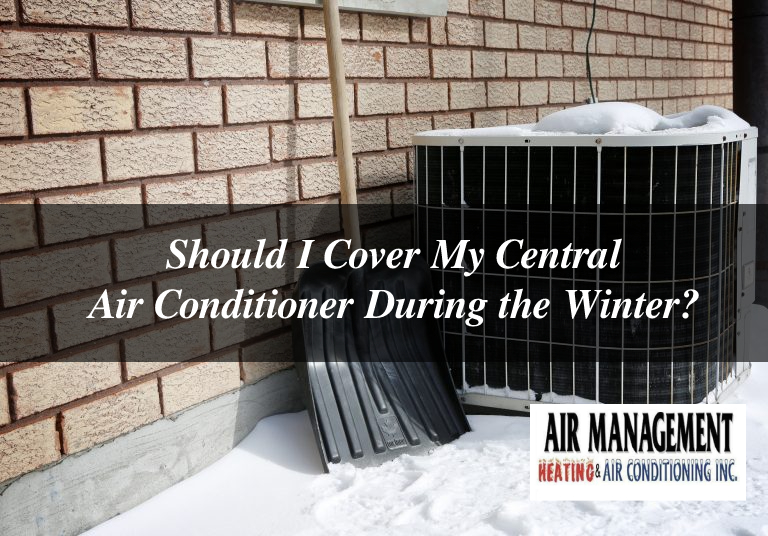
Have you ever wondered if you can run your air conditioner during the winter months? It might sound strange at first, but using your AC in cold weather can actually have surprising benefits.
Maybe you’re curious if it’s safe, or if it can help improve your home’s air quality. Whatever your reason, understanding how your air conditioner works in winter can save you money and keep your home comfortable year-round. Keep reading to discover the truth about running your AC in winter and how to make the most of it.
Credit: www.furnaceprices.ca
Running Ac In Cold Weather
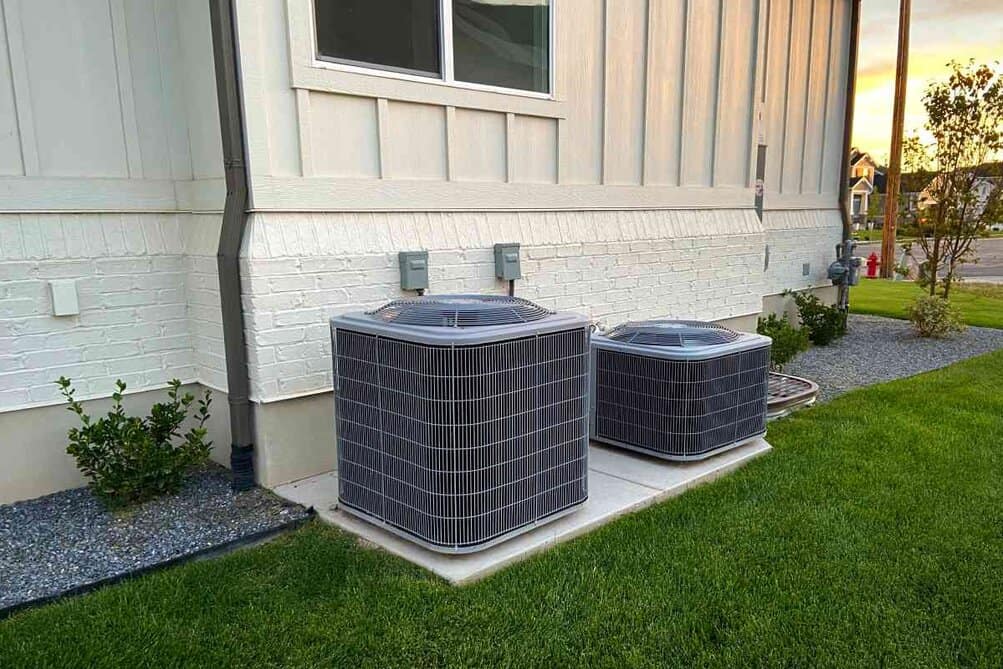
Many people wonder if they can run their air conditioner during winter. Understanding how AC units work helps answer this question. Cold weather affects AC performance and usage.
This guide explains the basics of air conditioner operation and what happens when you use it in winter. It covers key points to consider before running your AC in cold weather.
How Air Conditioners Work
An air conditioner removes heat from inside your home and sends it outside. It uses a refrigerant that absorbs heat and changes from liquid to gas. A compressor helps move the refrigerant through the system.
- The indoor coil absorbs heat from the air inside.
- The refrigerant carries heat outside to the outdoor coil.
- The outdoor coil releases heat to the outside air.
- The refrigerant cools down and returns inside to repeat the cycle.
Winter Operation Basics
| Winter Use Factor | Considerations |
| Low Outdoor Temperature | Can cause damage to AC parts if run without proper settings |
| Heat Pump Function | Can provide heating by reversing cooling cycle |
| Compressor Stress | May increase if AC runs in very cold weather |
| Energy Efficiency | Usually lower when operating below recommended temperatures |
Some air conditioners are not designed for cold weather use. Running them in winter can cause wear or failure. Heat pumps offer a safer option for heating during cold months.
Benefits Of Winter Ac Use
Running an air conditioner in winter may seem unusual. Yet, it offers several benefits for your home environment.
Using your AC in cold months can improve air quality and control humidity. It also helps prevent mold growth inside your house.
Improved Air Quality
Air conditioners filter dust, pollen, and other particles. Running the AC in winter keeps these pollutants low inside your home.
Cleaner air helps reduce allergies and breathing problems. It also keeps your living space fresh and comfortable.
Humidity Control
Air conditioners remove excess moisture from the air. This helps keep indoor humidity at a healthy level during winter.
Proper humidity control prevents dry skin and respiratory issues. It also protects wooden furniture and floors from damage.
Preventing Mold Growth
Mold grows in damp and humid areas. Running the AC reduces moisture that causes mold growth inside your home.
Preventing mold helps avoid health risks like allergies and asthma. It also keeps your home structure safe and clean.
Energy Efficiency Considerations
Running an air conditioner in winter can raise questions about energy use. It is important to think about how efficient it is during cold weather.
Understanding power use and cost effects helps you decide if running your AC in winter is smart.
Power Consumption In Cold Weather
Air conditioners use electricity to cool or heat air. In cold weather, some units work harder to keep your home warm. This can increase power use.
Heat pumps, a type of air conditioner, are designed to run efficiently in winter. They move heat from outside to inside your home. But very cold air makes this harder.
- Cold air lowers heat pump efficiency
- Units may run longer to keep warm
- Older systems can use more electricity
Cost Implications
Using an air conditioner in winter can raise your electricity bill. The cost depends on your system’s efficiency and local energy prices.
Heat pumps save money compared to electric heaters. But if your AC is not made for cold weather, costs can go up.
- Efficient units lower energy bills
- Extra power use increases monthly costs
- Regular maintenance keeps costs down
Potential Risks And Precautions
Running an air conditioner in winter is possible but comes with risks. You must take care to protect your AC unit.
Cold weather can affect the AC’s parts and performance. Knowing what to watch for helps keep the unit safe.
Impact On Ac Unit
Cold temperatures can cause parts of the AC to freeze or break. The compressor may work harder and wear out faster.
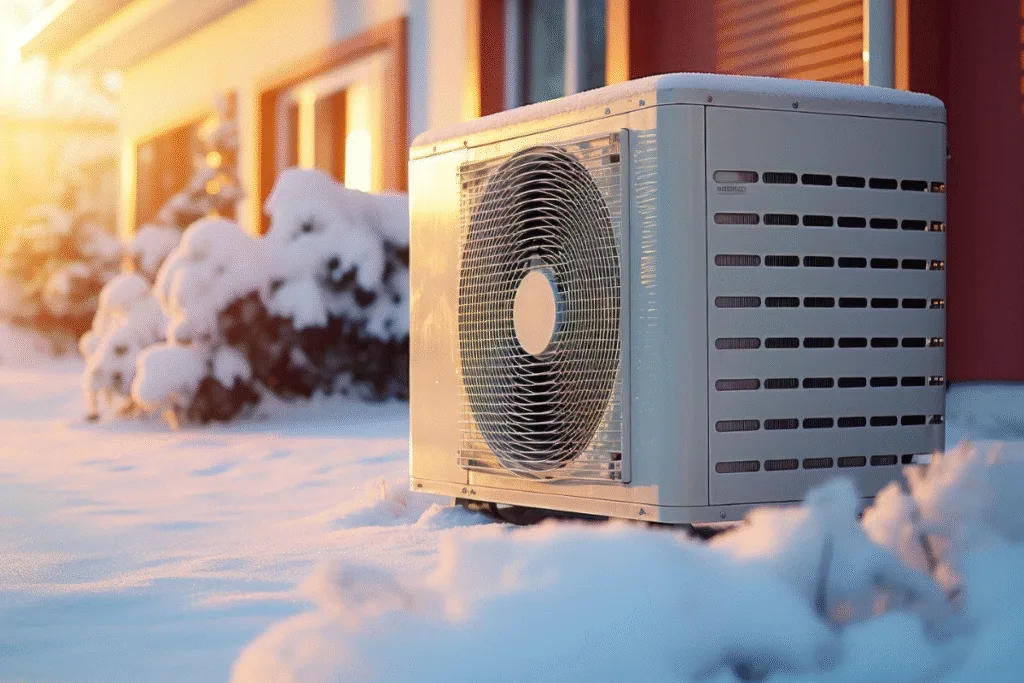
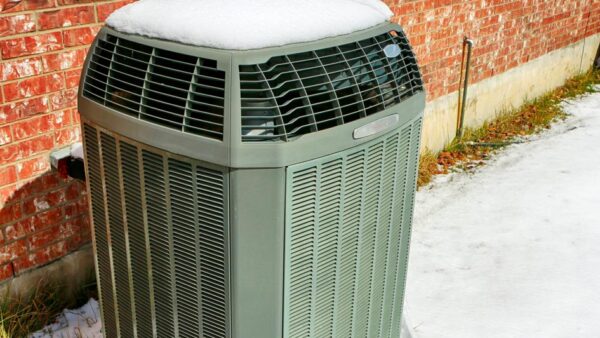
Running the AC in winter may cause the outdoor unit to get damaged by ice or snow buildup. This can block airflow and cause problems.
- Freezing can damage coils and pipes
- Snow and ice can block the outdoor unit
- Compressor stress may shorten lifespan
- Oil inside the unit may thicken and reduce efficiency
Maintenance Tips For Winter Use
Proper care can reduce risks when running your AC in cold months. Check the unit regularly to keep it safe.
Follow these tips to protect your air conditioner during winter use.
- Clear snow and ice from the outdoor unit
- Use a cover to protect the unit when not in use
- Run the AC in short intervals to avoid overworking
- Schedule regular maintenance with a professional
- Check refrigerant levels and oil condition
- Keep the area around the unit clean and free of debris
Alternative Uses For Air Conditioners
Air conditioners can do more than just cool your home in summer. You can use them in winter too.
Some air conditioners have features that help with heating and removing moisture from the air.
Heating Mode Options
Many modern air conditioners have a heating mode. This lets you warm your room during cold months.
The heating mode works by reversing the cooling cycle. It pulls heat from outside and brings it inside.
- Can save energy compared to electric heaters
- Provides quick and even heating
- Often comes with temperature control settings
Dehumidification Benefits
Air conditioners can remove extra moisture from the air. This helps keep rooms dry in winter.
Lower humidity reduces mold and dust mites, improving indoor air quality and comfort.
- Stops dampness on walls and furniture
- Makes the air feel warmer and fresher
- Helps protect your home from damage
Credit: deepchill.com.au
Credit: www.fireandiceva.com
Frequently Asked Questions
Is It Safe To Run Ac In Winter?
Yes, running an AC in winter is generally safe. It can help dehumidify and improve air circulation indoors. However, avoid using it in freezing temperatures, as it may damage the unit. Always refer to the manufacturer’s guidelines for specific temperature limits and maintenance tips.
Can Ac Be Used For Heating In Winter?
Many modern AC units offer a heating mode, also known as a heat pump function. This mode allows the AC to provide warmth during colder months. It can be an efficient way to maintain a comfortable indoor temperature without the need for separate heating systems.
Does Using Ac In Winter Increase Energy Bills?
Running an AC in winter can increase energy bills, especially if used frequently. However, using the heating mode of a heat pump can be more energy-efficient than traditional heaters. To save on energy costs, use programmable thermostats and maintain proper insulation in your home.
What Temperature Is Too Cold For Ac Operation?
Most AC units are designed to operate efficiently above 60°F (16°C). Running them in colder temperatures can cause mechanical issues. It’s essential to consult your AC’s manual for specific guidance on temperature limits to ensure optimal performance and longevity.
Conclusion
Running your air conditioner in winter can help in some cases. It works well to remove humidity and keep air fresh. But using it too much may waste energy and increase bills. Check your unit’s settings and weather before turning it on.
Small use can improve comfort without big costs. Always balance warmth, air quality, and saving money. Choose what fits your home and needs best. Simple steps lead to better winter air control.