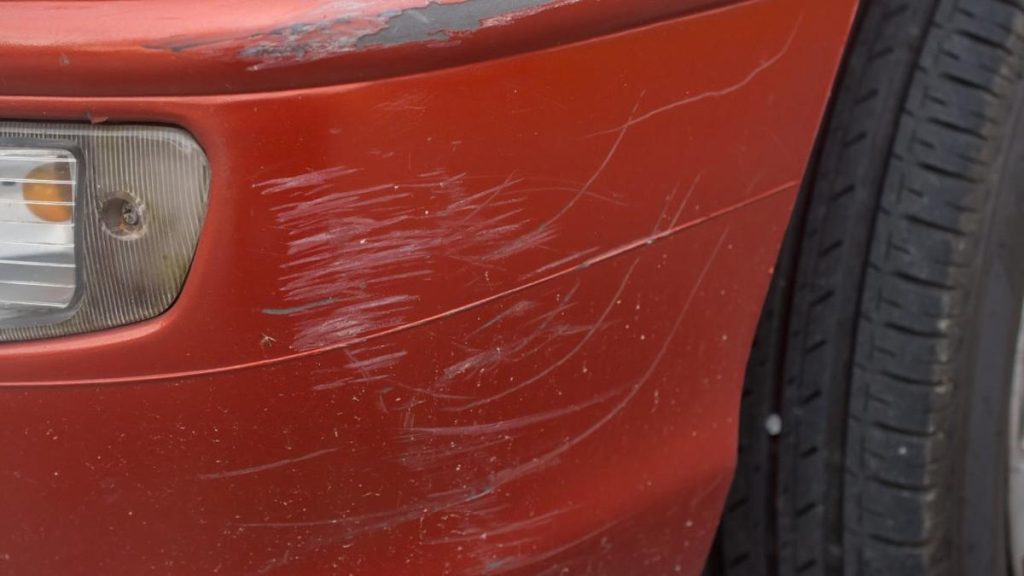
Have you ever found a scratch on your car and wondered if your insurance will cover the repair? Scratches can be frustrating and expensive to fix.
You might be asking yourself, “Will I have to pay for this out of my own pocket? ” Understanding whether car scratches are covered by insurance can save you time, money, and stress. You’ll discover exactly when your insurance steps in and when it doesn’t.
Keep reading to learn how to protect your car and your wallet.
Types Of Car Scratches
Car scratches can vary in depth and cause. Understanding these types helps with repair and insurance claims.
This guide explains surface scratches, deep scratches, and common scratch causes.
Surface Scratches
Surface scratches affect only the clear coat of the paint. They are usually light and do not reach the color layer.
These scratches are often easy to fix with polishing or scratch removers.
Deep Scratches
Deep scratches cut through the paint and expose the metal underneath. They may cause rust if left untreated.
| Scratch Type | Damage Level | Repair Method |
| Surface Scratch | Clear coat only | Polishing, scratch remover |
| Deep Scratch | Through paint to metal | Touch-up paint, professional repair |
Scratch Causes
Scratches happen for many reasons. Knowing these helps prevent damage.
- Keys or sharp objects scraping the paint
- Branches or bushes brushing against the car
- Accidents and parking lot mishaps
- Improper car washing with rough cloths
- Road debris hitting the car while driving

Credit: www.selectquote.com
Insurance Coverage Basics
Car scratches are a common concern for many drivers. Knowing if your insurance covers these damages helps you make smart choices. This guide explains key insurance coverage types and terms.
Understanding your policy can save money and avoid surprises. We will cover liability, comprehensive, collision, deductibles, and limits.
Liability Vs. Comprehensive
Liability insurance covers damage you cause to others. It does not cover your car’s scratches. Comprehensive insurance protects against damage not caused by a crash.
- Liability: Covers injuries and property damage to others.
- Comprehensive: Covers theft, vandalism, natural events, and animal damage.
- Scratches from vandalism or falling objects are usually covered by comprehensive.
- Liability does not cover scratches on your own car.
Collision Coverage
Collision insurance pays for damage to your car after a crash. Scratches from hitting another vehicle or object may be covered. This depends on your policy and the cause.
Minor scratches might not be worth filing a claim. Check your deductible and repair cost before deciding.
Deductibles And Limits
| Term | Meaning | Effect on Scratch Claims |
|---|---|---|
| Deductible | Amount you pay before insurance pays | If scratch repair cost is less than deductible, you pay all costs |
| Coverage Limit | Maximum amount insurance will pay | Large repair costs may exceed your limit |
| Claim Impact | Making a claim can raise future premiums | Consider cost vs. benefit before claiming |
When Scratches Are Covered
Car scratches can happen in many ways. Insurance may cover some scratches but not all. It depends on how the scratches happened and the type of insurance you have.
Understanding when your insurance covers scratches helps you know what to expect. Here are common situations where coverage applies.
Accident-related Damage
If scratches happen during a car accident, your insurance might cover the repair. This usually applies if you have collision coverage. Collision coverage helps fix damage from crashes with other cars or objects.
You must report the accident and file a claim. The insurance company will assess the damage and decide the payout.
Vandalism And Theft
Scratches caused by vandalism or theft attempts are often covered by comprehensive insurance. This coverage protects your car from damage not related to accidents.
You should file a police report to support your insurance claim. The insurer will check the report and the damage before paying.
Natural Disasters
Natural events like hail, floods, or falling branches can scratch your car. Comprehensive insurance usually covers these damages. It protects your vehicle from weather and natural events.
Keep photos of the damage and report it quickly. The insurance company will send an adjuster to inspect before paying the claim.

Credit: www.reddit.com
When Scratches Are Not Covered
Not all car scratches are covered by insurance. Some types of damage fall outside policy protections.
Understanding when scratches are excluded helps you avoid surprises with claims.
Wear And Tear
Insurance usually does not cover scratches caused by regular wear and tear. This includes damage from daily use like rubbing against branches or minor scrapes in parking lots.
Wear and tear is expected and considered part of owning a vehicle.
Minor Cosmetic Damage
Small scratches that do not affect the car’s function often fall outside insurance coverage. These minor cosmetic damages are seen as maintenance issues.
- Surface scratches that only affect paint
- Tiny chips from road debris
- Light scuffs from washing or cleaning
Unreported Incidents
Failing to report scratches or damage in time can lead to denial of coverage. Insurance companies require prompt notification of any incidents.
| Requirement | Details |
| Report Timeframe | Within policy period, usually 24-72 hours |
| Proof Needed | Photos or police report if applicable |
| Claim Impact | Late reporting can void the claim |
Filing A Claim For Scratches
Car scratches can be frustrating and costly to fix. Many people wonder if insurance will cover these damages.
This guide helps you understand how to file a claim for scratches on your vehicle.
Assessing Damage
Look closely at the scratches to see how deep they are. Superficial scratches may not need insurance claims.
Check if the scratch affects the paint only or if it reaches the metal underneath. This affects repair costs.
- Minor scratches might be fixed with touch-up paint
- Deep scratches may require professional repair
- Large damaged areas increase repair costs
Documentation Tips
Take clear photos of all scratches from different angles. This helps prove the damage to the insurance company.
Write down the date, time, and place where the damage happened. Keep any repair estimates or receipts.
- Use good lighting for photos
- Capture close-up and wide shots
- Keep records of all related documents
Claim Process Steps
Contact your insurance company to report the scratches. Ask if your policy covers this type of damage.
Fill out the claim form and submit your photos and documents. Wait for an adjuster to inspect the damage.
- Report damage as soon as possible
- Provide all requested information
- Schedule an inspection if needed
- Review the settlement offer carefully
Cost Considerations
Car scratches can lead to repair costs that vary widely. Understanding these costs helps you decide if insurance is the right choice.
Insurance coverage for scratches depends on many factors. These include repair expenses, how premiums change, and whether to pay out-of-pocket.
Repair Expenses
Repair costs depend on the scratch size and location. Small scratches may cost less, while deep ones require more work.
- Minor scratches may only need polishing.
- Deeper scratches might require repainting.
- Professional repairs usually cost more than DIY fixes.
Impact On Premiums
Filing a claim for a scratch can affect your insurance premium. Insurers often raise rates after claims.
| Claim Type | Average Premium Increase |
| Minor Scratch Repair | 5-10% |
| Major Scratch or Dent Repair | 10-20% |
| No Claim Filed | 0% |
Choosing To Pay Out-of-pocket
Paying for scratch repairs yourself can save money in the long run. It avoids increased insurance premiums.
- Consider repair cost versus deductible amount.
- Small repairs may be cheaper without a claim.
- Out-of-pocket payments keep your claim history clean.
Preventing Scratches
Car scratches can lower your vehicle’s value and look bad. Taking steps to prevent scratches helps keep your car in good shape.
Small efforts can protect your car’s paint and avoid costly repairs later.
Protective Coatings
Protective coatings add a shield to your car’s paint. They help stop scratches from dirt, rocks, and other objects.
These coatings can be wax, ceramic, or paint sealants. They make it easier to clean your car and keep it shiny.
- Wax protects paint and adds shine
- Ceramic coatings last longer and resist scratches
- Paint sealants create a hard, protective layer
Safe Parking Habits
Where and how you park your car affects scratch risk. Choose spots away from tight spaces and busy areas.
Avoid parking near shopping carts, trees, or places with heavy foot traffic. These places increase chances of scratches.
- Park in garages or covered areas
- Use end spots to avoid other car doors
- Stay away from crowded parking lots
Regular Maintenance
Keeping your car clean helps prevent scratches. Dirt and debris can scratch paint if not removed gently.
Wash your car with soft cloths and mild soap. Check for small scratches and fix them early to stop damage.
- Rinse dirt off before washing
- Use microfiber towels to dry
- Apply touch-up paint on small scratches

Credit: www.reddit.com
Frequently Asked Questions
Are Car Scratches Usually Covered By Insurance?
Car scratches are often covered only under comprehensive or collision insurance. Basic liability insurance typically does not cover scratches. Coverage depends on your policy type and deductible amount. Always check with your insurer for specific details.
When Should I File An Insurance Claim For Car Scratches?
File a claim if repair costs exceed your deductible. Minor scratches may cost less to fix out-of-pocket. Consider claim impact on premiums before deciding. Contact your insurer to evaluate claim benefits.
Does Insurance Cover Scratch Repairs From Vandalism?
Yes, comprehensive insurance usually covers vandalism-related scratches. You must report the incident promptly with evidence. Liability insurance does not cover vandalism damages. Review your policy for exact coverage terms.
Will My Insurance Premiums Increase After A Scratch Claim?
Premiums may increase depending on your insurer and claim history. Small claims might not affect premiums significantly. Frequent claims can lead to higher rates or policy cancellation. Confirm with your insurance agent for accurate information.
Conclusion
Car scratches often bring stress and worry. Insurance might cover them. It depends on your policy. Always read your insurance documents carefully. Understand your coverage details. Contact your insurance provider with questions. They can help clarify your policy. Remember, some scratches might not be covered.
Consider the deductible costs. Compare them with repair expenses. This helps you make informed decisions. Knowing your policy protects you from surprises. Maintain regular communication with your provider. This ensures clarity and peace of mind. Stay informed and proactive. That way, you’re always prepared.