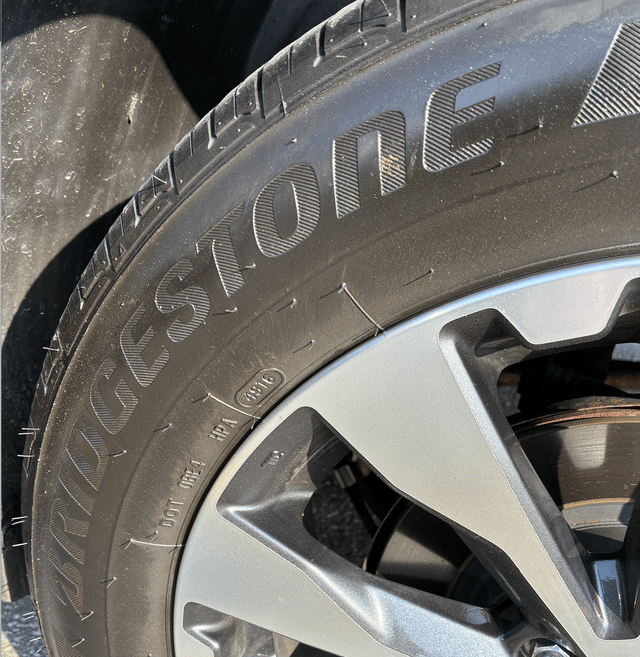
Have you ever wondered how often your car really needs new tires? It’s a question that matters more than you might think.
Your tires are the only part of your car touching the road, keeping you safe and in control. Worn-out tires can lead to dangerous situations, but changing them too soon can waste your money. You’ll discover exactly when and why you should replace your tires.
Knowing this can save you from unexpected problems and help you drive with confidence every day. Keep reading to find out the simple signs and expert tips that will protect both your car and your wallet.

Credit: www.reddit.com
Tire Lifespan Basics
Tires are a key part of car safety and performance. Knowing when to replace them helps avoid accidents.
Tire lifespan depends on use, road conditions, and care. Regular checks keep tires in good shape.
Average Mileage Expectancy
Most car tires last between 25,000 and 50,000 miles. Some tires can go up to 70,000 miles.
High-quality tires usually last longer. But mileage can vary based on driving style and conditions.
- Standard tires: 25,000 to 50,000 miles
- Premium tires: up to 70,000 miles
- Sports tires: often last less than 25,000 miles
Factors That Shorten Tire Life
Several things can cause tires to wear out faster. It is important to watch these factors closely.
Bad road surfaces, poor maintenance, and aggressive driving reduce tire life quickly.
- Driving on rough or gravel roads
- Ignoring tire pressure checks
- Frequent hard braking and sharp turns
- Overloading the vehicle beyond limits
- Failing to rotate tires regularly
Signs It’s Time For New Tires
Tires wear out over time and need to be replaced for safety. Knowing when to change tires helps prevent accidents.
Look for clear signs on your tires that show they are worn or damaged. This guide explains what to watch for.
Tread Depth Indicators
Tires have tread depth indicators built into the grooves. These small bars show when the tread is too low.
If the tread is worn down to the same level as the indicator bars, it is time to replace the tires.
- Tread depth below 2/32 inch is unsafe
- Check tread with a penny or tread gauge
- Worn tread reduces grip and increases slipping
Visible Damage And Cracks
Look closely at the tire surface for cuts, cracks, or bulges. These can cause tire failure.
Cracks on the sidewall or tread show the rubber is aging or damaged. Replace tires if you see these signs.
- Sidewall cracks can lead to blowouts
- Bulges or bubbles mean internal damage
- Deep cuts may expose tire layers
Uneven Wear Patterns
Uneven wear means some parts of the tire are thinner than others. This can cause poor handling.
Check for areas that look more worn, such as the edges or center. This could mean alignment or pressure issues.
- Worn edges may mean low tire pressure
- Center wear shows over-inflation
- Patchy wear can signal bad alignment or suspension
Impact Of Driving Habits
How often you need new tires depends a lot on your driving habits. Different ways of driving put different wear on your tires.
Understanding how your driving style affects your tires can help you replace them at the right time. This keeps you safe on the road.
City Vs Highway Driving
City driving often means more stops, starts, and turns. This can wear tires faster than steady highway driving. Highway driving usually causes less tire wear because it is smoother.
- City driving wears tires on the edges more.
- Highway driving wears tires evenly across the tread.
- Frequent braking in the city increases tire wear.
- High speeds on highways can cause heat buildup in tires.
Aggressive Driving Effects
Aggressive driving puts a lot of stress on tires. Hard braking, fast acceleration, and sharp turns cause tires to wear out quickly.
| Driving Behavior | Effect on Tires |
| Hard Braking | Increases tread wear at the front tires |
| Fast Acceleration | Causes uneven tire wear |
| Sharp Turns | Wears down tire edges |
| Speeding | Raises tire temperature, reducing tire life |
Load And Tire Pressure
Car load and tire pressure affect tire wear and safety. Heavy loads strain tires more. Wrong tire pressure causes uneven wear and can lead to damage.
Tips for maintaining tires under different loads:
- Check tire pressure before driving with a heavy load.
- Keep tire pressure at manufacturer’s recommended level.
- Reduce speed when carrying heavy loads to avoid tire strain.
- Inspect tires often for signs of uneven wear or damage.
Seasonal Tire Considerations
Choosing the right tires for each season helps keep your car safe. Tires work differently in cold and warm weather.
This guide explains the differences between winter and summer tires. It also covers the limits of all-season tires.
Winter Vs Summer Tires
Winter tires have special rubber that stays soft in cold weather. This helps the car grip ice and snow better.
Summer tires use harder rubber for warm weather. They give better control and shorter stops on dry and wet roads.
- Winter tires have deeper tread patterns
- Summer tires offer better handling on hot roads
- Changing tires by season improves safety and tire life
- Using the wrong tire can cause slipping and wear
All-season Tire Limitations
All-season tires try to work in many conditions. They can handle light snow and rain but are not perfect for any season.
| Type | Best Use | Limitations |
| Winter Tires | Cold, snow, ice | Wear fast in heat |
| Summer Tires | Warm, dry, wet roads | Poor grip in snow |
| All-Season Tires | Mixed weather | Compromise on snow and heat |
Safety Risks Of Old Tires
Old tires can cause serious safety problems. As tires age, their performance drops.
Worn tires increase the chance of accidents. Understanding the risks helps keep you safe.
Reduced Traction And Control
Old tires lose their grip on the road. This reduces your control, especially on wet or icy roads.
- Longer stopping distances
- More slipping and skidding
- Harder to steer in bad weather
- Less stability during turns
Increased Blowout Probability
A blowout is when a tire suddenly loses air. Old tires are more likely to blow out because they weaken over time.
| Cause | Effect |
| Cracks in tire sidewalls | Air leaks and bursts |
| Worn tread depth | Less shock absorption |
| Exposure to heat and sun | Rubber breaks down faster |
| Repeated damage from road debris | Weak spots in tire |

Credit: www.reddit.com
Maintenance Tips To Extend Tire Life
Tires wear out over time, but you can make them last longer. Good care keeps your tires safe and saves money.
Simple maintenance steps help avoid early tire replacement. Follow these tips to protect your tires.
Regular Tire Rotation
Rotating tires regularly spreads out wear evenly. It helps all tires last about the same time.
- Rotate tires every 5,000 to 7,000 miles
- Follow the rotation pattern recommended by your vehicle’s manual
- Check for uneven wear during each rotation
- Use rotation to spot tire damage early
Proper Inflation Practices
Correct tire pressure improves tire life and safety. Too much or too little air causes faster wear.
| Pressure Level | Effect on Tires |
| Underinflated | Wear on edges, more heat buildup |
| Overinflated | Wear in center, rough ride |
| Properly Inflated | Even wear, better fuel economy |
Check tire pressure at least once a month. Use a reliable gauge and adjust to the recommended level.
Wheel Alignment Checks
Misaligned wheels cause uneven tire wear and poor handling. Regular checks keep alignment correct.
Signs you need an alignment check:
- Your car pulls to one side
- Uneven tire wear appears
- Steering wheel is off center
- Vibrations in the steering wheel
Have your alignment checked every 12,000 miles or after hitting a large pothole.
When To Replace All Tires
Car tires wear out over time. They lose grip and can become unsafe.
Replacing all tires at the right time keeps your car safe and stable.
Replacing In Sets Vs Individually
It is best to replace tires in sets, not one at a time. This keeps the car balanced.
Replacing one tire can cause uneven wear and affect handling. New tires grip better than old ones.
- Replacing all four tires gives the best balance and safety.
- Replacing two tires on the same axle is sometimes okay.
- Replacing one tire alone can cause control problems.
Matching New Tires To Existing Ones
If you replace fewer than four tires, match new ones to the old tires.
Match tire size, brand, and tread pattern. This helps the car drive smoothly and safely.
- Check tire size on the sidewall to find the right match.
- Use the same brand and model for better performance.
- Keep tread depth and pattern similar to avoid uneven wear.
Credit: www.motor1.com
Frequently Asked Questions
How Often Should Car Tires Be Replaced?
Car tires generally need replacement every 25,000 to 50,000 miles. Factors like driving habits and road conditions affect this. Regularly check tire tread depth and wear patterns to decide the right time for new tires.
What Signs Indicate Tire Replacement Is Needed?
Look for worn tread, cracks, bulges, or uneven wear. Also, notice vibrations while driving or frequent air pressure loss. These signs suggest it’s time to replace your tires for safety.
Can Tire Age Affect Performance?
Yes, tires degrade over time regardless of mileage. Most manufacturers recommend replacing tires every 6 to 10 years, even if tread looks fine. Aging tires can lose grip and increase accident risk.
How Does Driving Style Impact Tire Lifespan?
Aggressive driving, like hard braking and fast cornering, wears tires faster. Smooth driving and proper tire maintenance can extend tire life. Adjust driving habits to get more mileage from your tires.
Conclusion
Regular tire checks are vital for car safety. Tires wear differently. Roads, weather, and driving habits all affect tire life. Inspect them often. Look for tread wear and damage. Replace tires when needed. A good rule? Every 6 to 10 years.
But check your owner’s manual for guidance. Proper maintenance helps extend tire life. Rotate tires and keep them properly inflated. This saves money and ensures safety. Keep an eye on performance and ride comfort. When in doubt, consult a professional.
Safe driving starts with good tires. Prioritize your safety and your car’s health.