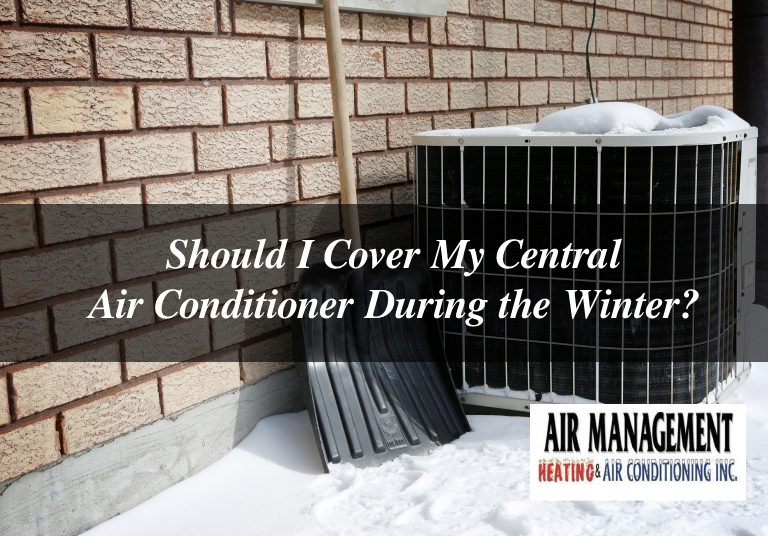
Are you wondering if you should cover your air conditioner when it’s not in use? You want to protect your unit, save money, and avoid costly repairs—but is covering it really the best choice?
Making the wrong decision could lead to damage or reduce your AC’s lifespan. Keep reading to discover the surprising facts about covering your air conditioner and learn what’s truly best for your home and wallet.
Benefits Of Covering Your Air Conditioner
Covering an air conditionerhelps keep out debris and dirt. Leaves, dust, and small sticks can block the unit and lower its performance.
Rust and corrosioncan damage parts of the air conditioner. A cover stops water and moisture from sitting on the metal. This helps the unit last longer.
With a cover, maintenance needs reduce. The unit stays cleaner and works better. This means fewer repairs and less cleaning work.
Credit: www.furnaceprices.ca
When To Cover Your Air Conditioner
Covering an air conditioner during off-season monthshelps protect it from dust and dirt. This keeps the unit clean and ready for use.
Before severe weather, a cover can shield the AC from heavy rain, snow, or strong winds. It prevents water damage and debris buildup.
In areas with high pollution, covering the AC reduces exposure to dust and harmful particles. This can extend the life of the unit.
- Use a breathable cover to avoid moisture buildup.
- Do not cover the unit when it is running.
- Remove the cover before turning the AC back on.
Choosing The Right Cover
Choosing the right cover helps protect your air conditioner during off-season. The material typematters a lot. Some covers are made from heavy plastic, which blocks moisture but can trap heat. Others use breathable fabric that allows air to flow, preventing mold and rust. A cover that is too tight can damage the unit. It should fit snugly without squeezing the sides.
Breathability and ventilationare key. Covers with vents or mesh panels help air move freely. This stops moisture build-up that can harm the air conditioner. A cover that lets air out but keeps dirt and leaves away is ideal.
| Material Type | Benefits | Drawbacks |
|---|---|---|
| Heavy Plastic | Blocks moisture | Traps heat, may cause rust |
| Breathable Fabric | Allows air flow, prevents mold | Less water resistant |

Credit: www.vairtech.com
Risks Of Covering Your Air Conditioner Incorrectly
Moisture buildupcan happen if the cover traps water. This creates a perfect place for moldand mildewto grow. Mold can harm your air conditioner and cause bad smells.
Restricted airflowhappens when the cover blocks air from moving freely. This makes the unit work harder, using more energy and wearing out faster.
Some covers can cause damage to partslike the fan or motor. Covers not made for your model might not fit right and cause harm.
| Risk | Effect |
|---|---|
| Moisture Buildup | Leads to mold growth and bad smells |
| Restricted Airflow | Increases energy use and wears out the AC |
| Damage to Components | Can harm fan, motor, or other parts |
Proper Steps To Cover Your Air Conditioner
Before covering an air conditioner, it is important to cleanit well. Remove leaves, dirt, and dust from the unit. Clean the coils gently to avoid damage. A clean unit prevents mold and keeps the air fresh.
Use a cover that fits securelyto protect the unit from rain and snow. Choose a cover made of breathable material to stop moisture build-up. Secure the cover with straps or cords to keep it in place during wind.
- Check the cover regularly for tears or holes.
- Remove any debris that collects on top.
- Ensure the cover is still tight and secure.
- Inspect the unit for any signs of moisture or damage.
Alternative Protection Methods
Custom enclosures fit around your air conditioner. They protect from leaves, dirt, and snow. These enclosures allow air flow, so the unit does not overheat.
Seasonal maintenance keeps the air conditioner working well. Cleaning and checking parts stops damage. It helps catch small problems early.
Landscaping barriers block wind and debris. Plants or fences can shield the unit. These barriers reduce dirt and cold air hitting the unit.

Credit: www.familyhandyman.com
Frequently Asked Questions
Should I Cover My Air Conditioner In Winter?
Covering your air conditioner in winter can protect it from debris and harsh weather. However, ensure the cover is breathable to prevent moisture buildup and rust.
Does Covering An Air Conditioner Improve Its Lifespan?
Yes, covering your air conditioner during off-season helps prevent damage from dirt, leaves, and weather. This can extend its lifespan and reduce maintenance needs.
Can Covering An Air Conditioner Cause Mold Growth?
If the cover is non-breathable, moisture can get trapped, leading to mold and mildew growth. Use a breathable cover to avoid this issue.
When Is The Best Time To Cover An Air Conditioner?
Cover your air conditioner after the cooling season ends and the unit is completely dry. This timing helps protect it through fall and winter.
Conclusion
Deciding to cover your air conditioner depends on your climate. In cold, snowy areas, a cover can protect it. But, covering may trap moisture and cause rust. In rainy regions, consider a breathable cover. Avoid covering in warm climates, as it can hinder airflow.
Always clean your unit before covering. Check manufacturer’s guidelines for advice. Regular maintenance is key. Keep your air conditioner in top shape. Remember, each situation is unique. Weigh the pros and cons for your home. Protecting your investment ensures comfort all year round.
Keep these points in mind for best results.