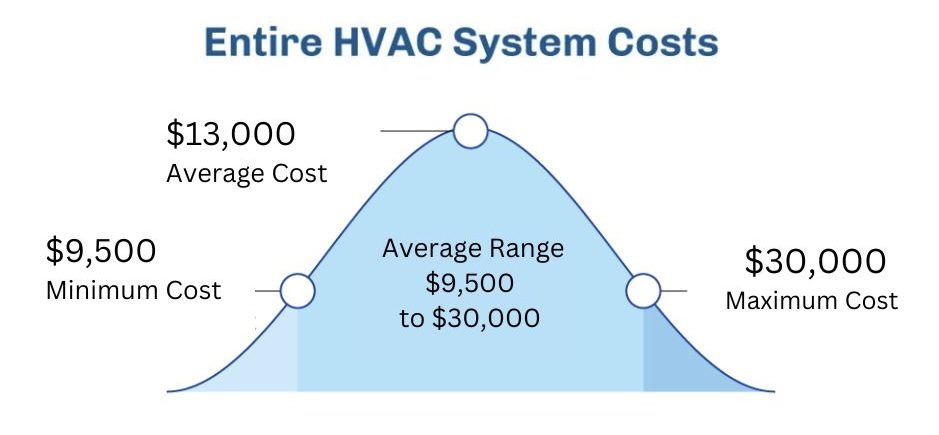
Thinking about upgrading your home’s heating system? You’re probably wondering, “How much does a heating system cost with install?” It’s a big question, and the answer can vary a lot depending on what you need.
But knowing the right cost upfront can save you time, stress, and money. You’ll get clear, simple information to help you make the best choice for your home and budget. Keep reading—you’re closer than ever to a warm, comfortable home without surprises on your bill.
Heating System Types
Choosing the right heating system affects your comfort and budget. Different types have different costs and installation needs.
This guide explains common heating systems and their features to help you decide what fits your home.
Furnaces
Furnaces heat air and distribute it through ducts. They use gas, oil, or electricity as fuel. Installation costs vary based on size and fuel type.
Heat Pumps
Heat pumps move heat in or out of your home. They work well in mild climates. Installation is more expensive but can save energy.
Boilers
Boilers heat water to warm your home through radiators or floors. They use gas, oil, or electricity. Installation can be complex and cost varies.
Radiant Heating
Radiant heating warms floors or walls directly. It provides even heat and comfort. This system often uses hot water tubes or electric mats.
- Comfortable warmth without drafts
- Works well with many floor types
- Installation cost depends on system size
- Energy efficient for long-term use
Electric Heaters
Electric heaters are easy to install and good for small spaces. They include baseboards, wall units, and portable heaters. Running costs can be high.
| Heating System | Average Installation Cost | Fuel Type | Best Use |
| Furnaces | $2,500 – $6,000 | Gas, Oil, Electric | Whole house heating |
| Heat Pumps | $4,000 – $8,000 | Electric | Mild climates |
| Boilers | $3,500 – $7,000 | Gas, Oil, Electric | Radiator or radiant floor |
| Radiant Heating | $6,000 – $15,000 | Electric, Hot Water | Floor or wall heating |
| Electric Heaters | $100 – $1,500 | Electric | Small rooms or supplemental heat |
Cost Factors
The cost of a heating system with installation depends on many factors. These factors affect the total price you will pay.
Understanding these cost factors helps you plan your budget better. It also helps you choose the right system for your needs.
System Size
Bigger heating systems cost more because they need more materials. They also use more energy to run.
Your home’s size and insulation affect the system size you need. Larger homes need bigger systems, which raise the cost.
Fuel Type
The type of fuel your heating system uses changes the price. Common fuels include gas, electric, oil, and propane.
Gas and electric systems usually cost less upfront. Oil and propane systems may cost more because of fuel delivery needs.
- Gas: Moderate installation cost, affordable fuel
- Electric: Lower installation cost, higher energy bills
- Oil: Higher installation and fuel costs
- Propane: Moderate installation, fuel price varies
Energy Efficiency
More efficient heating systems cost more to buy and install. They save money by using less fuel over time.
Choosing a high-efficiency system can reduce your energy bills. It may also qualify for rebates or tax credits.
- Standard efficiency: Lower upfront cost
- High efficiency: Higher upfront cost, saves money later
- Energy Star models: Certified for better savings
Installation Complexity
Installing a heating system can be simple or complex. Complexity depends on your home’s layout and existing systems.
Complex installations take more time and labor, which raises costs. Simple installs are faster and cost less.
- Easy installation: Same location, existing ducts
- Moderate: Some changes to ducts or pipes
- Complex: New ductwork, electrical upgrades, or remodeling
Geographic Location
Where you live affects heating system costs. Prices vary by region because of labor rates and climate needs.
Colder areas may need larger systems, raising costs. Urban areas might have higher labor costs than rural ones.
- Cold climates: Larger systems, higher cost
- Mild climates: Smaller systems, lower cost
- High labor cost areas: More expensive installation
- Low labor cost areas: Cheaper installation
Average Price Ranges
Installing a heating system costs vary widely based on the type and quality. Knowing price ranges helps you plan your budget well.
This guide breaks down costs for low-end, mid-range, and high-end heating systems with installation included.
Low-end Systems
Low-end heating systems are basic models that provide essential heating. They are the most affordable option.
These systems usually cost between $1,500 and $3,000 with installation included.
- Basic furnaces or heat pumps
- Lower energy efficiency ratings
- Limited features and warranties
Mid-range Options
Mid-range heating systems offer better efficiency and more features. They balance cost and performance well.
Prices for these systems with installation usually fall between $3,000 and $6,000.
- Improved energy efficiency
- Enhanced controls and thermostats
- Longer warranties and durability
High-end Models
High-end heating systems have top efficiency and advanced features. They cost more but save energy long term.
These systems with installation cost between $6,000 and $10,000 or more.
- High-efficiency furnaces and boilers
- Smart home integration
- Extended warranties and premium materials
Installation Expenses
Installing a heating system costs more than just the unit price. The total price includes several important parts. These parts add to the final bill for your new heating system.
Knowing these costs helps you plan your budget better. It also helps you avoid surprises when the bill arrives.
Labor Costs
Labor costs pay for the work done by professionals to install your heating system. These costs vary depending on where you live and the job’s difficulty.
Experts usually charge hourly or a flat rate. The total labor cost depends on the time needed and the system type.
- Simple installations take less time and cost less
- Complex systems need more labor and cost more
- Labor rates differ by region and company
Additional Materials
Besides the heating unit, you need extra materials for installation. These include pipes, vents, wiring, and mounting parts.
The cost of these materials depends on the system type and home size. More materials mean a higher total cost.
- Pipes and ducts to move heat
- Wiring and electrical supplies
- Mounting brackets and supports
- Sealants and insulation materials
Permits And Inspections
Local laws may require permits before installing a heating system. Permits ensure the work meets safety rules.
After installation, an inspection might be needed. The inspector checks that everything is done correctly and safely.
- Permit fees vary by city and state
- Inspections confirm code compliance
- Skipping permits can cause fines or delays
Maintenance And Operating Costs
Installing a heating system is just the start. You need to think about the costs to keep it running well. These include maintenance, energy use, and repairs.
Knowing these costs helps you plan your budget better. It also helps you avoid surprises in your monthly bills.
Routine Maintenance
Heating systems need regular care to work well and last longer. This care includes cleaning, checking parts, and changing filters.
- Change air filters every 1 to 3 months
- Clean ducts and vents yearly
- Inspect the system before cold seasons
- Check thermostat settings regularly
- Schedule professional tune-ups once a year
Energy Consumption
Heating systems use energy, which adds to your monthly bills. The cost depends on the system’s efficiency and your local energy prices.
| Heating Type | Average Monthly Energy Cost |
| Electric Furnace | $100 – $200 |
| Gas Furnace | $50 – $150 |
| Heat Pump | $40 – $120 |
| Oil Furnace | $80 – $160 |
Repair Costs
Repairs happen when parts wear out or break. Small fixes cost less, but big repairs can be expensive.
- Thermostat repair: $100 – $300
- Blower motor replacement: $400 – $700
- Heat exchanger repair: $700 – $1,200
- Control board replacement: $300 – $600
- Emergency repair services cost more
Credit: thefurnaceoutlet.com
Financing And Incentives
Installing a new heating system can be costly. Financing options and incentives help reduce the upfront expense.
Understanding loans, rebates, and tax credits can save you money and ease payment.
Loans And Payment Plans
Many companies offer loans or payment plans to spread the cost of your heating system over time.
- Low-interest loans from lenders
- Flexible monthly payment plans
- Financing through the equipment provider
- Zero or low down payment options
Government Rebates
Local and federal governments may offer rebates for installing energy-efficient heating systems.
| Rebate Program | Eligibility | Amount |
| Energy Star Rebates | High-efficiency models | $100 – $500 |
| State Utility Rebates | Customers of specific utilities | $150 – $400 |
| Local Energy Programs | Residents in certain areas | Varies |
Tax Credits
The government offers tax credits to encourage energy-saving home improvements.
Here are common tax credits for heating systems:
- Federal Residential Energy Efficient Property Credit
- State-specific energy tax credits
- Credits for renewable energy heating systems
Choosing The Right System
Choosing the right heating system affects your comfort and costs. It is important to pick a system that fits your home and needs.
Consider factors like home size, climate, and budget to find the best option for you.
Home Size And Layout
The size and layout of your home affect heating needs. Bigger homes need more powerful systems to heat all rooms.
Open layouts may heat more evenly, while many small rooms can need more zones or units.
- Large homes may require central heating systems
- Small homes can use space heaters or ductless units
- Multiple floors might need separate heating zones
Climate Considerations
The climate where you live affects the type of heating system you need. Cold areas need stronger heating.
Mild climates may need less powerful or more energy-efficient systems to save money.
- Very cold climates require high-output heaters
- Mild climates can use heat pumps or radiant heating
- Consider systems with good insulation and energy ratings
Budget And Long-term Savings
Your budget affects the heating system you choose. Some systems cost more upfront but save money later.
Think about installation costs, energy bills, and how long the system lasts before buying.
- Basic systems have lower installation costs but may use more energy
- Energy-efficient systems cost more but reduce monthly bills
- Look for systems with warranties to protect your investment

Credit: hookagency.com

Credit: www.aeroenergy.com
Frequently Asked Questions
What Is The Average Cost To Install A Heating System?
The average cost to install a heating system ranges from $3,000 to $7,000. Prices vary based on system type, size, and installation complexity. Additional factors include brand, energy efficiency, and labor costs. Always get multiple quotes for an accurate estimate.
How Much Does A Furnace Installation Typically Cost?
Furnace installation typically costs between $2,500 and $6,000. Costs depend on furnace type, size, and fuel source. Labor fees and any necessary ductwork can increase the total price. High-efficiency models generally cost more but save energy long-term.
Are There Hidden Costs In Heating System Installation?
Yes, hidden costs may include permits, ductwork repairs, and disposal fees. Some installations require electrical upgrades or system modifications. Always ask for a detailed quote to avoid surprises. Proper inspection before installation helps identify extra expenses.
Does The Heating System Type Affect Installation Cost?
Absolutely. Different heating systems like furnaces, heat pumps, or boilers have varied installation costs. Heat pumps may cost more upfront but save energy. Boilers often require more complex installation. Choose a system based on your home’s needs and budget.
Conclusion
Choosing the right heating system is crucial for comfort and savings. Costs vary based on the type and installation complexity. Research and compare options to find the best fit for your budget. Consider energy efficiency for long-term savings. Consult professionals to get accurate estimates.
Installation costs might surprise you, but it’s a worthy investment. A well-installed system ensures warmth and peace of mind. Make informed decisions to keep your home cozy. Prioritize quality over low prices to avoid future repairs. Remember, a good heating system lasts years, providing comfort through cold seasons.