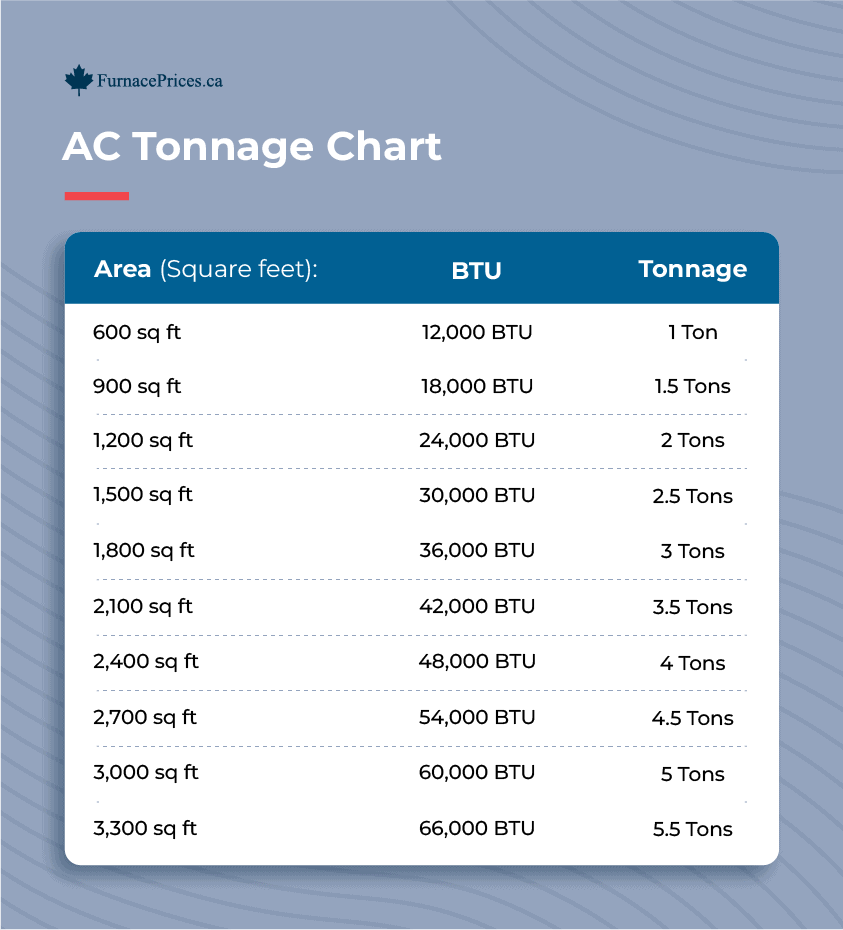
Are you wondering how big of an air conditioner you really need to keep your space cool and comfortable? Choosing the right size isn’t just about staying cool—it can save you money, reduce energy bills, and help your unit last longer.
If your air conditioner is too small, it won’t cool properly. If it’s too big, it will waste energy and leave your room feeling damp or chilly. You’ll discover simple steps to figure out the perfect air conditioner size for your home or office.
Keep reading to avoid costly mistakes and enjoy cool comfort all summer long.
Factors Affecting Ac Size
Choosing the right air conditioner size is important for comfort and energy use. Many factors affect the size needed for your space.
Understanding these factors helps you select an AC that cools well without wasting power.
Room Size And Dimensions
The size of your room is the main factor in choosing an air conditioner. Larger rooms need more cooling power.
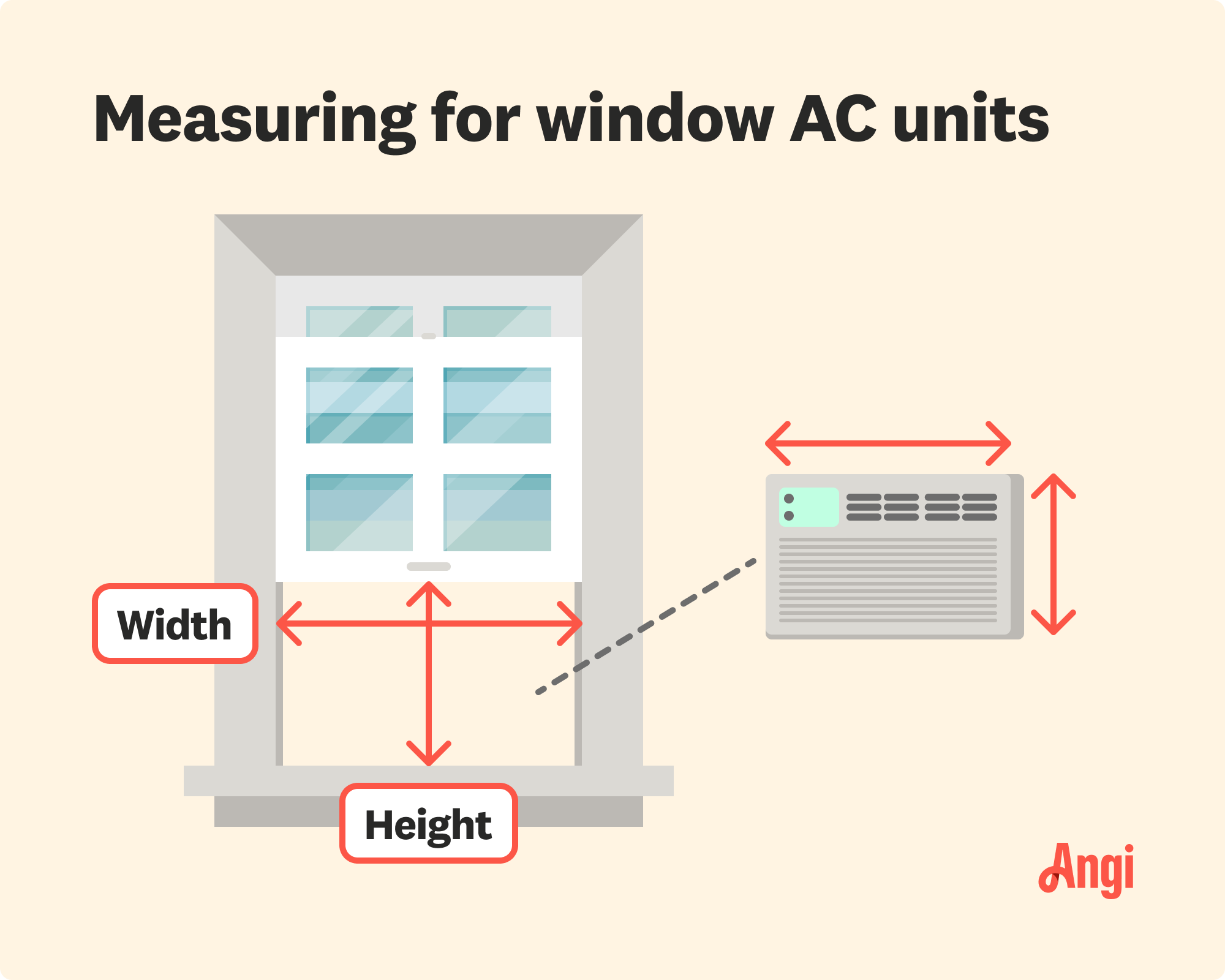
Measure the length, width, and area of the room to find the right AC capacity.
Ceiling Height Considerations
Taller ceilings increase the volume of air in the room. This means your AC must work harder to cool the space.
Rooms with high ceilings may need a bigger or more powerful air conditioner than rooms with standard height.
Insulation Quality
Good insulation keeps cool air inside and hot air outside. Poor insulation causes the AC to work longer.
If your room has weak insulation, you should choose a larger AC to maintain comfort.
Window Count And Type
Windows let heat enter the room. The number and type of windows affect how much cooling you need.
Rooms with many or large windows need bigger AC units, especially if windows are not energy efficient.
Sunlight Exposure
Rooms facing the sun get warmer during the day. This raises the cooling demand for the air conditioner.
Rooms with high sunlight exposure need more powerful ACs to stay cool.
Occupancy Levels
More people in a room generate extra heat. This increases the load on your air conditioner.
If many people use the room often, select a bigger AC to keep the temperature comfortable.
Appliance Heat Output
Appliances like computers and ovens produce heat. This adds to the cooling needs of the room.
Rooms with many heat-producing devices require air conditioners with greater capacity.
Measuring Your Space
Choosing the right size air conditioner depends on your room size. Measuring your space helps find the right cooling power.
Getting this right saves energy and keeps your room comfortable all day.
Calculating Square Footage
First, measure the length and width of your room in feet. Multiply these two numbers to get the square footage.
This number shows how much space the air conditioner needs to cool.
- Measure the room length in feet
- Measure the room width in feet
- Multiply length by width for square footage
Accounting For Multiple Rooms
If you want to cool more than one room, add each room’s square footage. This helps find a unit that can handle the total area.
Keep in mind that open doorways between rooms can affect cooling efficiency.
- Measure each room separately
- Add all square footages together
- Consider room layout for airflow
Using Online Calculators
Online calculators make sizing easy. Enter your room size and other details for a recommended air conditioner size.
These tools save time and reduce errors in your calculations.
- Input length and width of rooms
- Include ceiling height if asked
- Add number of windows and sun exposure
Btu And Ac Capacity
Choosing the right air conditioner size is key for comfort. The BTU rating tells how much cooling power an AC has.
Knowing the BTU helps match the AC unit to your room size. This stops wasting energy and keeps your space cool.
What Btu Means
BTU stands for British Thermal Unit. It measures the energy needed to cool or heat one pound of water by one degree Fahrenheit.
In air conditioners, BTU shows how much heat the unit can remove from a room every hour.
Btu Requirements By Room Size
| Room Size (sq ft) | Recommended BTU |
|---|---|
| 100 – 300 | 5,000 – 7,000 |
| 300 – 500 | 8,000 – 10,000 |
| 500 – 800 | 12,000 – 14,000 |
| 800 – 1,200 | 15,000 – 18,000 |
| 1,200+ | 20,000+ |
Use these BTU numbers to find the right size AC for your room. Too small means weak cooling. Too big wastes energy.
Matching Btu To Cooling Needs
- Calculate your room’s square footage.
- Check the table to find the BTU range.
- Consider room factors like sun exposure and ceiling height.
- Pick an AC unit with BTU in the recommended range.
- Use a slightly higher BTU if your room gets very hot.
Matching BTU to your needs keeps your home cool and saves money on electricity.
Credit: www.angi.com
Types Of Air Conditioners
Choosing the right air conditioner depends on your space and needs. Different types cool rooms in different ways.
Knowing the types helps you find the best fit for your home or office.
Window Units
Window units are small air conditioners that fit in a window. They cool one room at a time.
They are easy to install and cost less than bigger systems. Window units work well in small spaces.
- Good for single rooms
- Simple to set up
- Affordable and compact
Split Systems
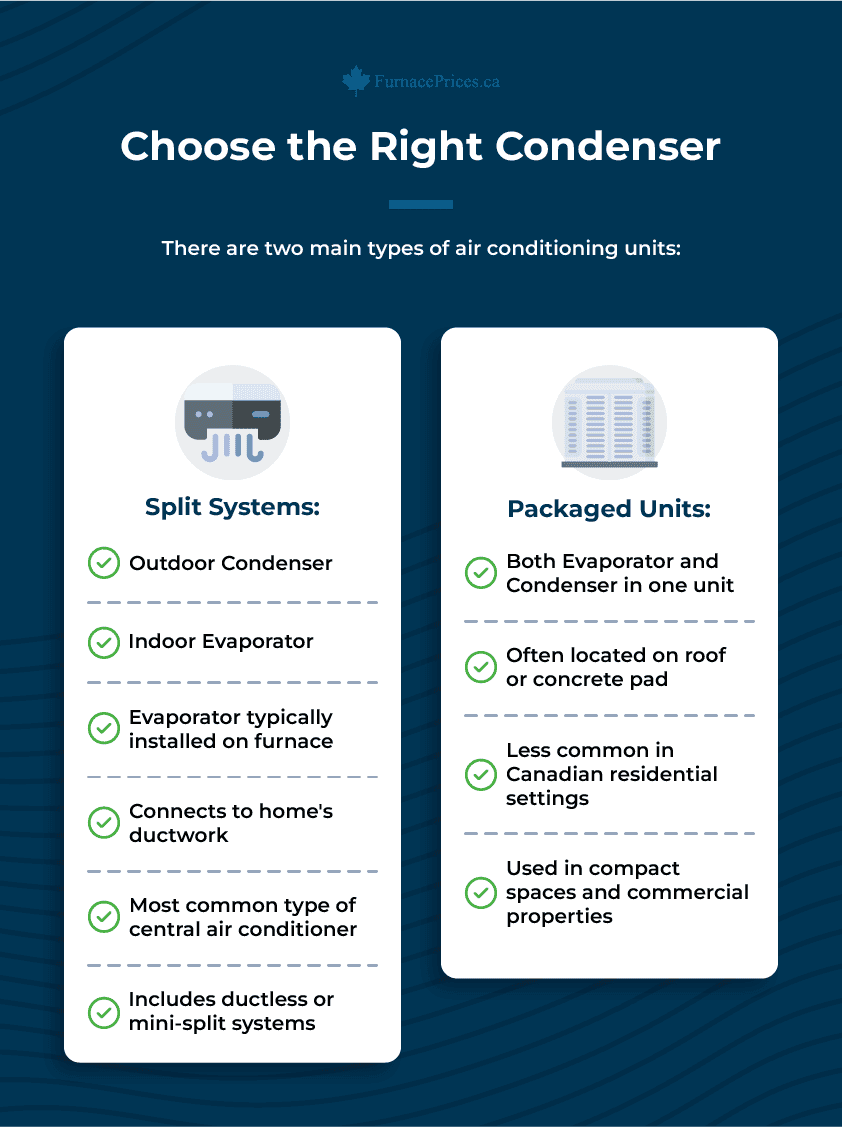
Split systems have two parts: one inside and one outside. The outdoor unit cools the air, and the indoor unit blows cool air inside.
They cool larger spaces more quietly and efficiently than window units. Split systems work well for homes without ducts.
- Indoor and outdoor units
- Quieter operation
- Energy efficient
Central Air Conditioning
Central air conditioning cools whole houses through ducts. It uses one large system to push cool air everywhere.
This system is best for big homes and spaces with existing ductwork. It keeps the temperature even in all rooms.
- Cools entire house
- Uses ductwork
- Maintains even temperature
Portable Acs
Portable air conditioners can move from room to room. They do not need permanent installation.
These units are good for renters or small spaces. They need a window or vent to release hot air.
- Easy to move
- No permanent setup
- Needs venting
Energy Efficiency Factors
Choosing the right air conditioner size means looking at energy efficiency. This helps save money and keeps your home comfortable. Understanding key factors can guide your choice well.
This section covers SEER ratings, Energy Star certification, and how they impact your utility bills. Each plays a role in picking the best air conditioner.
Seer Ratings
SEER stands for Seasonal Energy Efficiency Ratio. It measures how efficiently an air conditioner cools your home. The higher the SEER rating, the less energy the unit uses.
- SEER ratings usually range from 13 to 25.
- Higher SEER means better cooling with less electricity.
- Choosing a unit with a high SEER lowers your energy use.
- It also helps reduce environmental impact.
Energy Star Certification
Energy Star certified air conditioners meet strict energy efficiency guidelines. They save more energy than standard models. This certification shows the unit is good for your wallet and the planet.
| Feature | Benefit |
| Energy Star Certified | Uses less electricity |
| Standard Unit | Uses more electricity |
| Energy Savings | Up to 15% less energy |
Impact On Utility Bills
Energy efficiency affects your monthly utility bills. A more efficient air conditioner costs less to run. This saves money over time.
- Efficient units reduce power use during hot months.
- Lower energy use means smaller electricity bills.
- Choosing the right size and efficiency helps avoid extra costs.
- Regular maintenance keeps your unit running efficiently.
Common Sizing Mistakes
Choosing the right size air conditioner is important for comfort and cost. Many people make mistakes that affect cooling and energy use.
Understanding common errors helps you pick the best unit for your space. Avoid these sizing mistakes to stay comfortable and save money.
Overestimating Capacity
Buying an air conditioner that is too powerful does not cool better. It can cool too fast and stop before removing enough humidity.
This can make the room feel damp and uncomfortable. A larger unit also uses more electricity and costs more upfront.
Underestimating Cooling Needs
Choosing a unit that is too small makes it work harder to cool your space. It may never reach a comfortable temperature.
This causes higher energy bills and wears out the air conditioner faster. Small units also struggle on hot days or in large rooms.
Ignoring Room Specifics
Every room is different. Factors like windows, sunlight, and ceiling height affect cooling needs. Ignoring these can cause wrong sizing.
Rooms with many windows or direct sun need more cooling power. High ceilings or poor insulation also increase the required capacity.
- Number of windows and their size
- Amount of direct sunlight
- Ceiling height and room volume
- Insulation quality
- Number of people usually in the room
Professional Sizing Tips
Choosing the right size air conditioner is important. It keeps your home cool without wasting energy.
Too small units work too hard. Too large units waste money and cause humidity problems.
Consulting Hvac Experts
HVAC experts know how to size air conditioners correctly. They check your home’s size and needs.
They can also suggest the best types of units for your space. Their advice saves money and energy.
Load Calculations
Load calculation finds how much cooling your home needs. It looks at heat from the sun and people inside.
This calculation considers windows, insulation, and appliances. It helps pick the right air conditioner size.
- Measure room size in square feet
- Check insulation quality
- Count windows and sun exposure
- Consider number of people in the house
Using Manual J Method
The Manual J method is a standard way to size AC units. It uses detailed data about your home.
This method looks at walls, roofs, windows, and air leaks. It gives a precise cooling load for your house.
- Calculate heat gain from each room
- Include factors like doors and vents
- Adjust for local climate conditions
- Use results to choose AC capacity in BTUs
Credit: www.furnaceprices.ca
Installation Considerations
Choosing the right size air conditioner is not the only important step. Installing it properly matters a lot. Good installation ensures the unit works well and lasts longer.
Several factors affect the installation process. These include where you put the unit, how the ductwork is set up, and how easy it is to do maintenance.
Proper Placement
Place the air conditioner in a spot with good airflow. Avoid areas with direct sunlight or strong winds. This helps the unit cool better and use less energy.
Keep the unit away from obstructions like furniture or plants. Make sure there is enough space around it for air to flow freely.
- Choose a shaded location if possible
- Keep at least 2 feet of clearance around the unit
- Avoid places near heat sources or vents
Ductwork Requirements
Ducts carry cool air from the air conditioner to your rooms. Proper ductwork is needed for good airflow and energy efficiency. Poor duct design can reduce cooling power.
Check that ducts are sealed well to avoid leaks. Use insulated ducts to keep the air cool as it moves through the system.
- Use ducts sized for your air conditioner’s capacity
- Seal all joints tightly with mastic or foil tape
- Insulate ducts in unconditioned spaces
- Keep duct runs as short and straight as possible
Maintenance Access
Good access to the air conditioner makes maintenance easier. Regular cleaning and checks keep the unit working well. Plan space so technicians can reach all parts.
Leave room to open panels and replace filters. Make sure the unit is not blocked by walls or furniture. Easy access helps spot problems early.
- Provide at least 3 feet of clear space in front of the unit
- Ensure removable panels can open fully
- Keep the area free from clutter
- Locate the unit near electrical and drain connections

Credit: www.warmzilla.co.uk
Frequently Asked Questions
How Do I Calculate The Right Ac Size For My Room?
To calculate the right AC size, measure your room’s square footage. Multiply length by width. Then, use a BTU calculator or guide to find the suitable cooling capacity for that area, ensuring efficient cooling without excess energy use.
What Happens If My Ac Is Too Big?
An oversized AC cools quickly but cycles on and off frequently. This wastes energy, causes uneven cooling, and increases wear on the system. It also fails to remove humidity properly, leading to discomfort and potential mold issues.
Can A Small Ac Cool A Large Room Effectively?
A small AC struggles to cool a large room properly. It runs continuously, increasing energy costs and wear. The room may never reach a comfortable temperature, reducing overall comfort and efficiency.
How Does Insulation Affect Ac Size Needs?
Good insulation keeps cool air inside and hot air out. Better insulation means you might need a smaller AC unit. Poor insulation requires a bigger unit to maintain comfortable temperatures efficiently.
Conclusion
Choosing the right air conditioner size is vital. It ensures comfort and efficiency. Measure your space carefully. Consider insulation and sunlight exposure. These factors affect cooling needs. Consulting a professional can help. They provide tailored advice for your home. Avoid overspending on oversized units.
Small units may struggle to cool effectively. Find a balance. A well-sized air conditioner makes a big difference. You enjoy a cooler home. Energy bills stay manageable. Comfort becomes a reality. Make informed decisions for your cooling needs. Enjoy the perfect indoor climate.