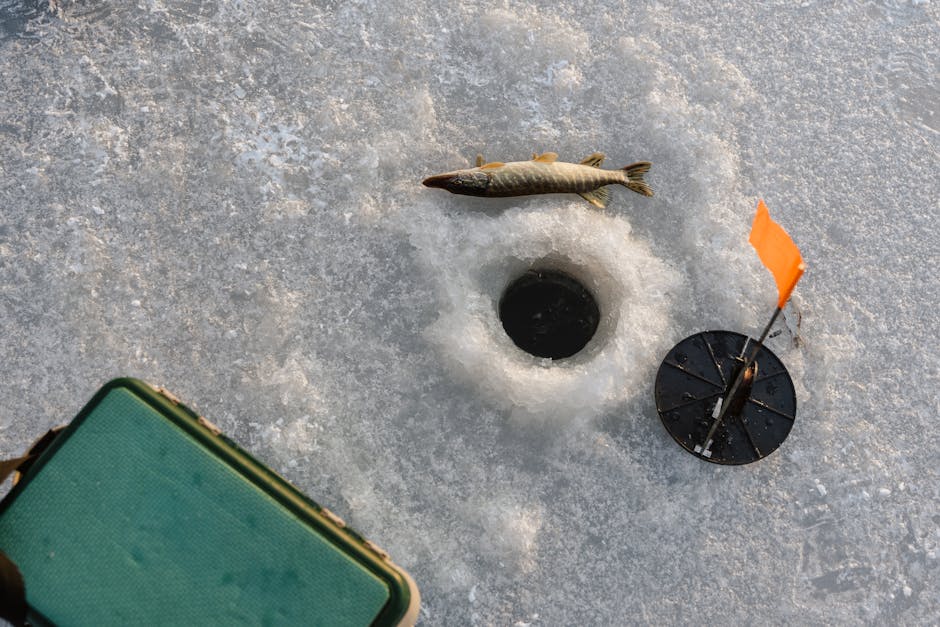
Setting up your ice fishing rod the right way can make all the difference between a day full of bites and a day spent waiting. Whether you’re new to ice fishing or looking to sharpen your skills, this guide will walk you through each step clearly and simply.
You’ll learn how to prepare your rod so you’re ready to catch fish quickly and easily. Keep reading, and soon you’ll feel confident handling your gear and enjoying the thrill beneath the ice.
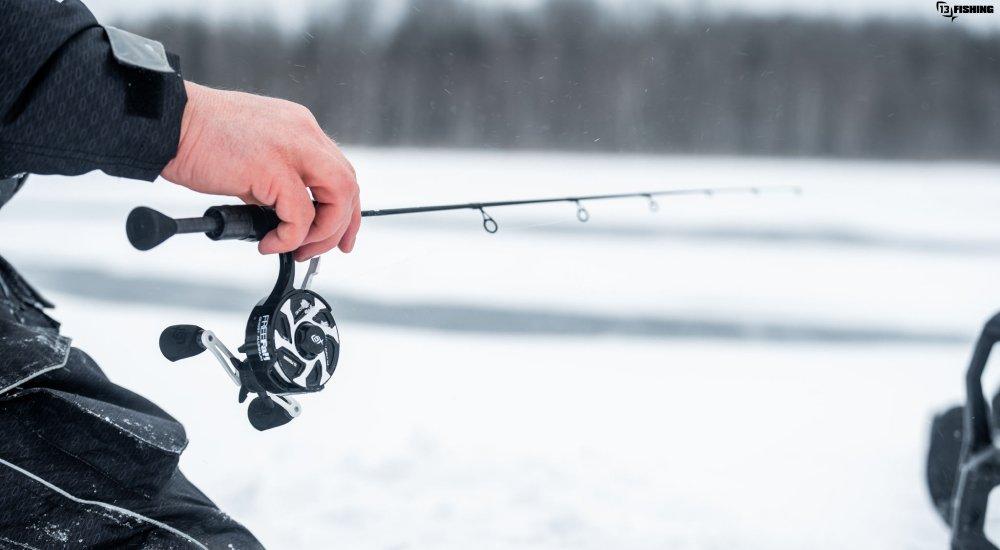
Credit: www.scheels.com
Choosing The Right Ice Fishing Rod
Picking the right ice fishing rod is important for a good fishing experience. The rod helps you feel the fish and catch it easily.
There are many types of rods. You should know about rod length, power, and materials before buying.
Types Of Ice Fishing Rods
Ice fishing rods come in many styles. Some are simple, and some have special features.
Popular types include spinning rods, jigging rods, and tip-up rods. Each one fits different fishing styles.
- Spinning rods:Good for beginners. Easy to use and versatile.
- Jigging rods:Short and sensitive. Best for feeling small bites.
- Tip-up rods:Used with tip-up devices. Great for hands-free fishing.
Rod Length And Power
Rod length affects how you control the line. Short rods work well in tight spots on ice.
Rod power means how strong the rod is. Light power rods are good for small fish. Medium or heavy power rods handle bigger fish.
- Length:Usually 24 to 36 inches for ice fishing.
- Power:Light, medium, or heavy depending on fish size.
Materials And Durability
Ice fishing rods are made from different materials. Common ones include graphite, fiberglass, and composite blends.
Graphite rods are light and sensitive but can break more easily. Fiberglass rods are stronger but heavier. Composite rods balance strength and weight well.
- Graphite:Light and sensitive, good for feeling bites.
- Fiberglass:Strong and durable, good for rough use.
- Composite:Mix of graphite and fiberglass, offers balance.
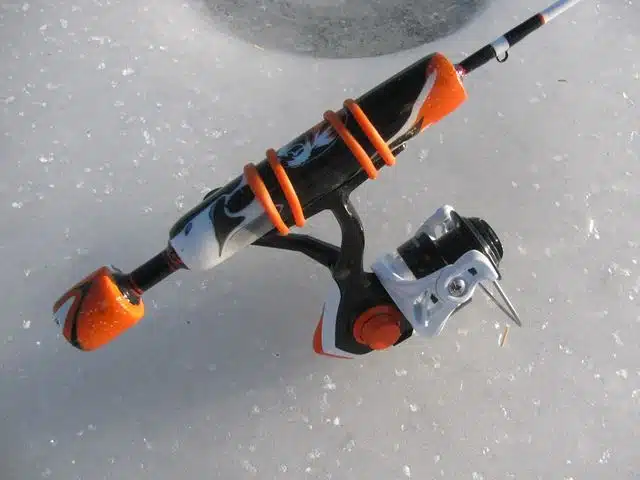
Credit: anglersresource.net
Essential Ice Fishing Gear
Setting up an ice fishing rod requires having the right gear. The gear helps you fish safely and catch more fish.
This guide explains how to pick the best reel, line, and accessories for your ice fishing rod.
Selecting The Best Reel
Choose a reel made for ice fishing. It should be small and easy to handle in cold weather.
Look for reels that resist freezing and have smooth drag systems. This helps when you catch a fish.
- Spinning reels are common and easy to use
- Baitcasting reels offer better control for experienced anglers
- Reels with sealed bearings resist ice and snow
Line Types And Strength
Pick a line that works well in cold water. It should not become stiff or brittle on ice.
Monofilament and braided lines are popular choices. Choose line strength based on the fish you want to catch.
- Monofilament line is flexible and easy to handle
- Braided line has high strength and low stretch
- Use 4 to 8-pound test line for most ice fishing
- Stronger lines are needed for bigger fish
Adding Rod Accessories
Accessories improve your ice fishing experience. They make your rod easier to use and protect it.
Common accessories include rod holders, line clips, and bells that alert you to bites.
- Rod holders keep your rod steady on the ice
- Line clips help control line length and prevent tangles
- Bite alarms or bells notify you when fish bite
- Grips or covers keep your hands warm while fishing
Setting Up The Rod
Setting up your ice fishing rod correctly is important. It helps you catch fish easily and enjoy your time on the ice.
This guide will show you how to attach the reel, spool the line, and tie secure knots for ice fishing.
Attaching The Reel
First, attach the reel to the rod. Most ice fishing rods have a reel seat near the handle.
Slide the reel foot into the reel seat. Tighten the seat to hold the reel firmly in place. Make sure it does not move.
- Hold the rod handle
- Place the reel foot in the reel seat
- Turn the locking ring to tighten the reel
- Check that the reel is secure
Spooling The Line
Spooling the line means putting fishing line on the reel. Use the right line for ice fishing.
Start by threading the line through the rod guides from the tip to the reel. Attach the line to the reel spool.
- Open the reel bail (if using a spinning reel)
- Tie the line to the spool with an arbor knot
- Close the bail and start winding the line
- Keep tension on the line while spooling
- Fill the spool but leave some space
Tying Secure Knots
Tying strong knots keeps your line and lure connected. Use simple knots that hold well in cold conditions.
Common knots for ice fishing include the improved clinch knot and the Palomar knot. Practice tying them before fishing.
- Thread the line through the lure eye or hook
- Make several wraps around the standing line
- Pass the end through the loop and tighten
- Moisten the knot before pulling tight
- Trim the excess line close to the knot
Choosing And Rigging Baits
Setting up an ice fishing rod needs the right bait. The bait attracts fish under the ice.
Choosing and rigging bait correctly helps catch more fish. Learn how to pick and use baits well.
Live Vs. Artificial Baits
Live baits are natural and move in the water. They attract fish by smell and motion.
Artificial baits do not move on their own. They mimic real bait with colors and shapes.
- Live baits: minnows, worms, maggots
- Artificial baits: soft plastics, jigs, spoons
- Use live bait for slow-moving fish
- Use artificial bait for aggressive fish
Common Rigging Techniques
Rigging means attaching bait to the fishing line. It must hold bait well and look natural.
Use hooks, split shots, and swivels to set the bait. Adjust depth with weights for better bites.
- Slip bobber rig: bait moves freely on line
- Paternoster rig: bait stays off the bottom
- Drop shot rig: bait hangs above the weight
- Use small hooks for live bait
Using Tip-ups And Jigs
Tip-ups hold the line and signal when a fish bites. They use live bait or lures below the ice.
Jigs are small lures moved up and down to attract fish. They work well with artificial baits.
- Set tip-ups over holes with live bait
- Watch flags on tip-ups for bites
- Use jigs to mimic small fish or insects
- Move jigs slowly to attract fish attention
Adjusting For Ice Fishing Conditions
Ice fishing requires special adjustments to your rod setup. Cold temperatures and ice affect how your rod performs.
Understanding these conditions helps you catch more fish and protect your gear from damage.
Handling Cold Weather Challenges
Cold weather makes your hands stiff and gear less flexible. Use gloves that keep fingers warm but allow control.
Choose rods with materials that stay strong in freezing temperatures. Avoid metal parts that get too cold to touch.
- Wear insulated gloves for better grip
- Use rods made from fiberglass or composite
- Keep gear dry to prevent freezing
- Store rods in a warm place before use
Setting Depth And Sensitivity
Fish swim at different depths under the ice. Adjust your line length to reach the right depth quickly.
Sensitivity helps you feel light bites. Use light lines and sensitive rods to detect small movements.
- Use a depth finder or stick to measure water depth
- Adjust line length based on fish location
- Choose light test lines for better bite detection
- Use tip-up or sensitive rod tips for feeling bites
Techniques For Different Fish Species
Different fish need different fishing techniques. Knowing their habits helps you adjust your rod and bait.
Use slower movements for cold-water fish and faster for active species. Change your rod action to match.
- For panfish, use light rods and small jigs
- For trout, try slow jigging with sensitive tips
- For pike, use strong rods and bigger lures
- For walleye, use medium action rods and live bait
Maintenance And Storage Tips
Proper care keeps your ice fishing rod ready for every trip. Cleaning and storage protect it from damage.
Follow simple steps to extend your rod’s life and improve its performance on the ice.
Cleaning After Use
After ice fishing, remove dirt, ice, and salt from your rod. This prevents rust and wear on the guides and reel.
- Wipe the rod with a soft cloth to remove moisture.
- Use warm water and mild soap to clean the rod and reel.
- Dry all parts completely before storing.
- Check the guides for cracks or damage and clean them carefully.
Protecting From Ice Damage
Ice can crack or scratch your rod if you are not careful. Use these tips to avoid damage during fishing and transport.
| Protection Tip | Why It Helps |
| Keep rod in a padded sleeve | Prevents scratches and cracks from ice |
| Do not leave rod on hard ice | Avoids accidental breaks or bending |
| Handle reel gently in cold weather | Protects internal parts from freezing |
| Use rod holders to secure rod | Keeps rod stable and safe |
Proper Storage Methods
Store your ice fishing rod in a dry, cool place to prevent rust and warping. Proper storage keeps it ready for your next trip.
- Loosen the drag on the reel to reduce tension.
- Store the rod vertically or horizontally on a rack.
- Avoid placing heavy objects on the rod.
- Keep the rod away from direct sunlight and moisture.
- Check your rod regularly for any signs of damage.

Credit: www.youtube.com
Frequently Asked Questions
What Equipment Is Needed To Set Up An Ice Fishing Rod?
You need an ice fishing rod, reel, line, bait, and a rod holder. A short, sensitive rod works best for ice fishing.
How Do I Attach The Reel To An Ice Fishing Rod?
Secure the reel to the rod’s reel seat by sliding it in place. Tighten the reel seat to hold it firmly.
What Line Type Is Best For Ice Fishing Rods?
Use a strong, low-stretch line like braided or fluorocarbon. These lines resist cold and maintain sensitivity.
How To Rig Bait On An Ice Fishing Rod Properly?
Thread the bait onto the hook securely. Use live bait or artificial lures to attract fish under the ice.
Conclusion
Setting up an ice fishing rod is a simple process. Begin by choosing the right rod and reel. Ensure your line is strong enough for the fish you target. Attach the lure or bait securely. Check everything is tight and secure.
Practice makes perfect, so try setting up a few times. This ensures a smooth experience on the ice. Always stay safe and check ice conditions. Enjoy the peacefulness and thrill of ice fishing. With these steps, you’re ready for a great fishing adventure.
Happy fishing!