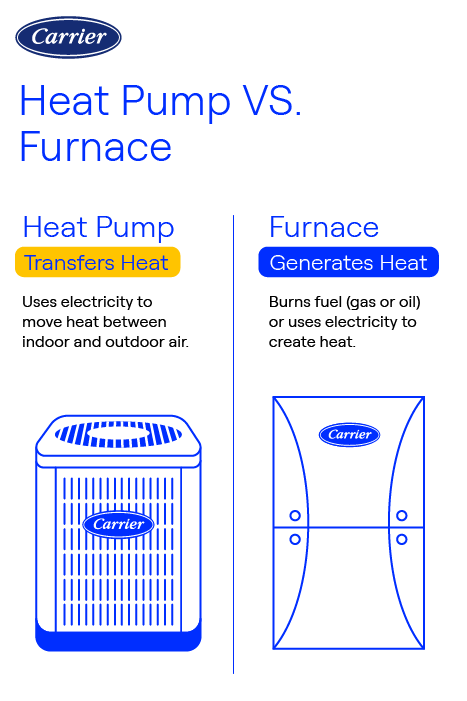
Have you ever wondered if your furnace has anything to do with your air conditioner? It might seem like two separate systems, but they actually work closely together to keep your home comfortable all year round.
Understanding how your furnace and air conditioner interact can help you spot problems early and make smarter decisions about your home’s heating and cooling. Keep reading to discover how these systems connect and what it means for your comfort and energy bills.

Credit: www.carrier.com
How Heating And Cooling Systems Work
The furnaceheats air and sends it through ducts to warm rooms. It uses a burnerto create heat from gas or electricity. The warm air moves with a blower fan.
The air conditionercools air by removing heat. It uses a compressorand refrigerantto cool the air. The cooled air also moves through ducts with a fan.
| Common Components | Furnace | Air Conditioner |
|---|---|---|
| Blower Fan | Pushes warm air | Pushes cool air |
| Duct System | Distributes warm air | Distributes cool air |
| Thermostat | Controls heating | Controls cooling |
The furnace does not run the air conditioner. Both have different parts but use the same airflow system.
Role Of The Furnace In Air Conditioning
The furnace plays a key role in airflowduring air conditioning. It moves air through the ducts and vents. This helps cool air spread through rooms evenly. The furnace’s blower fan pushes air across the cooling coils.
The furnace can run while the air conditioner is on. This happens when the system uses the same blower for heating and cooling. The furnace fan ensures air keeps moving, even if no heat is produced.
Furnace has limits in the cooling process. It does not cool air itself. The cooling happens in the air conditioner’s evaporator coil. Furnace only helps move the cold air inside the house.
Separate Systems, Shared Ductwork
The furnaceand the air conditionerare two separate systems. They work independently but often share the same ductwork. This duct system moves air throughout the house, whether it’s warm or cool.
The ductsconnect the furnace and the AC to the rooms. When the furnace runs, warm air flows through the ducts. When the AC runs, cool air travels the same path. This setup saves space and cost.
Sharing ducts can affect energy efficiency. Poorly sealed or insulated ducts can cause air leaks. This means the system must work harder, using more energy. Regular duct maintenance helps keep energy use low.
Some common issues in shared duct systems include:
- Air leaks reducing heating or cooling power
- Uneven temperature in different rooms
- Build-up of dust and allergens
- Noise from air moving through ducts
Credit: goduganair.com
Thermostat Control And System Interaction
Thermostat settingscontrol both heating and cooling functions. You set the temperature, and the thermostat sends signals to either the furnace or air conditioner. This signal triggersthe system needed to reach the set temperature. The furnace runs only when the temperature is below the set point in heating mode.
In cooling mode, the thermostat sends a signal to the air conditioner. The furnace does not run during cooling. The two systems work separately but use the same thermostat.
- The thermostat has a switch for heating or cooling.
- It sends signals to the furnace for heat.
- It sends signals to the AC for cooling.
Common misconceptionsinclude thinking the furnace runs the AC or both run together. Each system activates independently based on the thermostat’s mode and temperature setting.
Maintenance Tips For Furnace And Ac
Regular inspections help keep your furnace and ACworking well. They find small problems before they get big. A yearly check saves money and keeps your home safe.
Cleaning is key to good air flow. Change or clean the filters every 1-3 months. Dirty filters make your system work harder and use more energy. Clean parts last longer and cool or heat better.
- Look for strange noises or smells.
- Check if the air is weak or uneven.
- Notice if energy bills rise suddenly.
Call a professional if your system:
- Stops working suddenly.
- Makes loud or unusual sounds.
- Runs too long without cooling or heating.
Experts have the right tools and knowledge. They fix issues safely and quickly. Regular care helps your furnace and AC last many years.
Energy-saving Strategies
Optimizing furnace and AC usehelps save energy and money. Set the thermostat to a comfortable temperature but avoid extreme changes. Use the furnace and air conditioner only when needed. Regular maintenance keeps both systems running efficiently.
Smart thermostatslearn your schedule and adjust temperatures automatically. They reduce energy waste by turning off heating or cooling when no one is home. You can control them remotely using a smartphone, making it easy to save energy.
Improving home insulationkeeps heat inside during winter and outside during summer. Seal windows and doors to stop air leaks. Add insulation to walls and attics. This reduces the load on your furnace and AC, lowering energy bills.
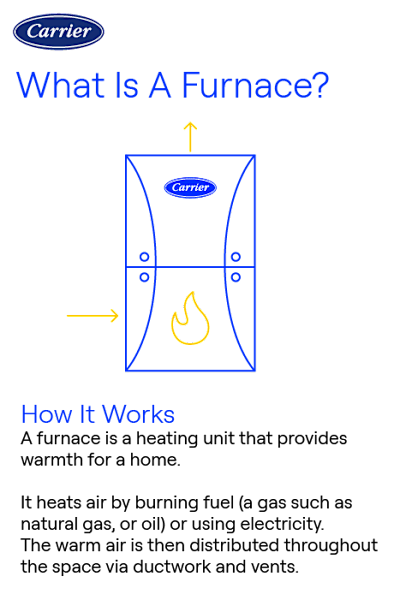
Credit: www.carrier.com
Frequently Asked Questions
Does The Furnace Control The Air Conditioner?
No, the furnace does not control the air conditioner. The AC uses its own system, though both share ductwork.
Can Furnace And Air Conditioner Run Simultaneously?
Yes, they can run simultaneously but for different purposes. The furnace heats, while the AC cools the air.
Do Furnace And Air Conditioner Share Parts?
They share some parts, like the blower motor and duct system, but have separate components for heating and cooling.
How Does The Thermostat Manage Furnace And Ac?
The thermostat signals the furnace or AC based on temperature settings, activating one system at a time for efficiency.
Conclusion
Understanding your furnace and air conditioner helps manage your home’s comfort. Both play crucial roles but function separately. The furnace heats; the air conditioner cools. They share ductwork but have distinct systems. Regular maintenance ensures efficiency and longevity. Familiarity with your HVAC system saves energy and costs.
Always consult a professional for complex issues. Proper care keeps your home cozy year-round. Stay informed for peace of mind.