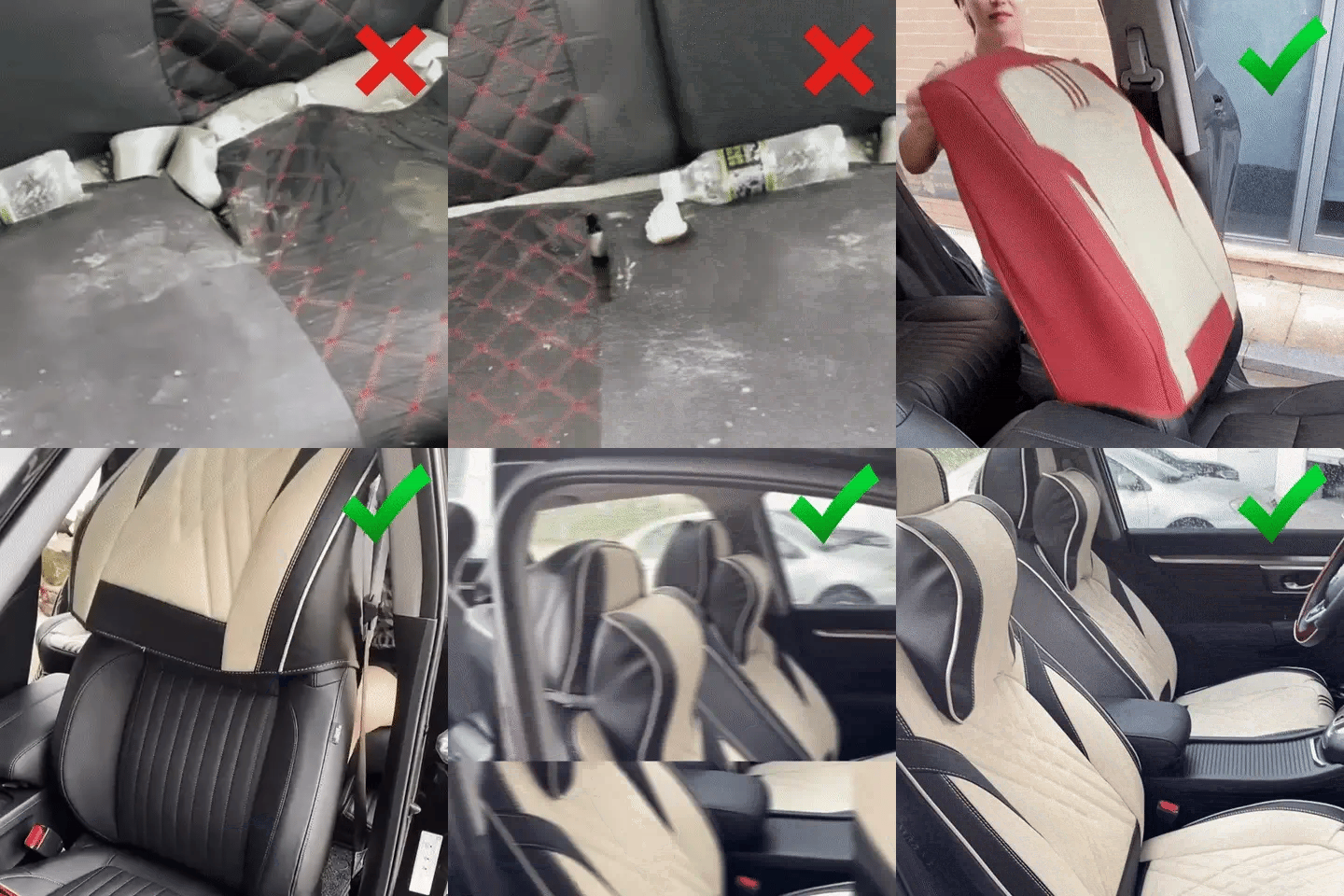
If you want to protect your car seats and give your vehicle a fresh look, installing car seat covers with hooks is a smart choice. But you might be wondering, how exactly do you get those covers to fit snugly and stay in place?
Don’t worry—you’re about to learn a simple, step-by-step way to install them quickly and securely. By the end of this guide, you’ll know exactly how to make your car seats look great and feel comfortable every time you drive. Keep reading, and let’s get those covers on right!

Credit: www.amazon.com
Choosing The Right Seat Covers
Picking the right seat covers can protect your car seats and improve comfort. It is important to consider style, fit, and material before buying.
Good seat covers should last long and match your car’s interior. This guide helps you choose covers that fit well and suit your needs.
Types Of Seat Covers
There are many types of seat covers. Each type offers different looks and protection levels. Choose one based on your style and use.
- Universal covers fit most cars but may be loose.
- Custom-fit covers match your car seats exactly.
- Semi-custom covers fit better than universal but not perfect.
- Slip-on covers are easy to install but may move around.
Materials And Durability
Seat covers come in many materials. Each material offers different comfort and wear resistance. Pick one that fits your lifestyle.
| Material | Durability | Comfort | Care |
| Leather | High | Soft | Wipe clean |
| Neoprene | High | Moderate | Machine wash |
| Polyester | Medium | Moderate | Machine wash |
| Velour | Low | Soft | Hand wash |
| Canvas | High | Stiff | Machine wash |
Measuring Your Car Seats
Measure your car seats to get the best fit. Use a tape measure to check width, height, and depth of the seat and backrest.
- Measure seat width from side to side.
- Measure seat height from bottom to top.
- Measure seat depth from front to back.
- Measure backrest height and width separately.
- Note any headrests or armrests for special fit.
Preparing Your Car Seats
Before installing car seat covers with hooks, get your seats ready. Proper preparation helps the covers fit better and last longer.
Taking time to clean and clear the seats makes the installation easier. It also protects your car’s interior.
Cleaning The Seats
Clean the seats to remove dirt, dust, and stains. A clean surface helps the covers stick and stay in place.
Use a vacuum cleaner to remove loose dirt. Wipe the seats with a damp cloth and mild cleaner if needed.
- Vacuum all corners and seams
- Use a soft cloth to avoid damage
- Let the seats dry completely before installing covers
Removing Headrests
Remove headrests to make fitting the covers easier. This also prevents damage to the cover and seat.
Check your car manual for instructions on removing headrests safely. Usually, you press a button or pull the headrest upwards.
- Press the release button if your headrest has one
- Pull the headrest straight up to remove
- Keep the headrests in a safe place until done
Clearing Obstacles
Remove any items on or around the seats. Obstacles can block the cover from fitting well.
Clear floor mats, bags, or loose objects. Make sure seat belts are free and accessible.
- Take off floor mats near the seat
- Move personal items out of the way
- Ensure seat belts are not tangled
Identifying The Hooks And Fasteners
Installing car seat covers requires knowing the hooks and fasteners involved. These parts keep the covers tight and in place. You must identify each to attach the covers correctly.
This guide helps you find the hooks and fasteners on your seat covers. It also shows where to connect them and how to ensure a secure fit.
Types Of Hooks Included
Car seat covers come with different hooks and fasteners. Knowing their types helps you use them properly. Common types include:
- S-shaped hooks:Easy to hang on metal parts under the seat.
- Plastic clips:Snap onto seat crevices or edges.
- Elastic loops:Stretch around headrest posts or seat frames.
- Velcro strips:Attach to matching fabric areas on the seat cover.
- Zipper fasteners:Close gaps and hold covers tight.
Locating Attachment Points
Find the points on your car seat where hooks and fasteners attach. These spots hold the cover firmly. Look for:
| Attachment Point | Location |
| Under-seat bars | Metal bars below the seat cushion |
| Seat crevices | Gaps between the seat back and bottom |
| Headrest posts | Metal rods holding the headrest |
| Seat frame edges | Outer edges of the seat base |
| Backrest corners | Inside corners of the seat back |
Ensuring Secure Fit
Check the fit of your seat cover after hooking it in place. A secure fit means the cover will not move or bunch up. Follow these tips:
- Pull each hook tight without stretching too much.
- Make sure elastic loops are snug around posts.
- Use Velcro strips to close loose areas.
- Zip up any zippers fully.
- Adjust hooks if the cover shifts when you sit down.

Credit: www.seatcoversolutions.com
Step-by-step Installation Process
Installing car seat covers can protect your seats and refresh your car’s look. Follow simple steps to fit the covers correctly.
This guide helps you install seat covers using hooks, straps, and ties for a secure fit.
Positioning The Seat Cover
Start by placing the seat cover over the car seat. Make sure the cover aligns with the shape of the seat. Smooth out wrinkles and adjust it evenly on all sides.
Attaching Hooks Under The Seat
Find the hooks attached to the seat cover. Reach under the seat and connect each hook to the seat frame or the seat base. Pull the cover slightly to tighten.
- Locate hooks on the cover’s underside.
- Reach under the seat and find a sturdy spot.
- Attach each hook securely to the seat frame.
- Pull the cover gently to remove slack.
Securing Straps And Ties
Most seat covers have straps or ties to hold the cover in place. Wrap the straps around seat parts or hooks and fasten them tightly. Double-check that all straps are secure to prevent slipping.
| Strap Type | How to Secure |
| Elastic Strap | Stretch under the seat and hook or clip. |
| Tie Strap | Tie firmly around seat frame or support bars. |
| Buckle Strap | Click buckle and pull strap tight. |
Reinstalling Headrests
After securing the cover and straps, put the headrests back in place. Align the headrest posts with the seat holes. Push down firmly until they click or lock.
- Check the cover has holes for headrest posts.
- Insert headrest posts through cover holes.
- Push headrest down until it locks.
- Adjust headrest height for comfort.
Adjusting And Final Touches
After placing the car seat covers with hooks, it is important to adjust them properly. This ensures the covers fit well and look neat.
Pay close attention to small details for a comfortable and secure fit. Follow these tips to finish the installation.
Smoothing Out Wrinkles
Check the seat cover for any wrinkles or bunches. Wrinkles can make the seat uncomfortable and look untidy.
Use your hands to smooth the fabric evenly over the seat. Pull gently but firmly to remove folds.
- Start at the top and work downward
- Stretch the cover around corners carefully
- Make sure fabric lays flat on all sides
Checking Stability
Ensure the seat cover stays in place during use. Loose covers can shift and cause discomfort.
Check that all hooks are fastened tightly under the seat. Reattach any hooks that feel loose.
- Pull on the cover edges to test grip
- Confirm hooks are secure on the seat frame
- Adjust straps if the cover moves too much
Testing Seat Functions
Make sure the car seat covers do not block any seat functions. These include reclining, sliding, or folding.
Operate each seat feature slowly. Watch for any fabric getting caught or stretched.
- Recline the seat back fully
- Slide the seat forward and backward
- Fold the seat if it has that function

Credit: business.walmart.com
Common Installation Issues
Installing car seat covers with hooks can be tricky at times. Many users face common problems that affect fit and function. Understanding these issues helps you fix them quickly.
Below are some common problems like loose hooks, cover misalignment, and interference with seat mechanisms. Each issue has easy tips to improve your installation.
Loose Hooks
Loose hooks cause the seat cover to shift or sag. They may come undone if not secured tightly. This problem reduces comfort and safety.
- Check that each hook is fully hooked under the seat frame or anchor point.
- Pull the hooks tight to remove slack in the cover straps.
- Use zip ties or extra clips if the hooks don’t hold well.
- Replace bent or damaged hooks to improve grip.
Cover Misalignment
Misalignment happens when the cover does not line up with the seat shape. It creates wrinkles or folds that look bad and feel uncomfortable.
| Cause | Solution |
| Incorrect cover size | Choose a cover that matches your seat model |
| Uneven pulling of straps | Adjust straps evenly on both sides |
| Obstructions under the cover | Remove objects or debris before installing |
Interference With Seat Mechanisms
Hooks or cover edges can block seat controls like reclining levers or airbags. This is unsafe and can damage your seat.
- Locate all seat mechanisms before installation.
- Keep hooks away from moving parts and controls.
- Trim excess fabric or reposition cover edges if needed.
- Test seat functions after installing the cover.
Maintenance Tips For Seat Covers
Keeping your car seat covers clean and well-maintained helps them last longer. Proper care also keeps your car interior looking fresh.
This guide shares simple tips for cleaning, checking, and fixing seat covers with hooks.
Cleaning Instructions
Remove the seat covers before cleaning to avoid damage to hooks. Use mild soap and warm water to wash fabric covers.
- Vacuum covers regularly to remove dirt.
- Spot clean stains quickly with a soft cloth.
- Air dry covers fully before reinstalling.
- Avoid bleach or harsh chemicals.
Regular Checks
Inspect your seat covers every few weeks. Check for loose hooks or tears in the fabric. Early detection stops bigger problems.
| Check Item | What to Look For | Action Needed |
| Hooks | Loose or bent hooks | Tighten or replace hooks |
| Fabric | Rips or worn spots | Patch or replace cover |
| Fit | Cover slipping off seat | Adjust hooks or straps |
Replacing Worn Hooks
Old hooks can fail and cause covers to slip. Replace them with new hooks that fit your seat cover model.
- Remove the worn hook carefully.
- Buy hooks that match the size and shape.
- Attach the new hooks firmly to the cover.
- Test the cover to ensure a secure fit.
Frequently Asked Questions
How Do I Install Car Seat Covers With Hooks?
First, remove the headrests and position the cover over the seat. Attach the hooks under the seat frame securely. Replace the headrests and adjust the cover for a snug fit.
What Tools Are Needed For Seat Cover Installation?
Typically, no special tools are required. Hooks are designed to fasten easily by hand. However, a flathead screwdriver can help tuck covers in tight spaces if needed.
Can Seat Covers With Hooks Fit Any Car Model?
Most universal seat covers with hooks fit standard car seats. However, check product specifications to ensure compatibility with your car’s make and model before purchase.
How Do I Secure Hooks Under Car Seats Safely?
Attach hooks to sturdy parts of the seat frame or springs. Avoid loose attachments to prevent covers from slipping during driving. Ensure hooks do not interfere with seat adjustment mechanisms.
Conclusion
Installing car seat covers with hooks can be simple. Follow the steps carefully. Secure each hook for a snug fit. Double-check everything is aligned properly. This ensures comfort and protection. Enjoy a refreshed car interior. Clean the covers regularly for lasting quality.
With practice, the process gets easier. Feel satisfied knowing you did it yourself. This adds a personal touch to your car. Now, you can drive in style and comfort. Your seats are safe from spills and wear. Keep your car looking great for years.
Happy driving!