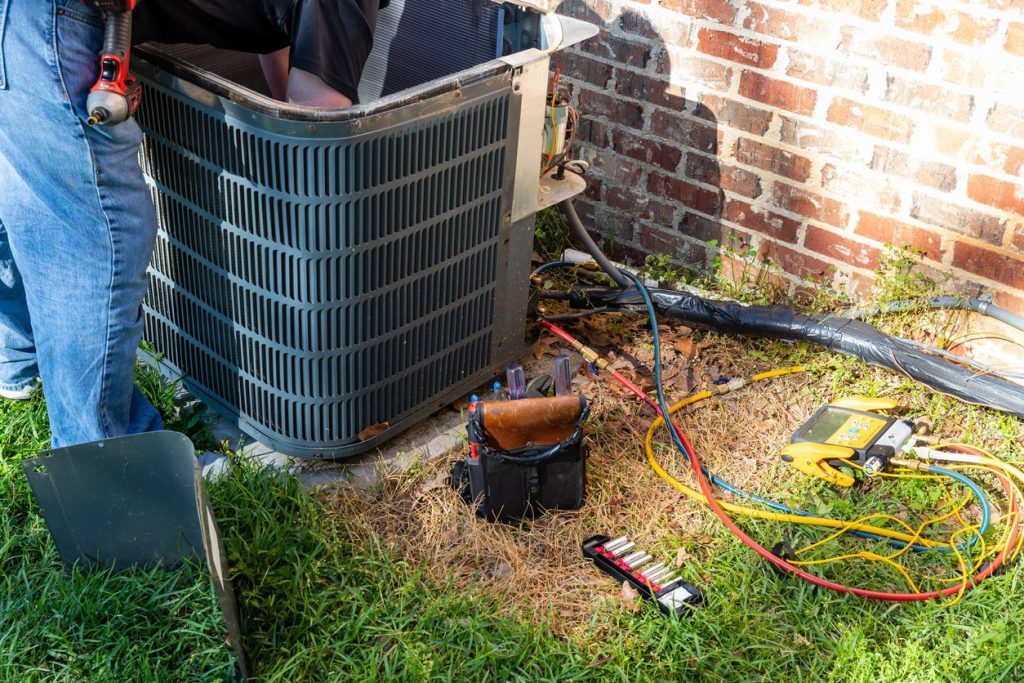
Is your air conditioner frozen and leaving you sweltering in the heat? You’re not alone, and the good news is, you can fix it.
Knowing how to thaw a frozen air conditioner quickly can save you from discomfort and costly repairs. You’ll learn simple, effective steps to get your AC back to normal fast. Keep reading—you’ll be surprised how easy it is to bring your frozen unit back to life and stay cool again.
Signs Of A Frozen Air Conditioner
A frozen air conditioner does not work well and can cause damage. It is important to spot the signs early. Knowing these signs helps you fix the problem fast.
Below are common signs that show your air conditioner may be frozen.
Visible Ice Accumulation
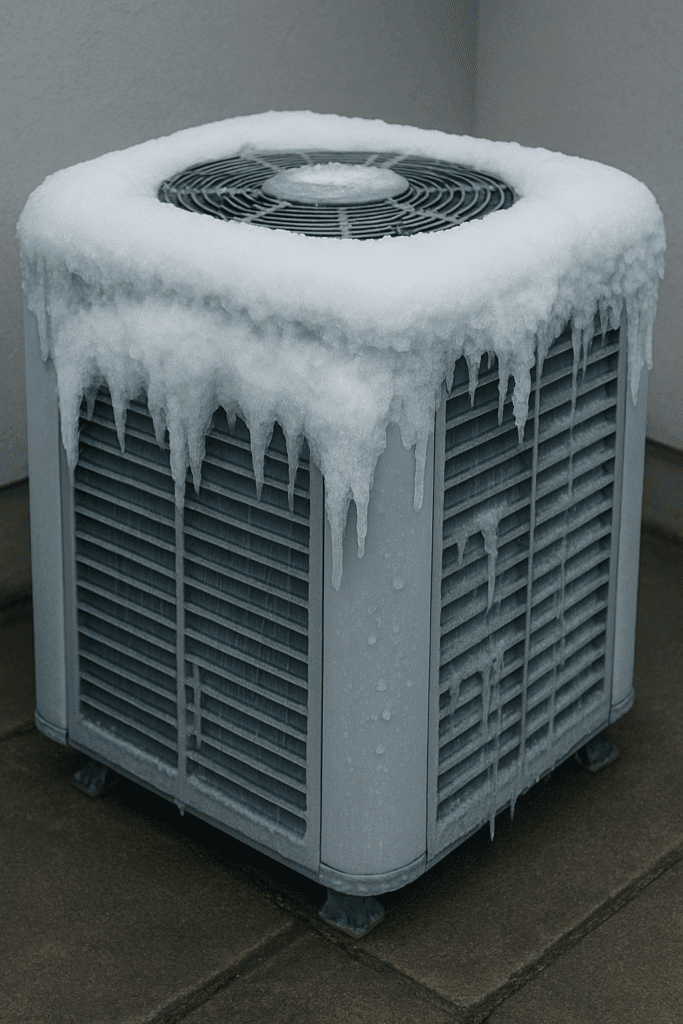
You can see ice build-up on the air conditioner’s coils or pipes. The ice can look like frost or thick blocks. This happens because moisture freezes due to low temperature.
Ice may cover parts of the outdoor unit or inside the air handler. This is a clear sign the unit is frozen and needs attention.
Reduced Cooling Efficiency
The air conditioner cools less than usual or stops cooling completely. You may feel less cold air coming from the vents. This happens because ice blocks airflow and heat exchange.
When cooling is weak, the system works harder and uses more energy. This can increase your electricity bill.
- Air feels warmer or less cool
- Thermostat settings do not improve cooling
- Longer running times without reaching set temperature
Unusual Noises
Frozen parts can cause strange sounds from the air conditioner. You may hear rattling, gurgling, or hissing noises. These sounds happen when the ice disrupts normal operation.
Ignoring these noises can lead to bigger problems. It is best to check the unit if you hear sounds you do not usually hear.
Common Causes Of Freezing
Frozen air conditioners can stop working properly. Ice forms on the coils and blocks cooling. Understanding why your unit freezes helps you fix it faster.
Several issues cause freezing. Dirt, low refrigerant, and airflow problems often lead to ice build-up. Even thermostat errors can cause freezing.
Dirty Air Filters
Dirty air filters block air from flowing through the system. This makes the evaporator coil too cold. The coil can freeze and stop the air conditioner.
Change or clean your air filters every month. Clean filters keep air flowing well. This helps prevent ice from forming on the coils.
Low Refrigerant Levels
Refrigerant moves heat out of your home. Low refrigerant makes the coils colder than normal. This can cause ice to build up on the coils.
Leaks or damage can lower refrigerant levels. A professional can check and refill refrigerant safely to stop freezing.
Blocked Airflow
Blocked airflow happens when vents or ducts are closed or dirty. The cold air cannot flow properly. This causes the coils to freeze.
- Keep all vents open and clean
- Clear any blockages near the outdoor unit
- Inspect ducts for damage or leaks
Good airflow helps the air conditioner work without freezing. Check airflow regularly to avoid problems.
Thermostat Issues
A faulty thermostat can cause the AC to run too long or too cold. This makes the coils freeze up with ice. Incorrect settings also affect performance.
Check the thermostat for proper settings and operation. Replace or repair it if it does not work correctly to stop freezing.
Step-by-step Thawing Methods
A frozen air conditioner can stop working well. Ice blocks the airflow and makes the unit cold.
Thawing the AC carefully will help it work again. Follow these simple steps to melt the ice safely.
Turn Off The Ac Unit
First, switch off the air conditioner. This stops more ice from building up.
Turning off the unit protects the compressor from damage during thawing.
Use A Fan To Speed Up Melting
Set up a fan to blow air across the frozen parts. This helps the ice melt faster.
The moving air warms the surface without using heat that could harm the unit.
Apply Warm Towels To Icy Areas
Place warm, damp towels on the frozen sections of the AC. The warmth helps soften the ice.
Change the towels often to keep them warm and speed up thawing.
Avoid Using Sharp Objects
Do not try to chip away the ice with knives or sharp tools. This can damage the AC parts.
Let the ice melt naturally to keep your air conditioner safe and working well.

Credit: serviceplusheatingcooling.ca
Preventing Future Freezing
Frozen air conditioners can stop working and cause damage. Preventing freezing helps your AC run well all summer.
Simple care steps keep your AC from freezing again. These tips save money and avoid repair headaches.
Regular Filter Cleaning
Dirty filters block air and make your AC freeze. Clean or change filters every month during heavy use.
Clean filters help air flow smoothly. This stops ice from building on the coils.
Checking Refrigerant Levels
Low refrigerant can cause your AC to freeze. It needs enough refrigerant to cool air properly.
Have a pro check refrigerant levels yearly. They can fix leaks and add refrigerant if needed.
Ensuring Proper Airflow
Good airflow stops ice from forming inside the unit. Keep vents open and clear of furniture or curtains.
Check for blocked ducts or dirty fans. Fix these problems quickly to keep air moving well.
- Open all supply and return vents
- Clear debris near outdoor unit
- Fix holes or leaks in ductwork
- Ensure fans run without obstruction
Scheduling Professional Maintenance
Experts can find issues you might miss. Schedule yearly AC checkups to catch problems early.
Maintenance includes cleaning coils, testing parts, and checking refrigerant. This keeps your system safe and efficient.
When To Call A Professional
Thawing a frozen air conditioner is sometimes easy to do at home. You can turn off the unit and let it melt. But some problems need expert help. Knowing when to call a professional can save your AC and money.
Air conditioners freeze for different reasons. Some causes are simple, while others show deeper issues. Professionals have the tools and knowledge to fix these safely and well.
Persistent Freezing Issues
If your AC keeps freezing after thawing, this means there is a bigger problem. It could be dirty filters, blocked airflow, or a failing fan. These need a professional to inspect and repair.
- Frozen coils that return quickly
- Unusual noises from the unit
- Weak or no airflow
- AC stops working after thaw
Refrigerant Leaks
Low refrigerant causes freezing and poor cooling. A leak means the refrigerant escapes and cannot be topped off without repair. Only certified technicians can find and fix leaks safely.
| Signs | Why Call a Pro |
| Ice buildup on coils | Check for refrigerant leaks |
| Poor cooling | Locate and repair leaks |
| Hissing sounds | Handle refrigerant safely |
| High energy bills | Fix system efficiency |
Electrical Problems
Electrical faults can cause the AC to freeze or stop working. Problems like broken wiring, bad capacitors, or faulty thermostats need expert checks. Electricity is dangerous and needs care.
Signs to watch for electrical issues:
- AC unit won’t start or stops suddenly
- Burning smell near the unit
- Frequent tripping of circuit breakers
- Thermostat not responding
Call a professional if you see these signs. They have tools to test and fix electrical parts safely.
Credit: bellplumbing.com

Credit: www.delcohvac.com
Frequently Asked Questions
How Can I Safely Thaw A Frozen Air Conditioner?
Turn off the unit and let it thaw naturally. Avoid using heat sources. This prevents damage and ensures proper defrosting.
Why Does My Air Conditioner Freeze Up?
Frozen AC often results from low refrigerant, poor airflow, or dirty filters. Regular maintenance prevents freezing and improves efficiency.
How Long Does It Take To Thaw A Frozen Ac?
Thawing typically takes 1 to 3 hours, depending on ice thickness. Patience is key to avoid damaging the system.
Can I Use A Hairdryer To Thaw Ac Ice?
Using a hairdryer is not recommended. It risks damaging components. Natural thawing or professional help is safer and effective.
Conclusion
Thawing a frozen air conditioner is simple. First, turn off the unit. Check for any blockages. Clean the air filter. Wait for the ice to melt. Ensure vents are clear. Regular maintenance prevents freezing issues. Avoid setting the thermostat too low.
If problems persist, consult a professional. Regular checks keep your AC efficient. Enjoy a cool home without worries. Keep your air conditioner in top shape. Simple steps ensure smooth operation. A little care goes a long way.