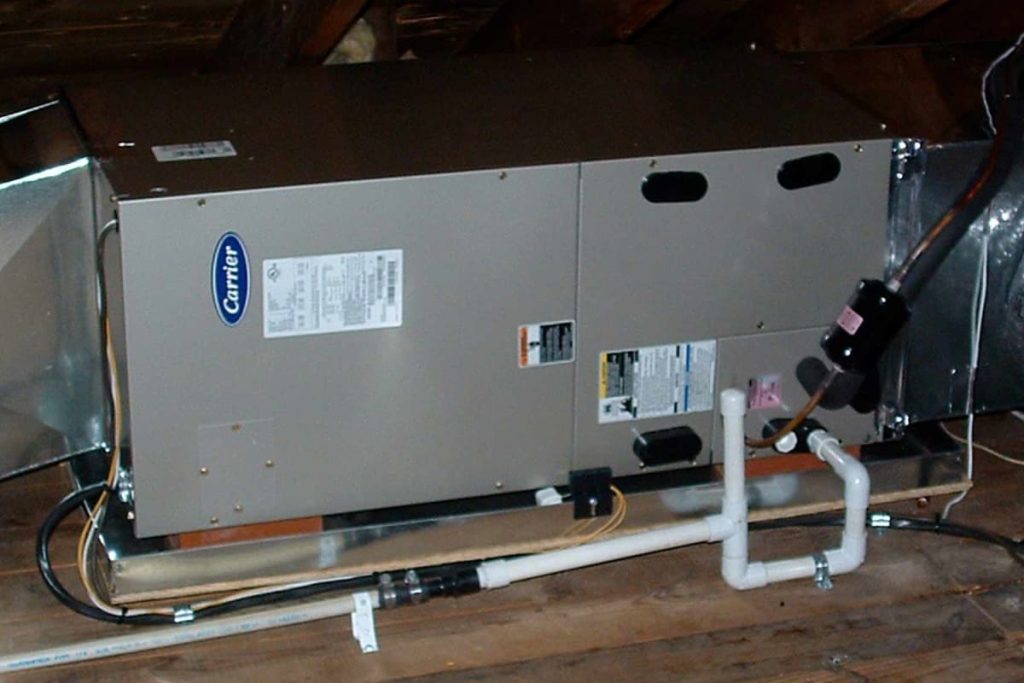
Have you ever noticed water dripping around your air conditioner and wondered where it’s coming from? The answer often lies in a small but important part called the drain pan.
Knowing where the air conditioner drain pan is located can save you from costly repairs and keep your home comfortable. You’ll discover exactly where to find this hidden component and why it matters for your AC’s performance. Keep reading to make sure your cooling system stays in top shape all year long.

Credit: northnjhvac.com
Air Conditioner Drain Pan Basics
The air conditioner drain pan catches water that forms during cooling. It stops water from leaking inside your home. This part is important for keeping your system safe.
Knowing where the drain pan is helps with cleaning and maintenance. It is usually found under the indoor unit of your AC system.
Purpose Of The Drain Pan
The drain pan collects the condensation that the AC creates. This water comes from the air as it cools down. Without the pan, water could damage walls and floors.
The pan also directs the water to a drain line. This keeps the water flowing out safely. It helps prevent mold and mildew inside the house.
Types Of Drain Pans
There are different drain pans based on the air conditioner type. Each pan fits a specific part of the AC system. Some are simple trays, others have extra features.
- Primary Drain Pan:Located right under the indoor coil to catch most water.
- Secondary Drain Pan:Installed below the primary pan as a backup in case of overflow.
- Secondary Drain Pan with Float Switch:This pan has a sensor to stop the AC if water rises too high.
Common Drain Pan Locations
The air conditioner drain pan collects water that forms during cooling. Its location depends on the type of AC system you have. Knowing where the drain pan is helps with maintenance.
Below are the most common places you can find the drain pan in your air conditioner system.
Inside The Air Handler
The air handler contains the blower fan and other parts. The drain pan is often found at the bottom of this unit. It catches water from condensation inside the air handler.
This location makes it easy to clean and check the drain pan regularly. It also helps prevent water damage inside your home.
Under The Evaporator Coil
The evaporator coil cools the air and creates condensation. The drain pan sits directly under this coil to catch the dripping water. This setup helps remove moisture efficiently.
- Usually made of metal or plastic
- Needs to be clean to avoid blockages
- Drains water outside or to a plumbing system
Near The Condenser Unit
The condenser unit is outside the home. Some systems place a drain pan near this unit to catch water from the cooling process. This pan collects water before it drains away.
| Location | Purpose | Material |
|---|---|---|
| Inside the Air Handler | Collect condensation inside unit | Metal or plastic |
| Under the Evaporator Coil | Catch water from evaporator | Metal or plastic |
| Near the Condenser Unit | Gather water outside unit | Usually plastic |
How To Access The Drain Pan
The air conditioner drain pan collects water from the unit. It helps prevent leaks and water damage. Knowing how to access it is important for cleaning and maintenance.
This guide shows the tools you need and steps to find and inspect the drain pan safely.
Tools Needed
You need some simple tools to access the drain pan. These tools help you open the unit and check the pan easily.
- Screwdriver (usually Phillips or flathead)
- Flashlight to see inside dark areas
- Towels or rags to catch any water spills
- Gloves for hand protection
Steps To Locate And Inspect
Start by turning off the air conditioner power. Safety first to avoid electric shock or damage.
Next, find the access panel on the indoor unit. This panel usually covers the drain pan and the evaporator coil.
- Use the screwdriver to remove screws on the panel.
- Carefully pull off the panel to expose the drain pan.
- Use the flashlight to look inside the pan for dirt or blockages.
- Check if the pan holds water or if it drains properly.
- Clean the pan if you see debris or standing water.
- Replace the access panel and screws securely when done.
Credit: airaceheatingandcooling.com
Signs Of Drain Pan Issues
The drain pan in an air conditioner collects water from condensation. If it is damaged or clogged, problems can occur. Recognizing early signs helps prevent bigger damage.
Below are two common signs that indicate issues with the drain pan. Watch for water leaks and mold growth as key indicators.
Water Leaks And Damage
Water leaks from the drain pan can cause damage inside your home. These leaks often happen when the pan cracks or the drain line is blocked.
- Pooling water around the air conditioner unit
- Stains or discoloration on walls or ceilings near the unit
- Dripping sounds coming from the AC system
- Musty odors due to trapped moisture
Mold And Mildew Growth
Mold and mildew often grow when water sits in the drain pan too long. This growth can affect air quality and cause health problems.
| Symptom | Explanation |
| Visible mold spots | Dark or greenish patches on or near the drain pan |
| Musty smell | Strong, damp odors coming from the AC vents |
| Allergy symptoms | Increased sneezing or coughing when near the unit |
Maintenance Tips
Keeping your air conditioner’s drain pan clean is important. It helps your unit run smoothly and prevents water damage. Regular checks and cleaning save money on repairs.
Below are some simple maintenance tips for cleaning the drain pan and avoiding clogs in your AC system.
Cleaning The Drain Pan
The drain pan collects moisture from your air conditioner. Dirt and mold can build up if you do not clean it often. Clean it at least once every few months.
- Turn off the AC power before cleaning.
- Remove the drain pan carefully from the unit.
- Use warm water and mild soap to wash the pan.
- Scrub gently with a soft brush to remove mold and dirt.
- Rinse the pan well and dry it fully.
- Put the pan back in place and restore power.
Preventing Clogs
Clogs in the drain pan can cause water leaks and damage. Preventing clogs keeps your AC working well and your home dry.
| Tip | How It Helps |
| Check the drain line monthly | Stops buildup before it blocks water flow |
| Use a wet/dry vacuum to clear the drain | Removes debris and dirt from the drain pipe |
| Keep the area around the unit clean | Reduces dust and particles entering the drain pan |
| Install a drain pan float switch | Shuts off AC if water level gets too high |

Credit: unitedstatesolutions.com
When To Call A Professional
The air conditioner drain pan collects water that drips from the system. It is usually found under the indoor evaporator coil. Sometimes, problems with the drain pan need expert help. Knowing when to call a professional can save your AC from damage.
Some issues are easy to fix, but others require special tools and skills. If you notice signs that your drain pan is not working well, a professional can find the cause and fix it safely.
Persistent Leaks
If the drain pan leaks water constantly, it could cause damage to your home. Persistent leaks often mean the pan is cracked or clogged. A professional can inspect the system and repair or replace the pan as needed.
Ignoring leaks can lead to mold growth and damage to walls or floors. A technician uses special tools to clean drain lines and check for hidden leaks.
- Cracked or rusted drain pan
- Blocked or damaged drain lines
- Water pooling around the AC unit
- Signs of mold or mildew near the system
Complex Repairs
Some drain pan problems need more than simple fixes. Complex repairs include fixing damaged pipes or electrical parts linked to the drain system. These require special knowledge and tools.
Only a professional should handle tasks like replacing the drain pan, fixing wiring, or adjusting parts inside the AC. This keeps the unit safe and working well.
Frequently Asked Questions
Where Is The Air Conditioner Drain Pan Located?
The air conditioner drain pan is located beneath the indoor evaporator coil. It collects condensation formed during cooling to prevent water damage. You can find it inside the air handler or furnace unit.
How Can I Access The Ac Drain Pan Safely?
Turn off the power to your AC unit before accessing the drain pan. Remove the access panel carefully. Use a flashlight to inspect the pan for water or debris.
Why Is The Ac Drain Pan Important?
The drain pan prevents water damage by catching condensation from the evaporator coil. It helps avoid leaks, mold growth, and structural damage in your home.
What Causes The Ac Drain Pan To Overflow?
Clogged drain lines or a damaged pan cause overflow. Dirt and algae block water flow, leading to leaks and potential water damage.
Conclusion
Finding the air conditioner drain pan is crucial for maintenance. It usually sits below the indoor unit. This pan collects excess water from your AC. Keeping it clear prevents water damage. Regular checks ensure smooth operation. Check for clogs or leaks often.
Doing so extends your AC’s life. A clean drain pan means efficient cooling. Always consult your AC’s manual for specifics. If unsure, contact a professional. Proper maintenance saves money and hassle. Now you know where to look. Keep your AC in top shape.
Stay cool and comfortable all year.