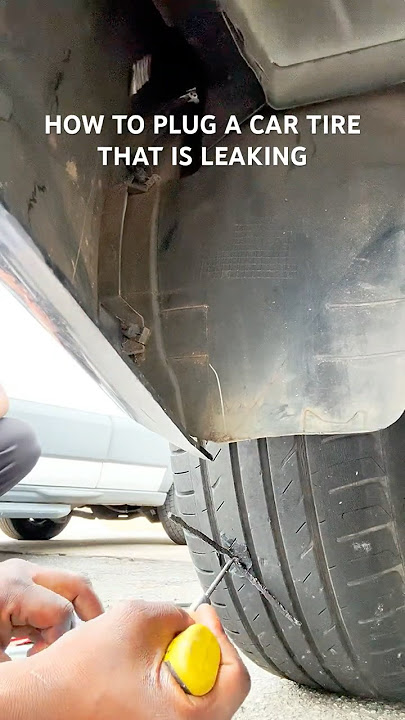
Imagine you’re driving and suddenly feel a sharp wobble—your tire has a leak. Knowing how to plug a car tire yourself can save you time, money, and stress.
You don’t have to wait for help or risk driving on a flat. In this guide, you’ll learn simple, step-by-step tips to fix your tire quickly and safely. Keep reading, and you’ll be ready to handle a flat tire like a pro, no matter where you are.

Credit: www.youtube.com
Signs Of A Flat Tire
A flat tire can cause trouble while driving. It is important to spot the signs early. This helps to avoid accidents and delays.
Knowing what to look for helps you fix the tire quickly. Here are some common signs of a flat tire.
Common Causes Of Tire Punctures
Tire punctures happen from sharp objects on the road. Nails, glass, and metal pieces can cause holes in tires. Poor road conditions also increase risks.
Sometimes, tires get damaged by hitting curbs or potholes. Old tires with weak rubber can puncture more easily. Regular checks help prevent surprises.
- Nails and screws
- Broken glass
- Metal debris
- Sharp stones
- Hitting curbs or potholes
- Worn-out tires
Identifying Slow Leaks
Slow leaks cause tires to lose air over time. The tire may look fine but feels soft when driving. This can lead to a flat tire without warning.
Check tire pressure regularly with a gauge. Look for small cracks or objects stuck in the tire. A slow leak needs fixing before it becomes a bigger problem.
- Check tire pressure weekly
- Look for small nails or screws
- Notice if the tire looks flat in the morning
- Listen for hissing sounds near the tire
- Inspect tire sidewalls for cracks

Credit: www.motortrend.com
Tools Needed For Tire Plugging
Fixing a car tire with a plug requires some basic tools. Having the right tools makes the job easier and safer.
This guide lists the essential and optional tools you may need to plug a tire properly.
Essential Repair Kit Items
These items form the basic kit needed to plug a tire quickly and safely.
- Tire plug strips or patches
- Tire reamer tool to clean and widen the hole
- Tire plug insertion tool
- Pliers for removing nails or objects
- Soap and water spray to find leaks
- Air compressor or pump to reinflate the tire
Optional Tools For Better Results
These tools are not required but can improve the repair quality and ease the process.
| Tool | Purpose |
| Utility knife | Trim excess plug material after insertion |
| Gloves | Protect hands during the repair |
| Flashlight | Improve visibility in low light |
| Tire pressure gauge | Check tire pressure after repair |
| Jack and lug wrench | Remove tire if needed for better access |
Preparing The Tire For Repair
Fixing a car tire starts with good preparation. You need to get the tire ready before plugging it.
Proper preparation helps the plug hold better and keeps the repair safe.
Locating The Puncture Spot
Find the exact place where the tire is leaking air. This spot is usually where you feel a hissing sound or see a nail.
You can also listen closely or spray soapy water on the tire. Bubbles will form where the air escapes.
- Look for nails, screws, or sharp objects
- Check for bubbles with soapy water
- Listen for hissing sounds
Cleaning And Inspecting The Area
Clean the area around the puncture well. Remove dirt, mud, and debris to see the damage clearly.
Check the tire for cracks or damage near the hole. Do not repair if the tire sidewall is damaged.
- Use a cloth to wipe the area clean
- Inspect for cracks or large tears
- Make sure the puncture is in the tread, not the sidewall
Step-by-step Plugging Process
Fixing a car tire with a plug is a quick way to stop leaks. This guide shows you how to do it safely and correctly.
Follow these steps carefully to plug your tire and get back on the road.
Removing The Object
First, find the object causing the leak. Pull it out using pliers or a similar tool.
Removing the object clears the hole and helps you see the damage clearly.
Reaming The Hole
Use a reamer tool to clean and widen the hole. This helps the plug fit well inside.
Push the reamer in and out while turning it to roughen the hole edges.
Inserting The Plug
Thread the plug into the insertion tool. Push the plug firmly into the hole.
Make sure the plug goes deep enough to fill the hole completely.
Sealing And Trimming
Pull the insertion tool out carefully. The plug should stay in the tire.
Cut off any extra plug material sticking out. The plug should sit flush with the tire.
Testing The Repair
After plugging a car tire, it is important to test the repair. This ensures the tire is safe to use and holds air well.
Testing includes inflating the tire and checking for any air leaks around the plug area.
Inflating The Tire
Use an air compressor or a tire pump to inflate the tire. Inflate it to the recommended pressure found in your car manual or on the tire sidewall.
Do not overinflate the tire. Proper pressure helps the plug seal the hole correctly.
Checking For Leaks
Check for leaks by applying soapy water to the plugged area. Bubbles mean air is escaping.
If bubbles appear, the plug may need to be redone. If no bubbles show, the repair is holding air.
- Mix water with a small amount of dish soap.
- Use a sponge or spray bottle to apply the mixture.
- Look closely for bubbles around the plug.
- Listen for hissing sounds that show escaping air.
Safety Tips And Precautions
Fixing a car tire by plugging it can be a quick solution. But safety is very important before you start. You should know when it is safe to plug a tire and what to do after repair.
This guide helps you understand key safety tips and warnings. Follow them to avoid risks on the road and keep yourself safe.
When Not To Plug A Tire
Not all tire damages can be fixed with a plug. Using a plug in the wrong situation can cause accidents or tire failure.
- If the puncture is on the sidewall or shoulder of the tire, do not plug it.
- If the hole is larger than 1/4 inch (6 mm), avoid plugging.
- If the tire has multiple punctures close together, do not plug.
- If the tire shows signs of severe wear or damage, replace it instead.
- If the tire lost a lot of air quickly, get professional help.
Driving After A Repair
After plugging a tire, you must drive carefully to keep the repair safe. Check your tire often and follow these rules.
| Action | Reason | Advice |
| Check tire pressure daily | Ensure the plug holds air | Use a tire gauge before driving |
| Drive at moderate speed | Reduce stress on repaired area | Stay below 50 mph (80 km/h) |
| Avoid long trips immediately | Monitor the plug’s durability | Limit driving to short distances |
| Inspect tire regularly | Spot new damage early | Look for air leaks or cracks |
Maintaining Your Tires
Taking care of your tires helps keep your car safe and extends tire life. Regular checks and proper care prevent sudden problems on the road.
Simple habits like checking your tires and keeping them at the right pressure make a big difference. These easy steps protect you and improve driving comfort.
Regular Inspections
Look at your tires often to find cuts, cracks, or objects stuck in the tread. Also, check for uneven wear that might mean alignment issues.
- Check tire tread depth with a gauge or a coin
- Look for nails, glass, or sharp objects
- Inspect sidewalls for bulges or cracks
- Listen for unusual noises while driving
- Examine tires after hitting potholes or curbs
Proper Inflation Practices
Keeping your tires at the right pressure improves fuel efficiency and tire life. Under-inflation can cause poor handling and increase wear.
| Recommended Pressure | Check Frequency |
| Follow vehicle manual or tire sidewall | At least once a month |
| Check before long trips | Before every long drive |
| Adjust for heavy loads | When carrying extra weight |

Credit: www.youtube.com
Frequently Asked Questions
How Do You Safely Plug A Car Tire?
First, locate the puncture and remove the object. Clean the area, insert a plug using a tire plug tool, and trim excess plug material. Reinflate the tire to the correct pressure. Always check for leaks and ensure the plug seals properly before driving.
Can Tire Plugs Fix All Types Of Punctures?
Tire plugs work best for small punctures in the tread area. They are not suitable for sidewall damage or large holes. For severe damage, professional repair or tire replacement is necessary to maintain safety and tire integrity.
How Long Does A Tire Plug Last?
A properly installed tire plug can last several months to years. However, it is considered a temporary fix. Regularly inspect the plug and tire for leaks and damage. For long-term safety, consider professional tire repair or replacement.
Is It Safe To Drive After Plugging A Tire?
Yes, if the plug is correctly installed and the tire pressure is restored, driving is generally safe. Avoid high speeds and rough terrain until you can get a professional inspection. Always monitor tire condition after plugging.
Conclusion
Plugging a car tire can save time and money on the road. Always check the tire carefully before starting. Use the right tools and follow each step with care. Remember, this fix is temporary and for small holes only. After plugging, drive slowly to the nearest tire shop.
Keep your safety as the top priority. Knowing how to plug a tire helps in emergencies. Stay prepared, and you can handle minor tire troubles easily.