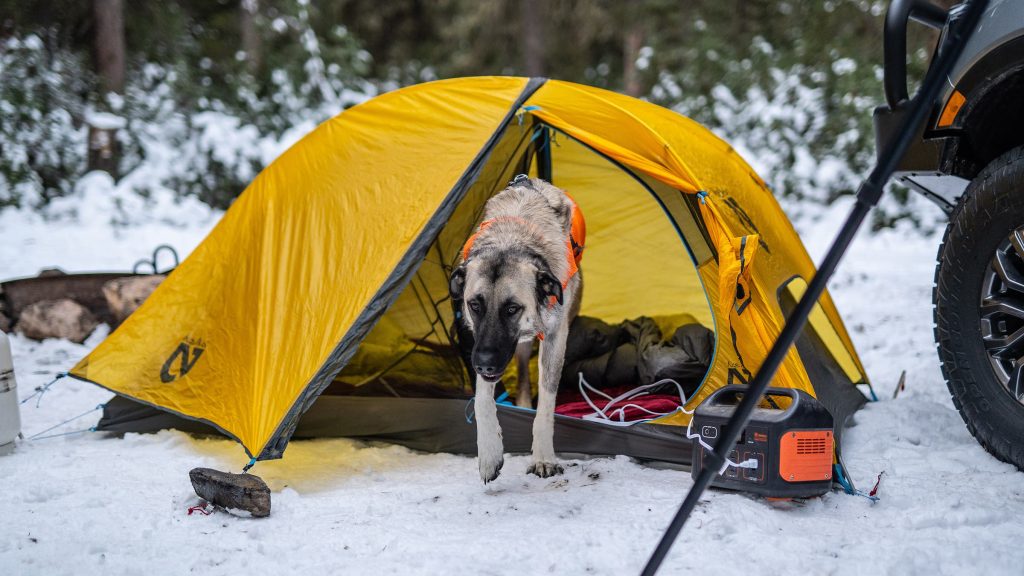
Are you planning to camp in chilly weather and wondering how to keep your tent warm? Heating a tent might sound tricky, but with the right tips, you can stay cozy all night long.
Imagine stepping inside your tent after a cold day and feeling instant warmth surround you. This guide will show you simple, safe, and effective ways to heat your tent so you can enjoy your outdoor adventure without shivering. Keep reading to discover how to turn your tent into a warm, comfortable shelter no matter the weather.
Choosing The Right Tent
Heating a tent safely depends a lot on the tent you choose. Some tents keep heat better than others. Picking the right tent helps you stay warm and comfortable.
Look for tents designed to handle cold weather. The right tent can make heating easier and safer.
Material And Insulation
Tent materials affect how well heat stays inside. Thick fabrics and special coatings can block wind and cold.
Some tents have insulation layers to keep warmth in. Insulated tents are better for cold nights.
- Look for tents made with heavy-duty polyester or canvas
- Check if the tent has a thermal or insulated lining
- Waterproof and windproof materials help keep heat inside
Tent Size And Shape
Smaller tents are easier to heat because less air needs warming. Large tents take more heat to stay warm.
Shape matters too. Dome and tunnel tents keep heat better than tall tents with sharp angles.
- Choose a tent size that fits your group without extra space
- Dome-shaped tents reduce heat loss
- Lower ceilings help trap heat inside
Ventilation Considerations
Good ventilation is important for safety when heating a tent. It prevents carbon monoxide buildup.
Choose tents with adjustable vents or windows. These let fresh air in while keeping heat inside.
- Look for tents with vents near the top and bottom
- Use mesh windows for airflow without letting cold wind in
- Never block vents when using heaters inside the tent
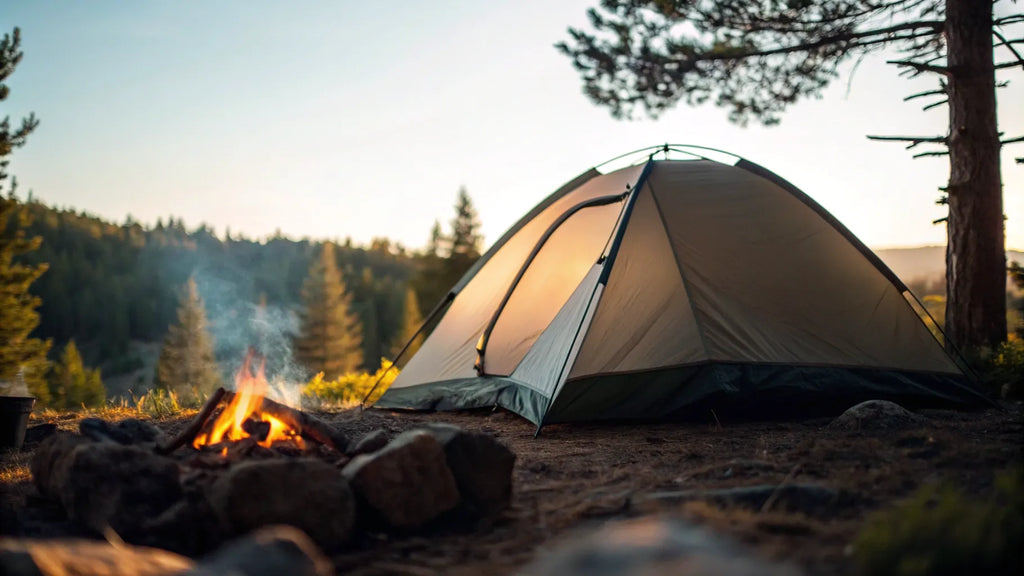
Credit: www.battlbox.com
Safe Heating Methods
Heating a tent safely is important to avoid accidents. You need to pick heating methods that keep you warm without risks. This guide covers safe ways to heat your tent.
Each heating option has its own safety rules. Follow them closely to protect yourself and your gear.
Portable Propane Heaters
Portable propane heaters are popular for camping. They provide quick heat and are easy to carry. Always use heaters designed for indoor or tent use.
- Keep the heater away from tent walls and flammable materials
- Ventilate the tent to avoid carbon monoxide build-up
- Check for leaks before use
- Turn off the heater before sleeping
- Use a stable, flat surface to place the heater
Electric Heating Options
Electric heaters are safe if you have power access. They do not produce harmful gases. Use heaters with automatic shutoff for extra safety.
| Type | Power Source | Safety Tip |
| Electric Blanket | Battery or Plug-in | Do not fold while on |
| Space Heater | Plug-in | Keep clear of fabrics |
| Heated Pad | Battery | Use as directed only |
Wood Stove Usage
Wood stoves give strong heat and cozy ambiance. They need careful setup to avoid fire risks. Use only stoves made for tents or small shelters.
Follow these key safety tips for wood stove use:
- Place the stove on a fireproof base
- Keep a safe distance from tent walls
- Use a chimney pipe to vent smoke outside
- Never leave the stove unattended
- Keep a fire extinguisher nearby
Insulation Techniques
Keeping your tent warm is important for comfort and safety. Insulation helps block cold air and keeps heat inside.
Using simple insulation methods can make a big difference in how warm your tent feels during cold nights.
Ground Insulation Tips
The ground can take away a lot of heat from your tent. Adding insulation between you and the ground stops this heat loss.
Use thick materials like foam pads or even natural items like pine branches to create a warm barrier.
- Place foam pads or rugs on the tent floor
- Use pine needles or dry leaves under your sleeping area
- Set up a tarp below the tent to block moisture
Using Thermal Blankets
Thermal blankets reflect body heat back to you. They are lightweight and easy to pack for camping.
You can hang these blankets on tent walls or wrap them around your sleeping bag for extra warmth.
- Attach thermal blankets to tent walls to reflect heat
- Wrap yourself or your sleeping bag with a thermal blanket
- Cover the tent floor with a thermal blanket for more insulation
Layering With Sleeping Pads
Sleeping pads add comfort and extra insulation from cold ground. Using more than one pad can improve warmth.
Choose pads with foam or air cells that trap heat. Layering different types can block cold air well.
- Use a foam pad as the base layer for insulation
- Add an inflatable pad on top for comfort and warmth
- Check the R-value of pads; higher means better insulation
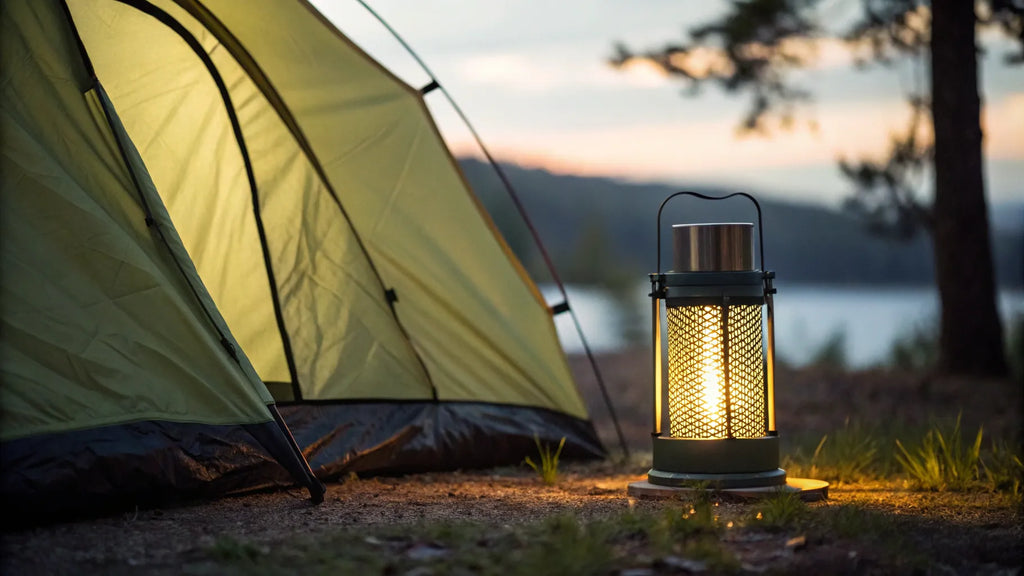
Credit: www.battlbox.com
Heating Accessories
Keeping warm inside a tent is important for comfort and safety. Some heating accessories help keep the cold away during camping trips. These tools can add extra heat without needing large heaters.
Below are some common heating accessories that campers use. Each has its own benefits for staying warm inside your tent.
Hot Water Bottles
Hot water bottles are simple and effective for warming your sleeping area. Fill them with hot water before bed and place them inside your sleeping bag. They release heat slowly through the night.
- Use a durable rubber or silicone bottle
- Keep the bottle sealed tightly to avoid leaks
- Wrap the bottle in a cloth to prevent burns
- Fill with water heated to a safe temperature
- Place near your feet or under your sleeping bag
Battery-powered Heated Gear
Battery-powered heated gear offers portable warmth without open flames. These include heated gloves, vests, and blankets. They use rechargeable batteries for hours of heat.
| Item | Heat Time | Battery Life | Use |
|---|---|---|---|
| Heated Gloves | Up to 6 hours | Rechargeable 3000 mAh | Keep hands warm |
| Heated Vest | Up to 8 hours | Rechargeable 5000 mAh | Warm core body |
| Heated Blanket | Up to 10 hours | Rechargeable 10000 mAh | Heat sleeping area |
Warm Clothing And Bedding
Wearing warm clothes and using proper bedding is key for tent heating. Layer your clothing and choose insulated bedding to trap body heat effectively.
- Wear thermal base layers made of wool or synthetic fabric
- Add fleece or down jackets for extra warmth
- Use insulated sleeping bags rated for cold temperatures
- Include blankets or sleeping bag liners for added heat
- Wear hats and socks to reduce heat loss from extremities
Safety Precautions
Heating a tent needs care to avoid accidents. You must keep your tent safe and warm without risks. Simple safety steps protect you and others inside the tent.
Knowing how to prevent fire and carbon monoxide dangers is key. Also, proper equipment use and upkeep help keep your tent safe.
Ventilation And Carbon Monoxide Risks
Carbon monoxide is a colorless, odorless gas. It can build up quickly inside a closed tent. Good airflow is needed to avoid poisoning.
- Always keep a window or door slightly open.
- Use heaters made for indoor or tent use only.
- Never use car engines or gas stoves inside tents.
- Install a carbon monoxide detector if possible.
- Move outside if you feel dizzy or sleepy.
Fire Safety Inside The Tent
Fires inside tents spread fast and cause serious harm. Keep fire hazards away and control open flames strictly.
| Fire Safety Tip | Details |
| Keep heaters away from walls | At least 3 feet distance |
| Do not leave heaters unattended | Turn off before sleeping |
| Avoid flammable materials | No paper, cloth, or dry leaves nearby |
| Have a fire extinguisher | Use a small one rated for tent fires |
| Use battery lights | Instead of candles or lanterns |
Proper Equipment Maintenance
Keep your heating tools in good shape. Faulty gear can cause leaks or fires. Check and clean them regularly.
- Inspect heaters for cracks or damage before use.
- Clean fuel lines and vents as the manual says.
- Store fuel away from the tent and heat sources.
- Replace worn parts promptly to avoid malfunctions.
- Test equipment outside the tent first.
Alternative Warmth Strategies
Keeping warm in a tent is important for a good camping experience. Using alternative warmth strategies helps you stay comfortable without relying only on heaters.
These strategies include choosing the right spot, using natural windbreaks, and picking the best time to camp. Each method can save energy and keep you cozy.
Choosing Campsite Location
Pick a campsite that naturally protects you from cold. Look for areas away from open fields or ridges where wind is strong. Higher ground may be colder at night.
- Find spots near trees or bushes for shade and wind protection
- Avoid low areas where cold air settles
- Set up near water only if it does not increase wind exposure
- Choose flat ground to keep your sleeping area stable and warm
Using Natural Windbreaks
Natural windbreaks reduce wind chill and help keep your tent warm. Trees, rocks, and hills can block cold winds effectively.
| Windbreak Type | How It Helps | Best Use |
| Trees | Block wind and provide shade | Forested areas |
| Large Rocks | Stop wind and reflect heat | Rocky terrain |
| Hills or Mounds | Shield from strong gusts | Hilly campsites |
Timing Your Camping Trips
Choose the right time of year and day to camp for warmer nights. Avoid late fall or early spring if you want less cold. Plan trips when days are longer and warmer.
- Camp in late spring or summer for milder weather
- Arrive in the afternoon to warm your tent with sunlight
- Check weather forecasts to avoid cold snaps
- Shorten your trips during cold months to reduce exposure

Credit: www.reddit.com
Frequently Asked Questions
How Can I Safely Heat A Tent While Camping?
Use portable propane or electric heaters designed for tents. Always ensure proper ventilation to avoid carbon monoxide buildup. Never leave heaters unattended and keep flammable materials away. Follow manufacturer guidelines strictly for safety and efficiency.
What Are The Best Tent Heaters For Cold Weather?
Propane heaters, electric heaters, and catalytic heaters work well. Choose models with safety features like automatic shut-off and tip-over protection. Consider heater size based on tent volume for effective warming without overheating.
Can I Use A Campfire To Heat My Tent?
Indirectly, yes. Place your tent near a campfire but not too close to avoid fire hazards. Never bring fire or embers inside the tent. Use campfires as a supplementary heat source, not the primary heating method.
How Do I Prevent Moisture Buildup When Heating A Tent?
Ventilate your tent by slightly opening vents or windows. Moisture forms when warm air meets cold surfaces. Proper airflow reduces condensation and keeps the tent dry and comfortable during heating.
Conclusion
Heating a tent safely is crucial for winter camping. Consider various methods like portable heaters or hot water bottles. Each option has pros and cons. Always prioritize safety to prevent accidents. Proper ventilation matters to reduce risks. Choose the best method for your camping needs.
Stay warm, but also stay safe. Remember to pack necessary gear before heading out. Camping in cold weather can be fun with the right preparation. Enjoy the outdoors while staying cozy inside your tent. Practice these tips to improve your camping experience.
Happy camping!