Have you ever wondered if the Tabernacle and the Tent of Meeting are the same thing? These terms often come up in stories and teachings, but many people get confused about what they really mean.
Understanding the difference can change how you see some of the most important moments in history and faith. Keep reading, and you’ll discover clear answers that make these ancient places come alive in a whole new way—right before your eyes.
Origins Of The Tabernacle
The Tabernacle holds a special place in biblical history. It served as a movable sanctuary for the Israelites during their journey in the desert.
This sacred tent was more than a shelter. It was the center of worship and God’s presence among His people.
Biblical Background
The Tabernacle’s design comes from God’s direct instructions to Moses on Mount Sinai. It is described in detail in the Book of Exodus.
- God gave Moses specific measurements and materials to use.
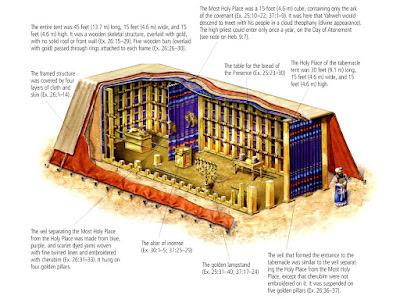
- The Tabernacle had different sections, including the Holy Place and the Most Holy Place.
- It contained sacred objects like the Ark of the Covenant and the altar.
Purpose And Significance
The Tabernacle was built to show God’s presence with the Israelites. It was a place where they could offer sacrifices and worship.
| Purpose | Significance |
| Meeting place for God and people | Symbol of God’s guidance and protection |
| Center of worship and sacrifice | Helped Israelites maintain their faith |
| Portable sanctuary | Allowed worship during travels |
What Is The Tent Of Meeting?
The Tent of Meeting was a special place in the Old Testament. It served as a spot where God met with Moses and the Israelites. This tent was important for communication between God and His people.
It is often linked to the Tabernacle, but they are not exactly the same. The Tent of Meeting had a unique role and location, which we will explore below.
Location And Function
The Tent of Meeting was set up outside the Israelite camp. It was near where Moses stayed, making it easy for him to go in and out. This tent was a sacred space for worship and communication.
- Placed at the edge of the camp
- Accessible only to Moses and priests
- Used for God’s direct communication
- Served as a place for instructions to the people
Role In Worship
The Tent of Meeting played a key role in Israelite worship. It was the place for sacrifices, prayers, and rituals. It helped the people connect with God in a physical way.
| Worship Activity | Purpose |
| Burning incense | Symbolized prayers rising to God |
| Offering sacrifices | Atoned for sins of the people |
| Receiving commandments | Guided Israel’s laws and behavior |
| Consulting God | Obtained guidance and decisions |
Comparing The Tabernacle And Tent Of Meeting
The Tabernacle and the Tent of Meeting are important places in the Bible. Both served as places where God met with His people. Many wonder if they are the same or different.
This article looks at the main differences and similarities between the Tabernacle and the Tent of Meeting. Understanding these helps us learn more about their roles.
Structural Differences
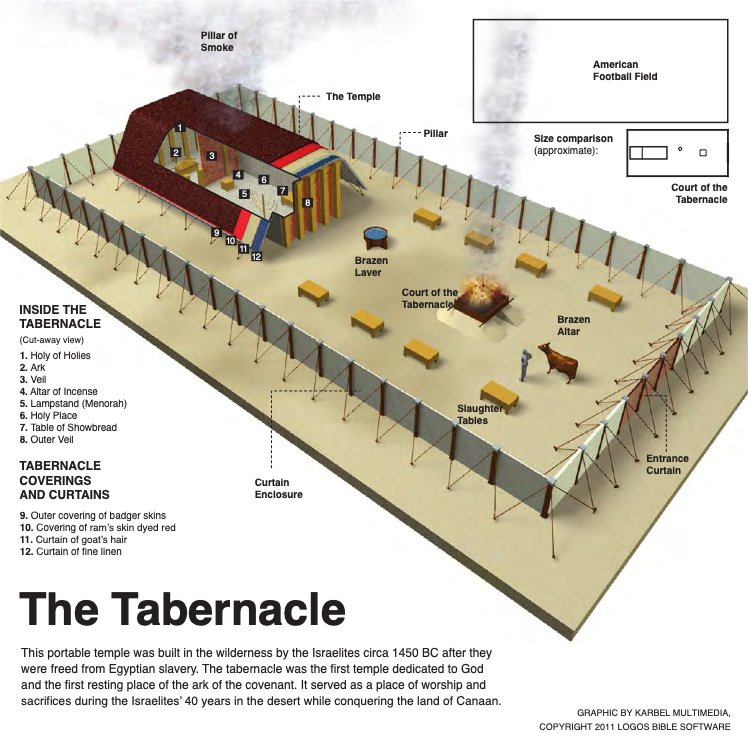
The Tabernacle was a large, fixed structure with many parts. It had outer courts, an inner sanctuary, and the Holy of Holies. It was built with wood, curtains, and covered with animal skins.
The Tent of Meeting was simpler. It was a tent where Moses met God and spoke with Him. It could be moved as the people traveled in the desert.
- The Tabernacle was more complex and permanent.
- The Tent of Meeting was smaller and portable.
- Both had a sacred space for God’s presence.
Terminology In Scripture
The Bible uses the terms Tabernacle and Tent of Meeting in different ways. Sometimes they seem to mean the same place. Other times, the Tent of Meeting refers to a smaller tent used by Moses.
The Tabernacle is often called the “Tent of Meeting” because it was where God met with the Israelites. The term “Tent of Meeting” shows the tent’s purpose, not just its structure.
- Tabernacle: The main sanctuary for worship and sacrifice.
- Tent of Meeting: The place where Moses met God.
- Both terms highlight God’s presence among His people.

Credit: www.coffeeandabible.com
Historical Context And Usage
The Tabernacle and the Tent of Meeting are important places in the Bible. They both served as sacred spaces for God’s presence. Many people wonder if they are the same thing.
This topic helps us understand how the Israelites worshipped and met with God during their journey. The two terms are related but have different meanings and uses.
Period Of Use
The Tent of Meeting was used first during the time of Moses. It was a portable place for God to meet with Moses and the Israelites.
The Tabernacle was built later and served as a more permanent sanctuary. It was used until the Temple was built in Jerusalem.
- The Tent of Meeting was used during the Exodus journey.
- The Tabernacle was used in the wilderness and early Israelite settlement.
- The Tabernacle was replaced by Solomon’s Temple around 950 BCE.
Key Events Associated
The Tent of Meeting was where Moses spoke directly with God. It was a place of guidance and instruction.
The Tabernacle housed the Ark of the Covenant. It was the center of Israelite worship and sacrifice.
- Moses received the Ten Commandments near the Tent of Meeting.
- The Tabernacle was set up at Mount Sinai as commanded by God.
- The Ark of the Covenant was carried in the Tabernacle during battles.
- The Tabernacle was the main worship site before the Temple.
Symbolism And Theological Meaning
The Tabernacle and the Tent of Meeting are often seen as the same place where God met with His people. Both hold deep meaning in the Bible. They show how God lives among His people and guides them.
This article explores the symbolism behind these sacred places. It also explains their role in worship and faith.
Divine Presence
The Tabernacle and the Tent of Meeting symbolize God’s presence with the Israelites. They were places where God chose to dwell on earth. This shows God’s desire to be close to His people.
- The Holy of Holies inside the Tabernacle represented God’s throne on earth.
- The Ark of the Covenant held God’s law and showed His covenant with Israel.
- Only the high priest could enter the Holy of Holies, symbolizing the need for holiness to meet God.
- The cloud above the Tabernacle showed God’s guidance and protection.
Connection To Later Worship
The Tabernacle set the pattern for later worship in the Temple and Christian faith. It shaped how people understood God’s presence and worship.
| Aspect | Tabernacle/Tent of Meeting | Later Worship |
|---|---|---|
| Place of God’s Presence | Portable tent where God met Israel | Temple and churches as meeting places |
| Priestly Role | High priest entered Holy of Holies | Priests and pastors lead worship |
| Worship Practices | Sacrifices and offerings for atonement | Communion and prayer as spiritual offerings |
| Symbolism | God’s covenant and holiness | Salvation through Jesus and grace |
Common Misconceptions
Many people think the Tabernacle and the Tent of Meeting are the same thing. This causes confusion in understanding biblical texts.
Both terms appear in the Bible but have different meanings and uses. It is important to know how they differ.
Clarifying Confusions
The Tabernacle is a large, permanent structure for worship. It includes an outer courtyard and inner rooms.
The Tent of Meeting is often a smaller, movable tent where Moses met with God. It served as a place for communication.
- The Tabernacle housed the Ark of the Covenant.
- The Tent of Meeting was a meeting place for Moses and God.
- The Tabernacle was used by all Israelites for worship.
- The Tent of Meeting was primarily for Moses’ use.
Scholarly Perspectives
Scholars say the Tabernacle and the Tent of Meeting have overlapping but distinct roles. They are related but not identical.
Some scholars believe the Tent of Meeting was an early form of the Tabernacle. Others see it as a separate, simpler place for worship.
- Tabernacle: Complex, detailed, fixed worship space.
- Tent of Meeting: Simple, movable, personal meeting place.
- Both represent God’s presence with the people.
- Differences reflect changes in Israelite worship over time.
Legacy In Modern Faith
The Tabernacle and the Tent of Meeting are often seen as sacred places in ancient texts. Both played roles in how people connected with God. Their legacy still influences faith today.
Understanding their impact helps us see how modern worship and culture grew from these early symbols.
Influence On Religious Practice
The Tabernacle and Tent of Meeting shaped many religious traditions. They set rules for worship and gatherings. Many churches still use ideas from these places.
- They inspired the design of modern places of worship.
- Rituals and ceremonies today reflect their structure.
- They teach about holiness and community in faith.
- Clergy roles trace back to duties done in these tents.
Cultural Impact
Beyond religion, the Tabernacle and Tent of Meeting influenced art, music, and storytelling. They appear in many cultural works and traditions.
| Area | Impact |
| Art | Depictions in paintings and sculptures |
| Music | Songs inspired by sacred stories |
| Literature | Stories and poems about ancient worship |
| Community | Shared rituals promoting unity |

Credit: www.thehouseofdavid.org
Credit: www.refreshinghope.org
Frequently Asked Questions
What Is The Difference Between The Tabernacle And Tent Of Meeting?
The Tabernacle is the entire portable sanctuary used by Israel. The Tent of Meeting is the specific area within the Tabernacle where God met Moses. They are related but not exactly the same.
Are The Tabernacle And Tent Of Meeting The Same In The Bible?
Biblically, the Tent of Meeting is part of the Tabernacle. The Tabernacle includes all structures, while the Tent of Meeting refers to the inner place of divine encounter.
Why Is The Tent Of Meeting Important In The Tabernacle?
The Tent of Meeting is where God communicated with Moses. It served as the central place of worship and divine guidance inside the Tabernacle.
Did The Tabernacle Replace The Tent Of Meeting?
No, the Tabernacle did not replace the Tent of Meeting. Instead, the Tent of Meeting was housed within the Tabernacle as a key section.
Conclusion
Understanding the Tabernacle and the Tent of Meeting is vital. Both play important roles in religious history. Yet, they are not the same. The Tabernacle is a sacred space. The Tent of Meeting is for divine communication. Knowing their differences helps in religious studies.
It enriches historical and cultural insights. This knowledge deepens one’s appreciation for religious traditions. It also enhances understanding of biblical narratives. Keep exploring to learn more about these fascinating structures. They hold significant meaning in history and spirituality. Knowledge of them broadens one’s perspective.