Are you ready to catch more bass and make every cast count? Setting your fishing line the right way is the secret that many anglers overlook.
If your line isn’t set properly, you could miss out on the fight of a lifetime. In this guide, you’ll learn simple, proven steps to get your fishing line just right, so you can reel in bigger bass with confidence.
Keep reading, and you’ll discover easy tips that will transform your bass fishing experience from frustrating to thrilling.

Credit: www.youtube.com
Choosing The Right Fishing Line
Choosing the right fishing line is important for catching bass. The right line helps you cast better and catch more fish.
There are different types of lines. Each type has its own strengths and uses. Learn about them to pick the best one.
Monofilament Vs. Braided Vs. Fluorocarbon
Monofilament line is soft and stretches well. It is easy to handle and good for beginners.
Braided line is very strong and thin. It has little stretch and works well in thick cover.
Fluorocarbon line is nearly invisible underwater. It sinks fast and resists abrasion.
- Monofilament:Stretchy, easy to knot, floats on water
- Braided:Strong, thin, low stretch, good for heavy cover
- Fluorocarbon:Invisible, sinks, abrasion resistant
Line Strength And Test Weight
Line strength shows how much weight the line can hold before breaking. It is measured in pounds.
For bass fishing, pick line strength based on the size of fish and fishing style. Stronger lines help with big fish.
- Light line (4-8 lbs): Good for small bass and clear water
- Medium line (8-12 lbs): Best for average bass fishing
- Heavy line (12-20 lbs): Needed for big bass or thick cover
Line Visibility And Water Conditions
Clear water needs a less visible line to avoid spooking fish. Fluorocarbon works well here.
In murky or stained water, brighter or thicker lines help you see the line. Braided lines are good in these conditions.
- Clear water: Use low-visibility lines like fluorocarbon
- Murky water: Use braided lines for visibility and strength
- Heavy cover: Use strong braided or monofilament lines
Preparing Your Line For Bass Fishing
Preparing your fishing line correctly is important for a good bass fishing experience. It helps you cast better and catch more fish.
Taking time to set your line right keeps your gear working well and avoids problems on the water.
Spooling The Reel Correctly
Spooling your reel properly lets the line come off smoothly during casts. Start by attaching the line to the reel spool tightly.
Keep the line tight and even as you fill the spool. Avoid overfilling to stop tangles and line twists.
- Attach the line firmly to the spool
- Keep tension on the line while spooling
- Fill the spool to about 1/8 inch from the edge
- Check that the line feeds off the spool smoothly
Checking For Line Damage
Before fishing, check your line for any cuts or weak spots. Damaged line can break easily and cause lost fish.
Run your fingers slowly along the line and look for frays, nicks, or rough areas. Replace the line if you find damage.
- Look for visible cuts or abrasions
- Feel for rough or weak spots
- Check for old knots that may weaken the line
- Replace the line if it shows any damage
Adjusting Line Tension
Setting the right line tension helps you control the bass better. Too loose or too tight tension affects casting and hook setting.
Adjust the drag on your reel so the line pulls smoothly but resists heavy fish. Test the tension by pulling the line manually.
- Turn drag knob to increase or decrease tension
- Test by pulling line with your hand
- Set tension so line pulls out with firm pressure
- Adjust as needed based on fish size and conditions
Setting Line Length And Depth
Setting the right fishing line length and depth is key for catching bass. It helps your lure reach the right spot where bass stay.
Understanding how far to cast and how deep to fish improves your chances to catch more bass. Let’s look at some tips.
Estimating Casting Distance
Estimating casting distance helps you know how much line to use. It depends on your gear and the place you fish.
Try to cast a few times to see how far your lure goes. Measure the distance or use landmarks to judge it better.
- Practice casting in open areas
- Note how far your lure lands
- Use markers like trees or rocks for distance
- Adjust your line length based on your cast reach
Matching Line Length To Rod Size
Your fishing line length should match your rod size. A rod too short or too long needs different line lengths.
Generally, longer rods use longer line. This helps with casting and controlling your lure in the water.
| Rod Length | Recommended Line Length |
|---|---|
| 6 feet or less | 100 to 150 yards |
| 6 to 7 feet | 150 to 200 yards |
| 7 feet or more | 200+ yards |
Adjusting For Bass Habitats
Bass live in different water depths and cover types. Adjust your line depth to reach where bass hide.
Shallow water needs shorter line and lighter weights. Deep or weedy areas require longer line and heavier weights.
- Use shorter line for shallow bays and shorelines
- Use longer line to reach deep water or drop-offs
- In weeds, use heavier weights to sink your lure
- Adjust line length to avoid snags and reach bass easily
Knots For Bass Fishing
Tying the right knot is key for successful bass fishing. A good knot keeps your line strong and your lure secure.
Below are three common knots that work well for bass. Learn how to tie each one to improve your fishing line setup.
Improved Clinch Knot
The Improved Clinch Knot is popular for attaching the line to the hook or lure. It holds tight and is easy to tie.
- Thread the line through the eye of the hook.
- Wrap the tag end around the main line 5-7 times.
- Pass the tag end through the small loop near the eye.
- Then pass it back through the big loop you just made.
- Moisten the knot and pull both ends to tighten.
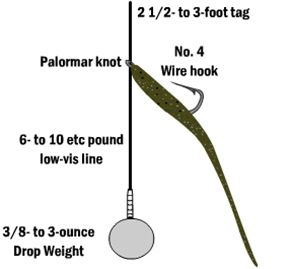
Palomar Knot
The Palomar Knot is strong and simple. It works well with braided and monofilament lines for bass fishing.
- Double about six inches of line and pass it through the hook eye.
- Tie a loose overhand knot with the doubled line.
- Pass the hook through the loop of the overhand knot.
- Pull the loop over the hook and tighten the knot.
- Trim the tag end close to the knot.
Loop Knot For Lures
A loop knot allows your lure to move freely. This makes the lure’s action more natural in the water.
| Step | Action |
|---|---|
| 1 | Make an overhand knot about 10 inches from the line end. |
| 2 | Pass the tag end through the lure eye. |
| 3 | Pass the tag end through the overhand knot loop. |
| 4 | Wrap the tag end around the standing line 4-5 times. |
| 5 | Pass the tag end back through the overhand knot loop. |
| 6 | Moisten and pull tight to finish the knot. |
Casting Techniques For Better Accuracy
Accurate casting helps you catch more bass. It places your lure where bass are hiding.
Using the right casting technique improves control and distance. Practice each style to find what works best.
Overhead Cast
The overhead cast is the most common style for bass fishing. It offers good distance and accuracy.
Hold the rod with your dominant hand. Pull the rod back over your shoulder, then flick it forward smoothly.
- Keep your elbow high
- Use a smooth, controlled motion
- Release the line at the right moment
- Aim for a clear spot to avoid snags
Sidearm Cast
The sidearm cast is good for casting under trees or close to cover. It keeps the line low to avoid obstacles.
Hold the rod at waist level. Swing the rod sideways and release the line when the rod is pointing toward the target.
- Keep your wrist firm but flexible
- Use a short, quick motion
- Practice controlling the line height
- Best for tight spots and precise casts
Pitching And Flipping
Pitching and flipping are slow, close-range casts. They help place the bait quietly near cover.
Use your thumb to release the line. Swing the rod gently and let the bait drop softly into the water.
- Keep the bait close to your body
- Control the line with your thumb
- Use short, gentle movements
- Ideal for fishing near docks and vegetation

Credit: fishingbooker.com
Maintaining Your Fishing Line
Keeping your fishing line in good shape helps you catch more bass. Proper care stops the line from breaking or tangling.
Simple maintenance steps after each fishing trip can extend the life of your line and improve your fishing experience.
Cleaning And Drying After Use
Salt, dirt, and water can damage your line if not cleaned. Rinse the line with fresh water after fishing, especially in saltwater.
- Use a soft cloth or sponge to wipe the line gently.
- Allow the line to air dry in a shaded area to avoid sun damage.
- Do not store the line while it is still wet.
Replacing Old Line
Old lines lose strength and can snap easily. Replace your fishing line if you see cracks, frays, or discoloration.
- Check your line before every fishing trip.
- Remove the old line completely from the reel.
- Spool new line tightly but without stretching it.
- Cut the line cleanly to avoid loose ends.
Storage Tips
Proper storage keeps your line ready for the next fishing trip. Avoid heat and direct sunlight which weaken the line.
| Storage Condition | Why It Matters |
| Cool and dry place | Prevents line from weakening and mold growth |
| Away from sunlight | Protects line from UV damage |
| Loosely coiled | Stops line from kinking or tangling |
Credit: mysterytacklebox.com
Frequently Asked Questions
What Is The Best Fishing Line For Bass Fishing?
The best fishing line for bass is usually monofilament or fluorocarbon. Monofilament offers stretch and buoyancy. Fluorocarbon is less visible and more abrasion-resistant. Choose based on water clarity and fishing conditions for optimal results.
How To Properly Set Fishing Line Tension For Bass?
Set fishing line tension tight enough to detect bites but loose enough to prevent breakage. Adjust tension based on lure weight and water conditions. Proper tension improves hook setting and increases catch rates.
When Should I Replace My Bass Fishing Line?
Replace bass fishing line after 3-5 fishing trips or if you notice fraying or damage. Regular replacement ensures strength and prevents line breakage during a catch. Always inspect your line before each trip.
How To Choose The Right Line Strength For Bass Fishing?
Select line strength between 8-15 lbs for bass fishing. Lighter lines offer better sensitivity, while heavier lines provide more durability. Match line strength to bass size and fishing environment for best performance.
Conclusion
Setting a fishing line for bass doesn’t have to be hard. Choose the right line and hook for your needs. Keep your rod and reel in top shape. Practice tying strong knots. Understand bass behavior for better results. Pay attention to weather and water conditions.
Patience and practice are key. With these steps, your fishing skills will improve. Enjoy the peaceful moments by the water. Catching bass can become a rewarding hobby. Remember, each fishing trip offers a chance to learn. Happy fishing!