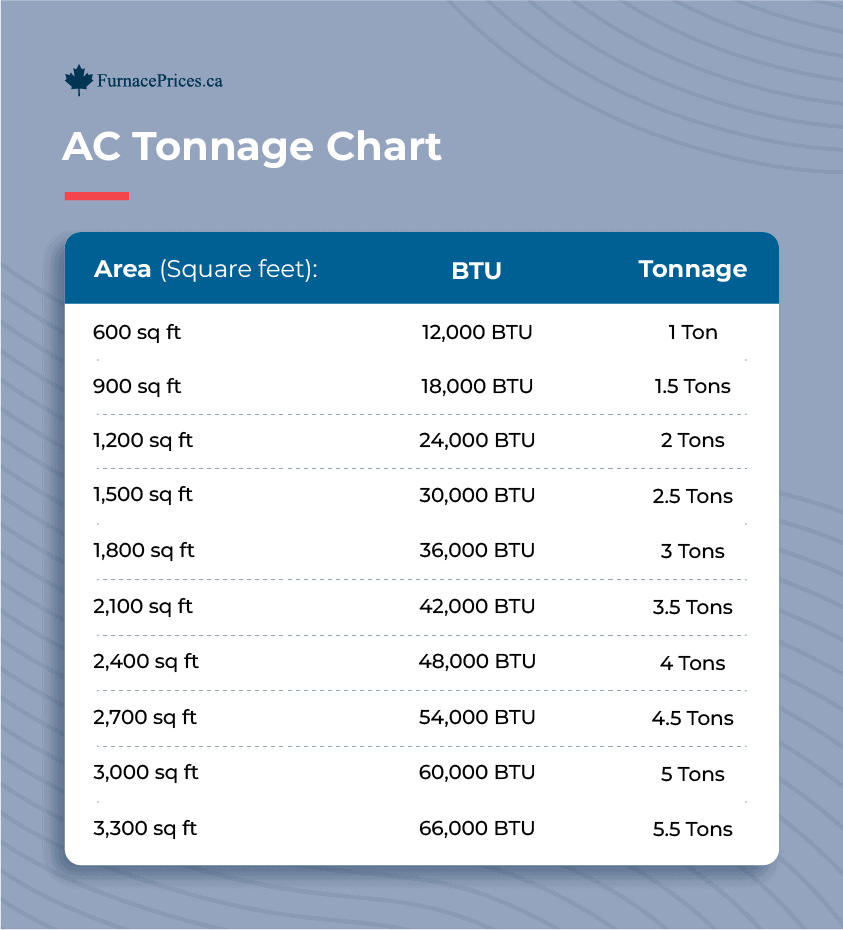
Are you wondering, “What size ton air conditioner do I need?” Choosing the right AC size is more important than you might think.
Too small, and your space won’t cool properly. Too big, and you’ll waste money and energy. Getting it just right means you stay comfortable without breaking the bank. You’ll discover simple tips to find the perfect air conditioner size for your home or office.
Keep reading to make a smart choice that keeps you cool all year long.
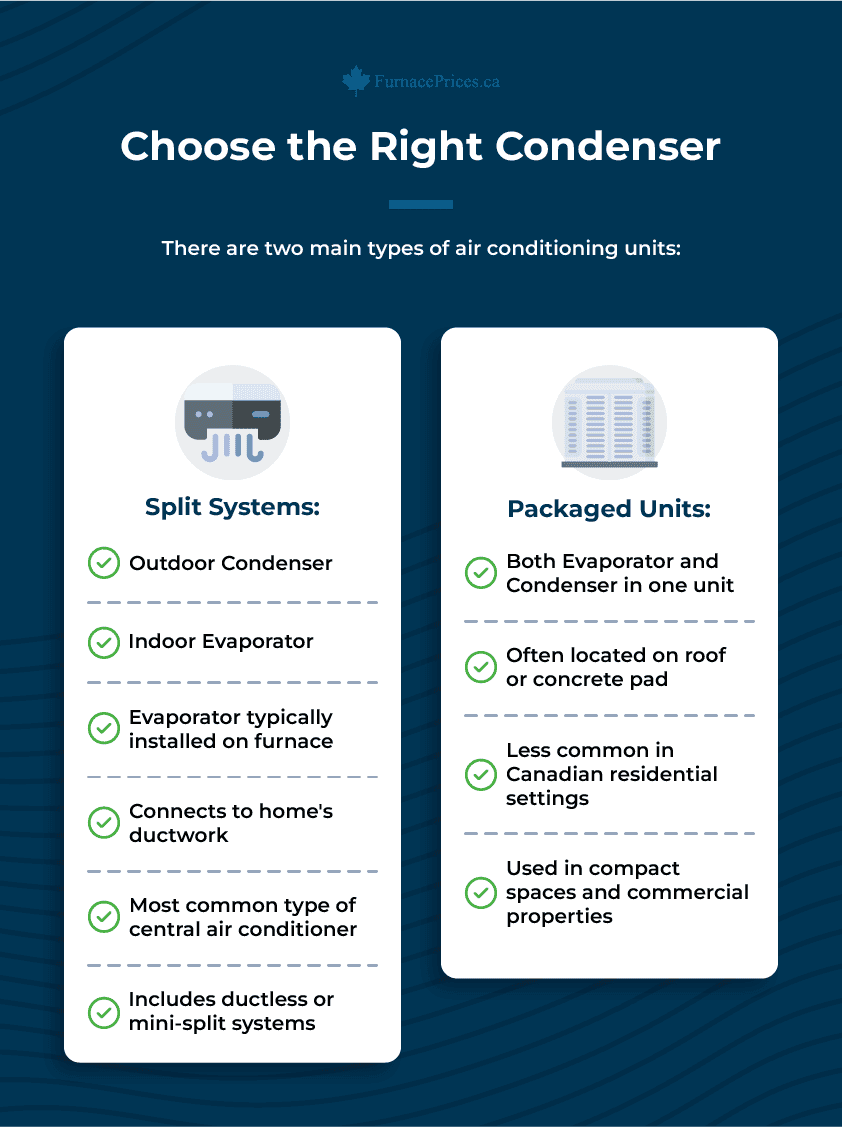
Credit: www.furnaceprices.ca
Cooling Capacity Basics
Choosing the right size air conditioner is important for comfort. The cooling capacity shows how much heat the unit can remove.
Understanding cooling capacity helps you pick an air conditioner that cools well without wasting energy.
What A Ton Means
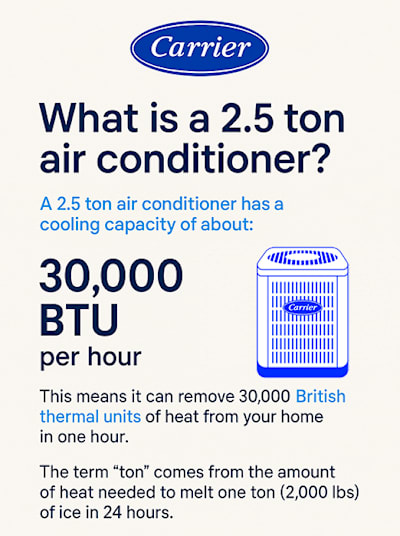
A “ton” in air conditioning means the amount of heat the unit removes. It is not the weight of the air conditioner.
One ton equals the cooling power to melt one ton of ice in 24 hours. This helps measure how much heat the unit can remove.
Btus And Cooling Power
BTU stands for British Thermal Unit. It measures the amount of heat the air conditioner can remove in one hour.
More BTUs mean more cooling power. The size of the room affects how many BTUs you need.
- Small rooms need about 5,000 to 6,000 BTUs
- Medium rooms need 8,000 to 12,000 BTUs
- Larger rooms need 14,000 BTUs or more
Factors Affecting Ac Size
Choosing the right size air conditioner is important for comfort and energy use. The size depends on many factors.
These factors help determine how much cooling power your AC needs to keep your room comfortable.
Room Size And Layout
The bigger the room, the more cooling power you need. A large open space needs more cooling than a small room.
Room shape and doors or windows also affect how the cool air moves. This changes how well the AC cools the space.
- Large rooms need bigger AC units
- Open layouts cool faster than closed rooms
- Rooms with many doors or windows lose cool air faster
Ceiling Height Impact
Tall ceilings mean more air volume to cool. This requires a larger AC size to keep the room cool.
Standard ceiling height is usually 8 feet. If your ceilings are higher, you may need a stronger air conditioner.
- 8 feet ceiling needs standard cooling
- Higher than 8 feet needs extra cooling power
- Very high ceilings may require special AC units
Sunlight And Insulation
Rooms with many windows or direct sunlight get hotter. This means the AC must work harder.
Good insulation helps keep the cool air inside. Poor insulation increases the cooling load.
- Lots of sunlight needs bigger AC
- Shaded rooms need less cooling
- Good insulation reduces AC size needs
Occupants And Appliances
More people in a room create extra heat. Appliances like computers and ovens add heat too.
This extra heat means you need a bigger AC to keep the room comfortable for everyone.
- Each person adds heat to the room
- Heat from appliances increases cooling needs
- Rooms with many people or devices need larger AC units
Calculating Your Ac Size
Choosing the right size air conditioner is important. It keeps your room cool and saves energy.
Too small AC will not cool well. Too large AC wastes money and uses more power.
Simple Room Measurement
Measure the length and width of the room in feet. Multiply these numbers to get square feet.
This number helps you know how much cooling power you need. Bigger rooms need bigger AC units.
- Measure room length (ft)
- Measure room width (ft)
- Multiply length x width = square feet
Using Btu Calculators
BTU means British Thermal Unit. It shows how much heat an AC can remove per hour.
Use online BTU calculators to find the right size. Enter your room size and other details.
- Input room square feet
- Add number of windows and doors
- Include number of people usually inside
- Get recommended BTU for your room
Adjusting For Climate
Your local weather affects how strong your AC should be. Hotter places need more cooling power.
In warm climates, add 10-20% more BTU to your calculation. Cooler climates need less extra power.
- Warm climate: increase BTU by 10-20%
- Cool climate: no extra BTU needed
- Humid areas: consider higher BTU for comfort
Common Ac Sizes Explained
Choosing the right air conditioner size is important for comfort and energy use. An AC too small won’t cool well. One too big wastes energy.
AC sizes are measured in BTUs, which show how much heat the unit can remove. Different room sizes need different BTUs.
Small Rooms And Apartments
Small rooms need smaller AC units to cool efficiently. These spaces include bedrooms, small offices, or studio apartments.
Usually, ACs with 5,000 to 8,000 BTUs work well for these rooms. They cool spaces up to 350 square feet.
- 5,000 BTU: Ideal for rooms up to 150 sq. ft.
- 6,000 BTU: Suitable for 150–250 sq. ft. rooms
- 8,000 BTU: Best for 250–350 sq. ft. rooms
Medium-sized Rooms
Medium rooms like living rooms or larger bedrooms need stronger AC units. These cover areas between 350 and 550 square feet.
ACs with 9,000 to 12,000 BTUs are good choices here. They cool spaces well without wasting energy.
- 9,000 BTU: Fits rooms of 350–400 sq. ft.
- 10,000 BTU: Works for 400–450 sq. ft. spaces
- 12,000 BTU: Suitable for 450–550 sq. ft. rooms
Large Spaces And Open Areas
Large rooms and open areas need powerful ACs. These include big living rooms, open floor plans, or large offices.
AC units with 14,000 to 24,000 BTUs work best here. They can cool areas from 550 up to 1,500 square feet.
- 14,000 BTU: Good for 550–700 sq. ft.
- 18,000 BTU: Covers 700–1,000 sq. ft.
- 24,000 BTU: Fits 1,000–1,500 sq. ft. spaces
Risks Of Wrong Ac Size
Choosing the right size air conditioner is very important. A wrong size can cause many problems in your home.
Both too small and too large AC units have risks. They affect comfort and energy costs.
Too Small: Inefficient Cooling
An AC that is too small cannot cool your space well. It runs longer and works harder.
This causes higher electricity bills and uneven temperatures in the room.
- Longer running time increases energy use
- Rooms may stay hot and uncomfortable
- AC parts wear out faster due to overwork
Too Large: High Costs And Humidity
An AC that is too large cools quickly but shuts off too soon. This wastes energy and money.
It also does not remove enough humidity. This leaves the air feeling damp and sticky.
- Short cooling cycles raise electricity bills
- Poor humidity control causes discomfort
- Frequent on/off cycles shorten AC lifespan
Credit: www.carrier.com
Energy Efficiency Tips
Choosing the right size ton air conditioner helps save energy and money. Energy efficiency makes your home comfortable and lowers bills.
Use simple tips to improve your air conditioner’s performance and reduce waste.
Choosing Energy Star Models
Energy Star models use less power while cooling well. They meet strict efficiency guidelines set by the government.
- Look for the Energy Star label on the unit.
- Check the SEER rating; higher numbers mean better efficiency.
- Choose a size that matches your room space to avoid overuse.
- Energy Star units often have better warranties and features.
Regular Maintenance
Keep your air conditioner clean and checked to keep it running efficiently. Dirty parts make it work harder and waste energy.
| Maintenance Task | Frequency |
| Clean or replace air filters | Every 1-3 months |
| Check refrigerant levels | Yearly |
| Inspect and clean coils | Yearly |
| Clear debris around unit | Monthly |
Smart Thermostat Use
Smart thermostats control your air conditioner to save energy. They adjust temperature based on your routine.
Benefits of using a smart thermostat:
- Set different temperatures for day and night.
- Control your AC remotely with a phone app.
- Track your energy use to find savings.
- Automatically reduce cooling when no one is home.
Professional Help And Tools
Choosing the right size ton air conditioner is important for comfort and efficiency. It is not always easy to decide on your own. Professional help can guide you to the best choice.
Experts use special tools and calculations to find the perfect fit for your space. These tools help avoid problems like high energy bills or poor cooling.
When To Consult Experts
Call a professional if your home has unusual features. This includes many windows, high ceilings, or poor insulation. They check your space carefully and suggest the right air conditioner size.
- Large or oddly shaped rooms
- Multiple floors in the house
- Sunlight exposure and shading
- Existing heating and cooling systems
- Special needs like allergies or pets
Using Load Calculation Software
Load calculation software helps find the cooling needs of your space. It uses data about your home and climate. This makes the sizing process accurate and fast.
| Input Data | Purpose |
| Room size (square feet) | Calculate cooling area |
| Number of windows | Estimate heat gain |
| Insulation quality | Adjust cooling load |
| Local climate data | Consider external temperature |
| Appliance heat output | Account for added heat sources |

Credit: www.bryant.com
Frequently Asked Questions
What Size Ac Unit Do I Need For 1000 Sq Ft?
For 1000 sq ft, a 2. 5 to 3 ton air conditioner is ideal. This size efficiently cools the space without wasting energy.
How To Calculate The Tonnage For My Home Ac?
Measure your home’s square footage and divide by 400. This gives a rough estimate of the tonnage needed for proper cooling.
Can An Oversized Ac Harm My Electricity Bill?
Yes, oversized AC units cycle frequently, wasting energy. This leads to higher electricity bills and inconsistent cooling.
What Factors Affect The Ac Tonnage Needed?
Room size, ceiling height, insulation, and sunlight exposure affect AC tonnage. Consider these for accurate sizing and efficient cooling.
Conclusion
Choosing the right air conditioner size is important. It ensures comfort and efficiency. Always consider the size of your space. Larger rooms need bigger units. Smaller spaces require less. Check insulation and sunlight exposure too. These factors affect cooling needs.
Consulting a professional helps make the best choice. They offer expert advice. Remember, a correctly sized unit saves money. It also provides better cooling. Don’t guess on size. Use accurate measurements and expert guidance. Enjoy a cool and comfortable home all summer.