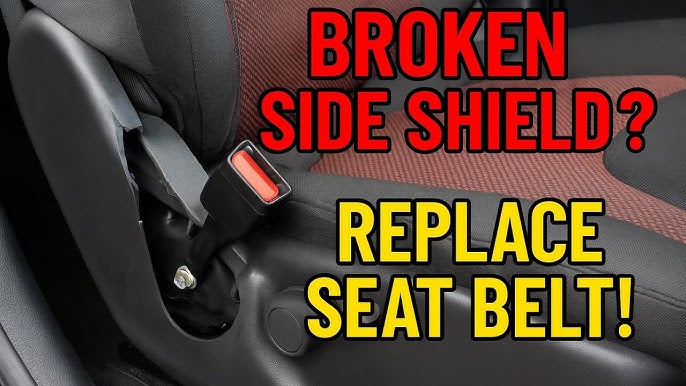
Your car’s seat belt is one of the most important safety features, but what happens when it stops working properly? A seat belt that won’t retract, latch, or stay locked can be frustrating and dangerous.
You don’t have to rush to the mechanic or buy a new one just yet. You’ll learn simple, step-by-step ways to fix your car’s seat belt yourself. By the end, you’ll feel confident handling this issue and keeping your drive safe.
Keep reading—your safety depends on it.
Common Seat Belt Issues
Seat belts are key for safety in cars. They need to work right every time.
Sometimes seat belts stop working well. Fixing them early keeps you safe.
Retractor Problems
The retractor pulls the seat belt back after use. If it sticks or does not pull smoothly, it can cause problems.
- Check if the belt rolls back slowly or not at all.
- Look for dirt or objects blocking the retractor.
- Test the locking mechanism by pulling the belt fast.
- If the belt jams or won’t lock, the retractor may need repair or replacement.
Latch And Buckle Faults
The latch and buckle hold the seat belt locked. Faults here make the belt unsafe.
| Problem | Signs | Fix |
| Buckle won’t click | No locking sound | Clean inside buckle, check for debris |
| Buckle won’t release | Hard to press button | Lubricate button, replace if stuck |
| Latch is loose | Belt slips out easily | Replace latch or buckle unit |
Webbing Damage
The webbing is the fabric strap of the seat belt. Damage here lowers safety.
Look for these signs of webbing damage:
- Fraying or torn edges
- Burn marks or cuts
- Stiff or hardened spots
- Faded or discolored fabric
If you find damage, do not use the belt. Replace it right away.
Tools You’ll Need
Fixing a car seat belt requires some specific tools. Having the right tools makes the job easier and safer.
This guide will cover the basic hand tools, replacement parts, and safety gear you need.
Basic Hand Tools
You need simple hand tools to remove and install seat belt parts. These tools help you work on screws, bolts, and clips.
- Screwdrivers (both flathead and Phillips)
- Socket wrench set with various sizes
- Pliers for gripping and pulling clips
- Torx drivers, if your car uses Torx screws
- Trim removal tool to avoid damage to panels
Replacement Parts
Some seat belt parts may need to be replaced to fix the issue. Check the parts carefully before starting.
- Seat belt webbing or strap if it is frayed or torn
- Buckles and latches that do not lock properly
- Retractor mechanism if the belt does not rewind
- Mounting bolts and screws, if damaged or rusty
Safety Gear
Wear safety gear to protect yourself while fixing the seat belt. Safety is very important.
- Safety gloves to protect your hands from sharp edges
- Safety glasses to guard your eyes from dust and debris
- Protective clothing to avoid scratches and dirt
- Work light to see clearly in tight spaces
Inspecting The Seat Belt
Inspecting your car’s seat belt ensures it works safely. Regular checks can spot problems early.
Look closely at all parts of the seat belt. This helps keep you protected during a crash.
Checking The Webbing
Check the seat belt webbing for cuts, frays, or stains. The fabric must be strong and clean.
- Look for tears or worn spots on the belt.
- Make sure there are no sticky substances or dirt.
- Check if the color is fading or uneven.
- Ensure the webbing is not twisted or folded.
Testing The Retractor
The retractor pulls the belt back smoothly. It must lock during sudden pulls.
| Action | Expected Result |
| Pull belt slowly | Belt extends smoothly |
| Let go | Belt retracts fully |
| Pull belt quickly | Retractor locks the belt |
Examining The Buckle
Check the buckle for damage and proper locking. It should click and hold firmly.
- Press the release button to open easily.
- Insert the tongue and listen for a clear click.
- Wiggle the buckle to check for looseness.
- Clean inside the buckle if dirt blocks the latch.
Fixing Retractor Issues
The seat belt retractor helps the belt move smoothly and lock in place during a crash. Sometimes, the retractor can get stuck or stop working well. Fixing these issues can make your seat belt safe again.
This guide explains how to clean, lubricate, and replace the seat belt retractor if needed. Follow these steps carefully to fix common problems.
Cleaning The Mechanism
Dirt and dust can block the retractor. Cleaning it helps the belt move freely. Use a soft brush or compressed air to remove dirt.
Remove the retractor cover if possible. Clean inside gently and wipe any sticky spots. Avoid using water or harsh chemicals.
- Use a soft brush to clean dust
- Blow compressed air to remove dirt
- Wipe sticky parts with a dry cloth
- Do not soak the mechanism in water
Lubricating Moving Parts
Lubrication helps the retractor work smoothly. Use a silicone-based spray or light machine oil. Avoid thick grease, which can attract dirt.
Apply lubricant to the moving parts carefully. Move the belt back and forth to spread it evenly. Wipe off extra oil to prevent buildup.
- Choose silicone spray or light oil
- Spray or apply oil to moving parts
- Work the belt to spread lubricant
- Remove excess oil with a cloth
Replacing The Retractor
If cleaning and lubrication do not fix the problem, replace the retractor. Buy a new part that matches your car model. Safety is very important.
Remove the old retractor by unscrewing it from the car frame. Install the new one by following the reverse steps. Test the seat belt to make sure it works well.
- Get a retractor for your car model
- Remove screws holding the old retractor
- Install the new retractor securely
- Check the belt locks and retracts smoothly
Repairing Or Replacing The Buckle
The seat belt buckle is a key part of your car’s safety system. If it stops working, fix or replace it quickly. This guide shows how to clean, fix, or install a new buckle.
Follow these simple steps to keep your seat belt buckle reliable and safe for every trip.
Cleaning The Buckle
A dirty buckle can cause it to jam or not latch properly. Clean it regularly to keep it working well.
- Use compressed air to blow out dust and debris inside the buckle.
- Dip a cotton swab in rubbing alcohol to clean the buckle slot.
- Press the buckle release button several times to remove dirt.
- Let the buckle dry before testing it again.
Fixing Release Problems
If the release button is stuck or slow, it may need minor repairs. Some fixes you can try at home include checking for blockages or loosening parts.
| Problem | Cause | Solution |
| Button stuck | Dirt inside | Clean with compressed air and alcohol |
| Button slow | Worn spring | Replace spring or buckle |
| Buckle won’t latch | Broken latch | Replace buckle |
Installing A New Buckle
Replacing the buckle is safe when cleaning and fixing do not work. Follow these steps carefully.
- Turn off the car and disconnect the battery.
- Locate the buckle mounting bolt and remove it with a wrench.
- Take out the old buckle carefully.
- Attach the new buckle in the same place.
- Tighten the bolt securely.
- Reconnect the battery and test the new buckle for proper function.

Credit: www.youtube.com
Dealing With Webbing Damage
The seat belt webbing is the fabric strap that keeps you safe in a car. Damage to this webbing can reduce its strength. It is important to fix or replace damaged webbing quickly.
This guide explains how to handle minor tears and frays. It also covers when to replace the entire webbing for safety.
Minor Tears And Frays
Minor tears and frays are small damages on the seat belt fabric. These can happen from daily use or sharp objects. Small damage may not need full replacement but needs care.
Check the damaged area closely. If the damage is less than an inch, you can use fabric glue or strong thread to fix it. Avoid using tape or weak glue.
- Clean the damaged area with mild soap and water
- Let it dry completely before repair
- Apply fabric glue or sew with strong thread
- Test the belt carefully after repair
Complete Webbing Replacement
Replace the whole seat belt webbing if damage is large or in critical areas. Cuts longer than an inch or heavy fraying reduce safety. Replacement keeps the seat belt strong.
Replacement requires removing the old webbing and installing a new one. Use a seat belt webbing made for your car model. Improper replacement may cause safety risks.
- Remove the seat belt from the retractor and anchor points
- Buy a webbing that fits your car make and model
- Install the new webbing carefully following car manual instructions
- Test the belt for smooth locking and unlocking
- Check all bolts and screws are tight
Testing The Seat Belt After Repair
After fixing a car seat belt, it is important to test it. Testing makes sure the seat belt works properly. It helps keep you safe on the road.
Check the belt’s movement, locking, and strength. If any part does not work well, repair it again before use.
Smooth Retraction And Extension
Pull the seat belt out fully and let it retract back slowly. The belt should move smoothly without sticking or jerking.
If the belt gets stuck or does not retract well, the retractor may need cleaning or replacement.
- Pull the belt all the way out
- Let it retract by itself
- Check for smooth, even movement
- Look for any frays or damage
Secure Buckling And Release
Insert the seat belt tongue into the buckle. It should click and lock firmly. Try pulling the belt to confirm it stays locked.
Press the release button to open the buckle. The belt should release easily without sticking or jamming.
- Insert tongue until you hear a click
- Pull belt to test locking strength
- Press release button to unlock
- Ensure smooth buckle opening
Safety Performance Check
Check the overall condition of the seat belt. Look for tears, frays, or worn spots. These can reduce safety.
Test the locking mechanism by pulling the belt quickly. The belt should lock immediately to stop movement.
- Inspect belt fabric for damage
- Pull belt sharply to test lock
- Confirm belt locks without delay
- Replace belt if any part is weak
When To Consult A Professional
Fixing a car seat belt might seem simple. Yet, some problems need expert help.
This guide shows when to ask a professional to repair your seat belt safely.
Complex Mechanical Failures
Seat belts have many parts. If these parts break or jam, fixing them is hard.
- Retractor does not rewind the belt
- Belt webbing is torn or frayed
- Buckles fail to latch or release
- Locking mechanism sticks or is broken
Try a professional if your seat belt has these issues. They can safely repair or replace parts.
Airbag System Integration
Modern cars link seat belts to airbags. A problem in one can affect the other.
Airbag and seat belt systems share sensors and control units. Repairs need special tools and knowledge.
| Issue | Why a Professional Is Needed |
|---|---|
| Airbag warning light stays on | Requires diagnostic computer and reset |
| Seat belt pretensioner not activating | May need replacement with airbag parts |
| Disconnected sensors | Could cause system failure or safety risks |
Only trained technicians should work on these linked systems to keep safety intact.
Legal And Safety Regulations
Seat belts must meet laws and safety standards. DIY fixes may not comply.
- Seat belts must pass crash tests
- Improper repairs can fail safety inspections
- Faulty belts may cause legal penalties
- Professional repairs ensure warranty coverage
Consult a professional to keep your seat belts legal and safe for use on roads.
Tips To Maintain Seat Belt Longevity
Seat belts keep us safe while driving. Taking care of them helps them last longer.
Here are some simple tips to keep your car’s seat belt working well for years.
Regular Cleaning
Clean your seat belts often to remove dirt and dust. Use mild soap and warm water.
Wipe the belt gently with a soft cloth. Let it dry completely before using it again.
Avoiding Harsh Chemicals
Do not use bleach, strong detergents, or solvents on seat belts. These can weaken the fabric.
Stick to gentle cleaners to protect the belt’s strength and color.
- Use mild soap only
- Avoid bleach and ammonia
- Do not spray harsh cleaners directly on belts
Routine Inspections
Check your seat belts regularly for cuts, frays, or damage. Look at the buckle and retractor too.
If you find any damage, get the seat belt repaired or replaced quickly to stay safe.

Credit: blog.myairbags.com

Credit: www.youtube.com
Frequently Asked Questions
How Do I Fix A Stuck Car Seat Belt?
To fix a stuck seat belt, gently pull it out fully. Check for dirt or debris in the retractor. Clean it with compressed air. If the belt still won’t retract, the retractor might need replacement by a professional.
Why Is My Car Seat Belt Not Retracting?
A seat belt may not retract due to dirt, twisted webbing, or a faulty retractor. Clean the belt and straighten any twists. If the problem persists, the retractor mechanism could be damaged and require repair or replacement.
Can I Repair A Frayed Seat Belt Myself?
Minor frays can be temporarily fixed with strong fabric tape. However, for safety, it’s best to replace a frayed seat belt. Seat belts are critical for protection and should meet safety standards without compromise.
What Tools Are Needed To Fix A Seat Belt?
Common tools include screwdrivers, pliers, and socket wrenches. You might also need replacement parts like a new retractor or buckle. Always refer to your car’s manual for specific instructions and safety precautions.
Conclusion
Fixing a car seat belt is simple with the right steps. Always start by inspecting the belt for visible damage. Clean the belt with mild soap and water to ensure smooth operation. If it doesn’t retract, check for twisted parts or debris.
Lubricate the mechanism gently if needed. Replace the seat belt if repair fails. A functional seat belt is vital for safety. Regular checks prevent potential issues. Follow the steps carefully for a secure ride. Stay safe and enjoy a worry-free drive.
Your car’s seat belt will thank you!