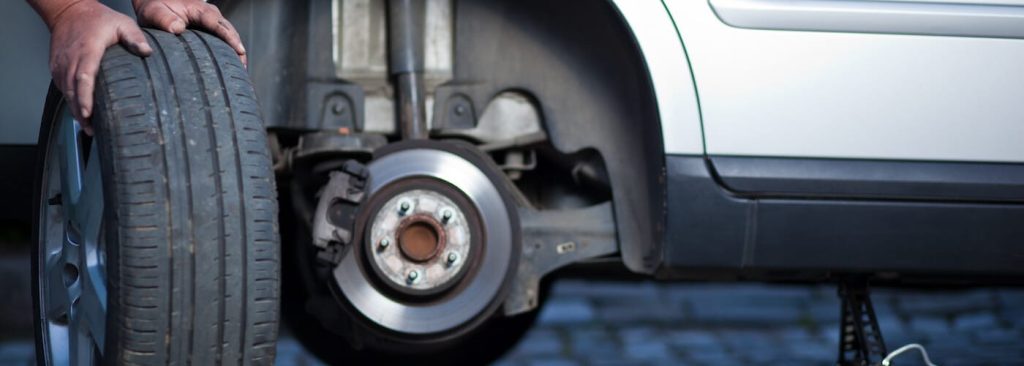
Are you wondering how often you should rotate the tires on your car? Keeping your tires in good shape is one of the easiest ways to stay safe on the road and save money.
But if you don’t rotate them regularly, you could face uneven wear, reduced tire life, and even costly repairs. You’ll discover the simple steps to know exactly when and why tire rotation matters. By the end, you’ll have the clear answer you need to protect your car and your wallet.
Keep reading to find out how to make your tires last longer and drive smoother.
Why Tire Rotation Matters
Tire rotation means moving tires from one position to another. It helps tires wear evenly. This keeps your car safe and running well.
Rotating tires regularly saves money by preventing early tire damage. It also improves how your car drives on the road.
Extend Tire Lifespan
Tires wear differently depending on their position. Front tires often wear faster due to steering and braking. Rotating tires balances the wear.
Even tire wear means you replace tires less often. This helps you get the most value from your tires.
- Rotated tires wear evenly
- Prevents early tire replacement
- Saves money on new tires
Improve Vehicle Performance
Proper tire rotation keeps your car balanced. Balanced tires help your car handle better and drive smoother.
Uneven tires can cause vibrations or pulling to one side. Rotating tires reduces these issues and improves ride comfort.
- Better handling on roads
- Smoother and quieter ride
- Reduces uneven tire wear
Enhance Safety
Rotated tires maintain good traction on all wheels. Good traction improves braking and control, especially in bad weather.
Uneven tires can cause loss of control. Regular rotation helps keep your car stable and safer to drive.
- Better grip on wet or icy roads
- Improved braking performance
- Reduces risk of tire blowouts
Credit: www.bfgoodrichtires.com
Signs You Need A Tire Rotation
Rotating your tires helps them wear evenly. This keeps your car safe and improves tire life. Knowing when to rotate tires is important.
Look for signs that your tires need rotation. These signs can affect your car’s performance and safety.
Uneven Tire Wear
Uneven tire wear happens when some tires wear faster than others. This can cause poor traction and reduce tire life. It is a clear sign you need a tire rotation.
Check your tires for bald spots or different tread depths. Tires on the front or back may wear unevenly due to weight and alignment.
- Tires with uneven tread wear
- Bald spots on one or more tires
- Front tires wearing faster than rear tires
Vibrations While Driving
If you feel vibrations in the steering wheel or seat, your tires may be out of balance or worn unevenly. This often means it’s time to rotate the tires.
Vibrations can make driving uncomfortable and may cause more damage to the tires and suspension over time.
- Shaking steering wheel at certain speeds
- Vibrations felt in the seat or floor
- Uneven tire tread causing imbalance
Handling Issues
When tires wear unevenly, your car may pull to one side or feel unstable. This affects how well you can control the car. It is a sign that tire rotation is needed.
Poor handling can increase the risk of accidents, especially in wet or slippery conditions. Rotating tires helps keep handling smooth and safe.
- Car pulls left or right while driving
- Steering feels loose or unstable
- Difficulty turning or braking smoothly
Recommended Rotation Intervals
Rotating your car tires keeps them wearing evenly. This helps your tires last longer and improves driving safety.
Knowing when to rotate tires depends on several factors. These include your car maker’s advice, mileage, and time.
Manufacturer Guidelines
Car makers often give specific advice on tire rotation. They include this in the owner’s manual. Following these rules is the safest choice.
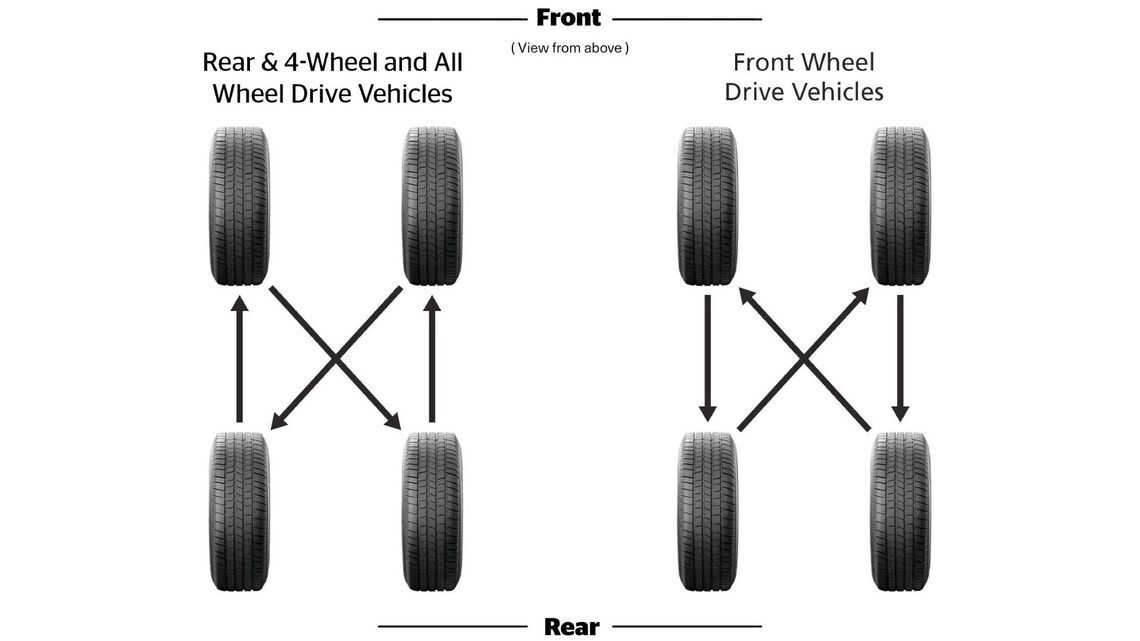
The recommended rotation pattern may vary based on your car’s drive type. Front-wheel, rear-wheel, and all-wheel drives need different patterns.
- Check your car manual for exact intervals.
- Use the rotation pattern suggested by the manufacturer.
- Follow their advice to maintain tire warranty.
Mileage-based Recommendations
Most experts suggest rotating tires every 5,000 to 8,000 miles. This range fits many cars and tire types.
Rotating at these distances helps even out tire wear. It also helps spot other problems early, like alignment or balance issues.
- Rotate tires every 5,000 to 8,000 miles.
- Check tires for wear or damage at each rotation.
- Keep a record of when you rotate tires.
Time-based Recommendations
If you don’t drive much, rotate your tires by time. This prevents uneven wear caused by sitting too long in one position.
A good rule is to rotate tires every six months. This keeps the tires fresh even if you drive less than the mileage recommendation.
- Rotate tires every six months if mileage is low.
- Inspect tires for cracks or flat spots during rotation.
- Consider seasonal weather changes for rotation timing.

Credit: www.worldfordpensacola.com
Different Rotation Patterns
Tire rotation helps your tires wear evenly. This keeps your car safe and extends tire life.
There are several ways to rotate tires. Each pattern works best for certain cars and tires.
Front-to-back
In the front-to-back pattern, front tires move to the rear and rear tires move to the front. The tires stay on the same side of the car.
This pattern suits vehicles with the same size tires on all wheels. It helps balance tire wear between the front and back.
Cross Pattern
The cross pattern swaps tires diagonally. Front tires move to the opposite rear positions, and rear tires move to the opposite front positions.
- Right front moves to left rear
- Left front moves to right rear
- Right rear moves to left front
- Left rear moves to right front
This pattern works well for front-wheel or rear-wheel drive cars. It helps tires wear evenly and improves performance.
Directional Tires
Directional tires have a tread that points one way. They roll best in one direction for good traction and water control.
| Rotation Method | Description |
|---|---|
| Front-to-Back Only | Keep tires on the same side to maintain direction. |
| No Side-to-Side Moves | Do not swap tires left to right. |
| Check Tire Direction | Ensure tires point the correct way after rotation. |
Always follow the tire maker’s instructions for directional tires. Proper rotation keeps tires safe and lasting longer.
Factors Affecting Rotation Frequency
Rotating your car’s tires helps them wear evenly and last longer. The time between rotations depends on many things.
Understanding the factors that affect how often you should rotate your tires can keep your car safe and improve performance.
Driving Habits
Your driving style changes how quickly your tires wear out. Fast starts, hard stops, and sharp turns make tires wear faster on one side.
- Frequent city driving causes more wear than highway driving.
- Hard braking and acceleration increase tire wear.
- Driving at high speeds heats tires and can shorten their life.
Road Conditions
The roads you drive on also affect tire wear. Rough or uneven roads cause faster and uneven wear on tires.
| Road Type | Effect on Tires |
| Smooth asphalt | Even, slow wear |
| Gravel or dirt | Faster, rough wear |
| Potholes and cracks | Damage and uneven wear |
| Wet or icy roads | Potential for slipping and uneven wear |
Vehicle Type
The kind of vehicle you drive changes how tires wear. Different cars have different weight and drive systems.
Here is how vehicle type affects tire rotation:
- Front-wheel drive:Front tires wear faster and need more frequent rotation.
- Rear-wheel drive:Rear tires wear faster due to power delivery.
- All-wheel drive:Tires wear evenly but still need regular rotation.
- Heavy vehicles:Trucks or SUVs put more stress on tires, requiring faster rotation.
Diy Vs Professional Rotation
Rotating your car tires helps them wear evenly. It extends the life of your tires and improves safety.
You can rotate tires yourself or hire a professional. Both choices have different tools, costs, and benefits.
Tools Needed For Diy
Doing your own tire rotation means you need the right tools. These tools help you lift and move the tires safely.
Make sure you have these items before starting the job.
- Car jack to lift the vehicle
- Jack stands to secure the car
- Lug wrench to remove and tighten lug nuts
- Torque wrench to tighten nuts to the correct force
- Work gloves to protect your hands
- Wheel chocks to prevent the car from rolling
Benefits Of Professional Service
Professional tire rotation is quick and done by experts. They have all the tools and know the right patterns.
They also check your tires and brakes for other issues. This can save money by catching problems early.
- Experienced technicians ensure proper rotation
- Check for uneven wear and damage
- Safe and fast service
- May include additional vehicle inspections
Cost Comparison
DIY rotation costs less but needs time and effort. You only pay for tools if you do not have them.
Professional rotation costs more but saves time. Prices vary depending on the shop and location.
| Option | Cost | Time | Effort |
|---|---|---|---|
| DIY Rotation | Low (tools purchase may apply) | 1-2 hours | High |
| Professional Service | Moderate ($20-$50 on average) | 30-60 minutes | Low |
Additional Tire Maintenance Tips
Keeping your tires in good condition helps your car run safely and smoothly. Regular care can extend tire life and save money.
Here are some important tips to keep your tires healthy beyond just rotating them.
Regular Tire Pressure Checks
Check your tire pressure at least once a month. Correct pressure improves fuel efficiency and tire wear.
- Use a reliable tire pressure gauge.
- Check pressure when tires are cold.
- Compare the reading to the car manufacturer’s recommended pressure.
- Adjust pressure if it is too high or low.
Wheel Alignment
Wheel alignment ensures tires point in the right direction. Poor alignment causes uneven tire wear.
| Sign | What It Means |
| Car pulls to one side | Misaligned wheels |
| Uneven tire wear | Alignment problem |
| Steering wheel vibration | Possible alignment or balance issue |
Tire Balancing
Tire balancing stops vibrations and uneven wear. It spreads weight evenly around the tire.
Signs you may need tire balancing:
- Vibration in the steering wheel
- Shaking at high speeds
- Uneven tire tread wear

Credit: www.daleearnhardtjrbuickgmc.com
Frequently Asked Questions
How Often Should I Rotate My Car Tires?
You should rotate your tires every 5,000 to 7,500 miles. This maintains even tire wear and extends tire life. Check your vehicle’s manual for specific recommendations.
Why Is Tire Rotation Important For My Car?
Tire rotation ensures even wear on all tires. It improves traction, handling, and fuel efficiency. Regular rotation also prevents premature tire replacement.
Can I Rotate Tires Myself Or Need A Mechanic?
You can rotate tires yourself if you have basic tools and knowledge. However, a mechanic ensures correct rotation patterns and tire balancing. Professional service is recommended for best results.
What Happens If I Don’t Rotate My Tires Regularly?
Not rotating tires causes uneven wear, reducing tire lifespan. It can lead to poor handling, decreased fuel efficiency, and costly replacements. Regular rotation prevents these issues.
Conclusion
Regular tire rotation keeps your car running smoothly. It helps prevent uneven wear. This extends tire life and ensures safety. Rotate your tires every 5,000 to 8,000 miles. Check your car’s manual for specific advice. Tire rotation balances tread wear.
It improves handling and fuel efficiency. Keep an eye on tire condition. Look for signs of uneven wear. Visit a professional if unsure about tire rotation. Consistent tire care saves money and boosts safety. Make tire rotation a regular habit for your vehicle’s health.