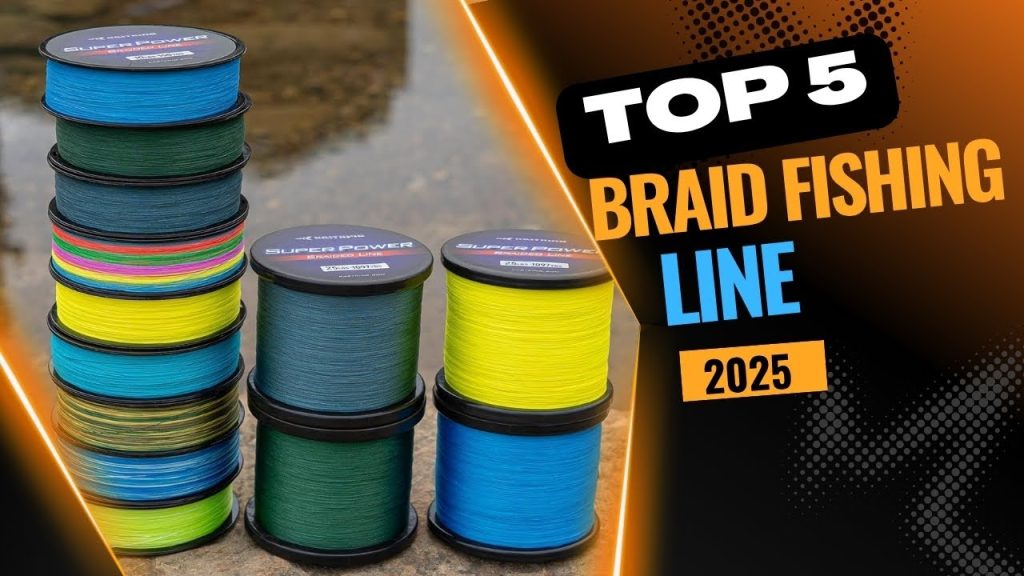
Choosing the right fishing line can make or break your saltwater fishing experience. You want a line that won’t snap under pressure, resist the harsh saltwater environment, and help you reel in that big catch.
But with so many options available, how do you know which type is best for your needs? This guide will help you understand the key differences and find the perfect fishing line to boost your success on the water. Keep reading to discover the secret to stronger, smoother, and more reliable saltwater fishing.
Saltwater Fishing Challenges
Fishing in saltwater is different from freshwater fishing. Saltwater has unique problems that affect fishing gear. Choosing the right fishing line is very important.
Saltwater can harm fishing lines quickly. Fish in saltwater are often bigger and stronger. The water also changes how visible the line is. These factors matter when picking a fishing line.
Corrosion And Abrasion Factors
Saltwater causes corrosion on metal parts and weakens fishing lines. It also makes lines rub against rocks, shells, and boat parts. This rubbing is called abrasion.
Lines that resist corrosion and abrasion last longer. Some lines have coatings to protect them. Monofilament and fluorocarbon lines often handle abrasion better than braided lines.
- Saltwater causes corrosion and damage
- Abrasion happens from rough surfaces
- Coated lines resist wear and tear
- Choose lines that handle saltwater well
Strength Requirements
Saltwater fish are usually bigger and stronger than freshwater fish. This means fishing lines need more strength. The line must not break during the fight.
Strong lines help catch big fish safely. Braided lines are popular for strength. But monofilament lines stretch more, which can help absorb shocks.
- Saltwater fish are strong and heavy
- Lines must have high breaking strength
- Braided lines offer high strength
- Monofilament stretches to absorb shocks
Visibility In Saltwater
Saltwater is often clear, so fish can see the fishing line easily. A visible line can scare fish away. Choosing the right color and type helps reduce visibility.
Fluorocarbon lines are less visible underwater. Clear or blue lines blend with saltwater. Anglers pick lines that match water color to avoid detection.
- Clear water shows fishing lines well
- Visible lines can scare fish
- Fluorocarbon lines are low visibility
- Choose line color to match water
Common Types Of Fishing Lines
Choosing the right fishing line is important for saltwater fishing. Different lines offer unique benefits and challenges. Knowing the types helps you pick the best one for your needs.
Saltwater fishing demands strong and durable lines. The three common types are monofilament, braided, and fluorocarbon. Each type works well in different conditions.
Monofilament Lines
Monofilament lines are made from a single strand of nylon. They are flexible and easy to handle. Many anglers like them for their stretch and shock absorption.
- Good stretch to absorb fish bites
- Affordable and widely available
- Floats on water surface
- Prone to UV damage over time
Braided Lines
Braided lines are made by weaving several fibers together. They offer great strength and no stretch. This makes them sensitive to fish movements and strong for heavy fish.
| Feature | Advantage | Disadvantage |
| Strength | High | Can cut fingers if not handled |
| Stretch | Very low | Less shock absorption |
| Visibility | High | Easy for fish to see |
| Durability | Resistant to abrasion | Can fray over time |
Fluorocarbon Lines
Fluorocarbon lines are nearly invisible underwater. They sink faster than other lines. Anglers prefer them for clear water and stealth fishing.
- Low visibility to fish
- High resistance to abrasion
- Sinks quickly for deep water fishing
- Less stretch than monofilament
Monofilament For Saltwater
Monofilament fishing line is popular among saltwater anglers. It is made from a single strand of material, giving it flexibility and stretch.
This type of line is often chosen for its ease of use and versatility in saltwater fishing.
Advantages And Disadvantages
Monofilament has many benefits but also some drawbacks for saltwater use.
- Advantages:It is stretchy, which helps absorb shocks from fish pulls.
- Monofilament floats on water, useful for topwater fishing.
- It is less visible underwater compared to some other lines.
- Monofilament is affordable and widely available.
- Disadvantages:It can weaken over time when exposed to sun and salt.
- Monofilament has more stretch, which may reduce sensitivity.
- It absorbs water, which can cause it to lose strength.
Best Uses In Saltwater
Monofilament works well for various saltwater fishing styles. It is especially good for beginners and casual anglers.
| Fishing Style | Reason for Using Monofilament |
| Inshore Fishing | Good stretch absorbs sudden pulls from fish |
| Topwater Fishing | Floats easily on water surface |
| Light Tackle | Less visible and easier to handle |
| Boat Fishing | Cost-effective for replacing line often |

Credit: fishingbooker.com
Braided Lines Benefits
Braided fishing lines are popular for saltwater fishing. They offer many advantages over other lines.
These lines are made from strong fibers woven tightly together. This makes them a good choice for tough saltwater conditions.
Strength And Sensitivity
Braided lines have high strength for their size. They can handle heavy fish without breaking.
The thin diameter also helps anglers feel bites quickly. Sensitivity is important to catch more fish.
- Strong for its thickness
- Allows longer casts
- Detects subtle bites fast
Abrasion Resistance
Saltwater environments have sharp rocks and shells. Braided lines resist damage from these surfaces.
This abrasion resistance helps keep the line strong during fights with fish and rough terrain.
- Woven fibers protect against cuts
- Lasts longer in tough conditions
- Reduces chances of line failure
Handling And Knotting Tips
Braided lines can be slippery and stiff. Proper knotting is important to prevent slipping.
Use knots like the Palomar or Double Uni for strong, secure connections.
- Keep knots tight and neat
- Use a fluorocarbon leader for invisibility
- Check knots often for wear
Fluorocarbon Lines In Saltwater
Fluorocarbon fishing lines are popular for saltwater fishing. They offer unique benefits that help anglers catch fish more easily.
This type of line is made from a special material that works well in tough saltwater conditions.
Low Visibility Underwater
Fluorocarbon lines are nearly invisible underwater. This helps avoid scaring fish away.
The line bends light differently than water, making it hard for fish to see.
- Clear appearance blends with water
- Better for fishing in clear water
- Helps catch shy and cautious fish
Durability And Stretch
Fluorocarbon lines resist damage from salt and sunlight. They last longer than many other lines.
This line stretches less, giving better control when fighting fish.
- Strong against abrasion and sharp rocks
- Less stretch means quicker hook sets
- Holds up well in rough saltwater conditions
Ideal Scenarios
Fluorocarbon lines work best in clear water and when fish are easily scared.
They are great for bottom fishing and when you need a strong, invisible line.
- Fishing around reefs or rocky areas
- Catching fish that stay near the sea floor
- Situations needing quick hook sets

Credit: reactiontackle.com
Choosing The Right Line Strength
Picking the correct fishing line strength is key for saltwater fishing success. The line must handle the size and power of the fish you want to catch.
Too weak a line breaks easily. Too strong a line can reduce sensitivity and casting ability. Learn how to match line strength to your target species and find the right balance.
Match Line To Target Species
Different saltwater fish need different line strengths. Small fish need lighter lines. Big fish need stronger lines to avoid breakage.
- Light line (10-20 lbs) for species like snapper and sea trout
- Medium line (20-40 lbs) for species like redfish and small tuna
- Heavy line (40+ lbs) for large species like shark and tarpon
Balance Between Strength And Flexibility
| Line Type | Strength (lbs) | Flexibility | Best Use |
| Monofilament | 10-50 | High | Easy casting, shock absorption |
| Fluorocarbon | 10-40 | Medium | Low visibility, abrasion resistance |
| Braid | 20-80+ | Low | High strength, small diameter |
Choose a line with enough strength to handle fish and environment. Flexible lines absorb sudden pulls better. Stiffer lines cast farther and have less stretch.
Line Maintenance And Longevity
Saltwater fishing lines face tough conditions like salt, sun, and rough surfaces. Proper care helps your line last longer and work better. Regular maintenance is key for strong, reliable fishing.
Taking time to clean and store your line right can prevent damage. Knowing when to replace the line keeps your gear safe and ready for action.
Rinsing And Storage Tips
Salt and dirt can weaken your fishing line. Rinse it with fresh water after every saltwater trip. This removes salt crystals and prevents corrosion.
- Use cool, fresh water to rinse the entire line and reel.
- Do not use harsh chemicals or soaps that can harm the line.
- Dry the line completely before storing to avoid mold and mildew.
- Store the line in a cool, dark place away from direct sunlight.
- Avoid tight coils that can cause line memory or kinks.
When To Replace Your Line
Fishing lines wear out over time. Replace your line to keep fishing safe and effective. Look for signs like fraying, discoloration, or loss of strength.
| Sign | Reason | Action |
| Frayed or cut sections | Weak spots can break easily | Replace line immediately |
| Discoloration or stiffness | Sun and salt damage the line | Change line before next use |
| Line memory or kinks | Decreases casting distance | Consider replacing or rewinding |
| Loss of knot strength | Knots slip or break under tension | Test knots and replace if weak |

Credit: www.youtube.com
Specialized Lines And Innovations
Saltwater fishing needs strong and durable lines. New types of fishing lines help anglers catch more fish. These lines resist salt, sun, and rough conditions.
Innovations in fishing lines improve strength and handling. Some lines blend materials or use special coatings. Others focus on being eco-friendly to protect the ocean.
Coated Braided Lines
Coated braided lines have a special outer layer. This coating protects the line from salt and abrasion. It also reduces water absorption and keeps the line smooth.
- Improves casting distance
- Increases line durability
- Reduces line memory and tangles
- Offers better knot strength
Hybrid Lines
Hybrid lines mix two or more materials. They combine the strength of braided lines with the stretch of monofilament. This mix helps absorb shocks and improves sensitivity.
| Type | Strength | Stretch | Best Use |
| Braid-Core with Mono Coating | High | Medium | Heavy saltwater fishing |
| Fluorocarbon-Braid Blend | Medium | Low | Clear water fishing |
| Polymer Hybrid | High | High | Shock absorption needed |
Eco-friendly Options
Eco-friendly lines reduce pollution in the ocean. They use biodegradable or recyclable materials. These lines break down faster if lost in water.
- Made from natural fibers or safe polymers
- Break down within months in saltwater
- Safe for fish and marine life
- Durable enough for regular use
Frequently Asked Questions
What Is The Strongest Fishing Line For Saltwater?
Braided lines are the strongest for saltwater fishing. They offer high tensile strength and resist abrasion well. This makes them ideal for catching large, powerful saltwater fish.
Should I Use Monofilament Or Fluorocarbon In Saltwater?
Monofilament is stretchy and buoyant, good for surface fishing. Fluorocarbon is less visible underwater and sinks faster, ideal for deep water. Both have advantages depending on your fishing style.
How Does Saltwater Affect Fishing Line Durability?
Saltwater can degrade fishing line by causing corrosion and weakening fibers. Regular rinsing with fresh water and proper storage improve line longevity and performance in saltwater conditions.
What Fishing Line Thickness Suits Saltwater Fishing?
Choose thicker lines for bigger saltwater fish to prevent breakage. Line thickness depends on target species, but generally, 20-50 lb test lines work well for most saltwater fishing.
Conclusion
Choosing the right fishing line matters in saltwater adventures. Different lines suit different needs. Consider durability, strength, and water conditions. Braided lines work well for deep waters. Fluorocarbon lines offer low visibility. Monofilament lines provide flexibility. Match the line to your specific fishing style.
Consider the type of fish you aim to catch. The right line enhances your fishing experience. Enjoy a successful day on the water. Make informed choices for better results. Happy fishing!