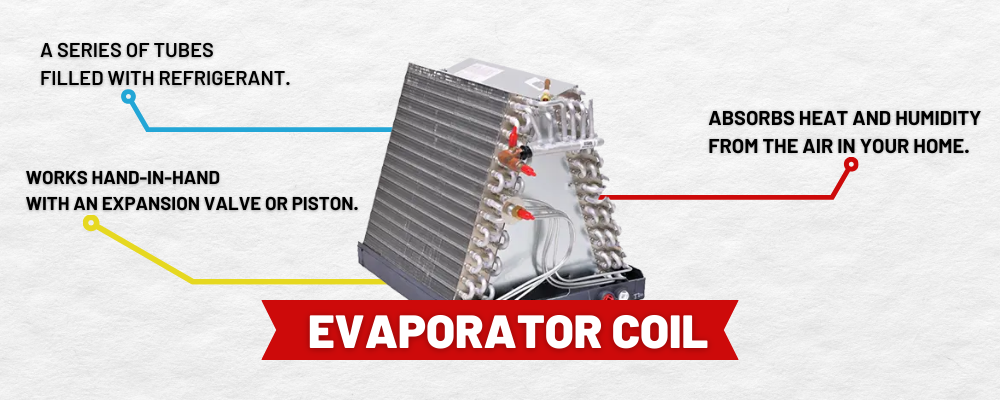
Have you ever wondered what keeps your home cool and comfortable during scorching days? The secret lies in a small but powerful part inside your air conditioner called the evaporator coil.
Understanding what an evaporator coil is and how it works can help you take better care of your AC, save money on repairs, and enjoy a refreshing indoor climate all year long. Keep reading to discover how this crucial component makes your air conditioner tick—and why it matters to you.
Evaporator Coil Basics
The evaporator coil is a key part of an air conditioner. It helps cool the air inside your home. This coil works with other parts to remove heat from the air.
Understanding how the evaporator coil works helps you keep your air conditioner running well. It also helps in spotting problems early.
Role In Air Conditioning
The evaporator coil cools and dehumidifies the air. It absorbs heat from inside your home and sends it outside. This process makes the indoor air cooler and more comfortable.
- Absorbs heat from indoor air
- Removes moisture from the air
- Works with the compressor and condenser
- Helps maintain air quality and comfort
How It Works
Cool refrigerant flows through the evaporator coil. Warm indoor air passes over the coil. The refrigerant absorbs heat from the air, cooling it down.
| Step | Process |
| 1 | Warm air blows over the coil |
| 2 | Refrigerant inside coil absorbs heat |
| 3 | Air cools and moisture condenses |
| 4 | Cooled air circulates inside the room |
| 5 | Refrigerant carries heat outside |
Types Of Evaporator Coils
An evaporator coil cools the air in an air conditioner. It absorbs heat from inside your home.
There are different types of evaporator coils. Each type has a unique shape and design.
A-coil Design
The A-coil has two sides that form a shape like the letter A. It fits inside the air handler.
This coil type is common in many central air conditioning systems. It cools air efficiently in tight spaces.
Slab Coil Design
The slab coil is flat and rectangular. It usually sits in the furnace or air handler cabinet.
This design works well for many heating and cooling systems. It offers good airflow and easy maintenance.
Plate Coil Design
The plate coil is made of flat metal plates with refrigerant tubes inside. It looks like a sandwich of plates.
This coil type is compact and has a small footprint. It is often used in small air conditioning units.
Materials Used
Evaporator coils are key parts of air conditioners. Their materials affect efficiency and durability.
Choosing the right materials helps the coil resist corrosion and transfer heat well.
Copper Vs Aluminum
Copper and aluminum are common metals for evaporator coils. Each has strong points and drawbacks.
| Material | Advantages | Disadvantages |
| Copper | Excellent heat transfer, durable, easy to repair | Higher cost, heavier |
| Aluminum | Lighter weight, lower cost, resists corrosion | Less durable, harder to repair |
Coating And Fin Materials
Coatings protect coils from rust and damage. Fins help increase surface area for better cooling.
- Common coatings include epoxy and polymer layers.
- Coatings help coils last longer in moist or salty air.
- Fins are often made from aluminum for good heat transfer.
- Some fins have special treatments to reduce dirt buildup.
Common Problems
The evaporator coil in an air conditioner helps cool the air. It works by absorbing heat from inside your home. Problems with the coil can reduce cooling and increase energy use.
Here are some common issues that can happen with evaporator coils. These problems affect how well your air conditioner works.
Leaks And Corrosion
Leaks happen when the coil gets small holes or cracks. This lets refrigerant escape, which lowers cooling power. Corrosion is rust that forms on the coil from moisture or chemicals. It can cause leaks and damage the coil.
Leaking refrigerant makes the air conditioner work harder. Corrosion weakens the coil metal and shortens its life.
- Leaks reduce cooling efficiency
- Corrosion causes metal to weaken
- Both can lead to costly repairs
Frost Buildup
Frost builds up on the coil when there is poor airflow or low refrigerant levels. It blocks heat from leaving the coil. This stops the air conditioner from cooling properly.
Frost can cause the system to freeze and stop working. It also increases energy use because the AC runs longer to cool the home.
- Frost blocks heat transfer
- Caused by low airflow or refrigerant
- Leads to poor cooling and energy waste
Clogged Coils
Dirt, dust, and debris can build up on the evaporator coil. This clogs the coil and stops air from flowing freely. It reduces how much heat the coil can absorb.
Clogged coils make the air conditioner less efficient. They can also cause the system to overheat or freeze up.
- Dirt blocks airflow
- Less heat absorption means poor cooling
- Can cause system damage over time
Maintenance Tips
The evaporator coil in an air conditioner removes heat from the air. It works best when clean and well maintained. Dirt and dust can block airflow and reduce cooling.
Regular care of the coil helps keep your air conditioner efficient. It also prevents costly repairs and extends the unit’s life.
Cleaning Methods
Cleaning the evaporator coil removes dirt and debris that reduce cooling power. Use gentle methods to avoid damage.
Turn off power before cleaning. Use a soft brush or vacuum cleaner to clear dust. For deeper cleaning, use a no-rinse coil cleaner spray.
- Remove dust with a soft brush or vacuum
- Spray coil cleaner and let it foam
- Avoid using high-pressure water
- Wear gloves and safety glasses
- Let the coil dry fully before restarting
Preventive Measures
Preventive care keeps the evaporator coil clean longer. It stops dirt buildup and protects the coil from damage.
Change air filters often to reduce dust. Keep the area around the unit clean and free of debris. Schedule regular professional checkups.
- Replace air filters every 1-3 months
- Keep surrounding area clean and dry
- Check for leaks or frost on coil
- Inspect coil during professional service
- Use a cover when AC is off for long periods

Credit: www.airworksnc.com
Signs Of A Failing Evaporator Coil
The evaporator coil is a key part of an air conditioner. It helps cool the air in your home. If the coil starts to fail, your AC might not work well.
Knowing the signs of a bad evaporator coil can save you money and keep your home comfortable. Look for these common problems.
Reduced Cooling Efficiency
A failing evaporator coil can stop your AC from cooling properly. The air may feel warmer than usual. Your home might take longer to cool down.
This happens because the coil cannot absorb heat well. Dirt, leaks, or ice on the coil can cause this issue.
Unusual Noises
You may hear strange sounds when the evaporator coil is failing. These noises include hissing, banging, or rattling.
Hissing can mean a refrigerant leak. Banging may show parts are loose. Rattling could be dirt or ice causing problems.
- Hissing: possible refrigerant leak
- Banging: loose or broken parts
- Rattling: dirt or ice buildup
Increased Energy Bills
A damaged evaporator coil makes your AC work harder. This leads to higher energy use and bigger bills.
If your energy costs rise without reason, check the coil. Fixing it can help lower your bills and save energy.
Replacing An Evaporator Coil
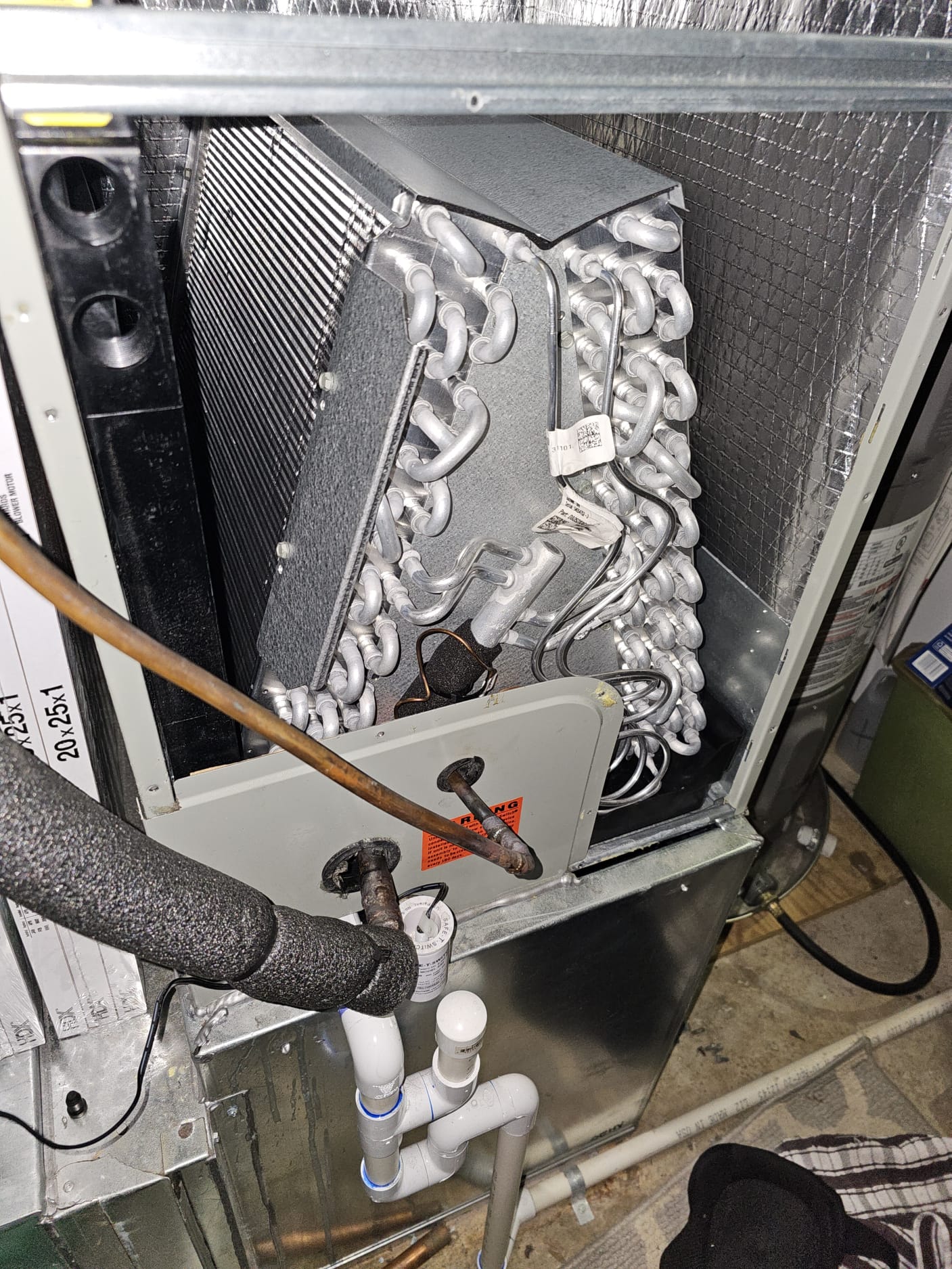
The evaporator coil is a key part of your air conditioner. It cools the air by absorbing heat. Sometimes, it can get damaged or worn out.
Replacing the evaporator coil can help your AC work better and last longer. This guide explains when to replace it, costs, and installation.
When To Replace
Replace the evaporator coil if it leaks refrigerant or is corroded. A damaged coil lowers cooling efficiency. It may cause your AC to freeze up or stop working.
If the coil has severe damage or rust, replacing it is better than repairing. Old coils might not fit new parts or work well with new refrigerants.
Cost Factors
The cost to replace an evaporator coil varies. It depends on the size and type of your AC system. Labor costs also affect the total price.
- Size of the coil
- Type of air conditioner
- Brand and model of the coil
- Labor and installation fees
- Additional parts needed
Expect higher costs for larger or more complex systems. Getting a professional estimate can help you plan your budget.
Professional Installation
Replacing an evaporator coil needs skill and special tools. A professional technician can do the job safely and correctly. This ensures your AC runs well after replacement.
Incorrect installation can cause leaks or system damage. Professionals check for proper refrigerant levels and test the system. They also handle refrigerants following safety rules.
Credit: www.logan-inc.com
Energy Efficiency And Evaporator Coils
The evaporator coil is a key part of an air conditioner. It helps cool the air inside your home by absorbing heat.
Energy efficiency depends a lot on how well the evaporator coil works. A clean and well-maintained coil uses less energy.
Impact On System Performance
The evaporator coil affects how fast and well your air conditioner cools your home. If the coil is dirty, it lowers performance.
A dirty coil forces the system to work harder, which wastes electricity and raises bills. It can also cause the system to break down.
Upgrades And Innovations
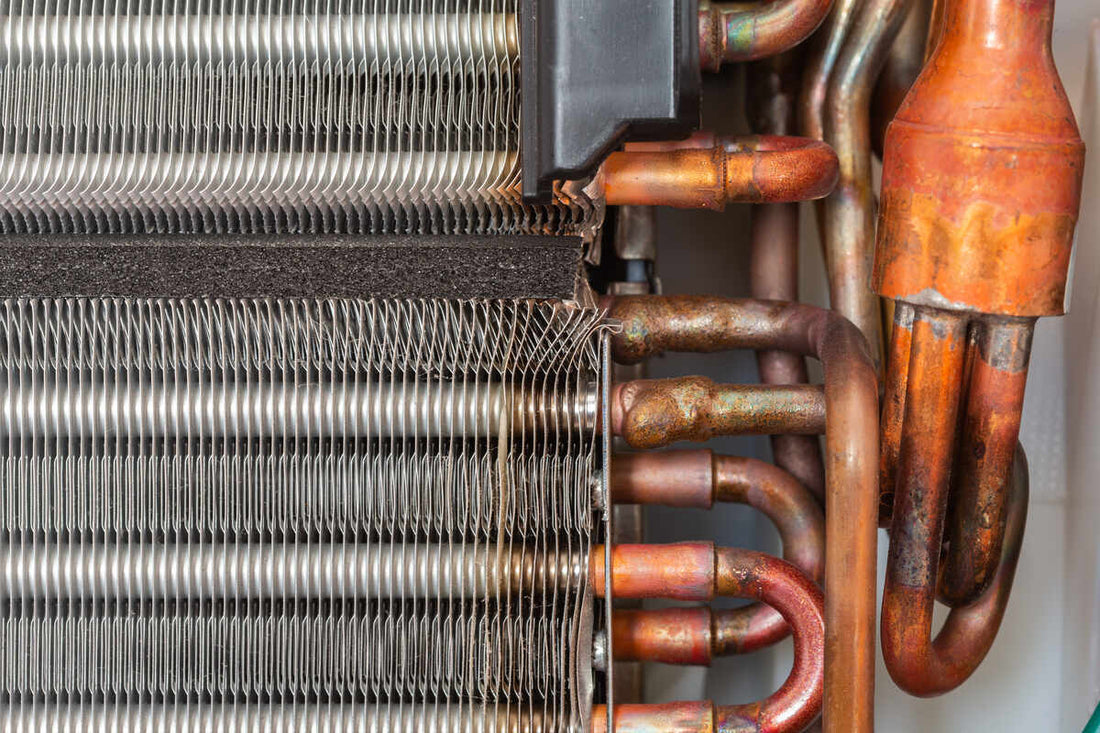
New evaporator coils use better materials to improve heat transfer. This means the air conditioner uses less power to cool your home.
Some coils have special coatings to reduce dirt buildup. This keeps them cleaner longer and maintains efficiency.
- Improved aluminum fins for better heat exchange
- Anti-corrosion coatings to extend coil life
- Enhanced coil designs for faster cooling
Credit: surpluscityliquidators.com
Frequently Asked Questions
What Is The Function Of An Evaporator Coil?
An evaporator coil absorbs heat from indoor air. It cools and dehumidifies the air before recirculating it. This process is essential for effective air conditioning.
How Does An Evaporator Coil Work In Ac?
The coil contains refrigerant that evaporates, absorbing heat. Warm air passes over the coil, cooling as heat transfers to the refrigerant. This cools the air sent back into your rooms.
Where Is The Evaporator Coil Located In An Ac?
The evaporator coil is inside the indoor air handler or furnace. It sits near the blower fan, ensuring efficient heat absorption from indoor air.
Why Is Evaporator Coil Maintenance Important?
Dirty coils reduce cooling efficiency and increase energy costs. Regular cleaning prevents ice buildup and maintains proper airflow, extending your AC unit’s lifespan.
Conclusion
Understanding evaporator coils is key to efficient air conditioning. These coils cool your home by absorbing heat. Regular maintenance ensures top performance. Dirty coils reduce efficiency and raise energy costs. Clean them often to keep your system running smoothly. Proper care extends the life of your air conditioner.
It also helps maintain a comfortable indoor climate. Keep your unit in top shape for better cooling. Now, you know the role of evaporator coils in your AC. Stay cool and save money by being proactive. Your air conditioner will thank you!