
Have you ever wondered how long your air conditioner should last before you replace it? Knowing when to get a new AC can save you money, keep your home comfortable, and prevent unexpected breakdowns.
If you ignore the signs, you might face costly repairs or soaring energy bills. You’ll discover the key factors that tell you when it’s time to replace your air conditioner. Keep reading to learn how to make the best choice for your comfort and wallet.
Signs Your Ac Needs Replacement
The age of the unitplays a big role in deciding replacement time. Most AC units last about 10 to 15 years. Older units may not cool well or break often.
Frequent breakdownssignal trouble. If you fix your AC many times, it might cost more than a new one.
Rising energy billscan mean your AC is losing power. Older or broken parts use more electricity.
Inconsistent coolingmeans some rooms feel hot while others are cold. This shows your AC is not working right.
Strange noises and odorsfrom the unit can show serious problems. Sounds like banging or smells like burning need quick checks.
Factors Affecting Ac Lifespan
Usage patternsaffect how long an air conditioner lasts. Units used more often wear out faster. Running the AC all day shortens its life compared to occasional use.
Maintenance habitsplay a big role. Regular cleaning and timely repairs keep the AC working well. Neglecting filters and parts causes damage and reduces lifespan.
Climate influenceis also important. Hot and humid areas stress the unit more. This causes faster wear and may need earlier replacement.
Quality of installationimpacts durability. Poor setup leads to frequent problems and early breakdown. Proper installation ensures smooth operation and longer life.
Typical Lifespan Of Air Conditioners
Air conditioners have different lifespans based on their type. Window unitsusually last about 8 to 10 years. They are easier to install and replace.
Split systemstend to last longer, around 12 to 15 years. These have indoor and outdoor parts.
Central air conditionershave a lifespan of about 15 to 20 years. They cool the whole house through ducts.
| AC Type | Typical Lifespan |
|---|---|
| Window Units | 8 – 10 years |
| Split Systems | 12 – 15 years |
| Central Air Conditioners | 15 – 20 years |

Credit: www.searshomeservices.com
Cost Considerations For Replacement
Repair costscan add up if your air conditioner is old. Sometimes, fixing an old unit costs almost as much as buying a new one. If repairs are frequent or expensive, replacement might be a better choice. New units often use less energy, which means lower billseach month.
Energy-efficient air conditioners save money by using less electricity. This can cut your utility bills by up to 30%. Over time, these savings help cover the cost of a new unit. Think about how much you spend on energy yearly.
| Incentive Type | Details |
|---|---|
| Rebates | Cash back offers from manufacturers or utility companies |
| Tax Credits | Reductions in your tax bill for energy-efficient units |
| Special Financing | Low or no-interest loans for purchasing new systems |
Many places offer incentives and rebatesto lower replacement costs. These programs help you save money upfront. Check local utility or government websites for current offers.
Choosing A New Air Conditioner
Choosing the right air conditioner means getting the correct size. Too small won’t cool well. Too big wastes energy and money. Measure your room size and check the unit’s cooling capacityin BTUs.
| Energy Efficiency Rating | What It Means |
|---|---|
| SEER (Seasonal Energy Efficiency Ratio) | Higher SEER means lower electric bills and better efficiency. |
| EER (Energy Efficiency Ratio) | Shows cooling efficiency at a specific temperature. |
Smart features help control temperature easily. Some units offer:
- Wi-Fi control via phone apps
- Voice control with smart assistants
- Energy-saving modes
- Programmable timers
These features add comfort and help save energy.

Credit: johndavisair.com
Tips To Extend Ac Lifespan
Regular maintenance helps keep your air conditioner working well. Clean the coils and fins to stop dirt buildup. Check the drain channels to avoid water damage. This care can add years to your AC’s life.
Changing the filter often is very important. A dirty filter blocks air flow and makes the AC work harder. Replace filters every 1 to 3 months for best results. This keeps the air clean and the unit efficient.
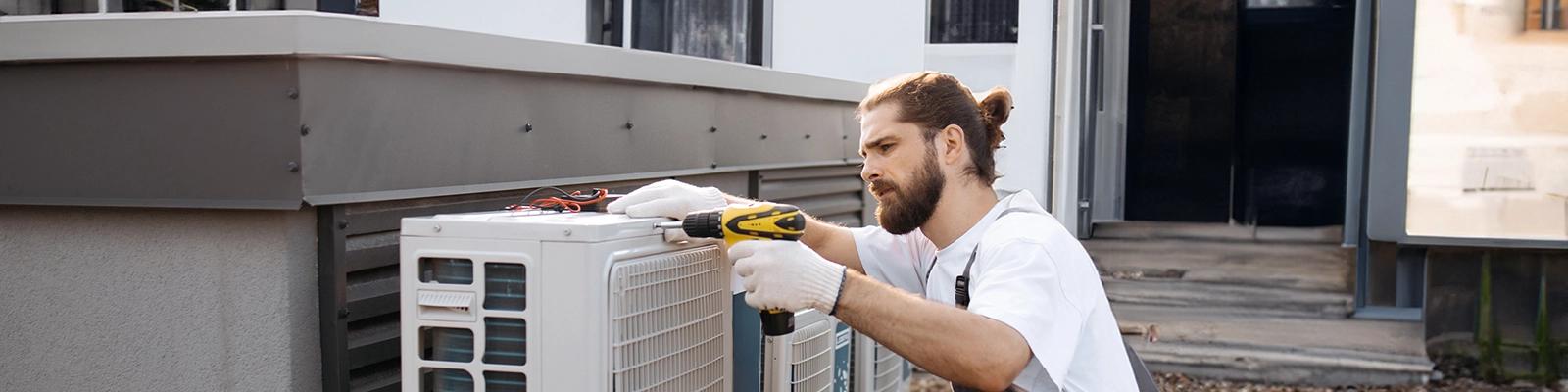
Professional inspections catch small problems early. A technician can check refrigerant levels and electrical connections. Regular checks help avoid costly repairs later. Schedule inspections once a year to keep your AC in top shape.
Use the AC wisely to avoid strain. Set the thermostat to a comfortable but not too cold level. Close doors and windows to keep cool air inside. Turn off the AC when not needed to save energy and reduce wear.
Credit: www.americanstandardair.com
Frequently Asked Questions
How Often Should I Replace My Air Conditioner?
Most air conditioners last 10-15 years. Replace yours if it’s over 15 years old. Frequent breakdowns or high energy bills also signal replacement.
What Signs Indicate An Ac Needs Replacement?
Look for poor cooling, strange noises, frequent repairs, or rising energy costs. These signs suggest your AC is aging and less efficient, needing replacement soon.
Can Regular Maintenance Extend Ac Lifespan?
Yes, regular maintenance improves efficiency and extends lifespan by a few years. Clean filters, check refrigerant, and service annually to keep your AC running longer.
Is Replacing An Ac More Cost-effective Than Repairing?
If repair costs exceed 50% of a new unit’s price or breakdowns are frequent, replacing is more cost-effective. New units offer better efficiency and lower bills.
Conclusion
Replacing your air conditioner is crucial for comfort and efficiency. Regular maintenance extends its life, but age matters too. Units older than 10 years may need replacement. New models offer better energy savings. Consider repair costs versus buying new. Be mindful of unusual noises or poor cooling.
These are signs to replace your unit. Always consult a professional for advice. They ensure the best choice for your home. Stay cool and save money with timely replacements. Prioritize your home’s comfort and energy efficiency.