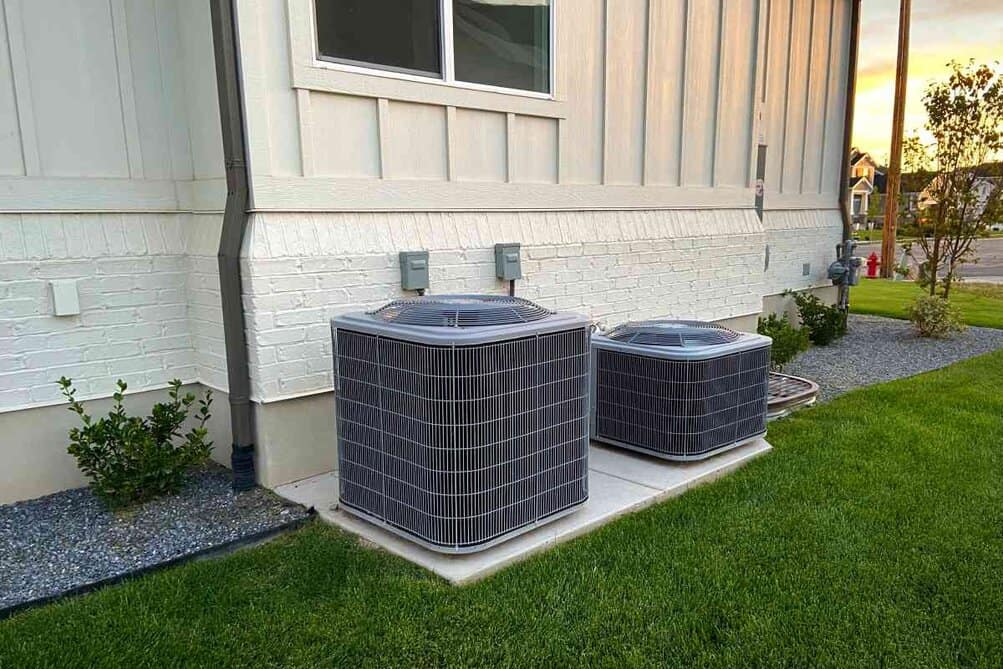
Are you wondering if you should cover your outside air conditioner when it’s not in use? It’s a common question that many homeowners face.
You want to protect your unit from dirt, debris, and harsh weather, but could covering it actually cause more harm than good? The answer isn’t as simple as you might think. Keep reading to find out what experts say about covering your outside air conditioner and how you can keep it running smoothly year after year.
Your comfort and your wallet will thank you.

Credit: www.amazon.ca
Benefits Of Covering Your Ac Unit
Covering your outside AC unit helps protect it from dirt, leaves, and harsh weather. It can extend the unit’s life and reduce repair costs. Proper covering also keeps the system clean and ready for use.
Protection From Debris
Covering your AC unit helps keep out leaves, dirt, and small branches. This prevents clogs and keeps the system clean. A clean unit works better and lasts longer.
Preventing Weather Damage
Harsh weather like rain, snow, and hail can damage the AC unit. A cover acts as a shield to protect it from moisture and ice. This reduces the risk of rust and other damage.
Reducing Wear And Tear
Covers reduce exposure to sun and wind. This helps stop parts from cracking or fading. Less wear means fewer repairs and a longer life for your AC unit.

Credit: www.newsobserver.com
Risks Of Covering The Ac Unit Improperly
Covering an air conditioner unit the wrong way can cause big problems. Moisture build-uphappens when water gets trapped inside the cover. This can lead to rust and damage the unit.
Restricted airflow is another issue. The unit needs air to work well. A cover that blocks air can make the AC work harder and use more energy.
Mold growthcan happen inside the cover. Mold thrives in wet, dark places. This can harm your health and reduce air quality.
Best Times To Cover Your Ac
Covering your outside air conditionerduring cold months helps protect it from frost, snow, and debris. It keeps the unit safe from weather damage and extends its life. Avoid covering it too early in fall or too late in spring to prevent moisture buildup inside.
During extended periods of inactivity, like winter or long vacations, covering your AC unit is smart. It stops leaves, dirt, and small animals from getting inside. This keeps the unit clean and ready to work well when needed again.
- Use a cover made for AC units to allow airflow.
- Do not seal the unit completely; moisture can cause rust.
- Check the cover often for tears or water buildup.
Choosing The Right Cover
Choosing the right cover for an outside air conditioner helps protect it from dust and weather. Material typematters a lot. Common materials include plastic, vinyl, and fabric. Plastic and vinyl covers keep water out but may trap moisture inside. Fabric covers let air pass, reducing mold risk.
Size and fit are key. A cover too tight can block airflow and harm the unit. A loose cover might let debris in. Choose a cover that fits snugly but allows some space for air circulation.
Breathable covers prevent moisture buildup. Non-breathable covers stop rain and snow but may cause condensation. Consider climate and how often you check your unit.
Proper Steps To Cover Your Ac Unit
Start by turning offthe power to your AC unit for safety. Remove any leaves, dirt, or debris from the unit’s surface. Clean the fins gently using a soft brush to avoid damage. Clear away any blockages that could stop air flow.
Choose a cover that fits your unit well. A waterproof and breathablecover works best to protect against rain and snow. Secure the cover tightly using straps or cords to stop it from blowing away. Make sure the cover does not touch the fins or coils directly to avoid damage.
Check that the cover allows for proper ventilation. Good airflow prevents moisture build-up, which can cause rust or mold. Look for covers with vents or breathable fabric. Avoid sealing the unit completely airtight to keep it dry and safe.

Credit: www.vairtech.com
Alternative Maintenance Tips For Outdoor Ac Units
Regular cleaningkeeps the outdoor AC unit working well. Dirt and leaves can block air flow. Clean the fins and coils carefully using a soft brush or garden hose. Avoid using high pressure water that can damage parts. Clear the area around the unit from debris and grass clippings. This helps maintain good air flow and keeps the unit cool.
Professional inspectionshelp find hidden problems early. A technician checks for leaks, worn parts, and electrical issues. Annual inspections keep your unit efficient and extend its life. Scheduling these check-ups before summer helps avoid breakdowns during hot days.
Protective landscapingshields the AC unit from direct sunlight and strong winds. Plant shrubs or small trees nearby but keep enough space for air flow. Avoid placing plants too close to prevent leaves and branches from clogging the unit. Good landscaping reduces the strain on your AC and saves energy.
Frequently Asked Questions
Should I Cover My Ac Unit In Winter?
Covering your AC unit in winter isn’t necessary but can protect it from debris. Ensure proper ventilation to prevent moisture buildup. Use a breathable cover to avoid trapping moisture, which can cause rust or mold. However, most modern units are designed to withstand winter conditions without a cover.
Can Covering Damage My Air Conditioner?
Yes, improper covering can damage your air conditioner. Non-breathable covers trap moisture, leading to rust and mold. This can cause significant damage over time. Always use a breathable cover and ensure it’s not tightly wrapped. Your AC unit is designed to withstand weather conditions without a cover.
What Materials Are Best For Ac Covers?
Breathable materials are best for AC covers. They prevent moisture buildup while protecting against debris. Avoid plastic or non-breathable materials as they can trap moisture. Canvas or mesh covers are ideal. They provide protection while allowing air circulation, which helps prevent rust and mold.
Is It Necessary To Cover Ac During Rain?
No, it’s not necessary to cover your AC during rain. Air conditioners are built to withstand outdoor elements, including rain. Covering during rain can trap moisture, leading to rust. If you choose to cover, ensure the cover is breathable to prevent moisture accumulation.
Conclusion
Covering your outside air conditioner during winter can protect it from debris. But blocking airflow can cause damage. Use a breathable cover to avoid moisture buildup. Keep the unit clear of leaves and snow. Regular cleaning helps the air conditioner last longer.
Always follow the manufacturer’s advice for best results. A little care now saves money on repairs later. Think smart, protect your AC, and enjoy cool air all year.