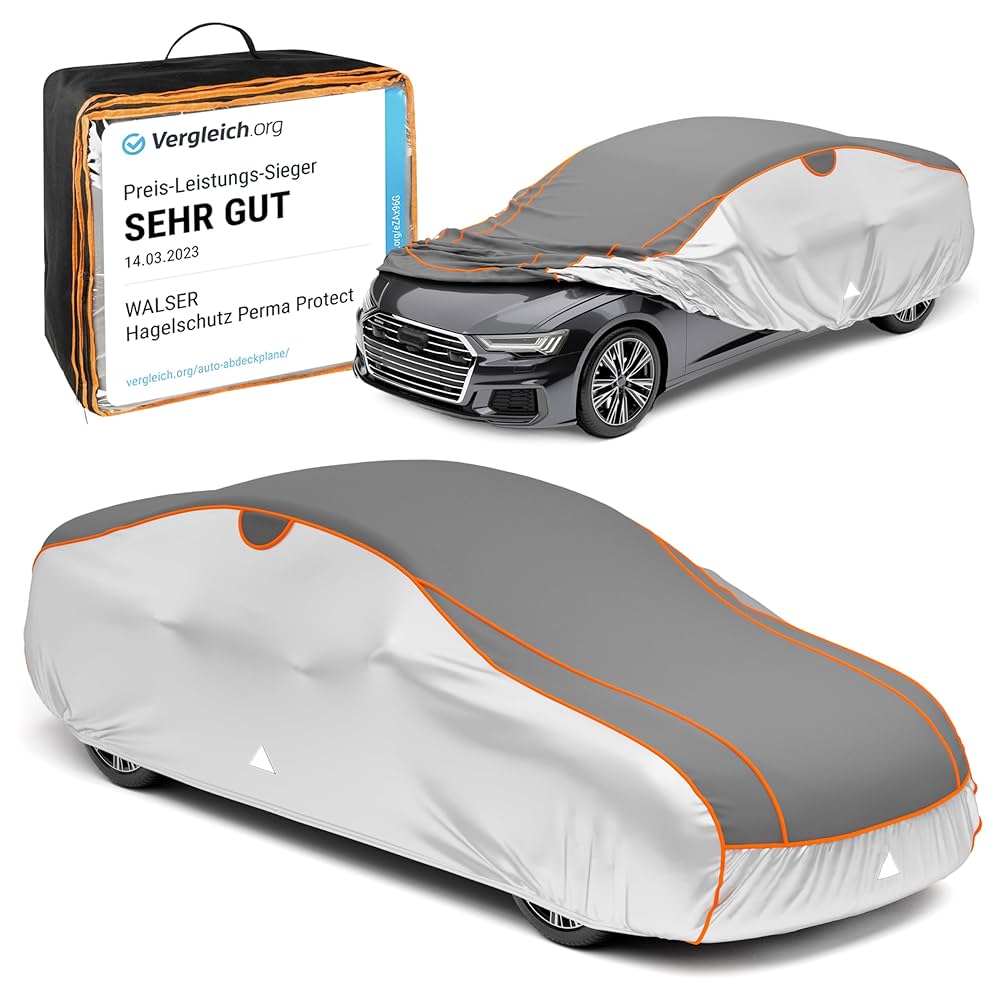
Have you ever worried about your car getting damaged during a hailstorm? If so, you’re not alone.
Hail can leave dents, scratches, and cracks that cost a fortune to fix. But can a simple car cover really shield your vehicle from this kind of damage? Understanding how well car covers protect against hail could save you time, money, and stress.
Keep reading to discover the truth about car covers and whether they’re worth using when hail is on the horizon.
How Hail Damages Cars
Hail can hit cars with strong force. It can leave dents, scratches, and cracks on the surface.
The size and speed of hailstones affect the damage level. Bigger hailstones cause more harm to vehicles.
Common Types Of Hail Damage
Hail can cause different damage types to cars. These damages vary by how hard the hail hits.
- Dents on the hood, roof, and doors
- Broken or cracked windshields and windows
- Scratches on paint from sharp hail edges
- Damage to side mirrors and lights
- Chipped paint that can lead to rust
Small dents may look minor but can lower the car’s value. Large hail can break glass and parts.
Vulnerable Car Areas
Some parts of a car get damaged more often by hail. These areas are usually flat or exposed.
- Car roof: wide and flat surface
- Hood and trunk: large metal panels
- Side doors: easy to dent from side hits
- Windshield and windows: glass can crack
- Side mirrors and headlights: fragile and outside
Covering these areas well can help reduce damage from hailstones.

Credit: www.amazon.ca
Types Of Car Covers
Car covers come in different types that protect your vehicle from hail damage. Choosing the right cover depends on your needs and weather conditions.
Some covers are light and easy to use, while others are heavy and padded for better protection. You can also find covers that resist water in different ways.
Lightweight Covers
Lightweight covers are thin and easy to carry. They protect your car from dust, dirt, and small scratches.
These covers offer limited protection against hail. They may not stop large hailstones from causing dents.
Padded And Heavy-duty Covers
Padded covers have extra layers that absorb the impact of hail. They protect your car from dents and scratches better than lightweight covers.
Heavy-duty covers use thick materials and strong padding. They are best for areas with frequent hailstorms but can be bulky to handle.
- Multiple padding layers
- Strong outer fabric
- Good impact absorption
Waterproof Vs. Water-resistant Covers
Waterproof covers keep all rain and moisture away from your car. They are fully sealed to protect against heavy rain and snow.
Water-resistant covers block some water but may let light moisture through. They dry faster and are lighter than waterproof covers.
- Waterproof covers: complete moisture protection
- Water-resistant covers: partial moisture protection
- Choose based on your climate and storage needs
Effectiveness Of Car Covers Against Hail
Car covers can protect vehicles from hail damage. Their effectiveness depends on cover type and hail size. This article explains how well car covers work against hail.
Understanding what car covers can and cannot do helps you choose the right protection. It also prepares you for real-life situations.
Protection Levels By Cover Type
Different car covers offer different levels of protection. Some covers are thin and only stop scratches. Others have padding to absorb hail impact.
- Lightweight covers: Protect against dust and light scratches, low hail protection
- Heavy-duty covers: Thicker material, moderate protection from small hailstones
- Padded covers: Multiple layers with foam or air pockets, best for hail protection
Limitations Of Car Covers
Car covers cannot stop all hail damage. Large hailstones can break through thin or no-padding covers. Covers also need correct fit to work well.
Wind can move covers during storms, exposing parts of the car. Covers do not protect windows fully, so glass can still crack.
- Not all covers fit every car perfectly
- Large hail may cause dents despite cover
- Windows and mirrors remain vulnerable
- Cover movement can reduce protection
Real-world Performance
In real tests, padded car covers reduce dents and paint damage. Many users report less damage with covers during small to medium hailstorms.
Using a cover takes time and effort, but it often saves money on repairs. Covers are most helpful if placed before a hailstorm begins.
- Best results with padded covers
- Works well for small to medium hail
- Needs proper installation and fit
- Not a full guarantee against damage

Credit: www.amazon.ca
Choosing The Right Car Cover
Car covers can protect your vehicle from many kinds of damage. They help shield against dust, rain, and sun. Choosing the right cover is key to protect your car from hail.
Not all car covers offer the same protection. Some are better for hail than others. You need to consider material, fit, and how long the cover lasts.
Material Considerations
The material of the car cover affects how well it protects from hail. Thick and padded materials absorb the impact better. Soft fabrics help avoid scratches on the car’s paint.
Some common materials include polyester, polypropylene, and soft cotton blends. Covers with extra padding or foam layers give added protection. Look for covers that mention hail resistance.
- Thick polyester or polypropylene for impact resistance
- Padded layers or foam for shock absorption
- Soft inner lining to prevent scratches
- Water-resistant materials to keep moisture out
Fit And Coverage
A car cover must fit your vehicle well. A loose cover can blow away or let hail hit exposed parts. A tight cover stays in place and protects fully.
Full coverage covers protect the whole car, including mirrors and bumpers. Some covers have elastic hems or straps to keep them secure. Check the size chart for your car model before buying.
- Choose covers made for your car size and shape
- Look for elastic hems or straps for a snug fit
- Full coverage protects all parts of the car
- Avoid covers that leave gaps or openings
Durability And Maintenance
Durable car covers last longer and protect better. Strong stitching and tough fabric resist tears from wind or hail. A cover that wears out quickly won’t protect well.
Keep the cover clean and dry to maintain its strength. Wash it gently and store it in a dry place. Check for holes or weak spots before each use.
- Look for covers with reinforced stitching
- Choose materials that resist tears and wear
- Clean regularly to avoid dirt damage
- Store covers in dry, cool places when not used
Alternative Hail Protection Methods
Car covers can help protect vehicles from hail, but many people want other options. This guide looks at different ways to keep cars safe from hail damage.
Using garages, temporary covers, and insurance can all add layers of protection. Each method has its own benefits and costs.
Garage And Shelter Options
Keeping a car in a garage is one of the best ways to avoid hail damage. Shelters also provide a roof that blocks hail from hitting the car.
- Attached garages offer easy access and full protection.
- Detached garages protect the car but may require walking outside.
- Carports shield the car but offer less protection from wind-driven hail.
- Portable shelters can be moved and set up in different places.
Temporary Protective Solutions
When a garage is not available, temporary solutions can help reduce hail damage. These options are useful during storms.
| Solution | Description | Effectiveness |
| Car covers with padding | Thick covers that absorb hail impact | Moderate |
| Blankets or quilts | Layered fabric placed over the car | Low to Moderate |
| Inflatable car protectors | Air-filled covers to cushion hail hits | High |
| Cardboard or foam sheets | Placed on windows and body to lessen dents | Low |
Insurance And Claims
Insurance can help cover repair costs if hail damages your car. Knowing your policy details is important.
- Check if your car insurance covers hail damage.
- Document damage with photos immediately after the storm.
- File claims quickly to start the repair process.
- Keep receipts for any temporary repairs or protective gear.
Tips For Using Car Covers During Hailstorms
Car covers can help protect your vehicle during hailstorms. They act as a cushion against small hailstones. Using them correctly improves their effectiveness.
Learn key tips on installing, storing, and preparing your car cover for hail. These tips make your car cover more useful and your car safer.
Proper Installation Techniques
Place the car cover carefully over your vehicle. Make sure it fits tightly without gaps. A loose cover can let hail damage your car.
- Start from the front bumper and pull the cover towards the back.
- Secure straps under the car to keep the cover in place.
- Check that the cover covers all sides, including mirrors and roof.
- Avoid sharp folds that may cause scratches during wind.
Storage And Handling
Store your car cover in a clean, dry place to keep it in good shape. Dirt or moisture can reduce its protective power.
| Storage Tip | Reason |
| Keep cover folded neatly | Prevents creases and damage |
| Use a storage bag | Keeps dust and moisture out |
| Avoid direct sunlight | Prevents material from fading |
| Clean cover before storing | Removes dirt that can cause wear |
Timing And Preparation
Put on your car cover early when hail is expected. Waiting too long can risk damage. Be ready before the storm starts.
Quick preparation checklist:
- Check weather updates regularly.
- Keep the car cover accessible in your garage or trunk.
- Practice installing the cover to speed up the process.
- Remove any objects on the car before covering.

Credit: www.amazon.ca
Frequently Asked Questions
Do Car Covers Prevent Hail Damage Effectively?
Car covers can reduce hail damage by absorbing impact. However, protection depends on cover thickness and hail size. Heavy-duty covers offer better defense, but severe hail may still cause dents or cracks. Using specialized hail protection covers increases safety for your vehicle.
What Type Of Car Cover Is Best For Hail?
Thick, padded, and impact-resistant car covers work best against hail. Covers made with multiple layers or foam padding absorb shock effectively. Look for covers labeled as hail protection or heavy-duty for maximum safety during hailstorms.
Can Car Covers Completely Stop Hail Damage?
No, car covers cannot completely stop hail damage. They significantly reduce the risk but may not prevent all dents or glass breakage. For severe hailstorms, additional protection like covered garages or hail shields is recommended.
How Does Hail Size Affect Car Cover Protection?
Larger hailstones increase the risk of damage despite covers. Small to medium hail can be absorbed by quality covers, but big hail may penetrate or cause damage. Always choose covers rated for hail protection to maximize safety.
Conclusion
Car covers can help protect against hail damage. They act as a barrier. Hail can cause dents and scratches. A good cover absorbs impact. Choose a cover with thick padding. It’s a smart investment for car safety. Remember to secure it tightly.
Wind can blow covers away. Check weather forecasts often. Prepare your car in advance. Protecting your car saves money. Avoid costly repairs from hail damage. Always prioritize quality when selecting a cover. Your car will thank you.