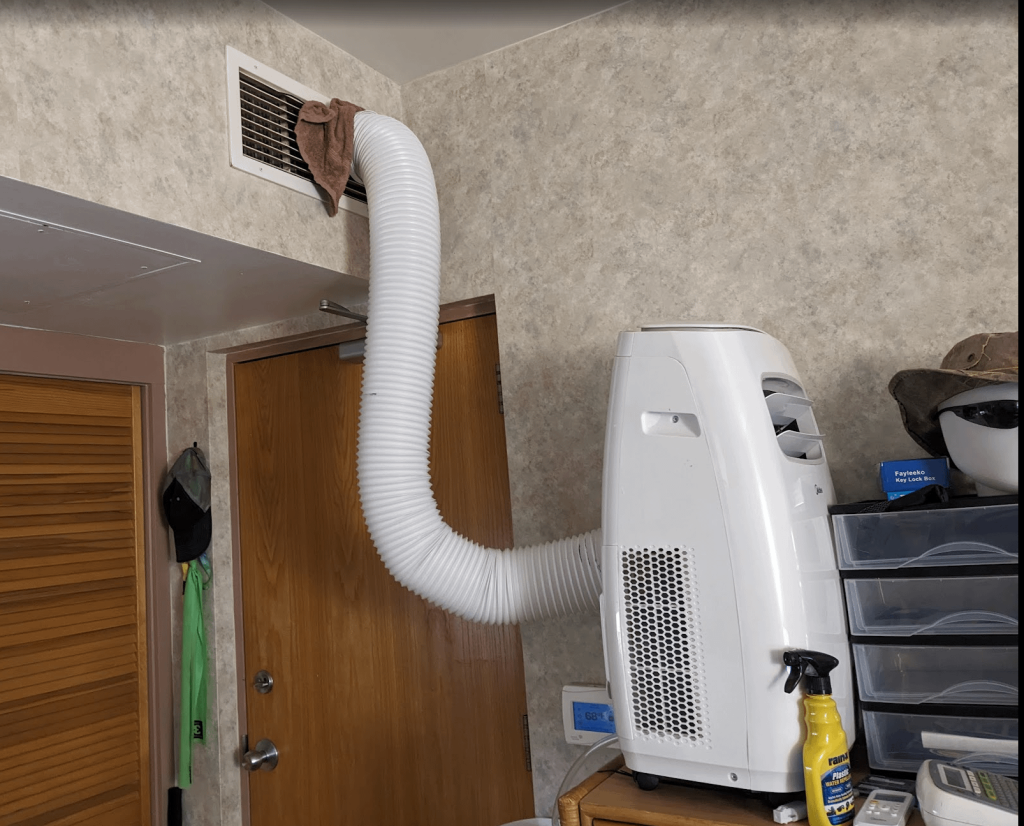
Are you wondering if your portable air conditioner really needs to be vented? You’re not alone.
Many people think these units work like magic, cooling your space without any extra steps. But the truth might surprise you. Venting your portable AC could be the key to keeping your room cool and your energy bills low. You’ll discover why venting matters, how it affects your comfort, and the simple steps you can take to get the best performance from your unit.
Keep reading to find out what you need to know to stay cool and comfortable all summer long.
Why Venting Matters
Portable air conditioners need a way to remove hot air. Venting helps move heat outside. This keeps your room cooler and more comfortable.
Without proper venting, the air conditioner works harder. It may not cool well and can waste energy.
Heat Exhaust And Its Impact
The air conditioner pulls warm air from the room. It cools the air but creates hot exhaust. This hot air must go outside through a vent hose.
- If the exhaust is not vented outside, heat stays in the room.
- This makes the room warmer and lowers cooling performance.
- Heat buildup can cause the air conditioner to overheat.
- Overheating can shorten the unit’s lifespan.
Energy Efficiency Considerations
| Venting Status | Energy Use | Cooling Effectiveness |
| Properly Vented | Low | High |
| Not Vented | High | Low |
Venting reduces the energy needed to cool a room. The unit runs less and saves power. This lowers electricity bills and carbon footprint.
How Portable Ac Units Work
Portable air conditioners cool a room by moving heat from inside to outside. They use a hose to send hot air outdoors.
These units do not just blow cold air. They take heat away and release it outside to cool the room.
Internal Components
Portable AC units have key parts inside that help cool your space. These parts work together to remove heat.
The main components include a compressor, condenser, evaporator, and a fan. Each part plays a role in cooling.
- Compressor:Compresses refrigerant gas to make it hot and pressurized.
- Condenser:Releases heat from the refrigerant to the outside air.
- Evaporator:Absorbs heat from the room air to cool it down.
- Fan:Moves air over the evaporator and pushes hot air out through the hose.
Heat Removal Process
The unit takes warm air from the room and passes it over the evaporator coil. The coil cools the air by removing heat.
The heat taken from the room moves to the refrigerant. Then the compressor and condenser push the heat outside through the hose.
- Warm room air passes over the evaporator coil.
- The evaporator coil absorbs heat from the air.
- Refrigerant carries heat to the compressor and condenser.
- Heat is pushed outside through the vent hose.
- Cool air is blown back into the room.
Types Of Portable Ac Venting
Portable air conditioners need venting to remove hot air. Venting helps the unit cool a room effectively. Different types of venting systems fit various needs and spaces.
Choosing the right venting type depends on your room setup and how much cooling you need. Below are common venting options for portable air conditioners.
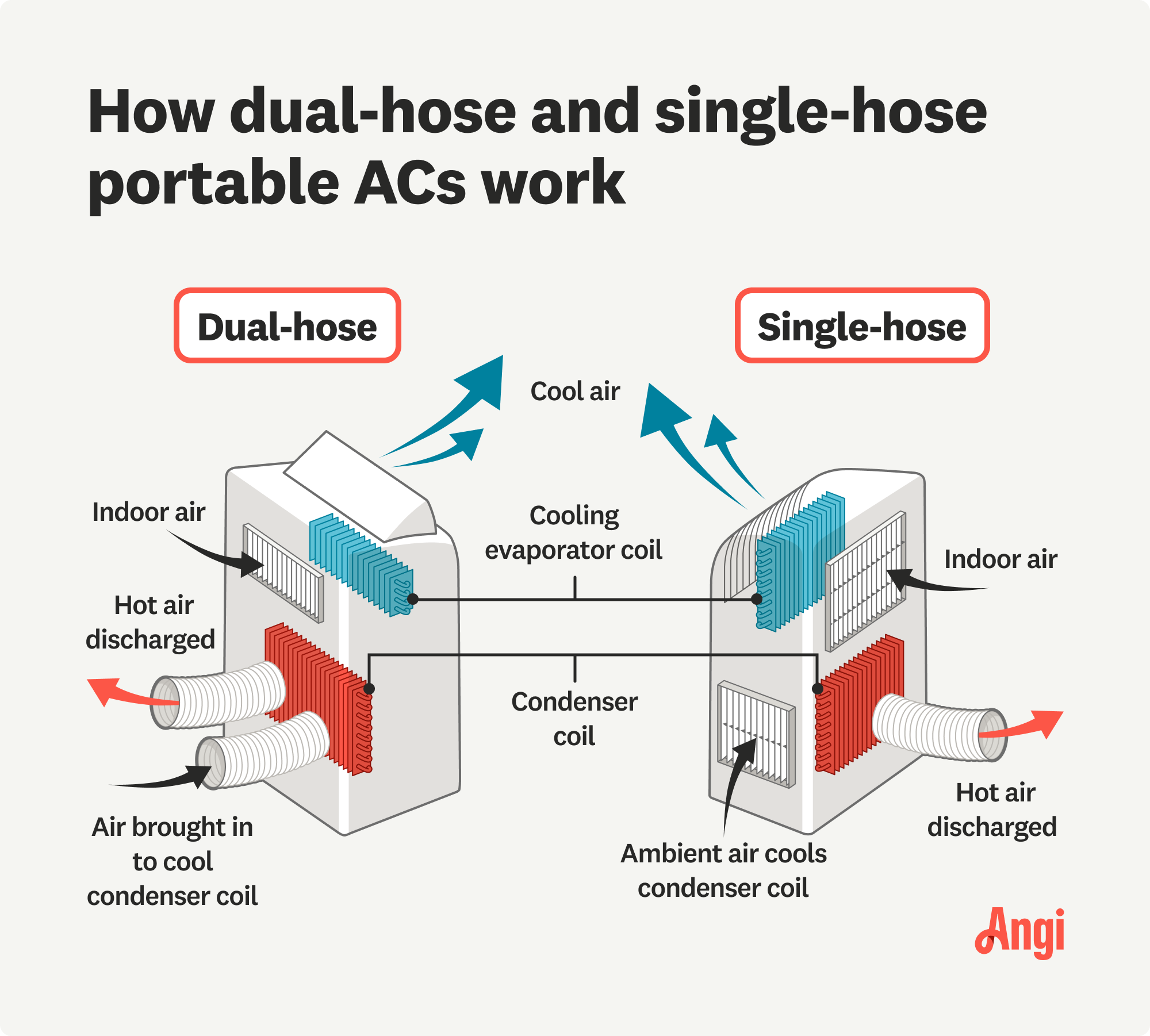
Single Hose Systems
Single hose portable ACs use one hose to push hot air outside. The unit pulls air from the room to cool the compressor. Then it sends hot air out through the hose.
This system is simple and easy to install. But it can create negative pressure inside the room. This pulls warm air from other places, reducing efficiency.
- Uses one exhaust hose
- Easy to set up
- Can lower room pressure
- May reduce cooling speed
Dual Hose Systems
Dual hose systems have two hoses: one pulls air in from outside, and one pushes hot air out. This stops the room from losing air pressure.
They cool rooms faster and work better in larger spaces. Installation is a bit more complex than single hose units. But they are more efficient overall.
- Two hoses: intake and exhaust
- Prevents negative pressure
- Faster cooling
- Better for big rooms
Ventless Options
Ventless portable ACs do not need hoses. They use water to cool the air and release moisture inside the room. These are also called evaporative coolers or swamp coolers.
Ventless units work best in dry climates. They add humidity, so they are not good for humid places. They cool air differently and do not remove heat like vented units.
- No exhaust hoses needed
- Use water to cool air
- Best for dry climates
- Add moisture to the room
Credit: www.angi.com
Consequences Of Not Venting
Portable air conditioners need venting to work properly. Venting sends hot air outside the room.
If you do not vent a portable air conditioner, many problems can happen. These issues affect comfort and efficiency.
Increased Room Temperature
Without venting, the hot air stays inside the room. This makes the room hotter instead of cooler.
The portable air conditioner recycles warm air, so it cannot lower the room temperature. This creates an uncomfortable space.
Reduced Cooling Performance
The air conditioner works harder if it is not vented. It tries to cool the room with hot air inside.
This extra work lowers the cooling power. The machine uses more electricity and may wear out faster.
- Longer cooling time
- Higher energy bills
- More noise from the unit
- Shorter lifespan of the air conditioner
Proper Vent Installation Tips
Venting a portable air conditioner is important to remove hot air from your room. Proper vent installation helps the unit work well and saves energy.
Follow simple tips to install the vent correctly. This will keep your space cool and prevent damage to walls or windows.
Choosing The Right Vent Location
Pick a vent spot near a window or sliding door. This allows hot air to exit easily outside your home.
Avoid places with tight spaces or where the hose must bend a lot. This can block airflow and reduce cooling.
- Choose a window or door that opens
- Keep the hose as straight as possible
- Avoid locations near curtains or furniture
- Check that the vent hose reaches the outside easily
Sealing And Insulating The Vent Hose
Seal the vent hose connections well. This stops hot air from leaking back inside your room.
Use insulation around the hose if possible. It helps keep cool air inside and hot air outside.
- Use weatherproof tape to seal joints
- Apply foam or rubber gaskets to fill gaps
- Wrap the hose with insulation material
- Check seals regularly for damage or leaks

Credit: www.dreo.com
When Venting Isn’t Required
Most portable air conditioners need venting to remove hot air. But some types do not require venting. This saves time and effort during setup.
Understanding when venting is not needed helps you choose the right cooling device for your space.
Evaporative Coolers
Evaporative coolers, also called swamp coolers, cool air by adding moisture. They use water to lower air temperature.
These coolers do not produce hot air that needs venting. They work best in dry climates where humidity is low.
- Use water to cool air
- No hot exhaust air
- Do not need venting
- Best for dry areas
Dehumidifier-only Modes
Some portable air conditioners have a dehumidifier-only mode. This mode removes moisture without cooling the air.
In dehumidifier mode, the unit does not generate hot air. Venting is usually not needed unless specified by the manufacturer.
- Removes moisture only
- No hot air exhaust
- Usually no venting needed
- Check manufacturer instructions
Common Venting Mistakes To Avoid
Venting a portable air conditioner correctly is important. Wrong venting can reduce cooling and cause damage.
This guide explains common venting mistakes to avoid. Fixing these issues helps your air conditioner work well.
Using Improper Hose Length
Using a hose that is too long or too short can cause problems. A long hose reduces airflow and cooling power.
A short hose may not reach the window properly. This can cause leaks and let hot air inside the room.
- Keep the hose as short and straight as possible
- Avoid bending or kinking the hose
- Use the hose length recommended by the manufacturer
Blocking The Vent Outlet
Do not block the vent outlet with curtains or furniture. Blocked vents stop hot air from leaving the room.
This causes the air conditioner to work harder and may overheat the unit. Keep the vent outlet clear at all times.
- Place the vent hose in a clear, open window
- Keep curtains and blinds away from the vent
- Do not place furniture or objects near the vent outlet

Credit: www.dreo.com
Maintaining Your Vent System
Proper care of your portable air conditioner’s vent system keeps it running well. A clean vent helps cool air flow freely and avoids problems.
Regular checks and cleaning stop damage and leaks. These simple steps save you time and money later.
Regular Cleaning
Dirt and dust block the vent and reduce cooling power. Clean the vent hose and filters often to keep air moving well.
- Detach the vent hose from the unit and window adapter.
- Use a soft cloth or brush to remove dust inside the hose.
- Wash the hose with mild soap and water if very dirty.
- Dry the hose completely before reattaching it.
- Clean or replace the air filter according to the manual.
Inspecting For Leaks And Damage
Check the vent hose and connections for holes or cracks. Leaks waste cool air and make the unit work harder.
| Problem | Effect | Fix |
| Holes in Hose | Air leaks, less cooling | Patch or replace hose |
| Loose Connections | Warm air enters, unit strains | Tighten or reseal joints |
| Cracks in Window Adapter | Air leaks, poor fit | Replace adapter or seal gaps |
Frequently Asked Questions
Do Portable Air Conditioners Require Venting?
Yes, portable air conditioners need venting to expel hot air. Without venting, the unit heats the room instead of cooling it.
Can You Use A Portable Ac Without Venting?
Using a portable AC without venting reduces its cooling efficiency. It causes heat to build up inside, making the room warmer.
How Do You Vent A Portable Air Conditioner?
Portable ACs are typically vented through a window using a hose kit. This setup directs hot air outside, ensuring effective cooling.
What Happens If Portable Ac Is Not Vented Properly?
Improper venting causes poor cooling and increased energy use. It can also damage the unit and shorten its lifespan.
Conclusion
Understanding portable air conditioner venting is essential. Proper venting ensures efficient cooling. Venting options vary, including windows and sliding doors. Choose the best fit for your space. Remember, venting prevents hot air buildup. It helps your unit work better. Always follow the manufacturer’s instructions.
This maintains your air conditioner’s lifespan. Incorrect venting may cause issues. So, set up your air conditioner correctly. Keep your room cool and comfortable. Enjoy the benefits of a well-vented space. Portable units are convenient with the right setup. Stay cool and enjoy your air-conditioned comfort.